Trump pivots back to economic sanctions on Iran as military strategy stalls
President Donald Trump has issued new demands for war compensation and halted peace negotiations, prompting an aggressive push of economic sanctions and a sharp rise in energy markets.

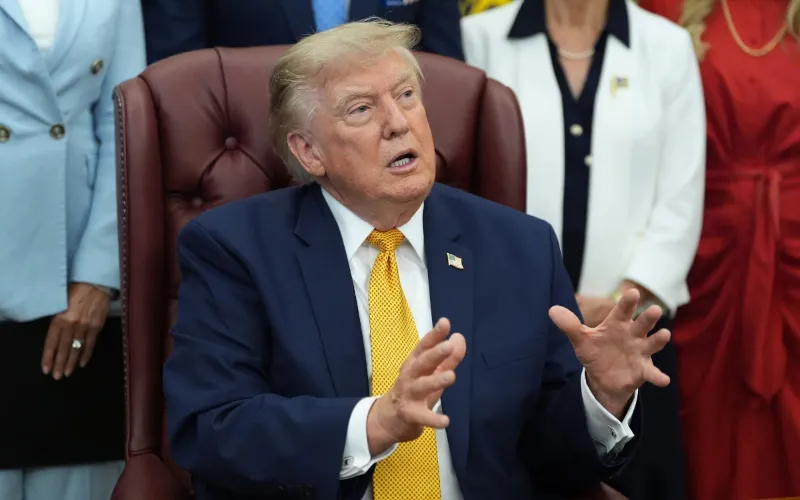
President Donald Trump has clashed directly with Tehran's leadership by issuing sweeping new demands for war compensation, abruptly halting stop-start peace negotiations and triggering a sharp escalation in energy markets. In social media posts and press remarks on Monday, 11 August 2026, Trump demanded that Iran pay restitution for Americans killed and wounded in past conflicts, as reported by the National Post, alongside compensation for families of the hundreds of thousands of innocent protestors that Iran has killed over the last 50 years. Those demands met immediate rejection from Iranian officials, who insisted that the vital Strait of Hormuz will remain shuttered until Washington lifts its naval blockade, ceases hostile military actions, and pays reparations for war damage, according to reporting by the National Post and TimesLIVE.
The sudden diplomatic collision arrives after months of aerial bombardment and naval operations failed to secure a quick military victory or force Iran to capitulate. With key US weapons stockpiles dwindling, according to Timeslive, the Trump administration has pivoted back to economic warfare and financial pressure. Treasury Secretary Scott Bessent and Defense Secretary Pete Hegseth outlined an aggressive posture dubbed "operation economic fury," threatening secondary sanctions against third-party nations and banks that continue to buy Iranian oil or conduct financial transactions with Tehran. This financial strategy aims to exploit an economic contraction that has shrunk Iran's economy by 5.4%, according to International Monetary Fund estimates cited by TimesLIVE.
Related YouTube video

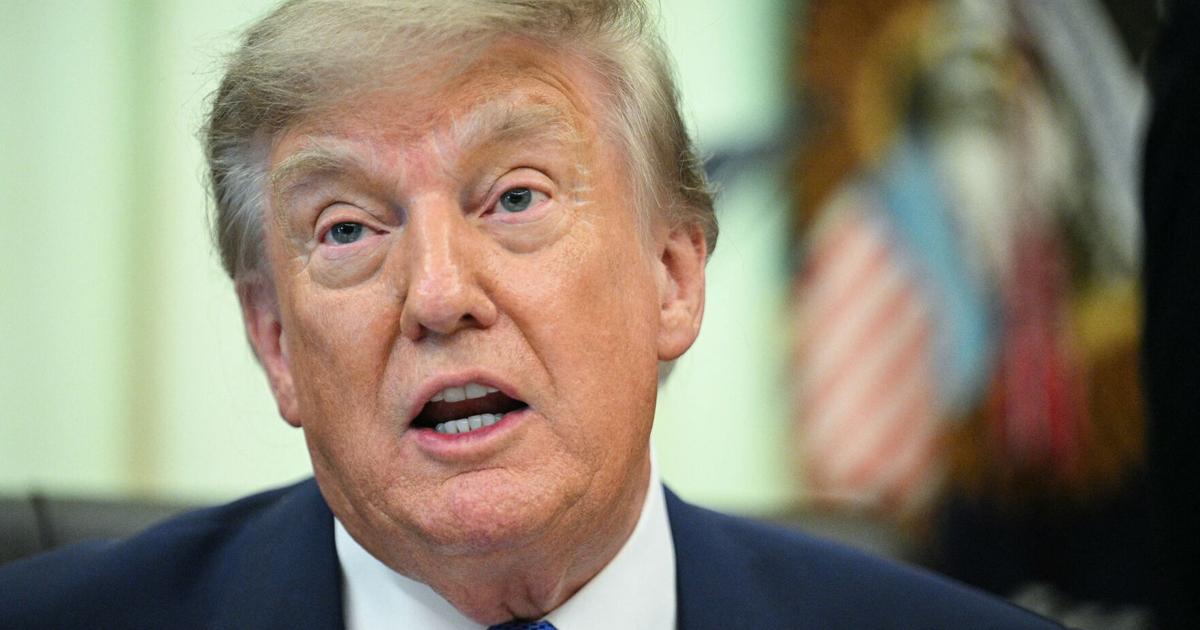
The operational reality of the US naval blockade has sharply curtailed Tehran's primary revenue source. Average loadings of Iranian crude have plummeted from 1.8 million barrels per day before the conflict to under 500,000 barrels per day over the past month, according to US Treasury Department figures reported by TimesLIVE. Trump insisted that Iran is "broke, totally broke" and suffering from 300% inflation, arguing that American voters possess greater financial endurance than Iranian citizens accustomed to prolonged hardship. Yet Iranian officials report an annual inflation rate of 88.6%, and regional analysts point out that long-term sanctions operate slowly compared to the immediate, disruptive shock of a closed maritime transit lane.
Tehran has shown no public sign of intimidation. Esmaeil Baqaei, spokesperson for Iran's foreign ministry, criticized Washington's reliance on financial coercion, stating via TimesLIVE:
"Whenever Washington proves itself incapable of pursuing diplomacy, it retreats into sanctions, and whenever those sanctions fail to produce results it simply increases the dose."
Esmaeil Baqaei, spokesperson for Iran's foreign ministry, via TimesLIVE
To reinforce its defiant posture, Tehran recently appointed hard-line former Islamic Revolutionary Guard Corps commander Mohsen Rezaee to head the Supreme National Security Council, as noted by the National Post.
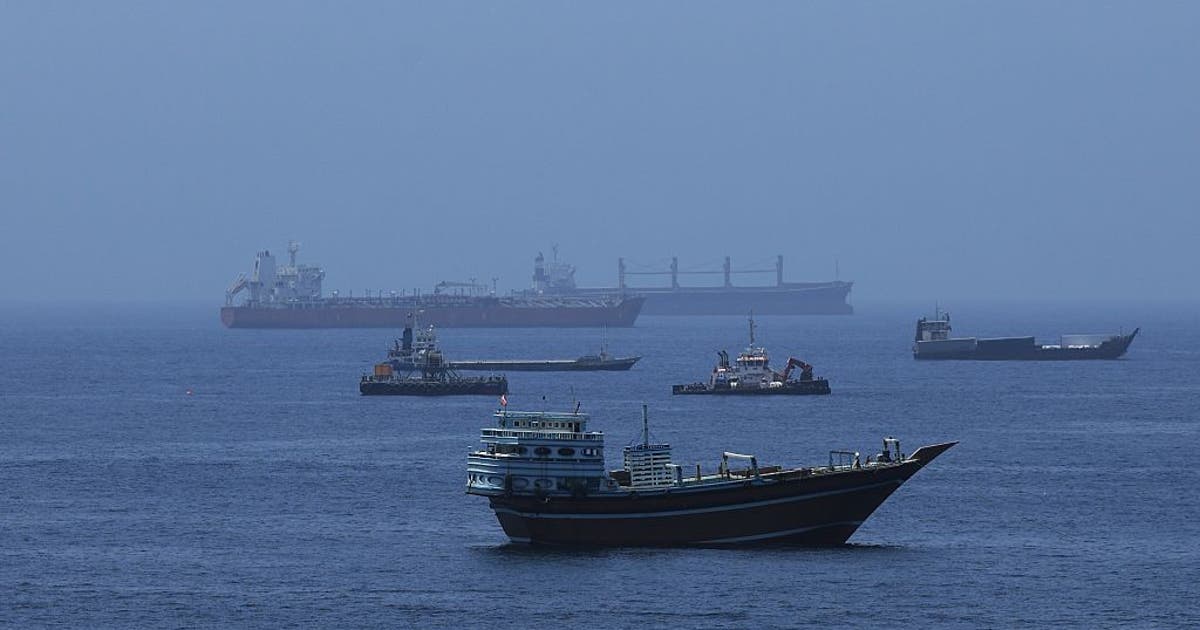
The prolonged closure of the Strait of Hormuz—through which one-fifth of global oil and liquefied natural gas transited before the war, as detailed by the National Post—has sent immediate shockwaves through global commodity markets. Brent crude futures rose nearly 2 percent to $89.45 a barrel, while US West Texas Intermediate advanced to $84.04 a barrel, with both benchmarks touching their highest levels since July 31, according to Al Jazeera. European diesel futures surged by more than 10%, compounded by separate attacks on energy infrastructure in Saudi Arabia and Russia, as reported by the National Post. These climbing energy costs and elevated domestic borrowing rates have weighed heavily on presidential approval ratings inside the United States, illustrating the domestic political peril of a protracted conflict.
As Brent crude trades near $89 a barrel and both capitals refuse to back down from mutual compensation demands, the Strait of Hormuz remains indefinitely closed, leaving the test of economic endurance to determine whether US financial pressure or Iranian maritime leverage will ultimately break the deadlock.
How significant is this development?
Contribute your assessment to the aggregated reader intelligence ledger.
Archypedia is dedicated to independent, evidence-backed reporting. This briefing was synthesized from primary source reporting, corroborated across independent newsrooms, and verified against our Editorial Standards.
Transparency record
Evidence behind this report
This report synthesizes 11 distinct sources. Open the source ledger below to compare the underlying coverage.
- apnews.com
- timeslive.co.za
- aljazeera.com
- nationalpost.com
- cnbctv18.com
- postguam.com
- ttnews.com
- truthout.org
- latimes.com
- dynamitenews.com
- tribune.com.pk
Prepared under the Archypedia Editorial Policy by the Samir Haddad editorial desk profile. AI-assisted tools may support drafting and verification; public accountability remains with Archypedia. Report an error.