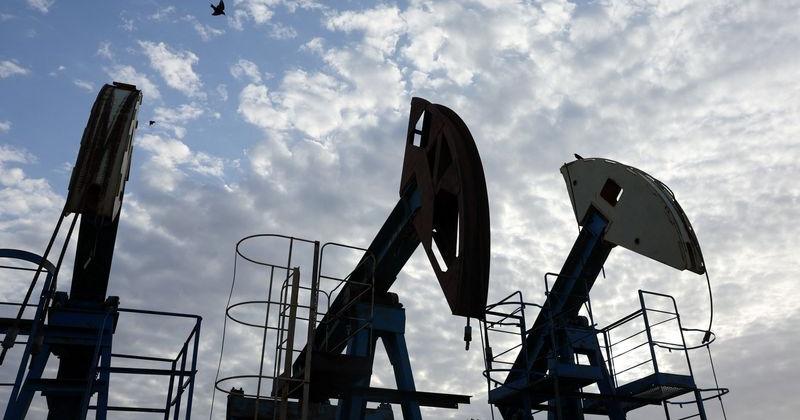
Oil prices fall as US prepares toughest-ever sanctions on Iran
Treasury Secretary Scott Bessent warns of an 'economic D-Day' as Washington launches a massive financial offensive, coinciding with Tehran's attempt to impose tolls on cargo vessels.
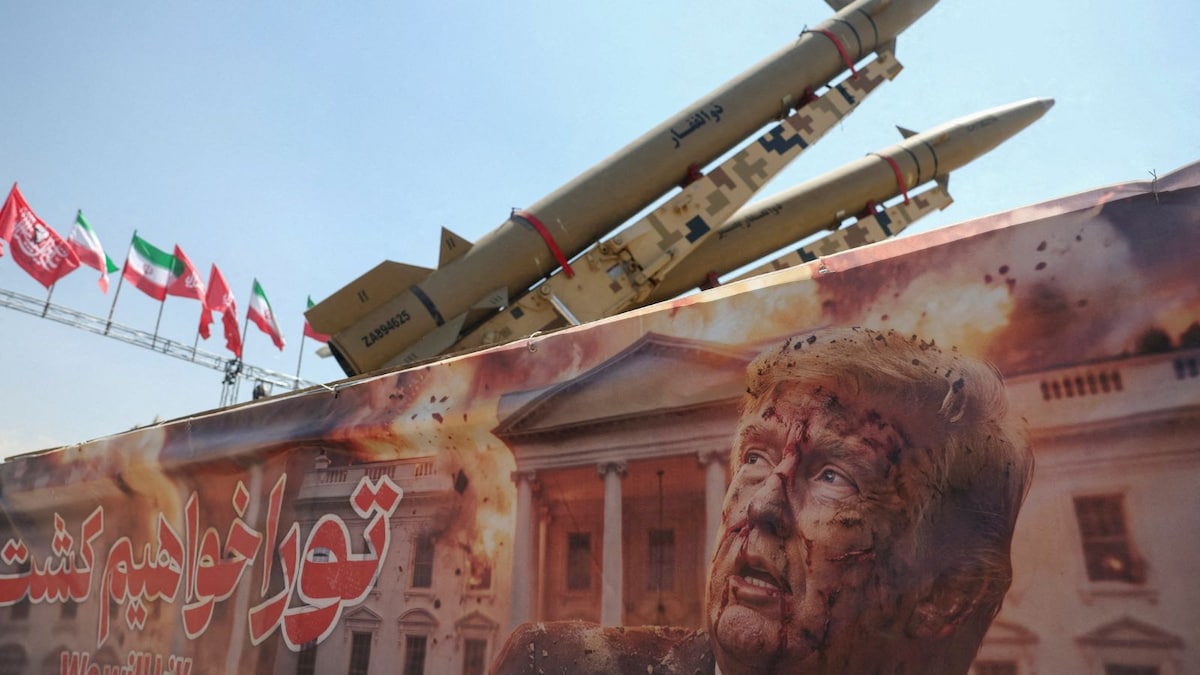
US Treasury Secretary Scott Bessent has characterized the coming hours as an economic D-Day
, promising the single greatest financial offensive ever marshaled against an adversary
. While Washington prepares to launch what it calls the toughest sanctions in history to force Iran to relinquish control of the Strait of Hormuz, the human cost of this financial warfare is already visible in Tehran.
Ahmad Karimi, a taxi driver working 15-hour days to support his family, told AP that his household has been forced to cut out protein and fruit and abandon leisure activities. This domestic struggle coincides with a currency collapse; the Iranian rial hit a record low of 2 million against the US dollar in morning trading on Monday, August 24, 2026, as the anticipation of new US measures intensified.
Related YouTube video
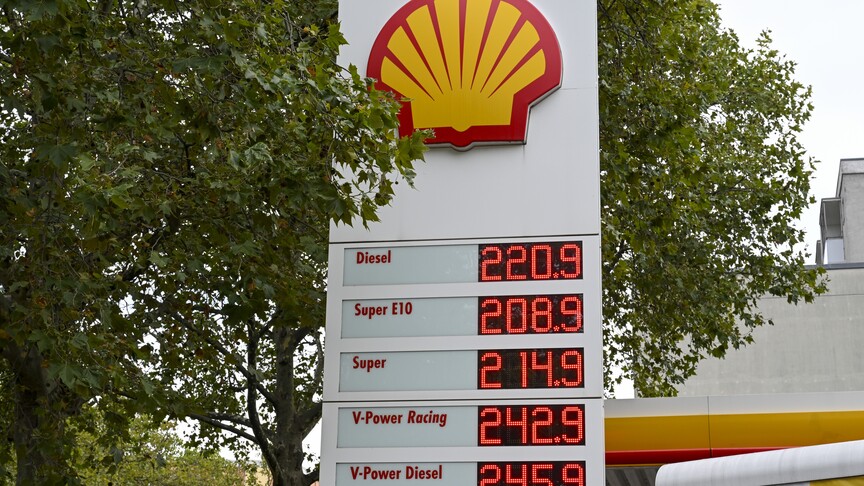
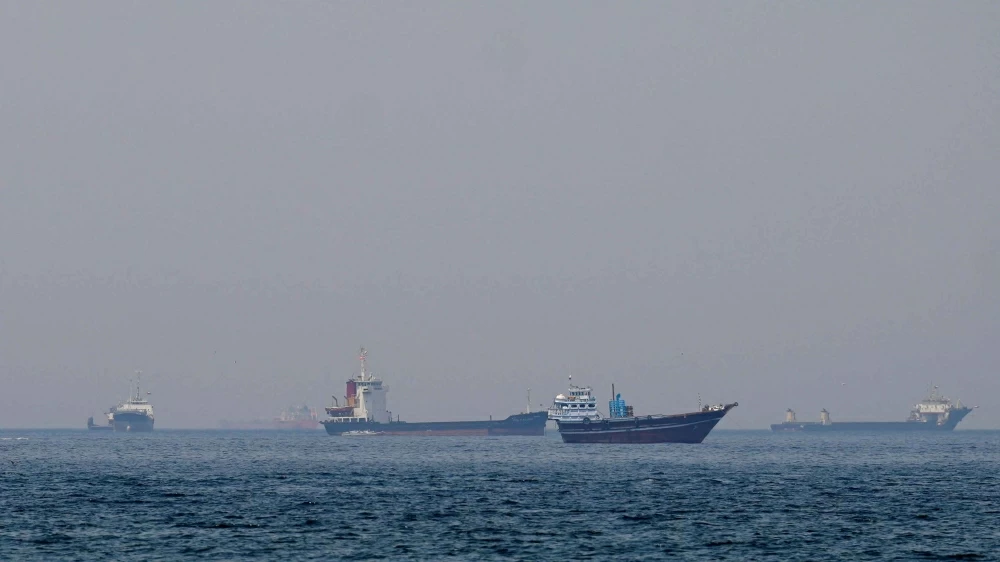
The immediate reaction from energy markets was a retreat. Brent crude futures fell between $1.22 and $1.49, settling around $93 per barrel, while US West Texas Intermediate (WTI) dropped to approximately $85 per barrel. According to Emirates247, investors locked in profits following a rally that saw benchmarks gain more than 5% last week, driven by a stalemate in peace talks and fears over the Strait of Hormuz.
Tehran is attempting to monetize the very corridor Washington wants it to release. Iran's parliamentary National Security and Foreign Policy Commission has approved a draft provision that would require vessels from authorized countries to pay for services in the Strait of Hormuz. While the legislation does not list specific fees, Reuters reported that Tehran is seeking charges equivalent to 5% to 7% of a vessel’s cargo value.
The Persian Gulf Strait Authority warned on X that ships violating these arrangements could face fines, detention, or confiscation. Shipping associations have described these proposed charges as a de facto toll. This legislative move comes as physical traffic in the corridor remains severely restricted; Kpler data cited by Cnbctv18 shows fewer than 20 commodity vessels passed through the Strait over a recent weekend, though some ships may be hiding their movements by switching off transponders.
The strategy of financial isolation creates a paradox for energy security. Analysts at the Commonwealth Bank of Australia (CBA) warn that if the US measures succeed in economically isolating Iran, the risk that Tehran responds with increased violence against energy markets grows. CBA expects Brent crude to remain volatile through the second half of 2026, trading in a range between $70 and $100 a barrel.
Iranian Foreign Minister Abbas Araghchi has dismissed the sanctions as failed methods that prove America’s hatred for the Iranian people
, arguing that the primary victims are ordinary citizens rather than the regime. The Islamic Revolutionary Guard Corps has countered the US threats by claiming Iran can easily establish economic relations with countries
to offset the damage.
As the war continues, regional diplomacy is attempting to find a circuit breaker:
- Pakistan: Army Chief Asim Munir is visiting Tehran on Monday, August 24, to mediate based on an Islamabad-proposed agreement. Pakistan has served as a key mediator since the war began on February 28, 2026.
- Iraq: National Security Adviser Qasim al-Araji has proposed a joint security coordination council involving Iran and Saudi Arabia to address a
crisis of confidence
. - Oman: Foreign Minister Badr Albusaidi is scheduled to visit Iran on Tuesday, August 26, for bilateral talks.
The economic pressure is not limited to the Persian Gulf. US President Donald Trump has warned of severe penalties for any country helping Iran evade sanctions. This has already impacted trade; offers of Iranian crude to Chinese buyers have reportedly declined and prices have risen as shipment restrictions tighten.
The operational strain of the conflict is also affecting US military readiness. Washington has cancelled a joint amphibious landing exercise with South Korea scheduled for next month, citing limited troop availability due to the war in Iran.
Market participants are now focused on the specific targets of the new sanctions package. The primary unresolved trigger is Treasury Secretary Scott Bessent's press conference, scheduled for 1800 GMT on Monday, August 24, where it will be revealed if the US will formally target China as part of its financial offensive.
Chronology of Economic Pressure
The current escalation follows a long history of financial warfare; Iran has faced nearly continuous US sanctions since the 1979 Islamic Revolution. While some nuclear-related restrictions were lifted under a 2015 agreement, US President Donald Trump restored them in 2018. More recently, in September 2025, the UN reimposed sanctions freezing overseas assets and penalizing ballistic-missile development, while the EU restored restrictions on Iranian banks and crude oil, according to CNBCTV18.
This historical layering of restrictions has created a fragile domestic economy. Beyond the rial's collapse, many families struggle to afford basic medicine as unemployment rises. The desperation is matched by geopolitical friction; for instance, Iraq proposed its security coordination council following a July 27 claim by Saudi Arabia that drones launched from Iraqi territory targeted its oil facilities.
While Tehran attempts to implement these tolls, it has selectively eased restrictions for certain partners. IRNA reported that Iran has authorized a number of Iraqi oil tankers to transit through the Strait of Hormuz following repeated requests from Baghdad.
The broader financial impact is extending to global equity markets. Global Banking and Finance reported that Asian shares dipped on Monday, August 24, as investors awaited the sanctions details. This volatility coincides with a tightening of global oil supplies, as Morgan Stanley noted declines in both onshore and floating inventories, including those in China.
For Washington, the next step is the 1800 GMT press conference by Treasury Secretary Scott Bessent,
How significant is this development?
Contribute your assessment to the aggregated reader intelligence ledger.
Archypedia is dedicated to independent, evidence-backed reporting. This briefing was synthesized from primary source reporting, corroborated across independent newsrooms, and verified against our Editorial Standards.
Transparency record
Evidence behind this report
This report synthesizes 5 distinct sources. Open the source ledger below to compare the underlying coverage.
Prepared under the Archypedia Editorial Policy by the Elena Voss editorial desk profile. AI-assisted tools may support drafting and verification; public accountability remains with Archypedia. Report an error.