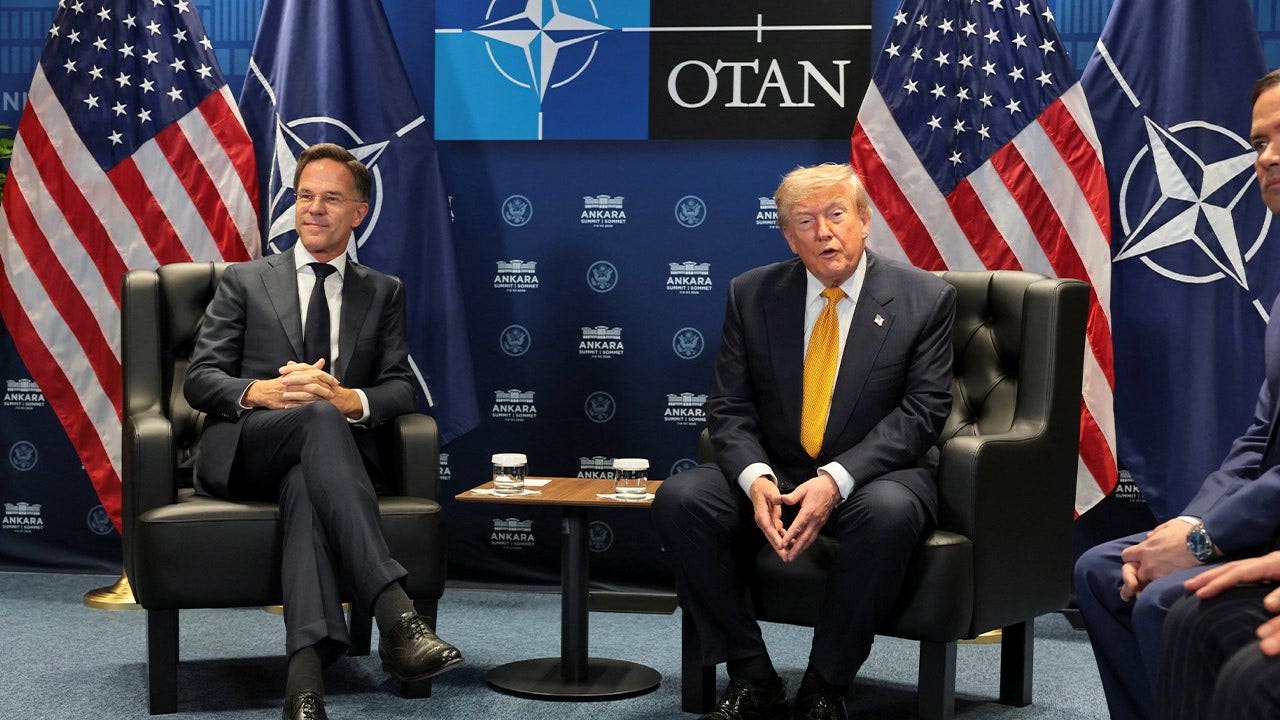
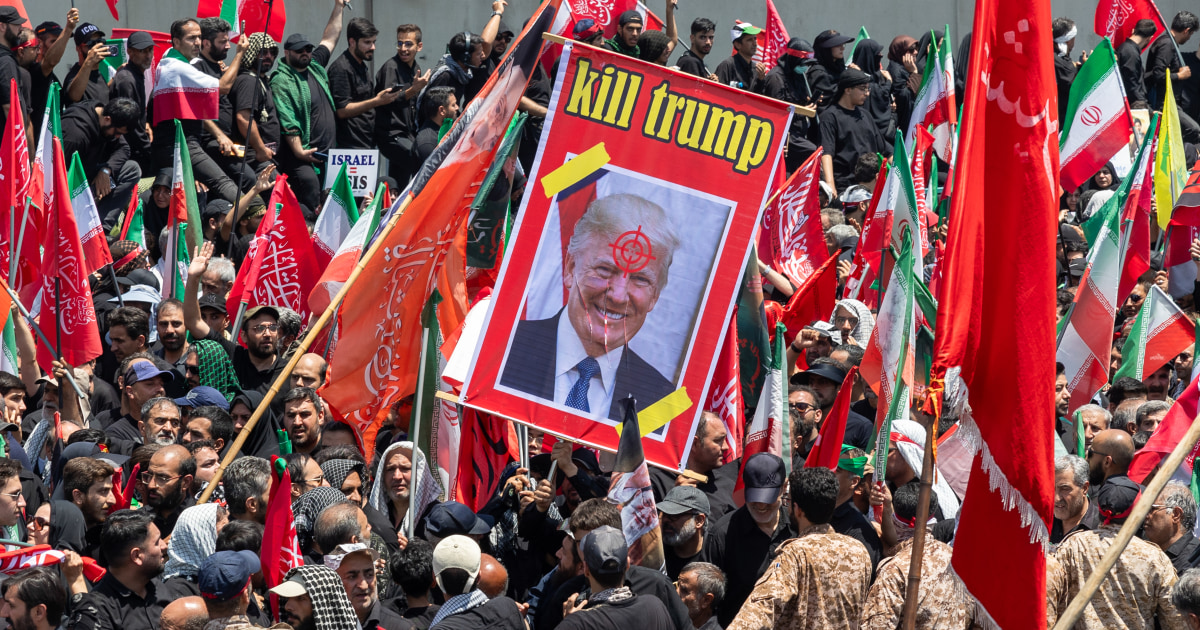
Trump says US is ‘low-keying it’ with Iran, stresses economic pain
The U.S. has redirected 55 commercial vessels and disabled others to enforce a blockade that has left Iran's primary oil terminal basically dark.
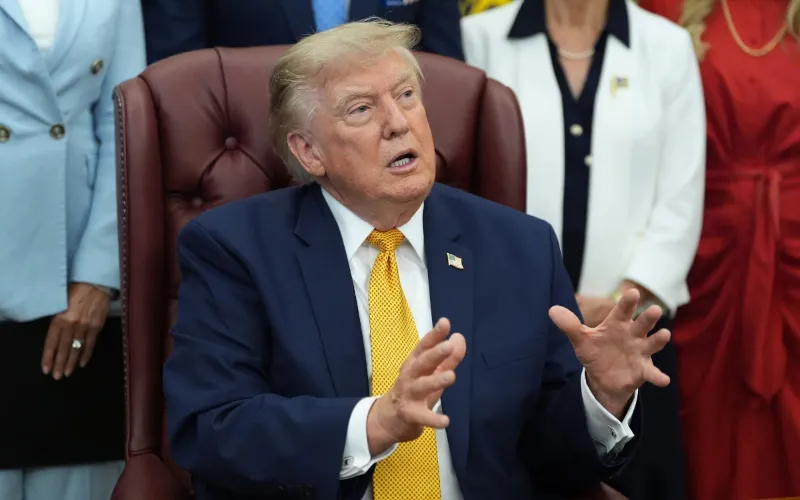
While the United States Navy maintains a strict blockade in the Gulf, disabling ships and redirecting commercial traffic, President Donald Trump says he is low-keying it
with Iran. This pivot toward a strategy of economic strangulation comes as the conflict nears the six-month mark, shifting the administration's focus from renewed military strikes to the mounting financial collapse of the Islamic Republic.
The strategy aims to force Tehran to reopen the Strait of Hormuz, a waterway typically carrying 20% of global oil and natural gas supplies. In a phone interview with Axios, Trump described the approach as a chess game
, stating, We are only semi-negotiating with them. We are just watching Iran with its huge inflation and the fact they have no money.
Related YouTube video
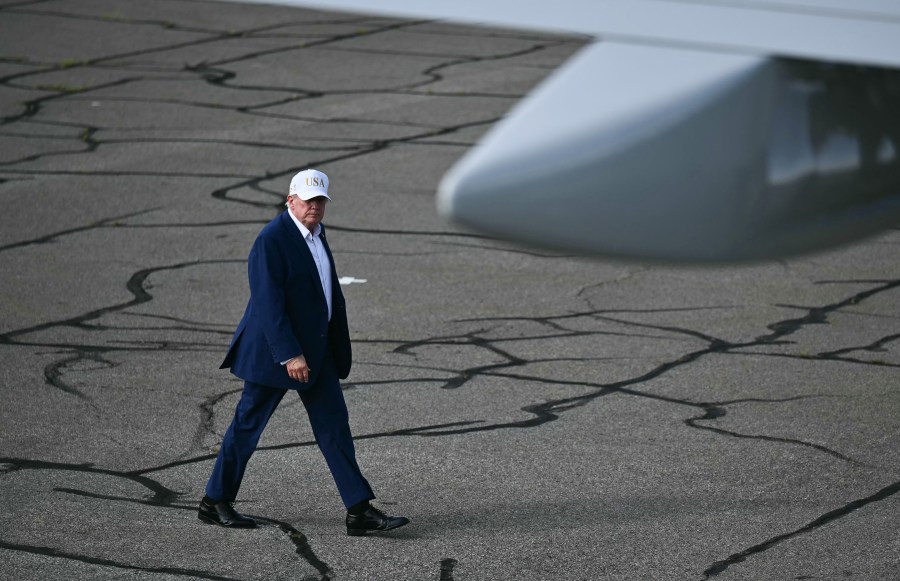
The stakes are concrete: Iranian troops are reportedly going unpaid, and Tehran's primary oil terminal at Kharg Island is basically dark
, according to national security analyst Rebecca Grant on Fox News. To enforce this pressure, CENTCOM confirmed that as of August 9, U.S. Forces have redirected 55 commercial vessels, disabled two, and boarded two others to ensure compliance with the blockade.
However, a gap exists between the administration's rhetoric and market reality. Trump claimed that U.S. Consumers are feeling less pain as oil prices fall to slightly above $75 a barrel. In contrast, Brent crude futures rose to $84.79 a barrel by Monday, as uncertainty lingers over the status of the strait.
Tehran has responded by setting a steep price for the reopening of the waterway. According to Iranian Foreign Minister Abbas Araqchi and Mohammad Baqer Zolqadr, secretary of Iran’s top national security body, any deal is contingent on several non-negotiable conditions:
- Lifting the U.S. Naval blockade in the Gulf.
- The complete removal of all sanctions against Iran.
- The unconditional release of frozen Iranian assets.
- An end to U.S. Threats and aggression toward Iran and its allies in Lebanon, Palestine, Yemen, and Iraq.
- Payment of compensation for damages caused by U.S. Attacks.
Inside Iran, the leadership appears fragile. Supreme Leader Ayatollah Mojtaba Khamenei has not appeared in public since assuming his post in March, leading to widespread speculation about his health. Reports indicate he may have suffered facial disfigurement and other serious injuries during the February 28 strikes that killed his father. While Khamenei's office stated on Sunday that the leader recently met with President Masoud Pezeshkian to discuss the Third Imposed War
, the statement did not specify a date.
Despite this perceived instability, Iran is doubling down on its security apparatus. On Sunday, Mojtaba Khamenei appointed Mohsen Rezaei to the Supreme National Security Council. Rezaei, a former Revolutionary Guard commander, is subject to an active Interpol red notice for his alleged role in the 1994 bombing of a Jewish community center in Argentina that killed 85 people.
The domestic political risk for the Trump administration is centered on the November midterms. Combat veteran and Fox News host Johnny “Joey” Jones warned that seeking an off-ramp
that restores shipping without securing a nuclear agreement could be absolutely detrimental
to Trump's legacy and military funding. The Wall Street Journal reports that Trump may be considering such a move, believing that U.S. Bombings of three main nuclear sites have left Iran struggling to rebuild its program.
As the diplomatic stalemate continues, the Iranian government is attempting to project strength and stability. Basij Organization deputy Qasem Qoraishi stated that footage showing Khamenei among the people and out in streets
and meeting with military commanders will be released in the future.
Military Pressure and Munitions Strain
The strategy of "low-keying" the conflict follows a period of intense activity that began with U.S. Air strikes on February 28. According to the Associated Press, the Defense Department is pressing defense companies to accelerate weapons production to replenish munitions depleted during the five-month conflict.
Deputy Defense Secretary Steve Feinberg issued a memo on Wednesday giving industry leaders 21 days to propose faster delivery schedules for critical weapons. The naval blockade remains the primary lever of pressure, supported by a significant maritime presence.
National security analyst Rebecca Grant told Fox News that the blockade is the single most effective diplomatic measure
in the conflict, specifically noting that Kharg Island—where Iran typically loads 90% of its oil—is basically dark
. This maritime squeeze is intended to complement the broader diplomatic effort to reopen the Strait of Hormuz, which Iran and Oman are currently working to resolve through a deal regarding new shipping lanes.
The internal stability of the Iranian regime remains a central uncertainty. While the office of Supreme Leader Mojtaba Khamenei claims he met with President Masoud Pezeshkian to discuss the Third Imposed War
, the Associated Press noted that undated footage released by the Mehr news agency could not be independently verified. Furthermore, the appointment of Mohsen Rezaei to the Supreme National Security Council signals a reliance on hardline figures; according to Dr. Omar Mohammed of George Washington University via Fox News, Rezaei's role is significant because that body shapes decisions regarding the nuclear program and missile force.
How significant is this development?
Contribute your assessment to the aggregated reader intelligence ledger.
Archypedia is dedicated to independent, evidence-backed reporting. This briefing was synthesized from primary source reporting, corroborated across independent newsrooms, and verified against our Editorial Standards.
Transparency record
Evidence behind this report
This report synthesizes 6 distinct sources. Open the source ledger below to compare the underlying coverage.
Prepared under the Archypedia Editorial Policy by the Samir Haddad editorial desk profile. AI-assisted tools may support drafting and verification; public accountability remains with Archypedia. Report an error.