Trump calls Iran little detour during South Carolina rally
Speaking at a Myrtle Beach rally, Donald Trump minimized the military standoff with Iran as a minor disruption aimed at halting its nuclear ambitions.

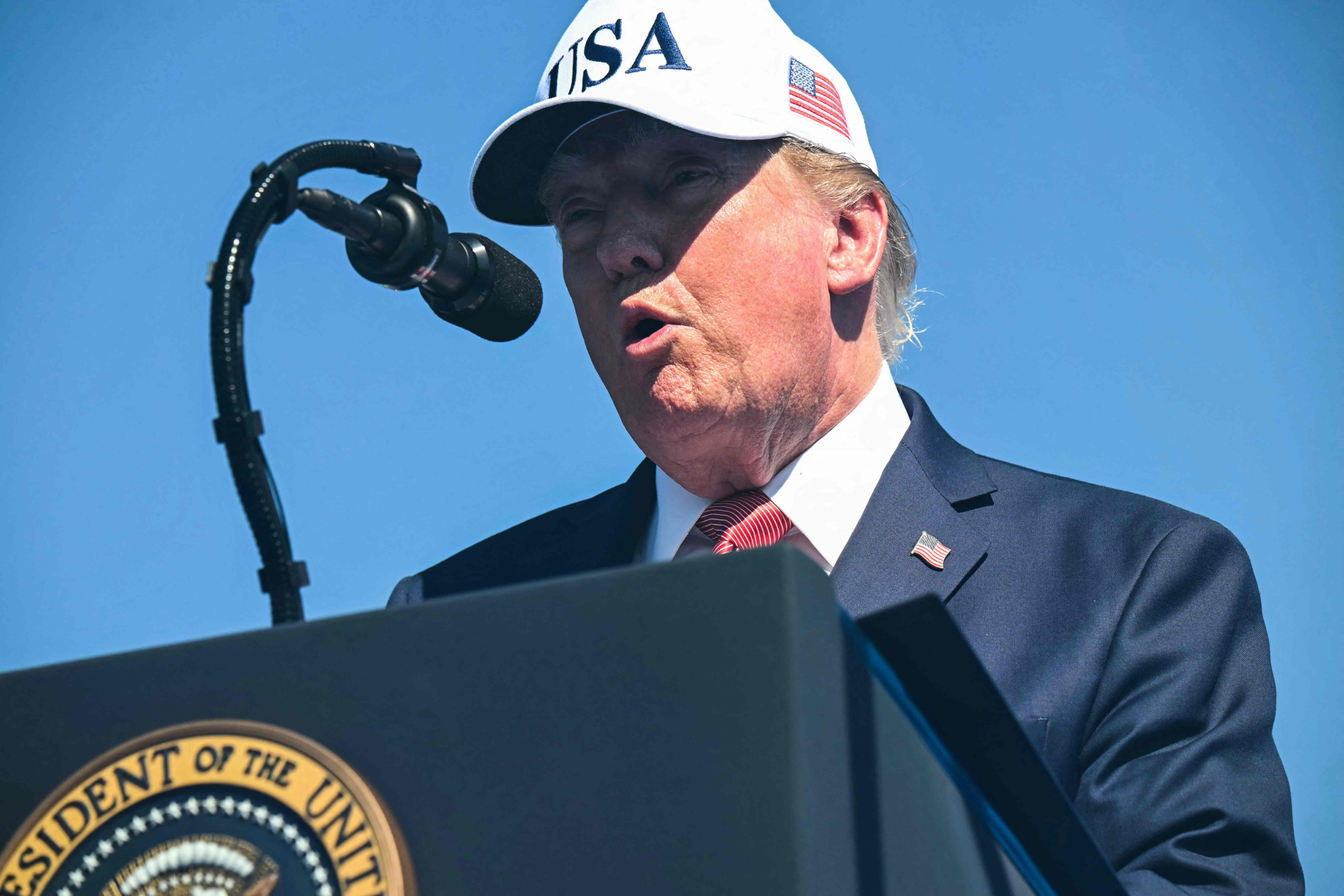
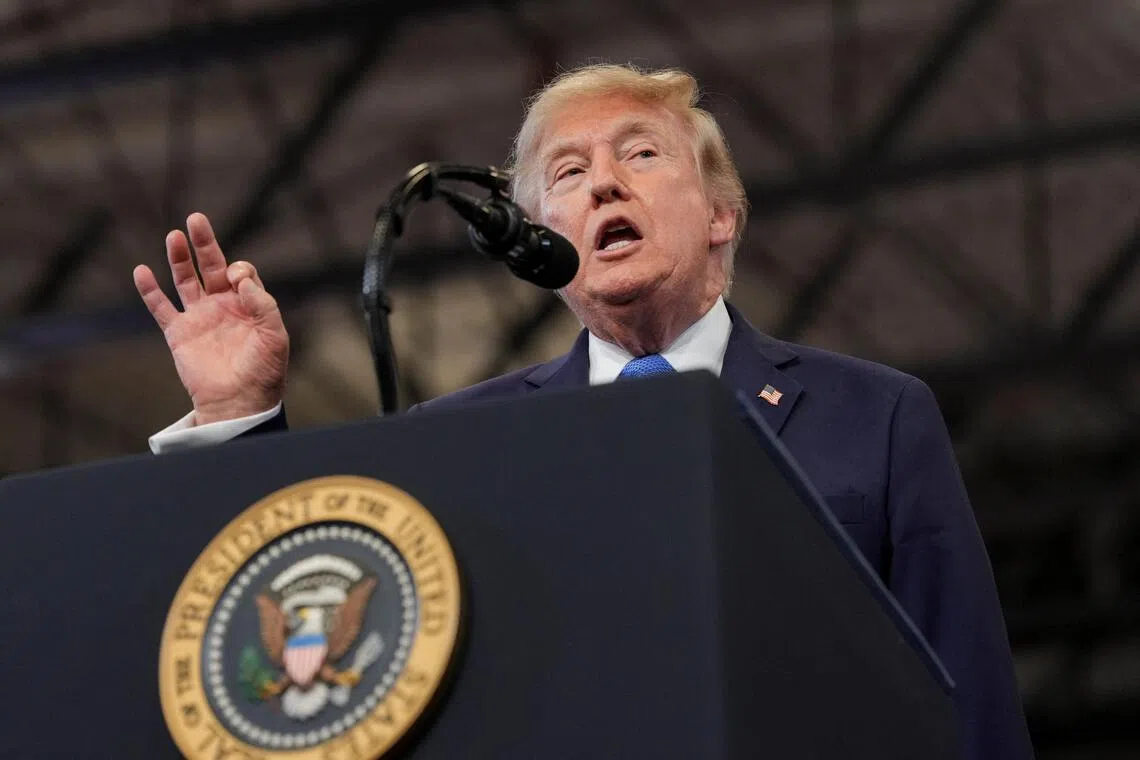
President Donald Trump dismissed the ongoing military conflict with Iran as a minor disruption during a campaign rally in Myrtle Beach, South Carolina, even as Tehran enforced a rigid maritime blockade and vowed to treat any nation cooperating with Washington's new financial penalties as a hostile state. Speaking on Thursday, Aug. 21, 2026, at an event supporting North Carolina Senate candidate Sen. Darline Graham, Trump characterized the confrontation as a temporary obstacle required to dismantle the Islamic Republic's nuclear ambitions, according to reporting by the Detroit Free Press.
With all the good news, I said, I hate to do this, but we're going to have to take a little detour down to the Islamic Republic of Iran, and we're going to have to put out the nuclear weapon stuff because they're going to have a nuclear weapon, and we cannot let them have a nuclear weapon,
Trump told the crowd.
Related YouTube video


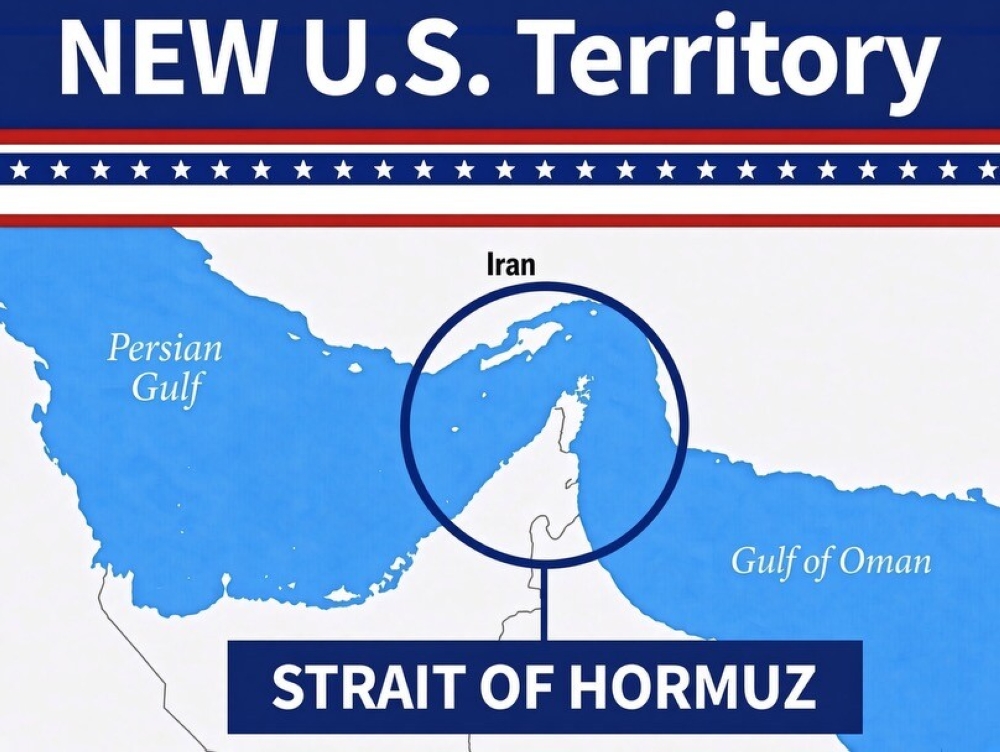
That optimistic framing collides directly with realities in the Persian Gulf and on domestic balance sheets. U.S. And Israeli airstrikes launched on Feb. 28, 2026, have severely damaged Iranian infrastructure and killed thousands, yet Tehran has brought commercial shipping in the Strait of Hormuz to a virtual standstill, refusing entry to unauthorized oil tankers, as reported by The Senior. This effective blockade continues to constrain global crude supplies and sustain elevated energy costs, contrasting sharply with Trump's assertions on the campaign trail that gasoline prices stood near historic lows before the outbreak and would plunge below previous levels once the operation concludes.
Federal data tell a different story. While Trump claimed he witnessed retail gas prices at $1.85 to $1.95 a gallon in Iowa shortly before ordering military action, U.S. Energy Information Administration figures reviewed by USA TODAY via the Detroit Free Press show that weekly conventional regular gasoline prices nationwide ranged from $2.74 to $2.79 per gallon in February 2026. Midwest regional figures spanned $2.62 to $2.65, with neighboring Minnesota recording $2.66 to $2.70. Amid lingering voter anxiety over cost-of-living pressures and a low presidential approval rating, Trump insisted to South Carolina audiences that 401(k) retirement accounts are rising and beef prices are rapidly falling, while blaming his predecessor for inheriting an affordability crisis.
The geopolitical standoff escalated sharply when the administration announced an aggressive economic offensive. Following a Truth Social post designating the initiative as an economic D-Day,
U.S. Treasury Secretary Scott Bessent threatened to levy what he described as the toughest sanctions in history against Tehran. The sweeping campaign targets remaining economic lifelines, including oil smuggling networks, financial transfers, exchange houses, ship registries, and front companies, noted by Webindia123. Trump urged global partners to isolate Iran completely, warning that nations providing any form of economic lifeline would face severe punitive measures, according to Israel National News.
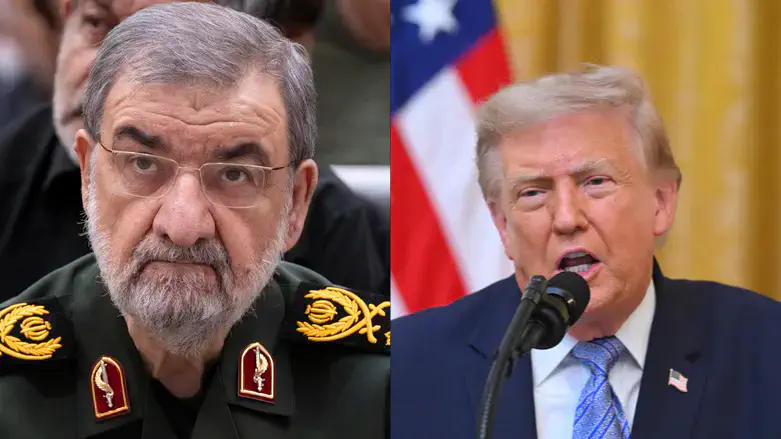
Tehran rejected the new restrictions as an act of desperation designed to divert attention from mounting financial troubles in the United States, notably a national debt that reached $40 trillion on Tuesday amid rising interest payments, according to CNN data cited by Webindia123. Mohsen Rezaei, head of Iran's Supreme National Security Council, warned that any government participating in Washington's restrictions would be treated as an adversary, via Israel National News.
"We declare to all countries... do not join the economic war waged by the United States. Any country participating in the imposition of economic restrictions against us is considered an enemy."
Mohsen Rezaei, head of Iran's Supreme National Security Council, via Israel National News
Rezaei added that any new military escalation by Washington would provoke a response akin to an earthquake, maintaining that the Strait of Hormuz remains closed to unauthorized traffic until the United States changes its conduct and fulfills its obligations, as reported by Israel National News. Iranian Foreign Minister Seyed Abbas Araghchi echoed that stance in a post on X and a video message posted on Telegram, dismissing the latest sanction threats as repetitive tactics that would inevitably fail, according to The Senior and Webindia123. Araghchi noted that past iterations of maximum pressure campaigns had failed to alter Tehran's course, arguing that doubling down on economic pressure would only yield hostility, with Webindia123 noting his comparison to past U.S. Administrations. First Vice President Mohammad Reza Aref similarly stated on X that the Iranian government would not allow U.S. Economic terrorism to undermine economic stability or public livelihoods, as covered by Webindia123. Nevertheless, diplomatic channels remain active; Iranian officials confirmed that Pakistan's army chief, Asim Munir, was scheduled to visit Tehran on Monday to discuss regional security and the looming sanctions, according to The Senior.
Against this backdrop of international friction, local voters in South Carolina are weighing national security messaging alongside immediate economic strains. Pam McMahon, a Myrtle Beach resident attending the campaign stop, said the president's endorsement remains a major factor in her voting decision in a state where Trump secured 58 percent of the vote in 2024, as detailed by the Detroit Free Press.
Key Developments in the U.S.–Iran Standoff
- Military Conflict Duration: The U.S. And Israeli military campaign against Iran entered its sixth month following airstrikes that began on Feb. 28, 2026.
- Economic Sanctions: U.S. Treasury Secretary Scott Bessent announced plans to impose the toughest sanctions in history, targeting oil smuggling, cash transfers, exchange houses, ship registries, and front companies.
- Global Debt Indicator: U.S. Federal debt reached $40 trillion on Tuesday amid rising interest payments, according to CNN data cited by Webindia123.
Voters in South Carolina head to the polls on Tuesday, Aug. 25, 2026, for the Senate runoff primary between Darline Graham and U.S. Rep. Ralph Norman, as reported by the Detroit Free Press.
How significant is this development?
Contribute your assessment to the aggregated reader intelligence ledger.
Archypedia is dedicated to independent, evidence-backed reporting. This briefing was synthesized from primary source reporting, corroborated across independent newsrooms, and verified against our Editorial Standards.
Transparency record
Evidence behind this report
This report synthesizes 5 distinct sources. Open the source ledger below to compare the underlying coverage.
Prepared under the Archypedia Editorial Policy by the Samir Haddad editorial desk profile. AI-assisted tools may support drafting and verification; public accountability remains with Archypedia. Report an error.