
Business
Oil prices slump as Trump cancels planned Iran attack and restarts talks
A shift in Middle East geopolitical risk has lowered energy costs and gilt yields, while a rare joint US-Japan intervention aims to stabilize the yen.
A shift in Middle East geopolitical risk has lowered energy costs and gilt yields, while a rare joint US-Japan intervention aims to stabilize the yen.

The Iranian Foreign Ministry has rejected assertions of an imminent diplomatic breakthrough with Washington, maintaining that no direct negotiations are taking place.
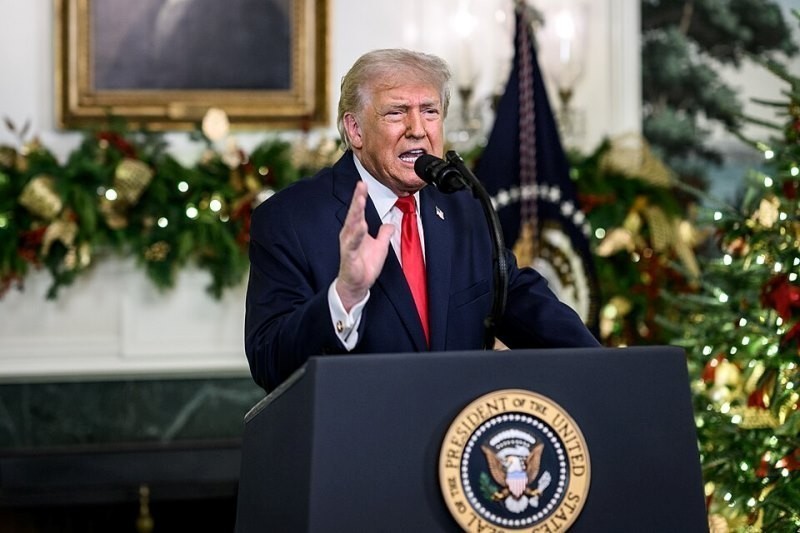
The U.S. military remains on high alert as diplomatic efforts attempt to resolve a five-month conflict and reopen the Strait of Hormuz.
GIFT Nifty futures signal a bullish start for the benchmark index as falling energy costs provide relief to the import-dependent economy. The rally coincides with divergent corporate results from Maruti Suzuki and ITC.
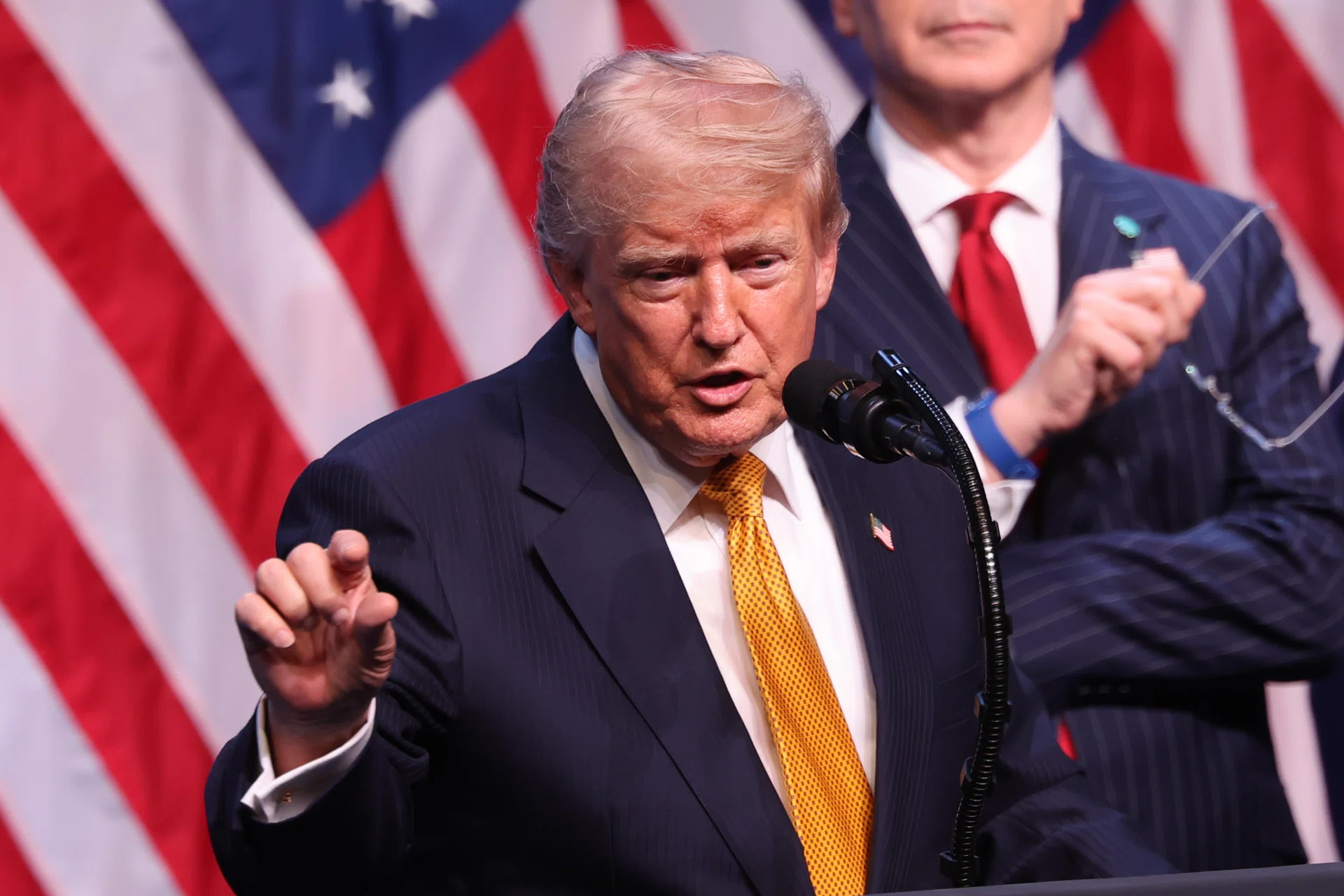
The diplomatic pivot follows pleas from Iran and regional allies, alongside reports of significant strain on U.S. military hardware inventories.
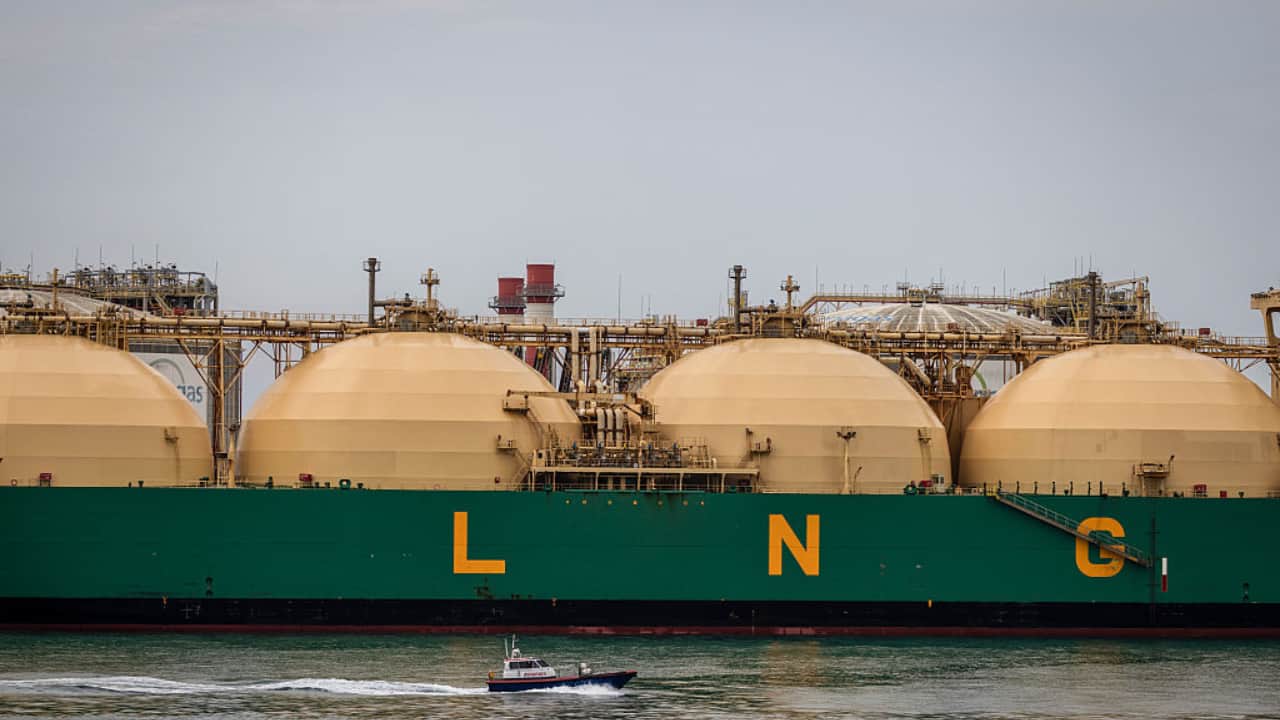
The GasLog Shanghai was heavily damaged off the coast of Oman as the White House suspended planned military strikes following diplomatic signals.

The conflict enters a volatile phase as joint US-Saudi strikes kill IRGC members and commercial traffic in the Strait of Hormuz nears a total collapse.
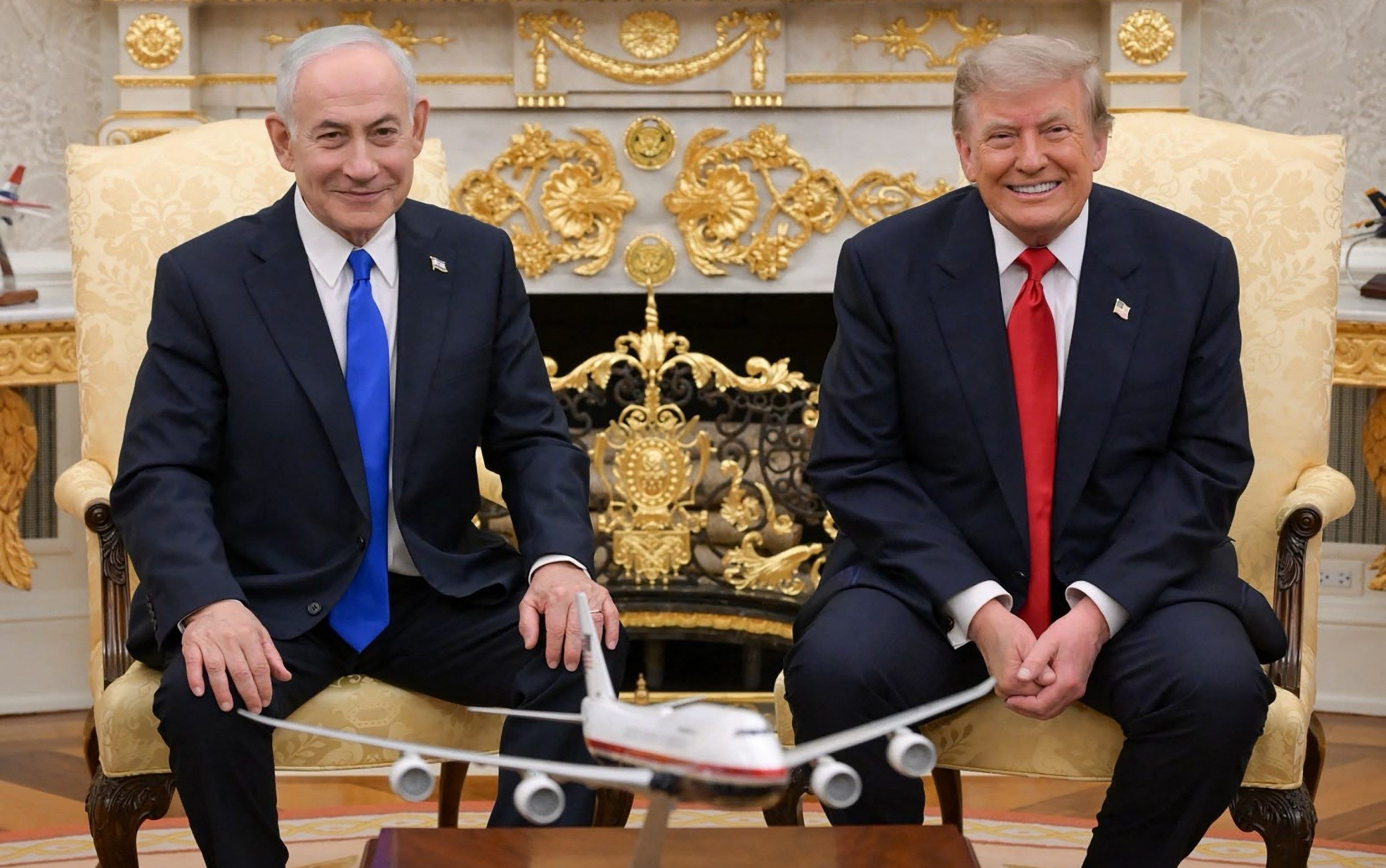
The proposed strategy involves sealing all land borders to isolate Tehran, though success depends on persuading neighbor nations to risk Iranian retaliation.
The US military launched fresh airstrikes targeting the Islamic Revolutionary Guard Corps across Iran, following a series of attacks on American forces in the Middle East.

Joint US and Saudi airstrikes in Iraq have triggered a sweeping regional escalation, with Iran launching retaliatory ballistic missiles at Jordan.

Explosions rocked a natural gas loading port on Egypt's coast after a drone strike hit a US-owned tanker, sharply escalating the regional conflict.

The US military intercepted an Iranian ballistic missile barrage and struck sites in Iraq used by Tehran-backed militias, shattering a brief pause in fighting.
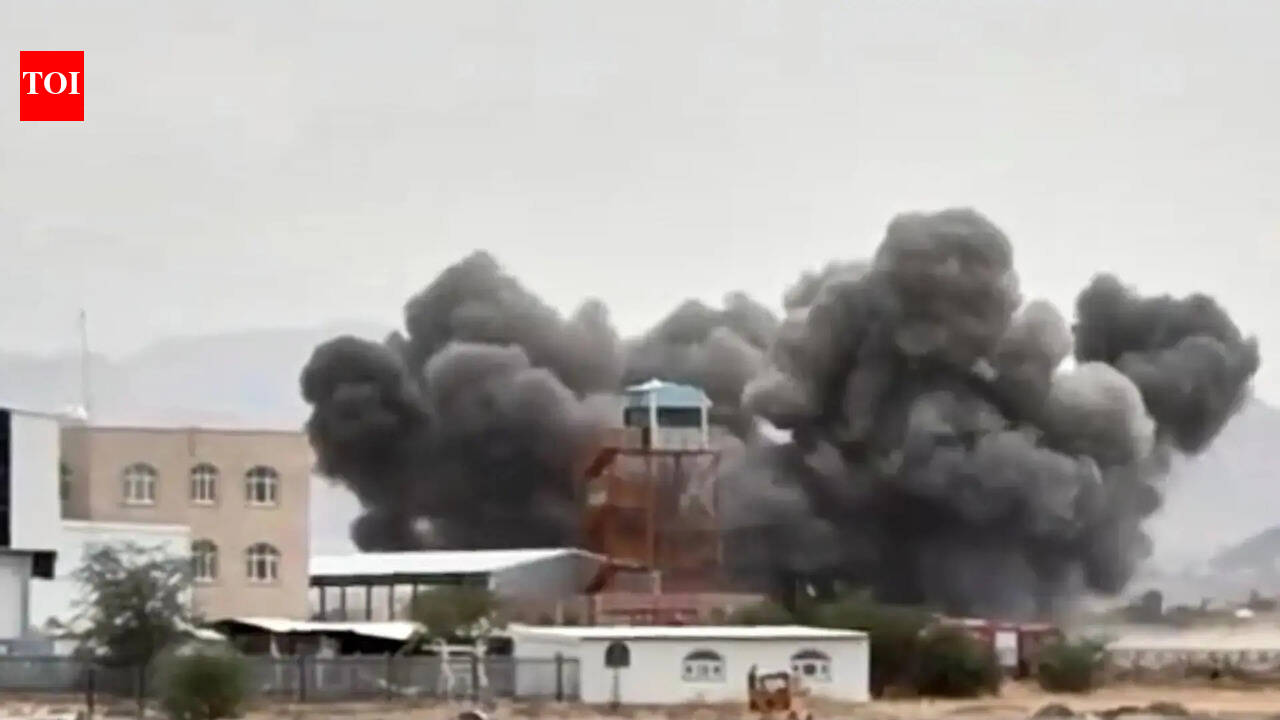
The armed conflict involving Iran has expanded into the Red Sea and Caspian Sea despite a temporary halt in U.S. airstrikes, drawing in Ukraine and threatening vital energy infrastructure.

Brent crude oil prices rose above 100 U.S. Dollars per barrel as the U.S. implemented a naval blockade following attacks on commercial tankers in the region.
Houthi militants struck Saudi-flagged vessels amid an intensifying military conflict between the United States and Iran. This escalation has caused Brent crude prices to reach $100 per barrel.
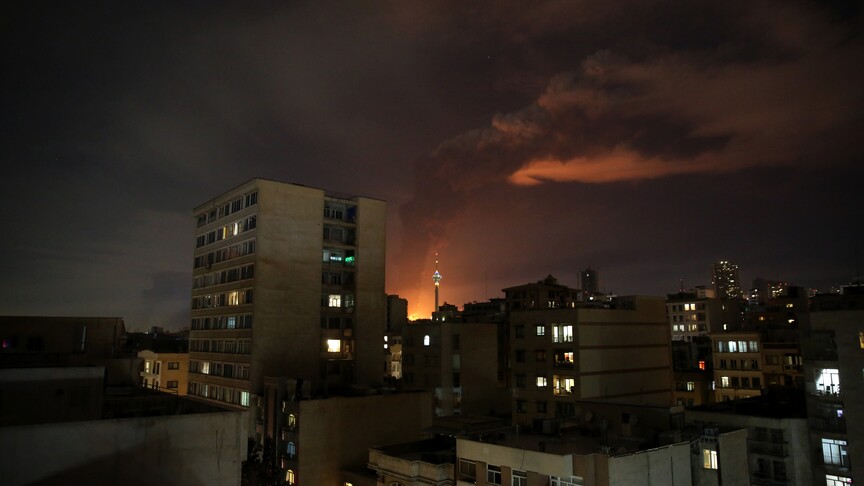
US forces are conducting a sustained campaign against Iranian military sites following the collapse of a ceasefire. The conflict has expanded to include retaliatory strikes in Kuwait and Jordan, impacting energy prices and shipping routes.
Airstrikes against Iranian military infrastructure have intensified following the deaths of U.S. service members, fueling regional volatility and rising oil prices.
US forces have intensified strikes on Iranian military infrastructure following a ceasefire collapse, leading to expanded regional hostilities.
National gas averages have climbed above $4 a gallon amid renewed U.S.-Iran hostilities and a naval blockade of the Strait of Hormuz. The price spike highlights growing global supply concerns as shipping volumes through the vital maritime chokepoint drop to three-week lows.
Military tensions between the U.S. and Iran have reached a critical threshold, triggering a surge in global energy prices and stalling traffic in the Strait of Hormuz. U.S. airstrikes continue against Iranian military facilities following the deaths of American service members.