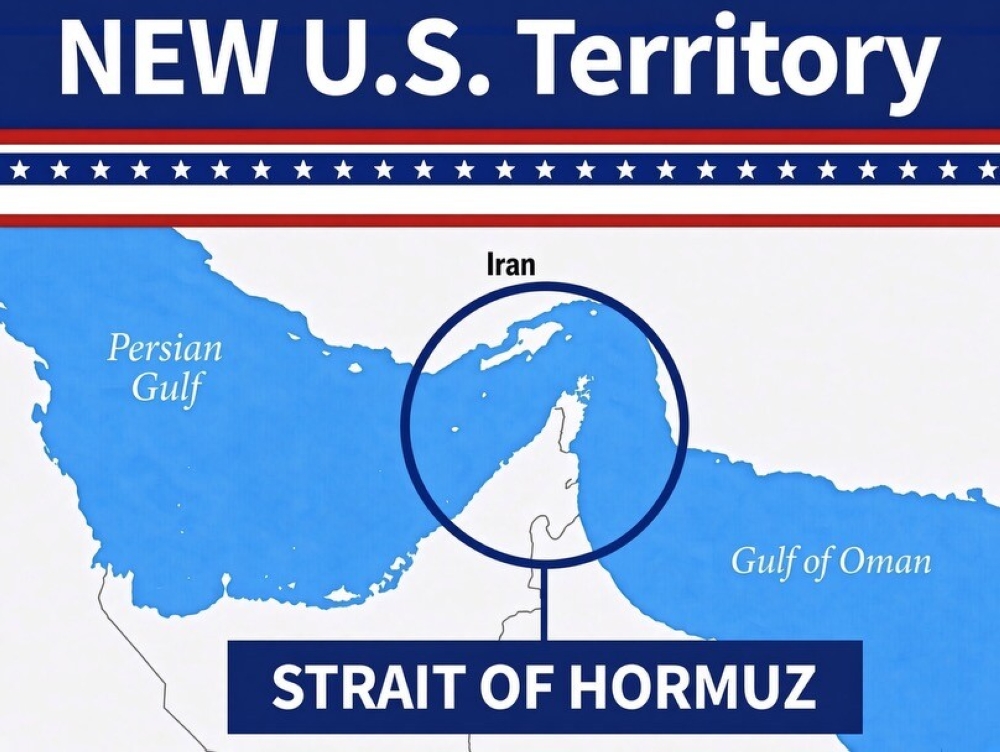
Qatari LNG Tanker Struck by Projectile in Strait of Hormuz, Bloomberg Reports
The GasLog Shanghai was heavily damaged off the coast of Oman as the White House suspended planned military strikes following diplomatic signals.
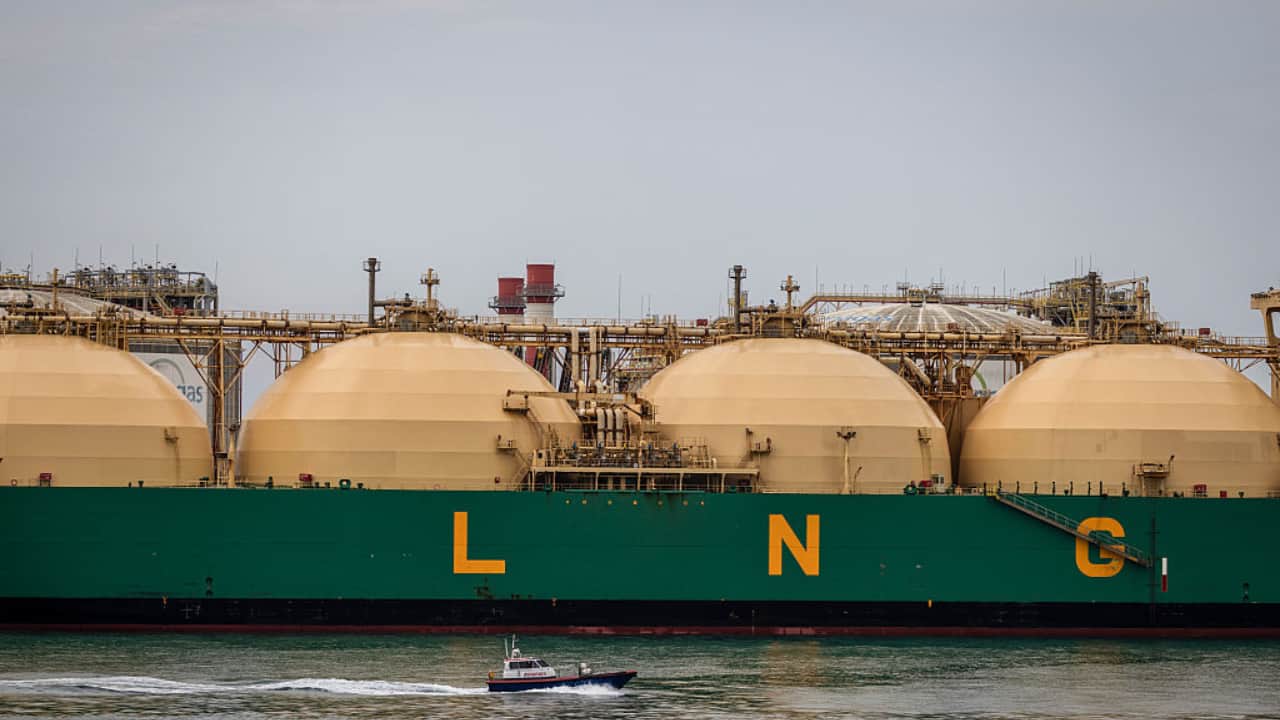
President Donald Trump announced he suspended planned military strikes against Iran just as an LNG tanker carrying Qatari gas was crippled in the Strait of Hormuz, exposing a stark fracture between Washington’s shifting diplomatic postures and the violent reality of the Gulf’s key energy corridor.
The security intelligence firms and ship-tracking data cited by Arab Times Online identified the stricken vessel as the GasLog Shanghai. The United Kingdom Maritime Trade Operations reported that the projectile strike off the coast of Oman heavily damaged the vessel's engine room, leaving it entirely unable to maneuver. Hours later, UKMTO logged a second incident when the master of another tanker reported a large splash and explosion in close proximity roughly 21 nautical miles northeast of Khasab, Oman. Maritime analytics firm Kpler noted that traffic through the passage has dropped sharply as operators reassess risks, though Iran continues to require vessels to secure permission before transiting the vital channel.
Related YouTube video

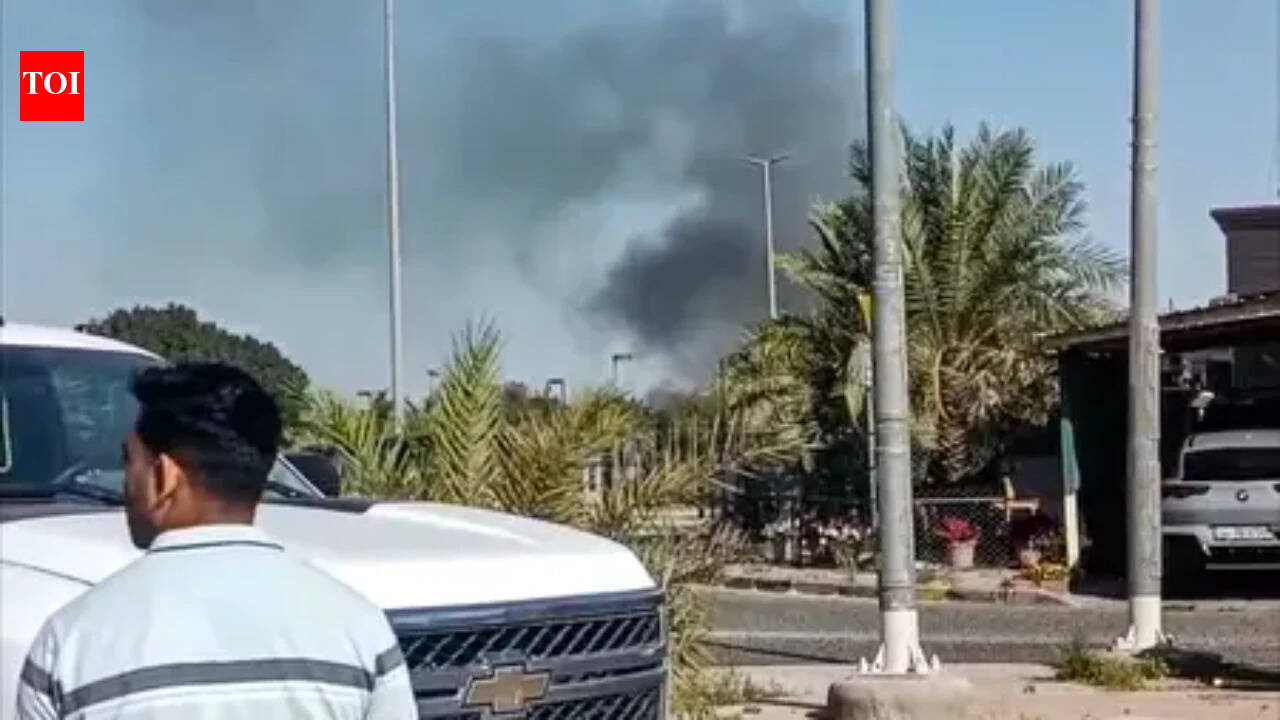
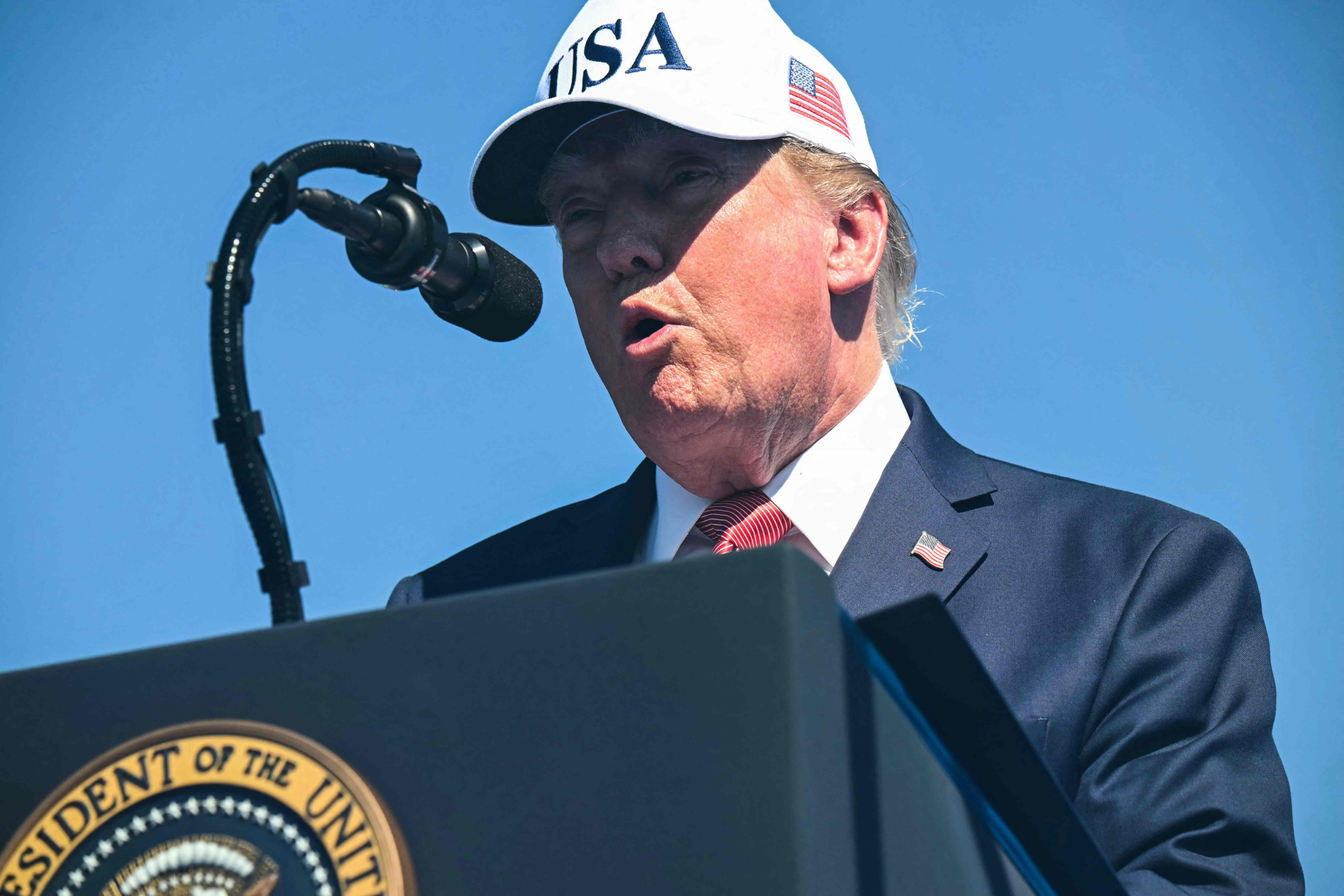
The physical attacks on commercial shipping unfolded alongside high-stakes diplomatic maneuvering. Trump stated on Truth Social that he agreed to halt a large-scale military operation after receiving requests from Iran and other Middle Eastern nations claiming the parameters of a deal had been agreed upon. According to Trump, the proposed framework includes the immediate, complete, and total opening of the Hormuz Strait alongside an end to Iran's nuclear threat. Yet retired Gen. Jack Keane dismissed the prospect of compliance during an appearance on Fox News, arguing that Tehran failed to honor the memorandum of understanding reached after an earlier April ceasefire.
The diplomatic contradiction is mirrored by acute military fallout across the wider region. Kuwait’s army reported destroying multiple hostile Iranian drones targeting vital domestic facilities, drawing swift condemnation from Bahrain’s foreign ministry. Simultaneously, Iran's Foreign Ministry warned that any nation permitting the United States or Israel to use its territory or military installations for attacks would face immediate retaliation, with Ali Abdollahi, head of Iran's military central command, warning that supporting nations would be engulfed by war.
Diplomatic Strains and Regional Escalations
The suspension of planned American military strikes coincided with a coordinated series of travel advisories issued by United States diplomatic missions across the Middle East. According to reporting from the Press Trust of India via the Times of India, U.S. Embassies in Bahrain, Iraq, Israel, Jordan, Kuwait, Lebanon, Oman, Qatar, Saudi Arabia, and the United Arab Emirates urged American citizens on Saturday, Aug. 1, 2026, to consider leaving the region or prepare to depart at short notice. The identical security alerts warned of an unforeseen escalation and pointed to attacks carried out without warning. Americans in Jordan were specifically advised to avoid U.S. Military bases that had come under Iranian missile fire, while those in Israel were instructed to identify nearby bomb shelters. Furthermore, the U.S. Embassy in Beirut remained under an ordered departure status for non-emergency government personnel.
The diplomatic standoff deepened as international actors offered sharply contrasting assessments of Tehran's willingness to negotiate. Pakistan's foreign ministry spokesperson, Tahir Andrabi, told reporters in Islamabad that his government was doing its utmost to bring all parties back to the Islamabad memorandum of understanding reached the previous month, according to statements cited by Agence France-Presse and reported by Fox News. Conversely, White House press secretary Karoline Leavitt stated that Iran had violated that truce by attacking commercial shipping and killing American soldiers, asserting that the administration would maintain pressure until Tehran returned to talks in a meaningful way. Retired Gen. Jack Keane similarly argued on Fox News that the regime had failed to honor previous commitments and would not comply with future agreements.
- U.S. Embassies across 10 Middle Eastern nations advised citizens to depart amid fears of an unforeseen escalation.
- Pakistan's foreign ministry reported ongoing mediation efforts to salvage the Islamabad memorandum of understanding.
- Kuwait's armed forces destroyed multiple incoming Iranian drones targeting domestic vital facilities, prompting condemnation from Bahrain's foreign ministry.
- Ali Abdollahi, head of Iran's military central command, warned that any nation permitting its territory to be used for attacks against Iran would be engulfed by war.
Amid the shifting diplomatic postures, economic pressure continued to mount as the Trump administration shared data highlighting the severe depreciation of the Iranian currency. Treasury policies and ongoing naval operations have coincided with a sharp decline in the value of the Iranian rial, dropping from roughly 900,000 rials per dollar in early 2025 to nearly 1.9 million rials per dollar, accompanied by surging inflation. Retired Vice Adm. Robert Harward described the campaign on Fox News as a potential last gasp for a desperate regime, noting that U.S. Military strikes have shifted from targeting missile launch sites to dismantling manufacturing infrastructure. As shipping analytics firm Kpler reported a steep reduction in maritime traffic through the vital energy corridor, operators and regional governments await the next step as the White House weighs its final decision on whether to launch a large-scale military offensive.
Archypedia is dedicated to independent, evidence-backed reporting. This briefing was synthesized from primary source reporting, corroborated across independent newsrooms, and verified against our Editorial Standards.
Transparency record
Evidence behind this report
This report synthesizes 4 distinct sources. Open the source ledger below to compare the underlying coverage.
Prepared under the Archypedia Editorial Policy by the Samir Haddad editorial desk profile. AI-assisted tools may support drafting and verification; public accountability remains with Archypedia. Report an error.