Gas prices top $4 a gallon as U.S.-Iran conflict escalates
National gas averages have climbed above $4 a gallon amid renewed U.S.-Iran hostilities and a naval blockade of the Strait of Hormuz. The price spike highlights growing global supply concerns as shipping volumes through the vital maritime chokepoint drop to three-week lows.
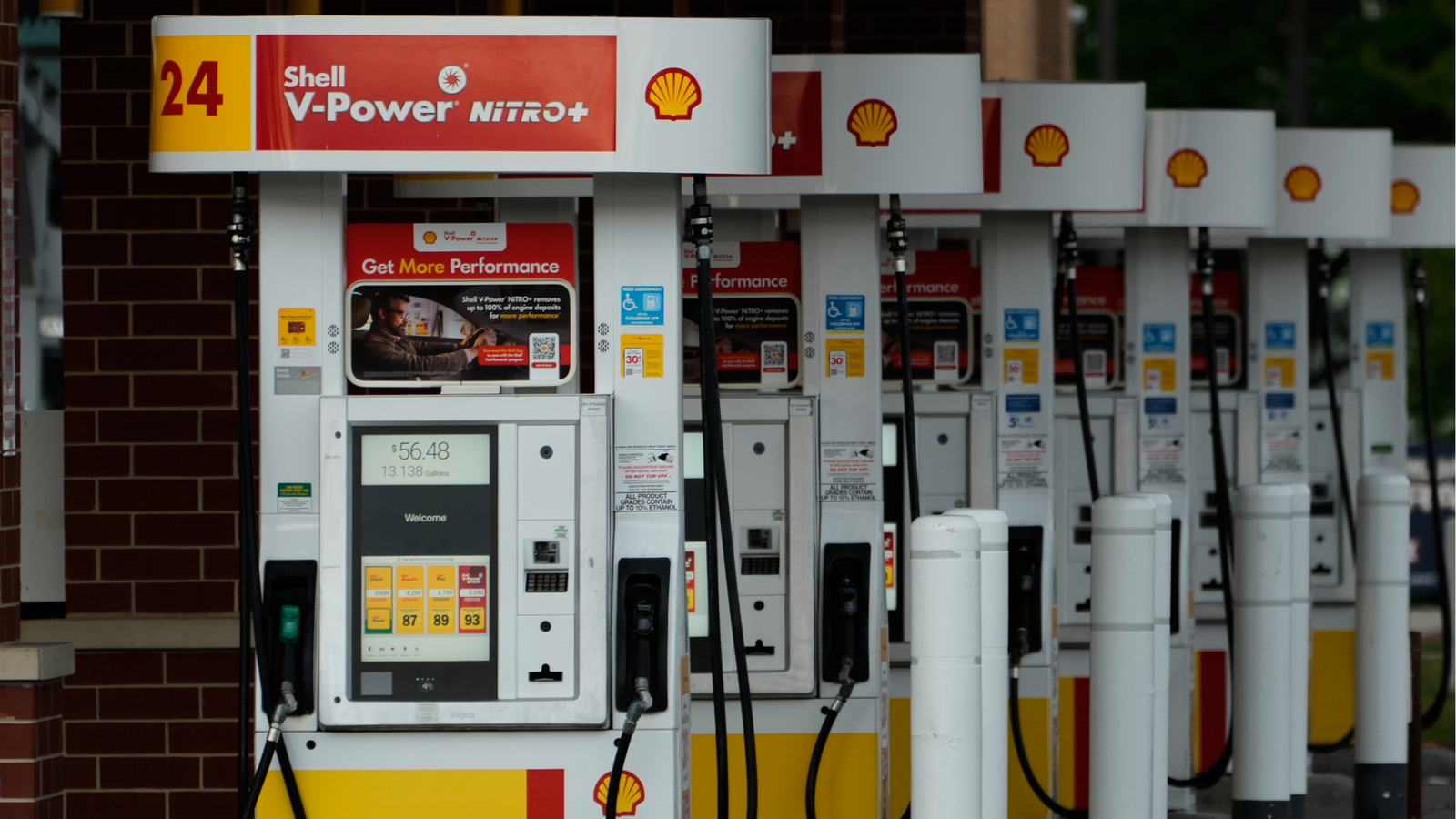
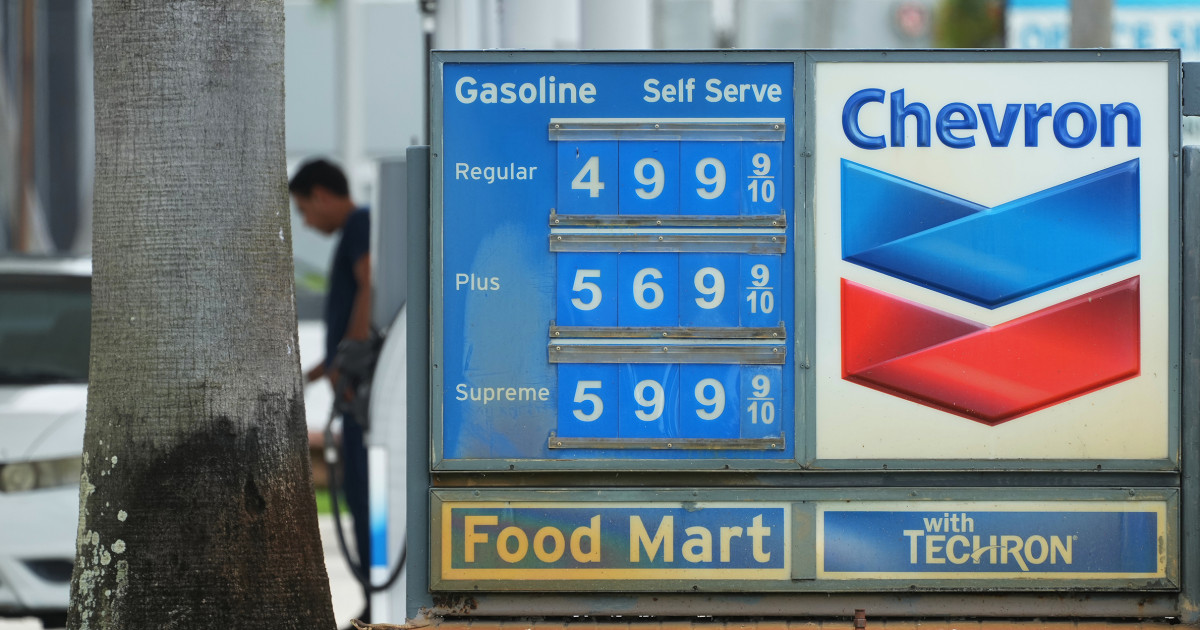
The national average price for a gallon of regular gasoline in the United States reached $4.003 on Monday, marking the first time in over a month that fuel costs have crossed the $4 threshold. This resurgence at the pump follows a period of brief moderation in June and signals a renewed volatility in the energy market driven by the escalating conflict between the U.S. And Iran.
The latest price increase reflects a 13-cent jump over the past week, according to data from AAA. This upward trend mirrors the sharp rise in global oil prices, which have been fueled by intensifying military hostilities. Brent crude, the international benchmark, rose 1% to $88.98 per barrel Monday, while benchmark U.S. Crude climbed 0.8% to $82.44 per barrel, according to Oilprice.com.
Related media

A Conflict Over the Strait
The core of the recent economic instability is the renewed struggle for control over the Strait of Hormuz, a maritime chokepoint through which approximately one-fifth of the world’s oil supply typically passes. The U.S. Military has resumed a naval blockade of the strait, reversing a key commitment made during an interim peace deal established in June. That tentative agreement had previously allowed energy markets to stabilize, helping bring gas prices below the $4 mark last month.
The shift back to open conflict began after the U.S. Revoked a sanctions waiver on Iranian oil earlier in July. Shortly thereafter, President Donald Trump announced that the ceasefire was over and that the U.S. Would reinstate the blockade against vessels transiting to or from Iranian ports. This decision followed a series of attacks on ships in the waterway, which Secretary of State Marco Rubio identified as the primary justification for the ongoing U.S. Strikes.
The military escalation has had a direct impact on shipping volumes. Data from MarineTraffic and Kpler indicates that ship crossings through the strait have fallen to a three-week low, with only 30 vessels transiting between Friday and Sunday. For comparison, the daily average before the war began was roughly 130 ships.
Broader Economic Impacts
The rising cost of crude oil is not the only factor affecting consumers. Diesel, which is essential for the transportation of groceries and other goods, reached a national average of $5.11 per gallon on Monday. Analysts at HSBC have also pointed to external pressures, noting that Ukrainian attacks on Russian energy infrastructure have further strained global fuel supplies. Russia, a major global exporter of diesel, has implemented export bans on refined products to meet its own domestic needs, tightening the global market even further.
Regional variations in gasoline prices remain stark. While the national average hovers at $4.003, drivers in states like California face costs near $5.50 per gallon, while residents in parts of the Midwest, such as Indiana, report prices closer to $3.35.
Political Implications
As the U.S. Approaches the midterm elections, fuel costs have become a central political issue.
"As the U.S. military degrades the terrorist Iranian regime's ability to attack commercial vessels and disrupt the free flow of energy through the Strait of Hormuz, oil and gas prices will plummet back to pre-conflict levels,"
Taylor Rogers, White House spokeswoman, via CBS News
Despite this official stance, voters are expressing significant concern. A Gallup poll released last month indicated that two-thirds of Americans view the cost of fuel as a source of household financial hardship.
What to Watch Next
- Shipping Volumes: Analysts are monitoring whether the current "standoff" over mandatory transit protocols and potential fees will result in a long-term shift in global maritime trade routes.
- Midterm Sentiment: With the election cycle approaching, the administration's ability to stabilize fuel costs is expected to be a recurring focal point for voters feeling the impact of inflation at the pump and in grocery aisles.
- Conflict Trajectory: Experts from S&P Global Energy have cautioned that even if a new ceasefire were achieved, it could take several months for oil production and supply chains to return to pre-conflict levels, with full recovery of Persian Gulf production not expected until 2027.
Archypedia is dedicated to independent, evidence-backed reporting. This briefing was synthesized from primary source reporting, corroborated across independent newsrooms, and verified against our Editorial Standards.
Transparency record
Evidence behind this report
This report synthesizes 11 distinct sources. Open the source ledger below to compare the underlying coverage.
- morningstar.com
- yahoo.com
- abc7news.com
- cbsnews.com
- finance.yahoo.com
- nbcnews.com
- apnews.com
- benzinga.com
- upi.com
- abcnews.com
- businesstimes.com.sg
Prepared under the Archypedia Editorial Policy by the Mara Ionescu editorial desk profile. AI-assisted tools may support drafting and verification; public accountability remains with Archypedia. Report an error.