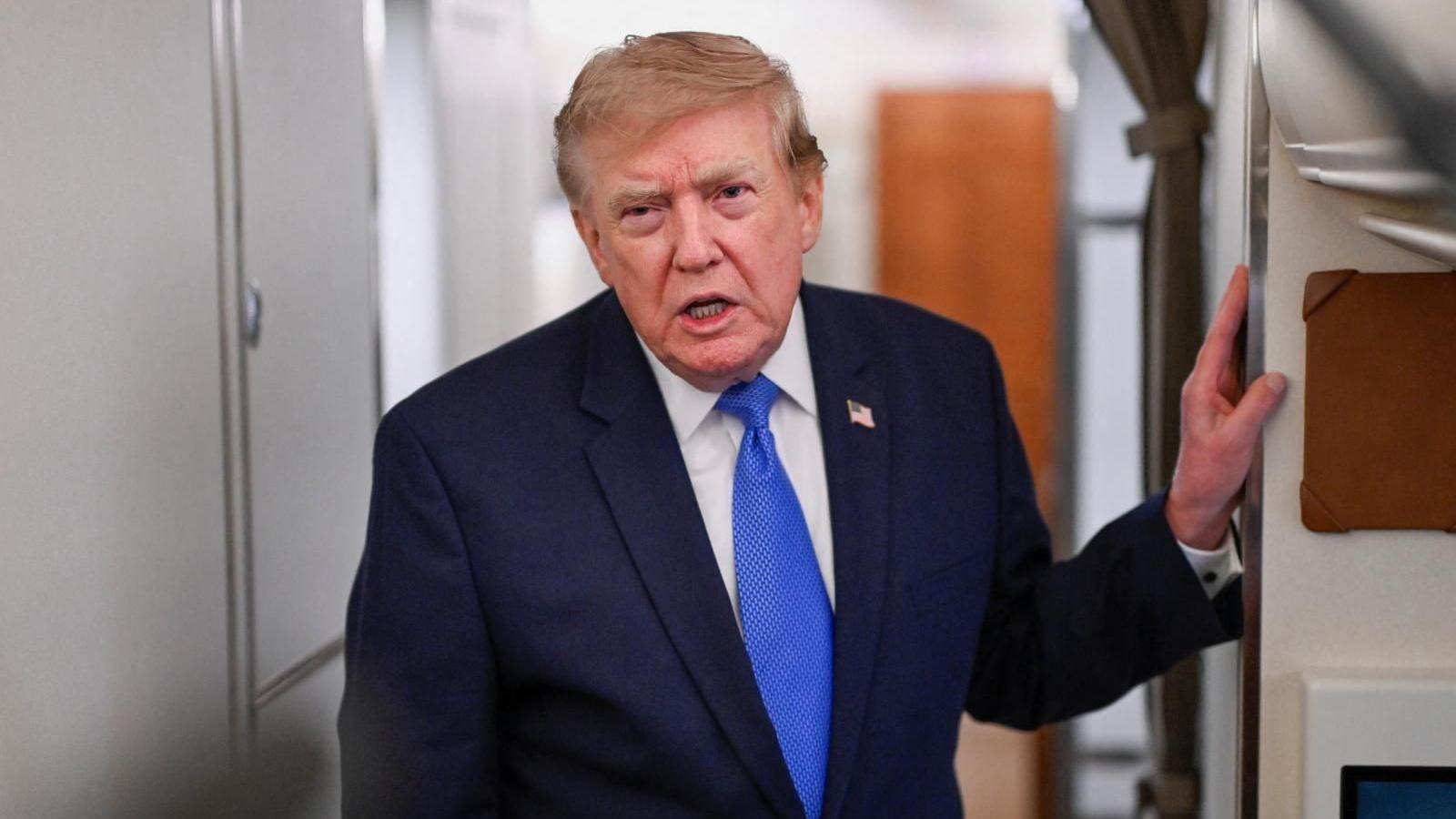
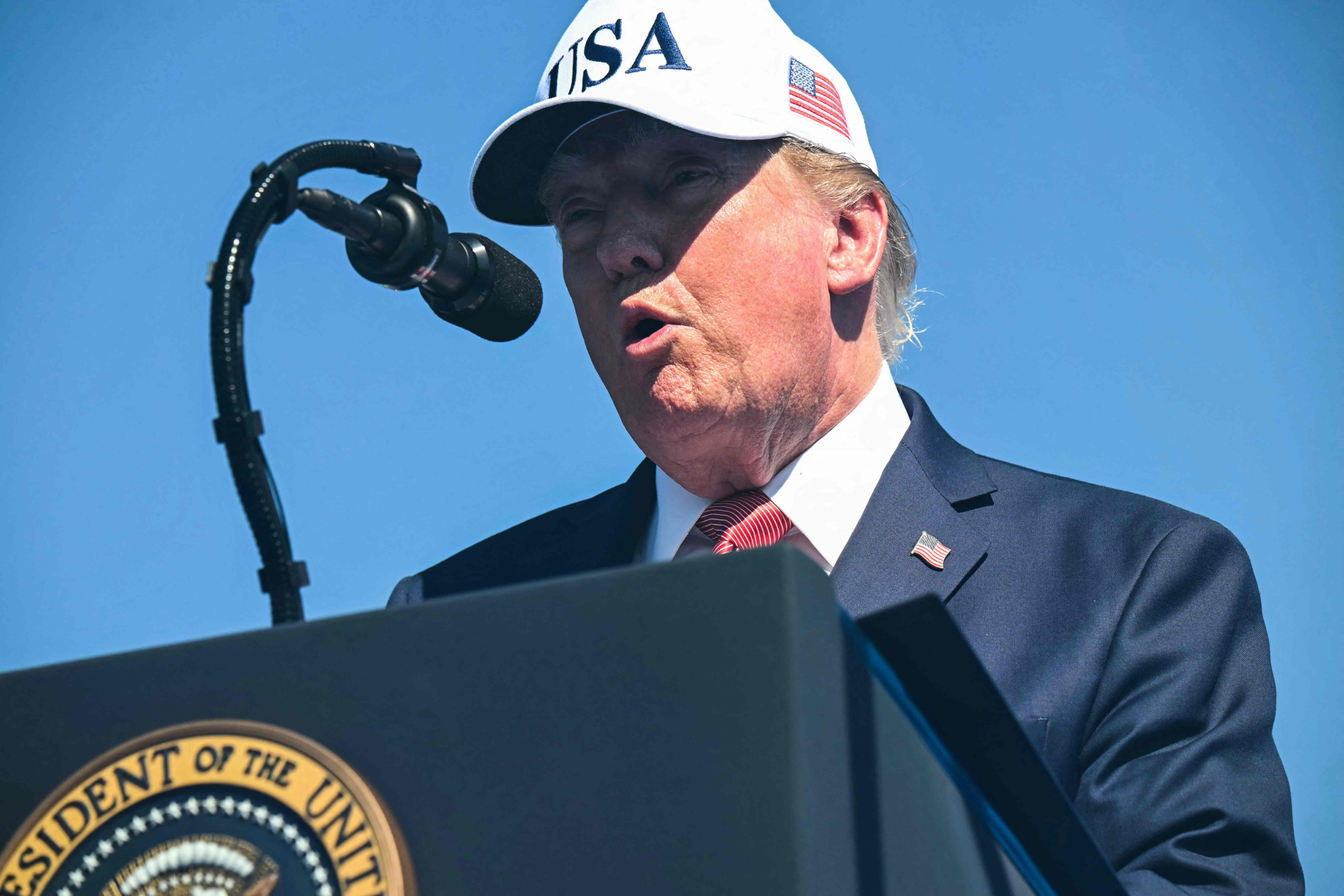
Trump announces new Iran negotiations to begin Monday afternoon
The diplomatic pivot follows pleas from Iran and regional allies, alongside reports of significant strain on U.S. military hardware inventories.
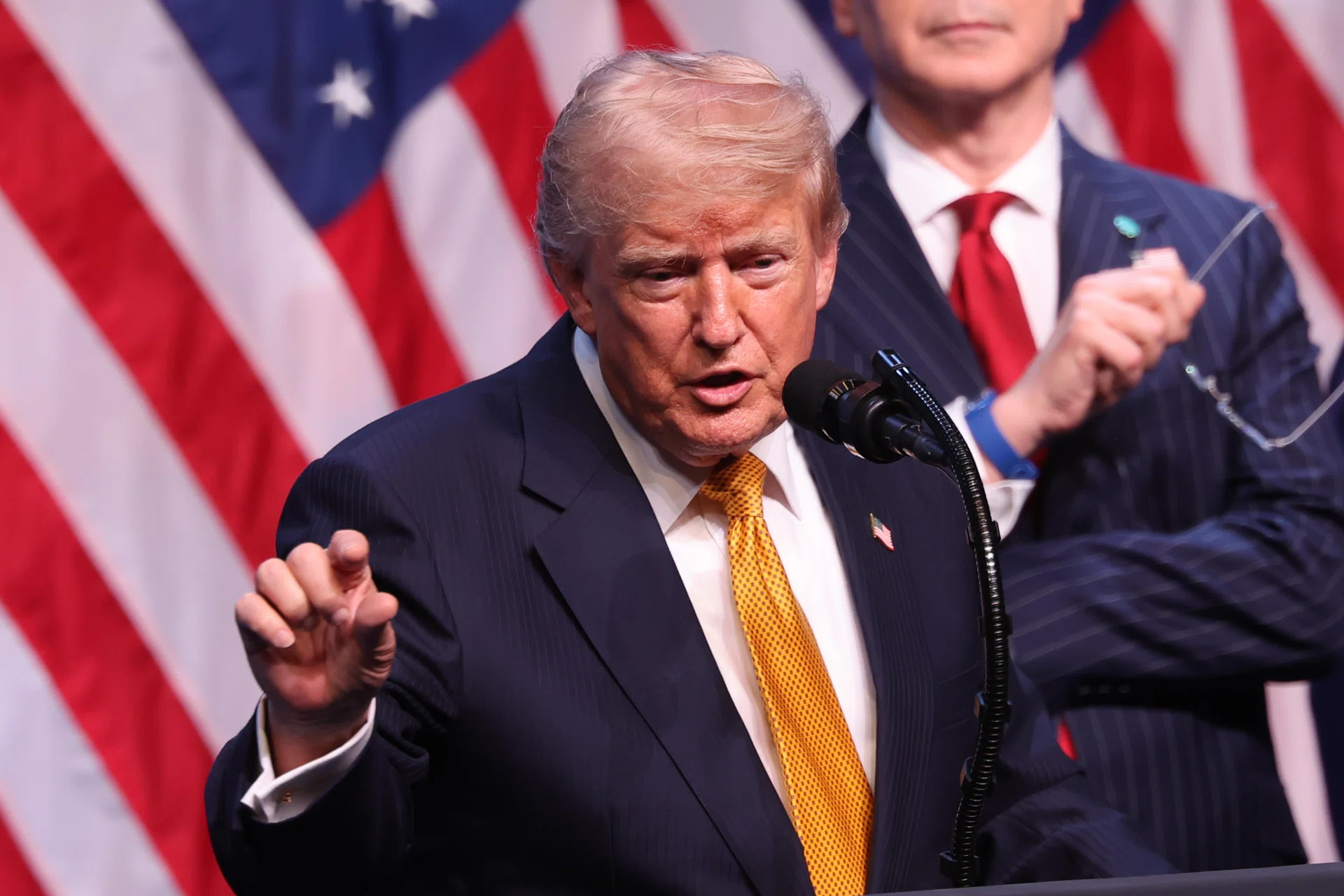
President Donald Trump has announced that new negotiations with Iran are scheduled to begin on the afternoon of Monday, August 3, 2026. The diplomatic pivot follows the president's decision to call off a planned military strike that he described as having the potential to be the biggest attack since World War II
.
According to Business Times and Fox News, Trump halted the operation after receiving pleas from Iran and regional allies, including the United Arab Emirates and Saudi Arabia. Speaking to reporters on Air Force One, Trump stated that Saudi Crown Prince Mohammed bin Salman preferred a deal over an attack, suggesting such an escalation could lead to a disaster where neighboring countries are flooded with people pouring into their country
.
Related YouTube video


The move toward diplomacy coincides with significant strain on U.S. Military hardware. A report from the Center for Strategic and International Studies found that U.S. Inventories of Patriot interceptors had dropped from 2,330 pre-war units to between 759 and 827 as of July 27. THAAD interceptors declined from 452 to 278 or fewer. CNN reports that extended naval deployments have further delayed essential maintenance and repairs for U.S. Assets.
Despite the pause, War Secretary Pete Hegseth posted on X that the Department of War remains locked and loaded
and that the decision to delay the strike did not diminish military readiness.
Energy markets reacted immediately to the news. Brent crude futures for October fell as much as 7.3 per cent to US$81.55 a barrel on Monday, according to Business Times, following a surge in July. Fox News reported Brent crude fell $5.52, or 6.28%, to $82.41 a barrel as of 2202 GMT, while U.S. West Texas Intermediate crude dropped $5.27, or 6.22%, to $79.40 a barrel.
The current volatility follows a June truce that collapsed in July. Although both sides paused strikes in late July, the lull ended on Tuesday night when Tehran launched what Trump described as a surprise attack, firing multiple ballistic missiles at a U.S. Military base in Jordan.
Strait of Hormuz and Nuclear Diplomacy
The administration is pursuing a dual-track diplomatic approach. While Trump's negotiators engage Tehran, separate talks between Iran and Oman are reportedly in their final stages. Iranian Foreign Minister Abbas Araghchi stated via Telegram that the two countries are discussing a new route through the Strait of Hormuz. However, his spokesman, Esmail Baghaei, clarified that these talks do not cover whether the strait will be open or closed, blaming the U.S. For the waterway's current closure.
Trump has suggested a deal on reopening the strait may be close and intends to pursue a path to end Iran's nuclear program. This effort may involve reviving a 14-point memorandum of understanding, which Iranian President Masoud Pezeshkian described as the center of gravity
for future foreign relations.
The diplomatic push occurs alongside a strict U.S. Naval blockade of Iranian ports. According to U.S. Central Command, the military had redirected 35 commercial vessels, disabled two, and boarded two others as of August 2, 2026. The blockade was initially imposed on April 13 and resumed on July 14.
Gaza Disarmament Friction
Regional stability is further complicated by a stalled roadmap for the disarmament of Hamas in Gaza. While Trump has proposed a plan for Hamas to decommission weapons in exchange for a phased Israeli withdrawal, Israeli officials have raised security concerns. Spokesperson Doron Spielman told Al Jazeera that forces will not redeploy until Hamas is physically disarmed to prevent another October 7-style attack.
Nickolay Mladenov, director general of the Board of Peace, reported that Israeli strikes over the weekend killed civilians and destroyed essential medical supplies in Gaza, complicating the implementation of the peace plan. Former Israeli diplomat Alon Pinkas told Al Jazeera that the process of disarming Hamas in exchange for withdrawal is untethered from reality
, noting the agreement does not specify the sequence of these actions.
When asked if Tehran faced a deadline to reach an agreement, Trump told Fox News, No. We'll just see — we'll just see how it is
.
How significant is this development?
Contribute your assessment to the aggregated reader intelligence ledger.
Archypedia is dedicated to independent, evidence-backed reporting. This briefing was synthesized from primary source reporting, corroborated across independent newsrooms, and verified against our Editorial Standards.
Transparency record
Evidence behind this report
This report synthesizes 5 distinct sources. Open the source ledger below to compare the underlying coverage.
Prepared under the Archypedia Editorial Policy by the Samir Haddad editorial desk profile. AI-assisted tools may support drafting and verification; public accountability remains with Archypedia. Report an error.