Oil prices slump as Trump cancels planned Iran attack and restarts talks
A shift in Middle East geopolitical risk has lowered energy costs and gilt yields, while a rare joint US-Japan intervention aims to stabilize the yen.

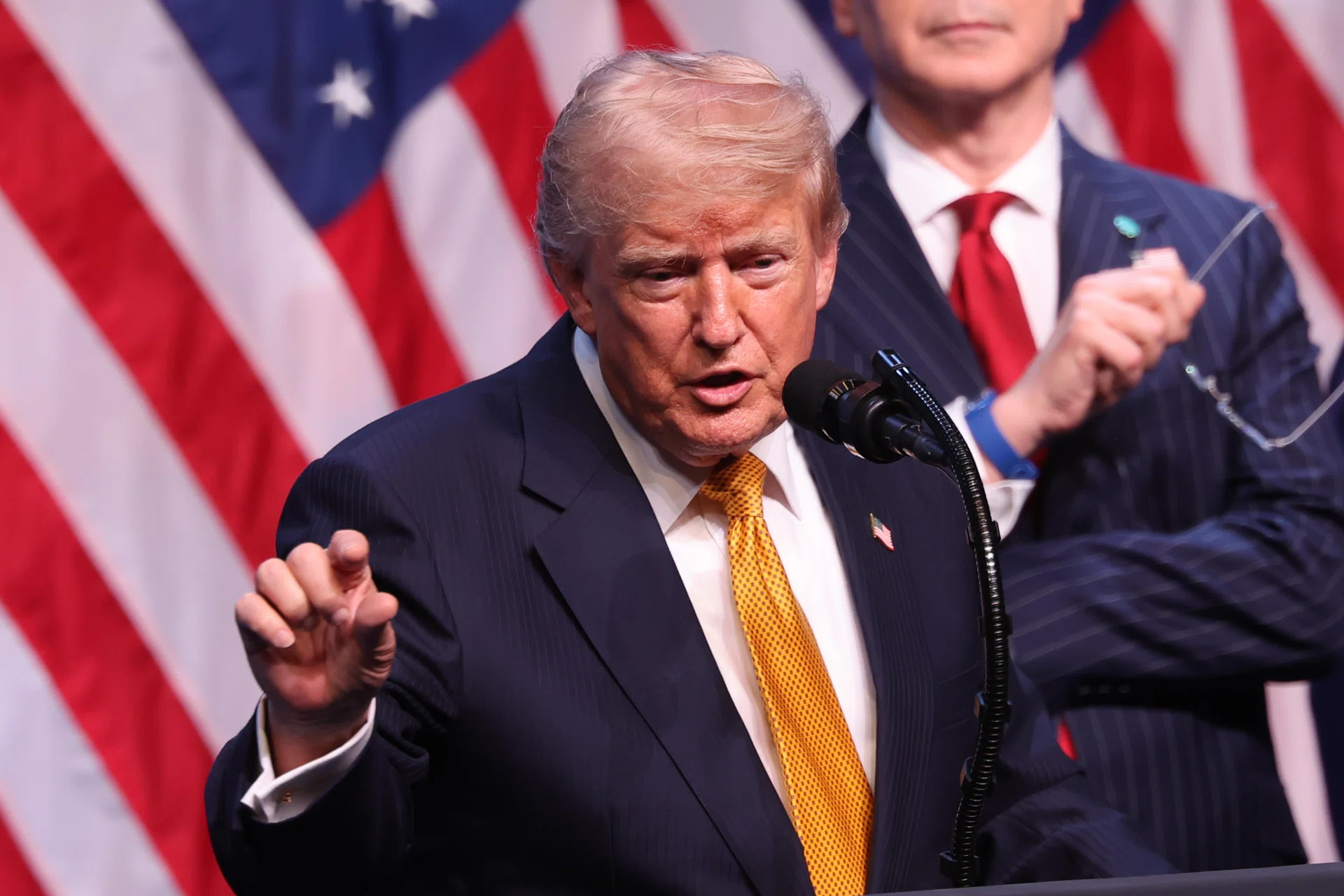
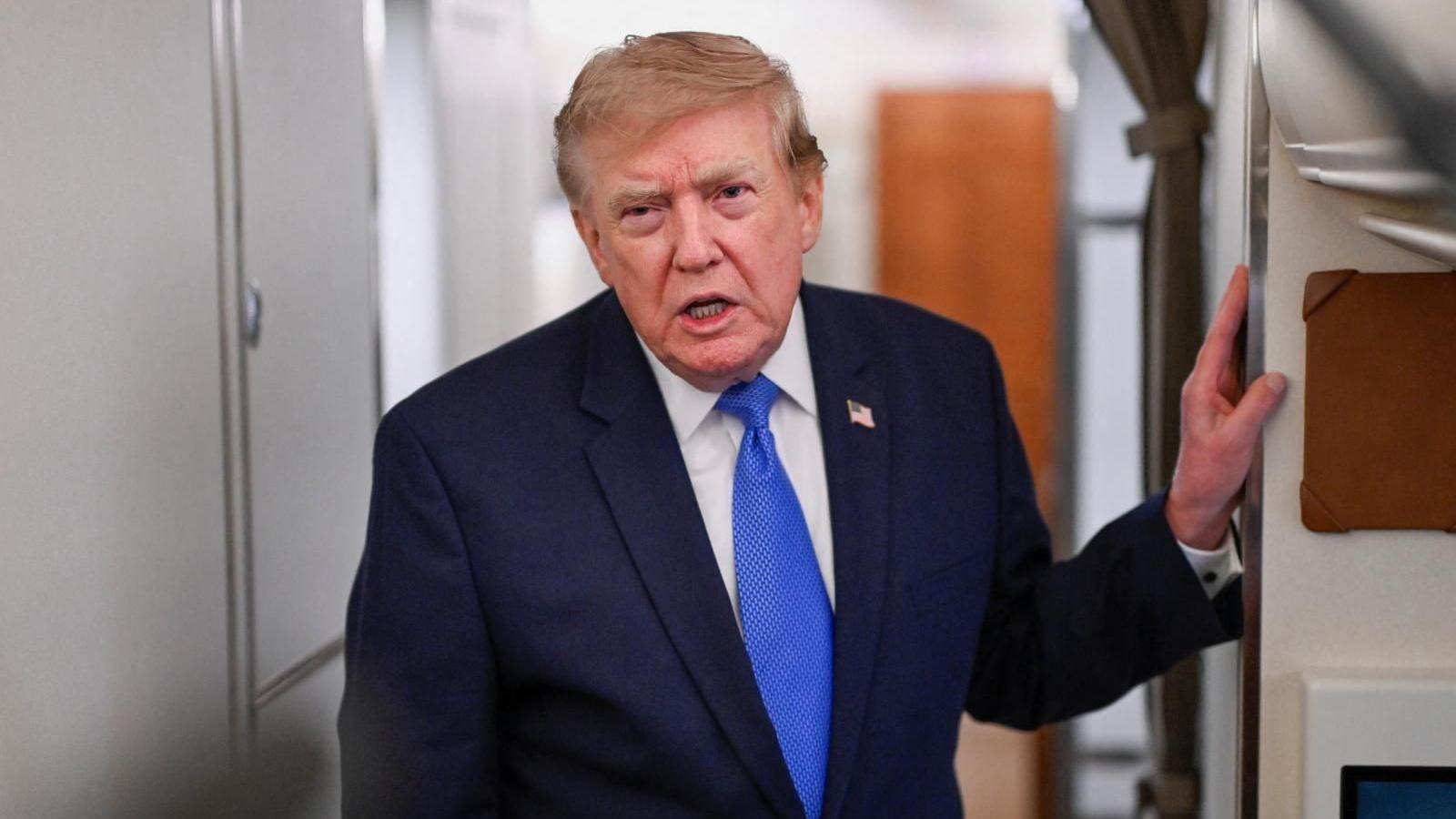
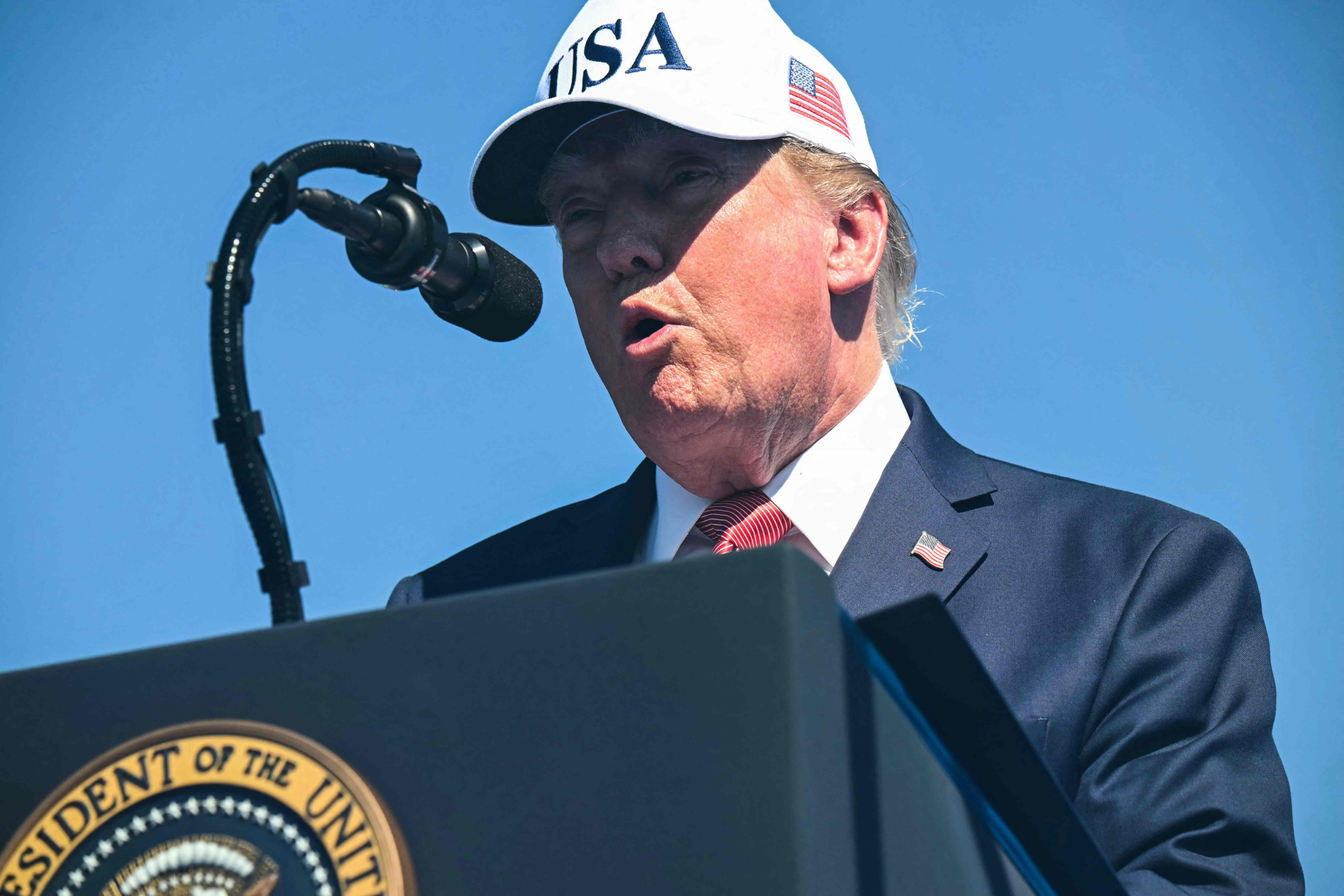
Front-month Brent crude plunged 5% to $84.40 and WTI futures dropped 6.1% on Monday, August 3, 2026, after President Donald Trump announced the cancellation of planned strikes on Iran.
While Washington claims talks to reopen the Strait of Hormuz began Monday afternoon, the breakthrough remains contested. Iranian officials disputed Trump's claims, though markets reacted to the prospect of a "diplomatic off-ramp," sending U.S. Stock futures higher and causing Treasury and gilt yields to slide.
Related YouTube video


According to Patrick Munnelly of Tickmill, the dip in oil prices reduced inflation fears and pushed UK bond yields lower, creating a "domestic rate-relief trade" that specifically benefited rate-sensitive sectors. In London, housebuilders saw a significant surge: Vistry shares rose 7.5%, while Bellway, Persimmon, and Taylor Wimpey climbed between 4.1% and 5%.
Falling gilt yields — with the two-year yield dropping nine basis points to 4.33% and the 10-year yield falling eight basis points to 4.98% — improve sentiment for housing stocks because lower long-term rates can ease mortgage-cost expectations and support affordability, according to Munnelly via Proactive Investors.
This volatility in energy and bonds coincided with a rare joint intervention by the U.S. And Japanese governments to shore up the yen, the first such coordinated move since 1998. The intervention sought to stop the yen from cratering after it hit a 40-year low, a slide that threatened to increase U.S. Interest rates and disrupt billions in Japanese investment flowing into the U.S.
The sudden surge of the yen, which fell from nearly 164 against the dollar last Thursday to around 157 on Monday, risks forcing traders to unwind the "carry trade." This mechanism involves borrowing cheap Japanese currency to fund higher-yielding assets elsewhere; a rapid unwind can drain global market liquidity and prompt Japanese investors to repatriate capital, potentially driving up U.S. Borrowing costs, according to Barclays forex analysts via Proactive Investors.
Pharma Divergence: The $400 Billion Question
Reports from the Financial Times indicated that AstraZeneca and Bristol Myers Squibb (BMS) have held preliminary merger talks that could create a joint entity valued at nearly $400 billion. The news sent AstraZeneca shares plunging as much as 7% in London, while BMS shares rose 6% in U.S. Premarket trading.
Market analysts expressed skepticism over the strategic logic of such a mega-merger. John Murphy of Bloomberg Intelligence noted that both companies possess overlapping oncology portfolios, which would likely trigger intense antitrust scrutiny. Furthermore, Jefferies analyst Michael Leuchten described the news as a "head scratcher," suggesting that pipeline assets could be sourced elsewhere and that using premium equity to acquire a low PE business would be "drastic."
The reported talks contrast with a broader industry shift. Matthew Weston of UBS noted that the sector has largely moved away from massive mergers, which can damage research productivity as staff focus on job security, toward "bolt-on" deals. These smaller acquisitions, such as AstraZeneca's purchase of Alexion, add new therapeutic adjacencies rather than overlapping operations.
Macroeconomic Pressures and Growth Forecasts
In China, manufacturing activity expanded at a slower pace in July, and official data showed a contraction for the first time in five months. ANZ Research suggests there is little prospect of reversing a structural decline in Chinese steel demand without targeted infrastructure support.
Simultaneously, global food inflation remains a persistent threat. A UBS report, "The End of Cheap Food?", suggests the historical global food inflation average of 2.5% may be obsolete. Climate-related supply shocks, including global heatwaves and a developing El Niño, could add between 0.9 and 3.2 percentage points to inflation in 2026.
For the United Kingdom, the economic stakes are tied directly to the maritime security of the Middle East. According to EY UK chief economist Peter Arnold, the trajectory of the national economy depends on the timeline of the Strait of Hormuz's reopening:
- If the strait reopens by the end of September: EY forecasts growth of 0.9% this year and 1.2% in 2027.
- If the strait remains closed: GDP could slow from 0.5% this year and shrink by 0.2% next year.
The resilience of the UK economy, which grew 0.6% in the first quarter of 2026 and 0.7% through May, now faces a critical window.
Diplomatic Shifts and Market Volatility
The sudden shift in geopolitical risk impacted more than just oil and bonds. Gold prices edged higher as inflation and interest-rate hike concerns eased, while iron ore futures declined. In the corporate sector, the turmoil in the Strait of Hormuz had previously provided a windfall for some; shipping services group Clarkson reported record first-half profits, with underlying pre-tax profit jumping 56% to £61.5 million on revenue of £413.5 million, according to company data via Proactive Investors.
Beyond the Middle East, the U.S. And Japanese coordinated intervention, the first of its kind since 1998, aimed to stabilize the yen after it hit a 40-year low. Barclays forex analysts told Proactive Investors that while the move was historic, the BoJ's July messaging suggests the next rate hike is most likely in October. However, the coordinated action and subsequent remarks from Treasury Secretary Bessent have increased the risk that the tightening timetable could be moved to September.
How significant is this development?
Contribute your assessment to the aggregated reader intelligence ledger.
Archypedia is dedicated to independent, evidence-backed reporting. This briefing was synthesized from primary source reporting, corroborated across independent newsrooms, and verified against our Editorial Standards.
Transparency record
Evidence behind this report
This report synthesizes 8 distinct sources. Open the source ledger below to compare the underlying coverage.
- proactiveinvestors.co.uk
- morningstar.com
- economictimes.indiatimes.com
- finance.yahoo.com
- ig.com
- business-live.co.uk
- ca.finance.yahoo.com
- uk.finance.yahoo.com
Prepared under the Archypedia Editorial Policy by the Elena Voss editorial desk profile. AI-assisted tools may support drafting and verification; public accountability remains with Archypedia. Report an error.