Explosions in Egypt port may signal spread of war
Explosions rocked a natural gas loading port on Egypt's coast after a drone strike hit a US-owned tanker, sharply escalating the regional conflict.

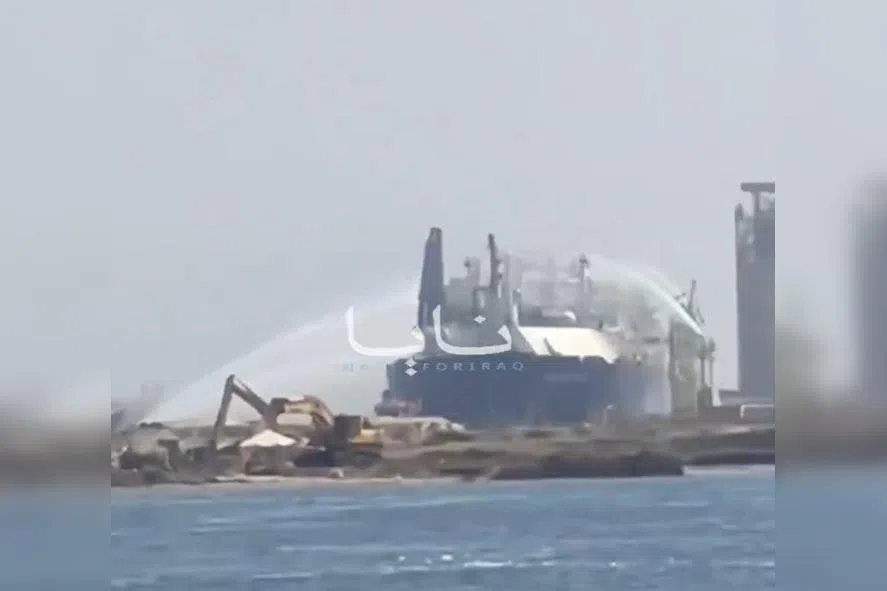
Explosions rocked a natural gas loading port on Egypt’s Mediterranean coast on Wednesday, 29 July 2026, marking a dramatic and alarming expansion of the regional conflict according to reports from The Advocate. British maritime security firm Ambrey reported that a United States-owned floating storage tanker docked at the facility had been struck by a drone.
The blast at Egypt's Damietta Port ignited a fierce fire while liquefied natural gas cargo was actively being handled. According to the Strait Times, port services firm Inchcape noted that two gas tankers caught fire during the incident. Trading sources familiar with the event identified the primary vessel struck as the Energos Winter, a floating storage and regasification unit operated by US-based Energos Infrastructure and managed by Wilhelmsen Ship Management. The vessel features a storage capacity of one hundred thirty-eight thousand, two hundred and fifty cubic metres. The resulting blaze quickly spread to a second vessel, identified as the Gaslog Salem.
Related media

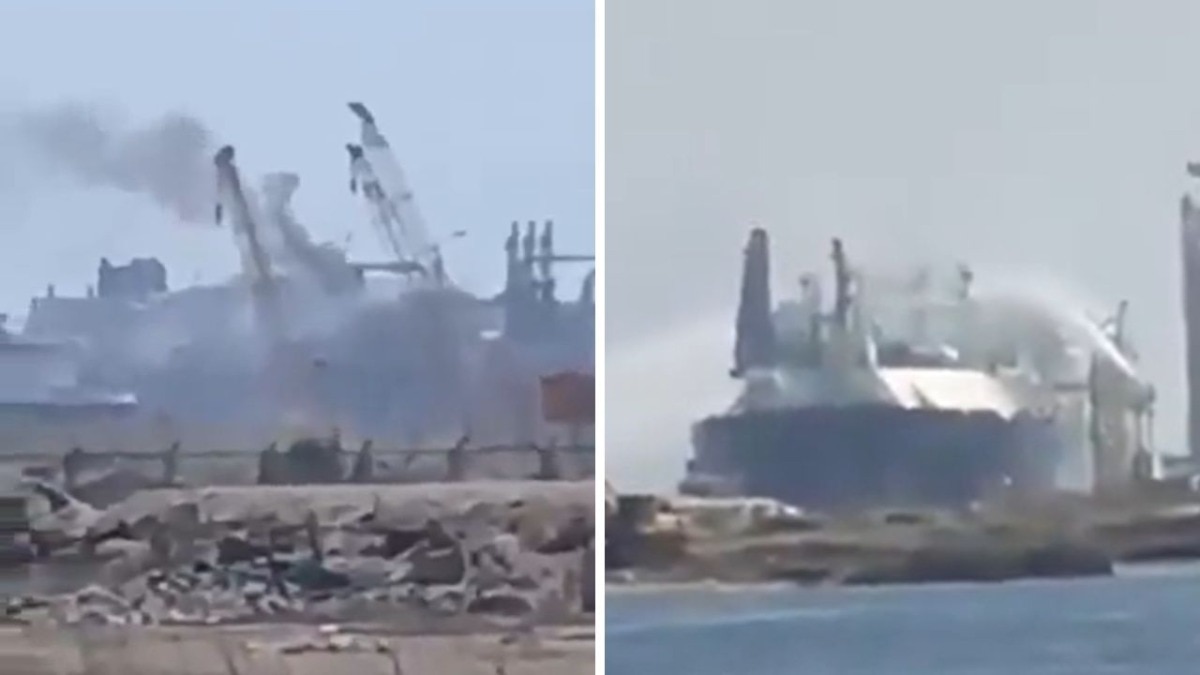
While security analysts viewed the port explosions as a widening of the Middle East war, official responses varied. Egypt's petroleum ministry confirmed that a fire broke out on a gasification vessel and a storage vessel at the port, stating that the situation was handled immediately under approved emergency response plans. Petroleum Minister Karim Badawi traveled to the site to oversee firefighting and safety teams. However, the ministry's statement made no mention of a drone strike or external attack. There was no immediate claim of responsibility for the port incident, and port officials reported no injuries or fatalities.
The Mediterranean port explosion unfolded against a backdrop of widespread escalation across the Middle East. Earlier on Wednesday, 29 July 2026, the United States and Saudi Arabia carried out joint air strikes against Iran-backed paramilitary groups in Iraq. The joint operation marked the first time Riyadh publicly joined strikes alongside Washington, threatening to draw Sunni-majority Saudi Arabia directly into combat against Iran's Shi'ite proxies on a new front. Iraq's Popular Mobilisation Forces reported that at least twenty members were killed and thirty-two wounded across several targeted bases. Footage broadcast by Al-Ahad television showed grieving crowds carrying body bags out of a Mosul hospital while chanting anti-American slogans. The Iraqi presidency denounced the strikes as an unacceptable violation of sovereignty, while the office of Prime Minister Ali al-Zaidi urged parties to avoid escalation.
Tensions also spiked sharply around energy shipping lanes and military installations. Iran confirmed overnight that it had fired ballistic missiles at US military installations in Jordan and targeted commercial shipping in the Strait of Hormuz. Tehran also rejected an Omani proposal to jointly manage the strategic waterway. Brent crude futures surged by more than eight per cent, pushing the benchmark well above ninety dollars a barrel and reversing a recent price plunge that followed an unexpected, temporary halt to US air strikes.
Key Escalation Events on 29 July 2026
- Damietta Port, Egypt: A drone struck the US-owned floating storage tanker Energos Winter, sparking a fire that spread to the Gaslog Salem.
- Iraq: Joint US-Saudi air strikes targeted Iran-backed Popular Mobilisation Forces, resulting in reported casualties and drawing rare public participation from Riyadh.
- Jordan and Strait of Hormuz: Iran confirmed missile attacks on US bases in Jordan—where three US service members were killed earlier in the month—and strikes on unauthorized shipping in the Hormuz Strait.
- Global Markets: Brent crude oil futures jumped past ninety dollars a barrel in one of the sharpest price spikes of the five-month conflict.
The sudden violence dashed hopes for a durable cooling of hostilities. President Donald Trump, whose administration launched Operation Epic Fury in February, vowed to retaliate fiercely against Tehran via Fox News:
"We'll be hitting them hard," Fox News quoted Trump as saying. "We're going to beat the fucking shit out of them."
Donald Trump, US President, via Fox News and The Advocate
The renewed military campaign follows the collapse of a brief US-Iran interim deal and shatters a temporary bombing pause enacted just days prior. As the conflict broadens from the Gulf into the Mediterranean, international observers and energy markets remain on high alert for further retaliation.
Archypedia is dedicated to independent, evidence-backed reporting. This briefing was synthesized from primary source reporting, corroborated across independent newsrooms, and verified against our Editorial Standards.
Transparency record
Evidence behind this report
This report synthesizes 6 distinct sources. Open the source ledger below to compare the underlying coverage.
Prepared under the Archypedia Editorial Policy by the Samir Haddad editorial desk profile. AI-assisted tools may support drafting and verification; public accountability remains with Archypedia. Report an error.