Houthis attack Saudi oil tankers as US intensifies strikes on Iran
Houthi militants struck Saudi-flagged vessels amid an intensifying military conflict between the United States and Iran. This escalation has caused Brent crude prices to reach $100 per barrel.
Tensions in the Middle East escalated sharply on Thursday, as the conflict expanded to the Red Sea. The Houthi movement in Yemen, an Iran-backed faction, claimed responsibility for striking two Saudi-flagged oil tankers with missiles and drones. This development coincided with the 12th consecutive night of U.S. Strikes against Iran.
The Saudi Press Agency confirmed that one of the vessels, the Encelia, sustained a fire at its bow while navigating the Red Sea. The UK Maritime Trade Operations agency reported that the strike occurred approximately 130km (70 nautical miles) south-west of al-Shuqaiq. While Houthi military spokesman Yahya Sarea identified the second targeted vessel as the Layla, there has been no independent confirmation regarding the status of that tanker.
Related media
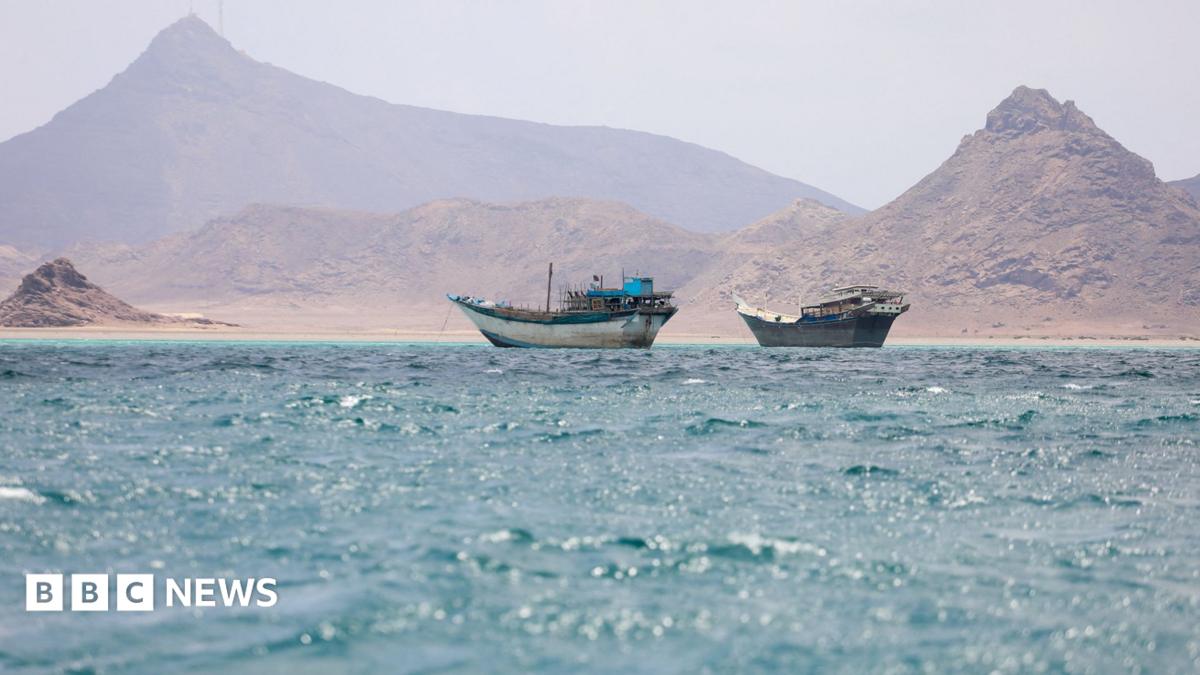
The attacks on the tankers follow the Houthis' recent announcement of a maritime blockade against Saudi Arabia. Sarea stated the move was retaliation for Saudi actions in north-western Yemen and an earlier airstrike on Sanaa airport.
Regional and Global Response
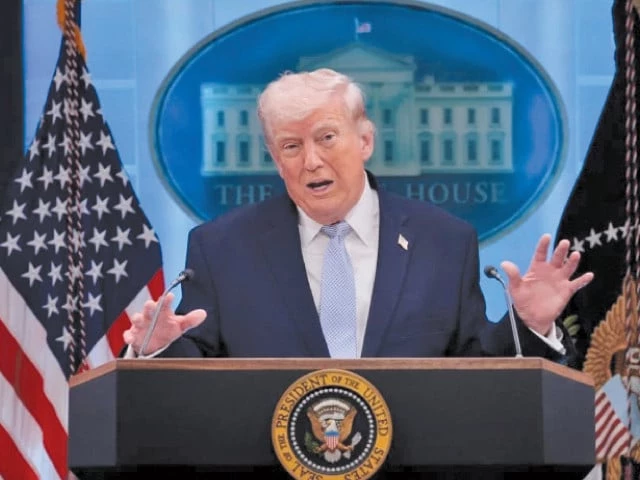
President Donald Trump issued a warning on Thursday, stating that the U.S. Would hold Iran responsible for the Houthi actions, characterizing the rebels as a proxy force. He cautioned that if such attacks recur, the U.S. Would inflict "major military punishment" upon both the Houthis and Iran.
U.S. Secretary of State Marco Rubio reiterated the administration's stance, suggesting that the Houthis had been "suckered" into the conflict by Tehran. Meanwhile, Kaja Kallas, the European Union's High Representative for Foreign Affairs, condemned the strike on the tanker as an "unacceptable" escalation that threatens the freedom of navigation in both the Red Sea and the Strait of Hormuz.
The conflict has significantly impacted global energy markets. Brent crude prices reached $100 per barrel, marking their highest level since the end of May.
Escalation in Iran and Beyond
In response to the ongoing U.S. Airstrikes, the Islamic Revolutionary Guard Corps (IRGC) claimed to have targeted U.S. Military facilities in Kuwait and Jordan. Both nations reported the interception of incoming missiles and drones. Jordanian military sources confirmed that three missiles and six drones were downed, with one additional missile impacting an uninhabited area.
The U.S. Military has continued to strike targets across Iran, including maritime capabilities, drone storage, and coastal surveillance sites. Iranian state media reported two fatalities resulting from a strike. The IRGC has issued direct warnings to the United Kingdom, labeling any base utilized in the U.S.-led operation as a "legitimate target." The UK government stated its armed forces remain prepared to ensure national safety, confirming that it had extended an agreement allowing U.S. Forces to operate from British bases for the "collective self-defence of the region."
What to Watch Next
- Potential Shift in U.S. Tactics: President Trump’s statements suggest a possibility of moving beyond strikes on military assets toward infrastructure, including potential threats to power plants or bridges.
- Shipping Security: With the Encelia incident, focus shifts to whether international maritime traffic will continue to utilize the Bab al-Mandab Strait or if more carriers will opt for the longer route around southern Africa.
- Normalization Agreements: The U.S. Has linked a commercial nuclear deal with Saudi Arabia to the kingdom's potential entry into the Abraham Accords, adding a geopolitical layer to the ongoing energy crisis.
As of late Thursday, diplomatic staff from the UK have been withdrawn from Iran.
Archypedia is dedicated to independent, evidence-backed reporting. This briefing was synthesized from primary source reporting, corroborated across independent newsrooms, and verified against our Editorial Standards.
Transparency record
Evidence behind this report
This report synthesizes 4 distinct sources. Open the source ledger below to compare the underlying coverage.
Prepared under the Archypedia Editorial Policy by the Samir Haddad editorial desk profile. AI-assisted tools may support drafting and verification; public accountability remains with Archypedia. Report an error.