Iran war widens to Red Sea and Caspian despite pause in US strikes
The armed conflict involving Iran has expanded into the Red Sea and Caspian Sea despite a temporary halt in U.S. airstrikes, drawing in Ukraine and threatening vital energy infrastructure.
The armed conflict involving Iran has pushed past its original Persian Gulf containment, opening new and volatile fronts in both the Red Sea and the Caspian Sea. This geographical expansion comes despite a sudden operational pause by Washington, which halted its aerial bombardment following thirteen consecutive nights of strikes, according to reporting by Investing.com and Reuters.
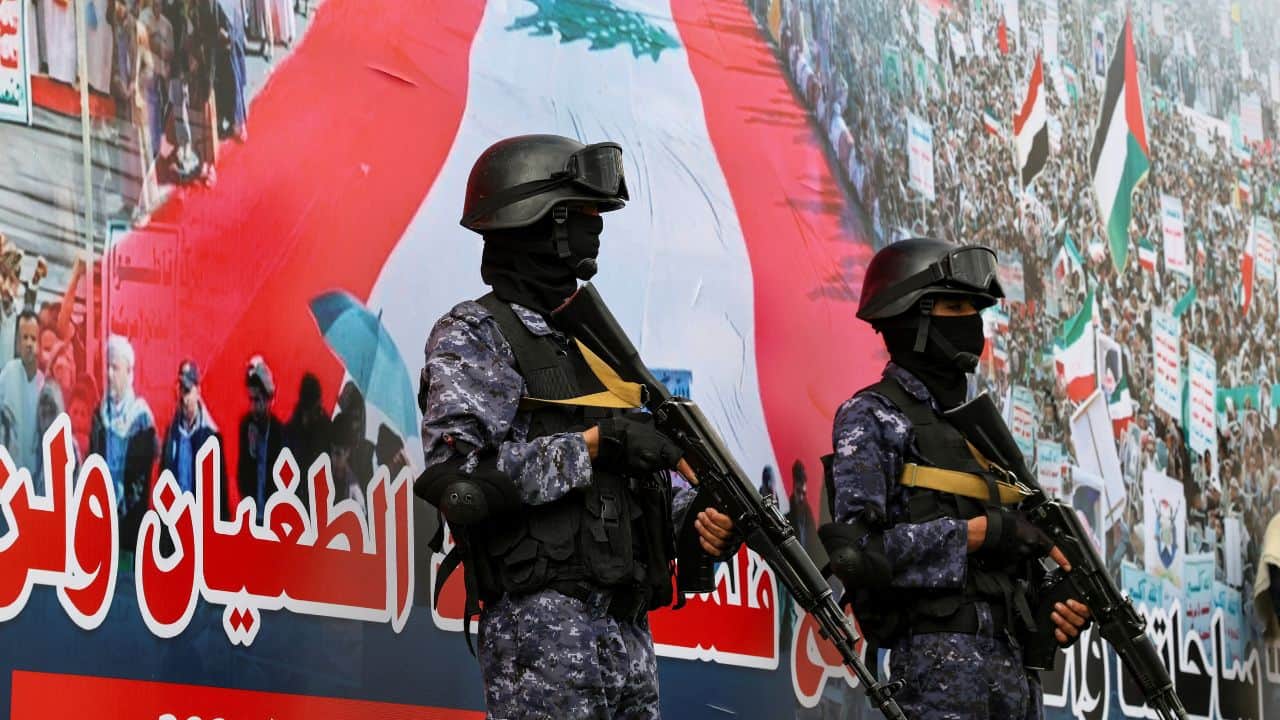
While direct U.S. Airstrikes paused, American naval forces maintained a strict blockade of Iranian shipping routes, leaving the blockade in full effect while redirecting commercial vessels. A senior Trump administration official told Yahoo News that President Donald Trump still prefers a diplomatic resolution, though Washington insists Tehran has been shown the severe consequences of refusing serious negotiations. On the ground, however, local hostilities intensified. Iran-aligned Houthi forces launched aggressive drone and missile strikes against Saudi Aramco energy infrastructure located in Jizan and Yanbu, threatening critical regional petroleum export pathways.
Related media
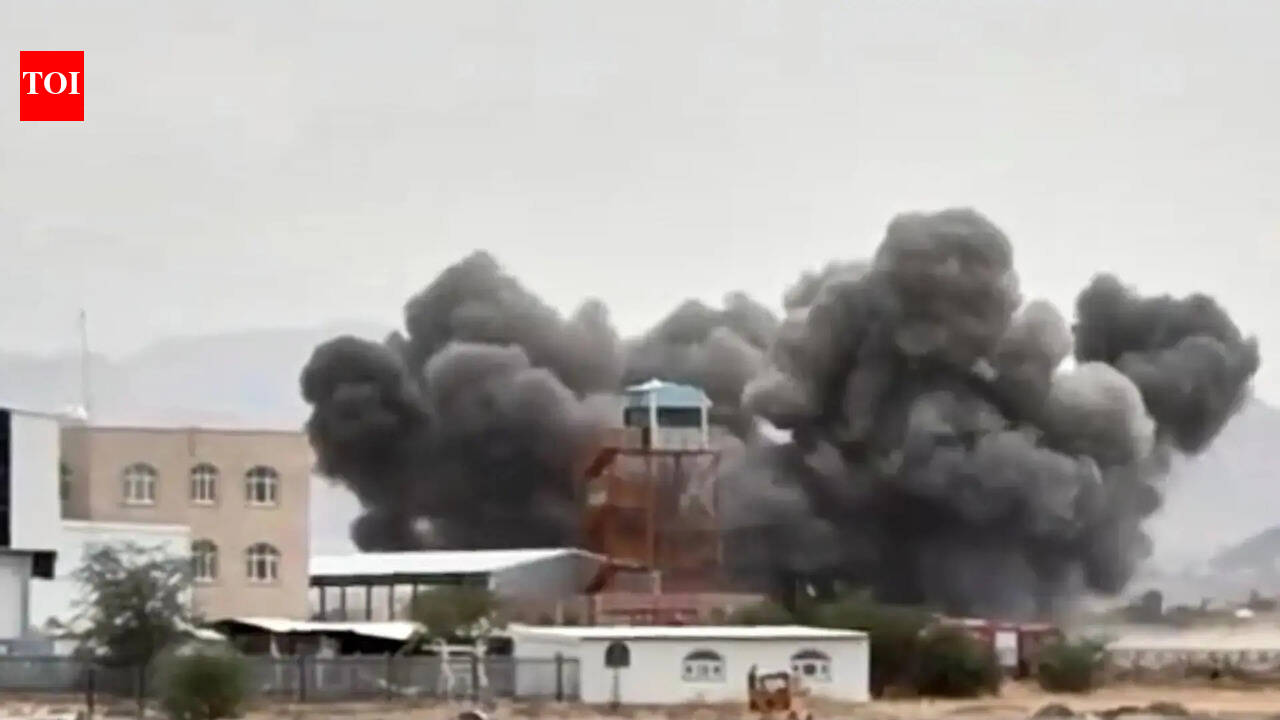
Video footage broadcast from the region showed thick plumes of smoke billowing near the Jizan refinery, a facility capable of processing up to 400,000 barrels daily. Two separate missiles aimed at Yanbu were successfully intercepted by a Patriot missile defense battery operated by Greek forces. As Yahoo News notes, Yanbu serves as an essential alternative export route designed to bypass the contested Strait of Hormuz. In response to the Houthi escalation, Saudi-backed Yemeni forces launched counter-strikes targeting insurgent launch sites and munitions depots in Marib and al-Jawf, igniting fears that Yemen's fragile 2022 ceasefire could completely collapse.
The widening theater also pulled in external international actors. In the Caspian Sea, a commercial vessel owned by Iran was struck by an explosion, leaving one sailor dead and another injured. Tehran quickly blamed Ukraine for the attack. Ukrainian President Volodymyr Zelenskyy confirmed that Kyiv carried out long-range strikes targeting Iranian warships and vessels suspected of ferrying military cargo. Zelenskyy further claimed that Moscow has been assisting Tehran's military operations by supplying vital satellite intelligence covering U.S. Military bases and Gulf state locations, linking the broader Middle East conflict directly to the ongoing war in Eastern Europe. This prompted formal protests from Tehran, which summoned Ukraine's charge d'affaires.
Diplomatic channels remain fractured and contradictory. Iranian Foreign Minister Abbas Araghchi accused Washington of deliberately violating the bilateral memorandum of understanding by forcing commercial vessels away from designated transit corridors in the Strait of Hormuz. Meanwhile, Iranian state media outlets and military officials traded sharp rhetoric with Western leaders. Army spokesperson General Abolfazl Shekarchi described the situation for America as chaotic and undesirable, while Brigadier General Mohammad Reza Akraminia asserted that Iranian forces targeted American military installations located in Jordan, Kuwait, and Bahrain in direct retaliation. Adding to the ideological escalation, the hardline Tehran newspaper Kayhan published an editorial characterizing the ongoing hostilities with the United States and Israel as an existential struggle, demanding blood vengeance to protect Supreme Leader Ayatollah Ali Khamenei.
Despite the fiery rhetoric, regional diplomacy has not entirely stalled. Omani intermediaries held high-level talks with Iranian officials in Tehran, with regional sources telling CBS News that negotiations regarding the potential reopening of the Strait of Hormuz are showing positive momentum. Simultaneously, domestic pressures continue to mount inside Iran, where authorities have officially ruled out immediate water rationing despite severe supply strains leaving dams serving Tehran at only a fraction of their total storage capacity.
Current Conflict Flashpoints
- Strait of Hormuz: Subject to an ongoing U.S. Naval blockade and fierce disputes over transit corridors and memorandum violations, though Oman-mediated diplomatic talks show signs of early progress.
- Red Sea and Yanbu Corridor: Houthi missile and drone attacks target Saudi oil facilities, prompting counter-strikes in Yemen and widespread condemnation from Gulf neighbors including Kuwait.
- Caspian Sea: Newly opened maritime front where Ukrainian long-range drone and missile strikes target Iranian military shipments and a warship, drawing fierce protests from Tehran.
As international markets and regional governments monitor the fragile diplomatic pause, global energy supplies remain highly vulnerable to further disruption across multiple maritime chokepoints.
Archypedia is dedicated to independent, evidence-backed reporting. This briefing was synthesized from primary source reporting, corroborated across independent newsrooms, and verified against our Editorial Standards.
Transparency record
Evidence behind this report
This report synthesizes 4 distinct sources. Open the source ledger below to compare the underlying coverage.
Prepared under the Archypedia Editorial Policy by the Samir Haddad editorial desk profile. AI-assisted tools may support drafting and verification; public accountability remains with Archypedia. Report an error.