US military launches fresh wave of strikes across Iran amid naval conflict
US forces have intensified strikes on Iranian military infrastructure following a ceasefire collapse, leading to expanded regional hostilities.
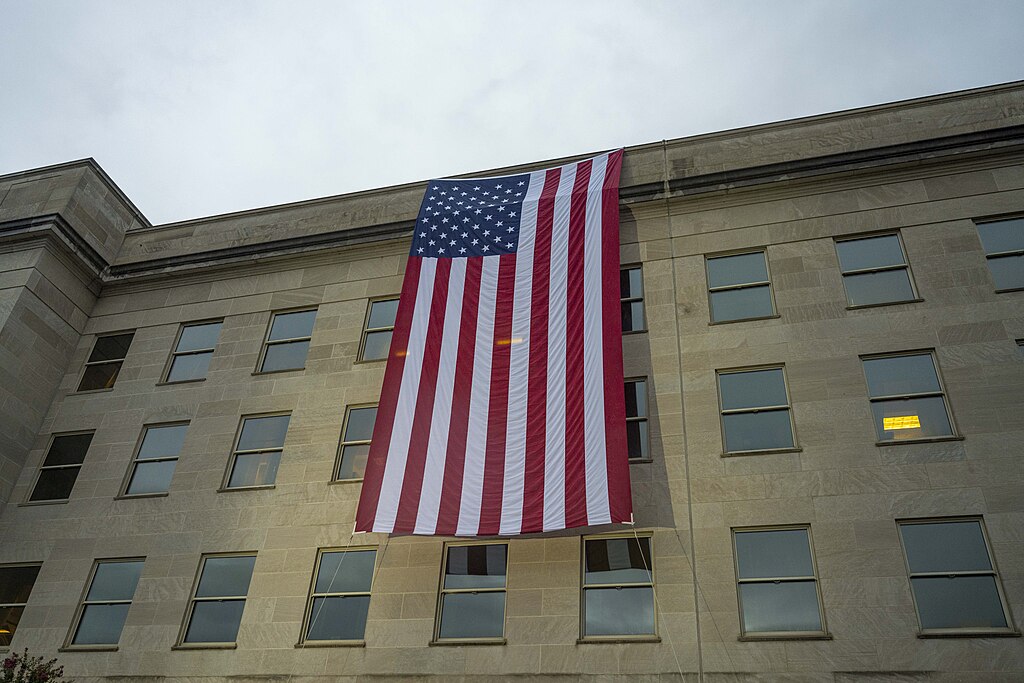
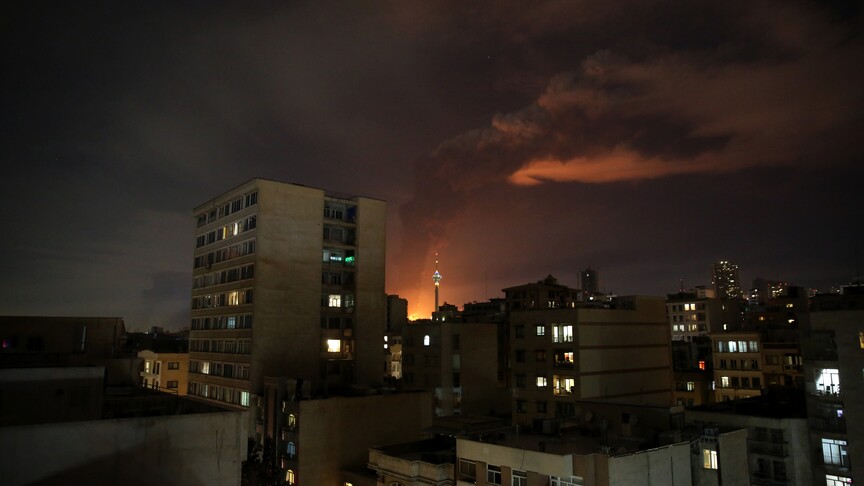
The United States military has conducted a fresh wave of strikes across Iran, marking the 10th consecutive night of military operations as the conflict over the Strait of Hormuz intensifies. The latest attacks, confirmed by US Central Command, targeted Iranian military command centers, maritime capabilities, air defense systems, and missile and drone launch sites. These operations aim to degrade Tehran’s ability to disrupt commercial shipping in the vital energy transit corridor.
The ongoing struggle follows the collapse of a fragile ceasefire earlier this month. The dispute centers on conflicting claims of authority over the Strait of Hormuz. While the United States maintains that the waterway is an international transit route requiring freedom of navigation, Iran asserts that ships must adhere to its designated routes and safety protocols. This friction has effectively stalled much of the regional traffic, with recent data indicating a sharp drop in vessels attempting the passage.
Related media


Escalation Across the Region
The conflict has expanded beyond Iranian borders, with Tehran launching retaliatory strikes against US military assets in neighboring countries. The Islamic Revolutionary Guard Corps claimed responsibility for attacks on US aircraft at Jordan's Aqaba Airport and assets in Kuwait and Bahrain. Kuwaiti authorities reported that their air defenses were actively engaged in intercepting Iranian drones and missiles, while Bahraini officials urged residents to remain in shelters as sirens sounded in Manama.
The human cost of the renewed fighting continues to mount. The US military announced the death of a service member in northern Iraq during the disposal of ordnance from a downed Iranian drone. This incident brings the total number of US military personnel killed since the conflict began in February to 17. Meanwhile, reports from Iranian state media suggest that civilian infrastructure has not been spared, with strikes impacting electrical facilities, water desalination plants, and areas near residential centers, including a hospital in Ahvaz.
Maritime Flashpoints
The Strait of Hormuz remains the primary theater of the crisis. The UK Maritime Trade Operations (UKMTO) reported an unspecified vessel on fire near the Omani coast. Simultaneously, Iranian officials claimed that two oil tankers had exploded after attempting to navigate the strait, blaming the US for encouraging vessels to use routes Tehran considers unsafe. The United States, in turn, has enforced a naval blockade, redirecting several commercial ships and disabling others that failed to heed warnings.
Prospects for Diplomacy
Despite the persistent military exchanges, high-level rhetoric remains hardened. US Secretary of State Marco Rubio stated that Washington remains open to a diplomatic solution, but insisted that any deal must be "real" and contingent on a fundamental change in Iranian behavior regarding international shipping. Conversely, Iranian negotiator Mohammad Baqer Qalibaf has characterized the standoff as an "existential war," arguing that security in the strait depends on the implementation of Iranian-led maritime arrangements.
Amidst the hostilities, there was a minor sign of diplomatic movement. US President Donald Trump noted that Iran had permitted the departure of an American, Dena Karari, who had been held in the country since 2024. Despite this gesture, the President maintained a firm stance, stating at a summit in Pennsylvania that the United States would continue its military campaign until the regime chooses to settle.
What to Watch Next
- Energy Market Volatility: Traders are closely monitoring the security of the Strait of Hormuz, as any further disruption to oil and gas transit is expected to place renewed pressure on global energy prices.
- Regional Security Alerts: The US State Department has issued a worldwide caution for Americans, specifically advising those in the Middle East to monitor local news and follow security directives from nearby embassies.
- Military Posture: With Israel reportedly preparing to receive additional US refueling aircraft, observers are tracking whether the conflict will draw in further regional actors or if current containment efforts by the US military will suffice.
- Humanitarian Impact: Continued reports of damage to civilian infrastructure, including desalination plants and medical facilities, remain a critical concern for regional stability and civilian safety.
Archypedia is dedicated to independent, evidence-backed reporting. This briefing was synthesized from primary source reporting, corroborated across independent newsrooms, and verified against our Editorial Standards.
Transparency record
Evidence behind this report
This report synthesizes 7 distinct sources. Open the source ledger below to compare the underlying coverage.
- nypost.com
- yahoo.com
- upi.com
- economictimes.indiatimes.com
- timesnownews.com
- bworldonline.com
- standard.net.au
Prepared under the Archypedia Editorial Policy by the Mara Ionescu editorial desk profile. AI-assisted tools may support drafting and verification; public accountability remains with Archypedia. Report an error.