Trump threatens Iran with retaliation as military tensions escalate
Military tensions between the U.S. and Iran have reached a critical threshold, triggering a surge in global energy prices and stalling traffic in the Strait of Hormuz. U.S. airstrikes continue against Iranian military facilities following the deaths of American service members.
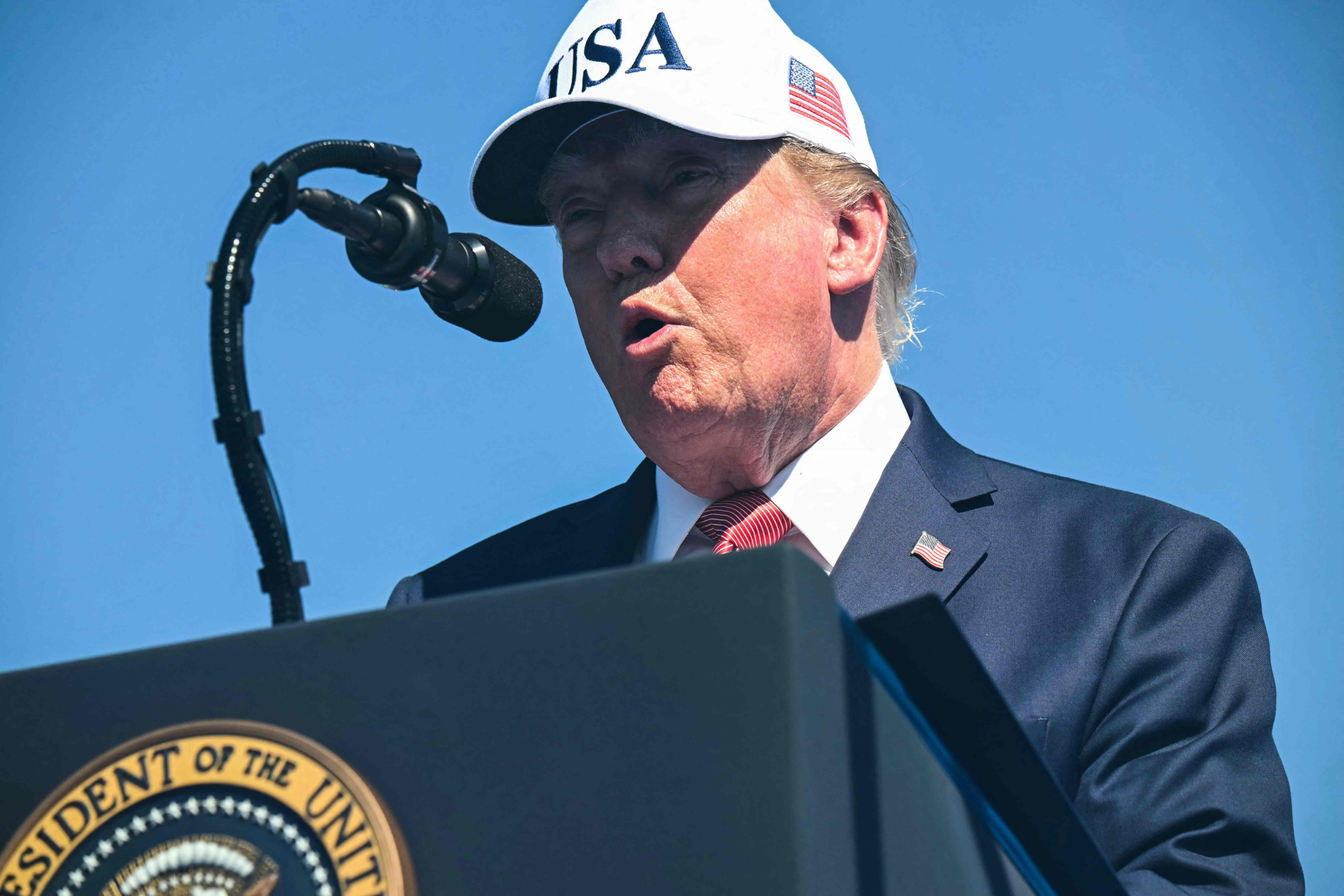
Military tensions between the United States and Iran have reached a critical threshold as the two nations inch closer to full-scale conflict. On Monday, 20 July 2026, President Donald Trump issued a stern warning that every future death of an American service member would result in retaliatory action, declaring that Iran will pay for that killing many times over
. This directive has been communicated to key military leaders, including Defense Secretary Pete Hegseth and Chairman of the Joint Chiefs of Staff Gen. Dan Caine.
The escalation follows the conclusion of a ninth consecutive night of U.S. Airstrikes against Iranian territory. According to AP News, U.S. Central Command targeted military command centers, coastal surveillance sites, missile and drone launch facilities, and communications networks. The latest strikes coincided with the announcement that another American service member had died in Iraq on Saturday during the controlled detonation
of a downed Iranian drone. Since the commencement of hostilities on 28 February 2026, 17 U.S. Troops have been killed. Additional soldiers died Friday in Jordan while defending against Iranian ballistic missile and drone attacks.
Related media


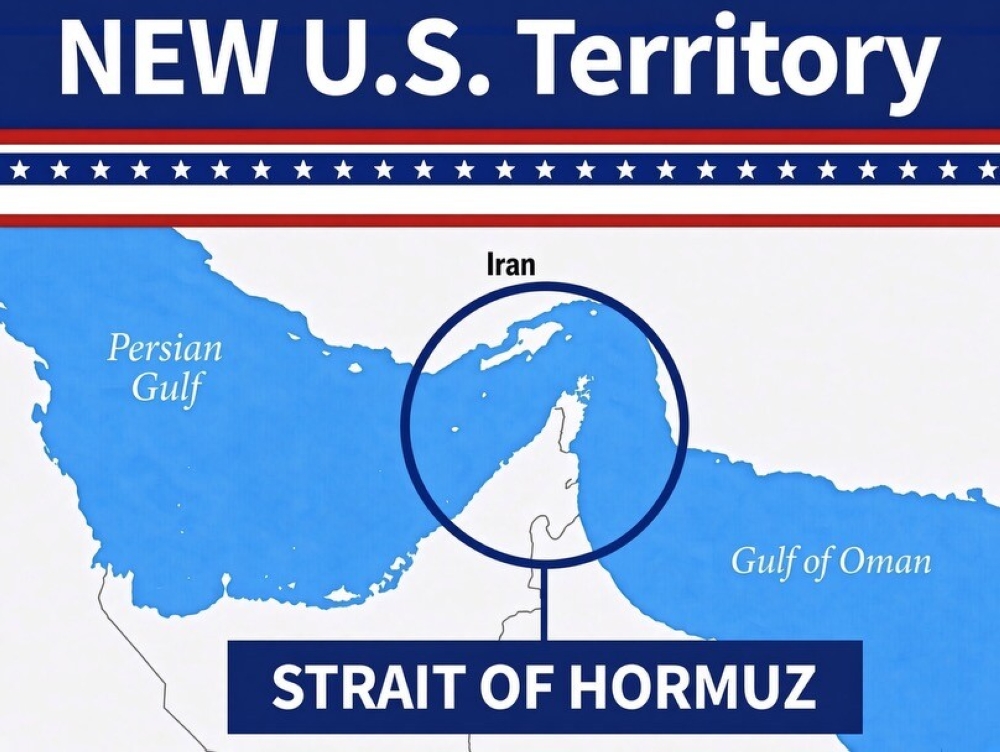
The conflict has spilled across borders, drawing in U.S. Allies in the Gulf. Following the U.S. Airstrikes, Tehran launched attacks on Kuwait and Bahrain. Bahrain reported that its missile alert sirens were activated, while Kuwait stated its air defenses engaged an incoming barrage of Iranian missiles and drones. Additionally, Iranian-backed Houthi rebels in Yemen announced a maritime embargo against Saudi vessels in the Bab al-Mandeb strait, citing a decade-long blockade. This development threatens to further strain global energy supplies as traffic in the Strait of Hormuz remains stalled.
Market and Regional Impact
The ongoing instability has sent global energy markets into a state of volatility. Benchmark Brent crude prices rose above $90 a barrel on Monday, and the average cost of regular gasoline in the United States climbed to $4 per gallon. The following table illustrates the current pressure on regional transit and energy:
| Sector/Focus | Recent Development |
|---|---|
| Strait of Hormuz | Traffic largely stalled; multiple commercial tankers struck by projectiles. |
| Global Oil | Brent crude exceeded $90/barrel; gasoline averages $4/gallon in the U.S. |
| Regional Alliances | Bahrain and Kuwait air defenses engaged; Houthi embargo against Saudi ships initiated. |
Diplomatic efforts to stabilize the region appear fragile. While Iranian Interior Minister Eskandar Momeni traveled to Pakistan for talks on Monday, the previously established interim ceasefire has effectively collapsed. Former Iranian Foreign Minister Mohammad Javad Zarif, writing in Foreign Affairs, argued that the interim deal could not survive the dissonance regarding the Strait of Hormuz, while warning that continued threats to maritime traffic could turn global opinion against Tehran. U.S. Secretary of State Marco Rubio noted on Sunday that the United States remains open to negotiations, provided they are real
.
What to Watch Next
- Dignified Transfers: President Trump is scheduled to attend the dignified transfer of the remains of fallen service members at Dover Air Force Base on Tuesday, 21 July 2026.
- Diplomatic Outreach: Monitoring the outcome of talks between Iranian officials and the Pakistani government regarding a potential revival of the ceasefire framework.
- Naval Blockade: Observers are tracking whether the U.S. Naval blockade of Iranian ports will be further expanded, as it currently impacts crude oil shipments and maritime logistics.
As the escalation continues, the administration maintains its focus on degrading Iranian military infrastructure.
Archypedia is dedicated to independent, evidence-backed reporting. This briefing was synthesized from primary source reporting, corroborated across independent newsrooms, and verified against our Editorial Standards.
Transparency record
Evidence behind this report
This report synthesizes 11 distinct sources. Open the source ledger below to compare the underlying coverage.
- apnews.com
- yahoo.com
- nypost.com
- bostonglobe.com
- timesnownews.com
- newsweek.com
- abc7.com
- courthousenews.com
- theguardian.com
- aljazeera.com
- foxnews.com
Prepared under the Archypedia Editorial Policy by the Mara Ionescu editorial desk profile. AI-assisted tools may support drafting and verification; public accountability remains with Archypedia. Report an error.