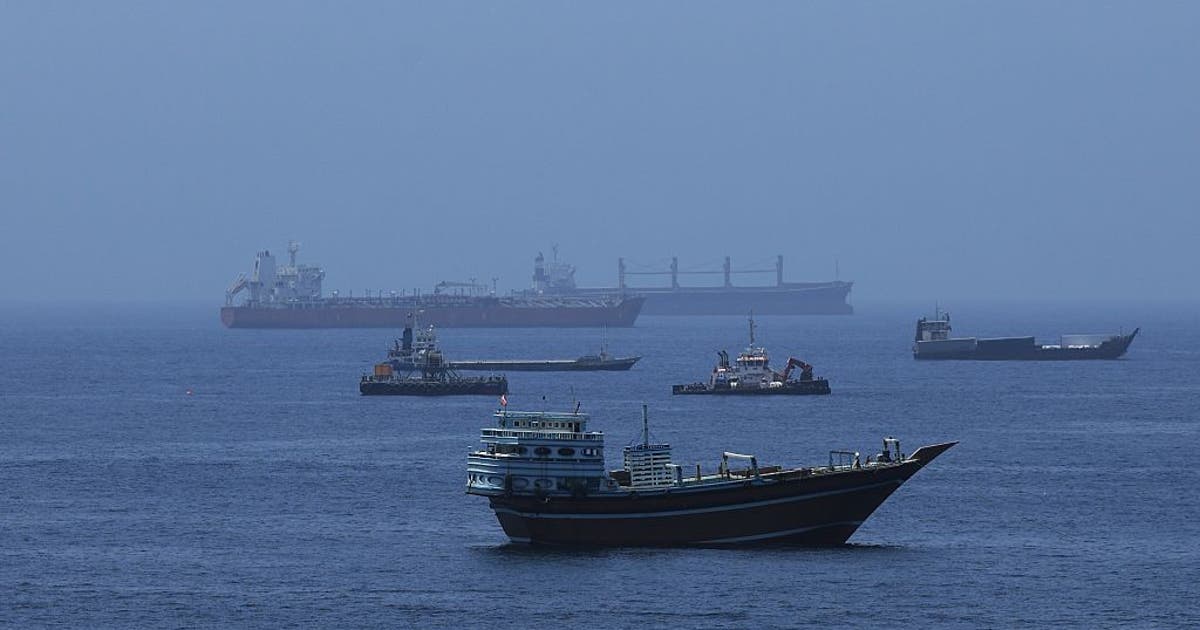
US military hits Iran for 13th consecutive night amid shipping tensions
Brent crude oil prices rose above 100 U.S. Dollars per barrel as the U.S. implemented a naval blockade following attacks on commercial tankers in the region.
United States military forces carried out a 13th consecutive night of airstrikes against targets in Iran. According to U.S. Central Command (CENTCOM), the latest operation lasted more than two hours and focused on command centers, drone storage facilities, communication networks, coastal surveillance sites, and maritime capabilities. These efforts, which began on 27 June, are intended to degrade Iran’s ability to threaten civilian mariners and commercial vessels transiting the Strait of Hormuz.
The aerial campaign follows an expansion of maritime conflict into the Red Sea. Yemen’s Iran-backed Houthi rebels claimed responsibility for attacks on two Saudi oil tankers, the Encelia and the Layla. The Saudi Press Agency confirmed that an attack set the Encelia ablaze, while the United Kingdom Maritime Trade Operations Center reported an incident involving a tanker struck by an unknown projectile approximately 130 kilometers southwest of Al Shuqaiq, Saudi Arabia. Maritime data firm Lloyd’s List Intelligence noted that the threat to Red Sea routes creates a "double whammy" for energy logistics, as exporters had previously relied on these routes to bypass the closure of the Strait of Hormuz.
Related media

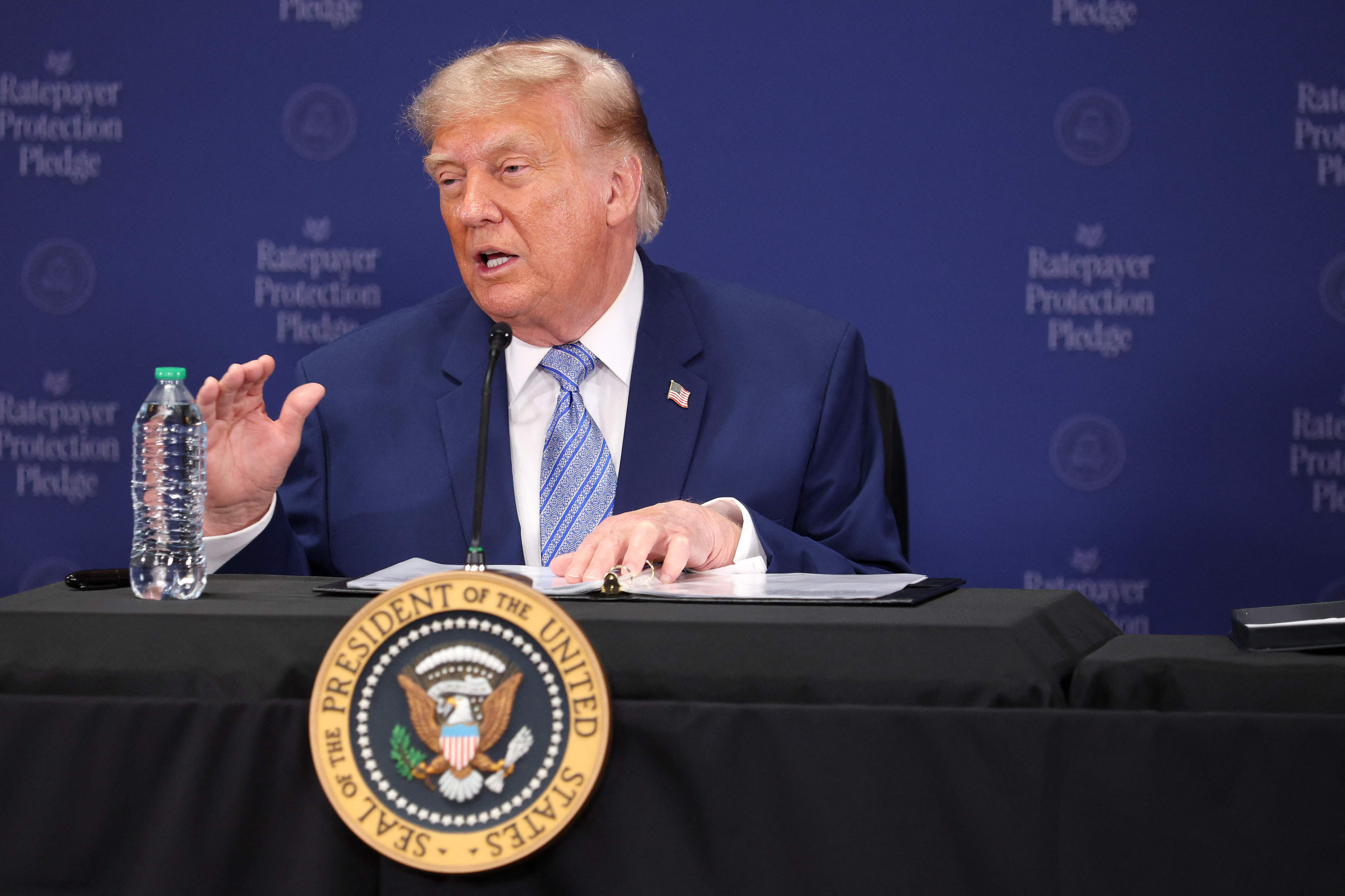
Global energy markets reacted to the widening conflict with Brent crude oil prices rising more than 6% to approximately 100 U.S. Dollars a barrel. This pricing level reached a high point not seen since May, preceding a brief peace agreement that has since collapsed. United Nations Secretary-General António Guterres addressed the Security Council regarding the mounting danger, describing the region as teetering on the edge of the unimaginable.
"The situation is getting out of control. It is teetering on the edge of the unimaginable. The region is being pulled into an ever-widening circle of confrontation. One crisis feeds another. One escalation triggers the next."
António Guterres, Secretary-General, via Tempo
The conflict has been accompanied by a sharp escalation in rhetoric. President Donald Trump warned of "major military punishment" should Houthi attacks persist, explicitly holding the Iranian government responsible for the actions of its proxies.
"If they do this again, the U.S. will hold Iran responsible, in that the Houthis are a Surrogate and/or Proxy of Iran, and major military punishment will be inflicted upon Iran and, of course, the Houthis, themselves."
Donald Trump, President, via Deccan Chronicle
President Trump further stated that the U.S. Intends to utilize frozen Iranian funds currently under American control to cover costs associated with damages to ships and cargo. In response to the U.S. Strikes, Iranian Foreign Minister Abbas Araghchi declared that Tehran would adopt an "eye for an eye" policy regarding attacks on its infrastructure. U.S. Secretary of State Marco Rubio described the administration's stance as "a head for an eye."
The state of maritime transit remains volatile. The U.S. Has resumed a naval blockade of Iranian ports and coastal zones, reporting that it has redirected 12 commercial vessels and disabled one to prevent transit. Meanwhile, Iran has signaled that it would target regional oil, gas, electricity, and desalination facilities in retaliation for the ongoing U.S. Strikes. Iranian health authorities reported 55 deaths and 629 injuries since the current wave of U.S. Airstrikes commenced on 27 June. Additional explosions were reported by state media in Qeshm, Bandar Abbas, Andimeshk, Omidiyeh, and Firuzabad.
Efforts to mediate the crisis are ongoing. Prime Minister Ali al-Zaidi of Iraq traveled to Tehran to call for peace and dialogue, pledging that Iraqi territory would not be utilized for attacks on Iran. As the conflict continues, international scrutiny remains focused on the targeting of civilian infrastructure, with legal experts citing the 1949 Geneva Conventions, which prohibit attacks on facilities essential to civilian survival during armed conflict.
Archypedia is dedicated to independent, evidence-backed reporting. This briefing was synthesized from primary source reporting, corroborated across independent newsrooms, and verified against our Editorial Standards.
Transparency record
Evidence behind this report
This report synthesizes 4 distinct sources. Open the source ledger below to compare the underlying coverage.
Prepared under the Archypedia Editorial Policy by the Samir Haddad editorial desk profile. AI-assisted tools may support drafting and verification; public accountability remains with Archypedia. Report an error.