US military launches fresh strikes in Iran following attacks on US bases
The US military launched fresh airstrikes targeting the Islamic Revolutionary Guard Corps across Iran, following a series of attacks on American forces in the Middle East.
The United States military launched fresh airstrikes targeting the Islamic Revolutionary Guard Corps across Iran, capping a day of escalating conflict that drew Egypt and Iraq deeper into the regional war. The military action followed a series of coordinated attacks on American forces in the Middle East and a drone strike on energy infrastructure outside the Persian Gulf.
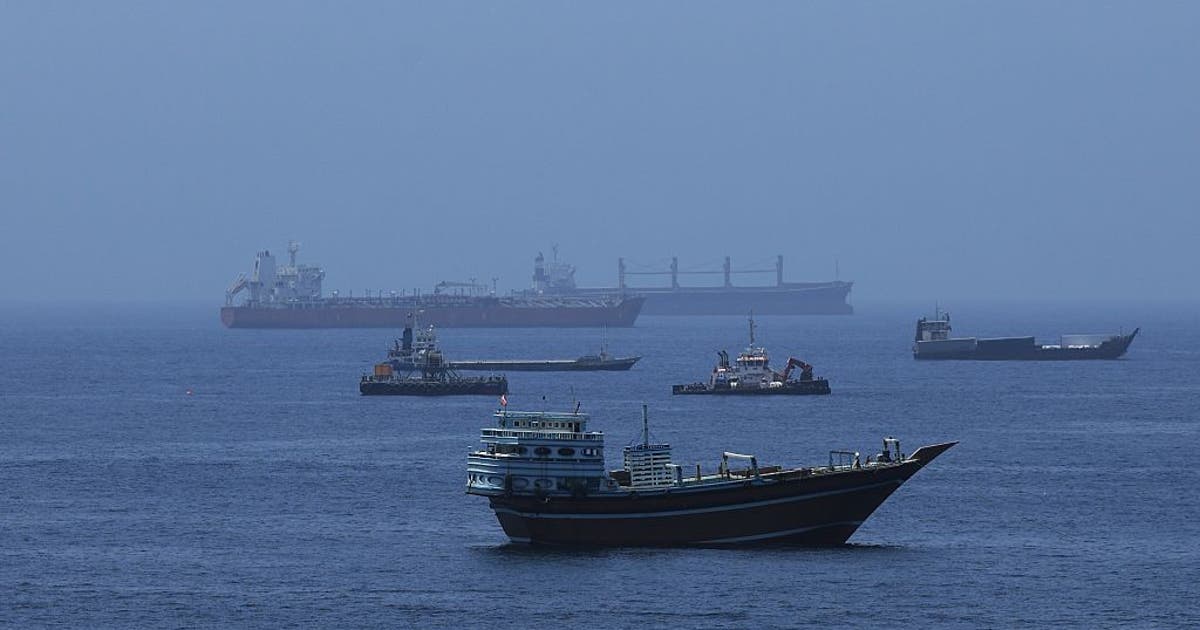
US Central Command announced that forces began launching strikes against Iran, acting in a powerful response to attempted Iranian attacks on US personnel based in the region. According to regional reports from Iranian state media, explosions and missile strikes impacted locations around Qeshm Island in the Strait of Hormuz, the southwestern city of Abadan, West Azerbaijan, and a border area near Piranshahr. Iranian authorities reported that residential buildings and coastal defense facilities were struck, trapping individuals under rubble and cutting power on Qeshm Island, while military command centers and drone facilities were targeted.
Related media
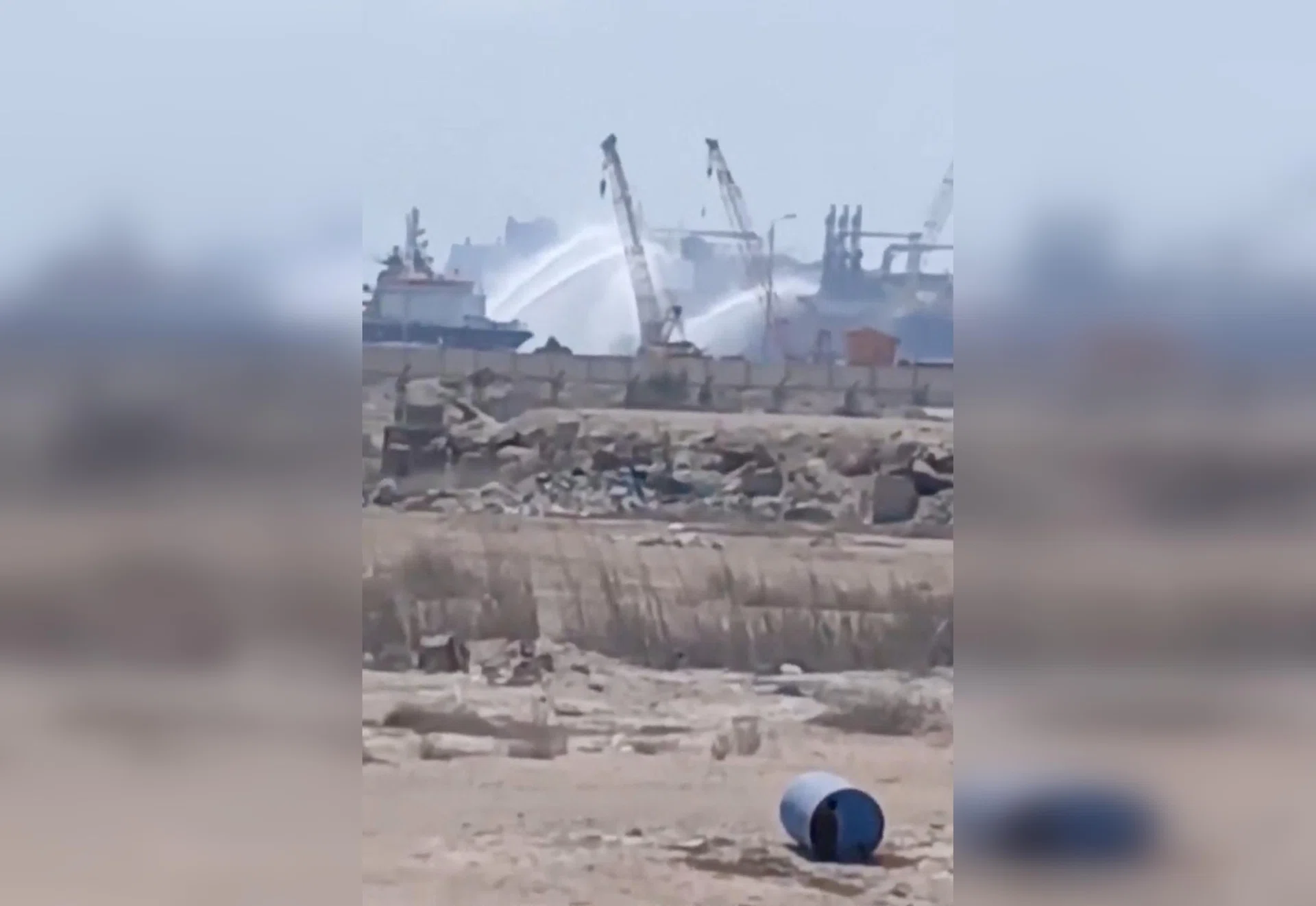

The latest US military campaign arrives directly on the heels of widening hostilities across the Middle East. Earlier, a drone struck a US-owned liquefied natural gas storage tanker at Egypt's Mediterranean port of Damietta, according to British maritime security assessments. While the Egyptian petroleum ministry confirmed a fire at the port, it made no immediate attribution regarding a drone attack. The strike on Mediterranean shipping infrastructure marked a notable geographic expansion of a conflict that began when the US and Israel launched a bombing campaign in Iran. Simultaneously, the Islamic Revolutionary Guard Corps fired ballistic missiles toward American installations in Jordan. Jordan’s armed forces stated that air defenses intercepted and shot down five incoming missiles.
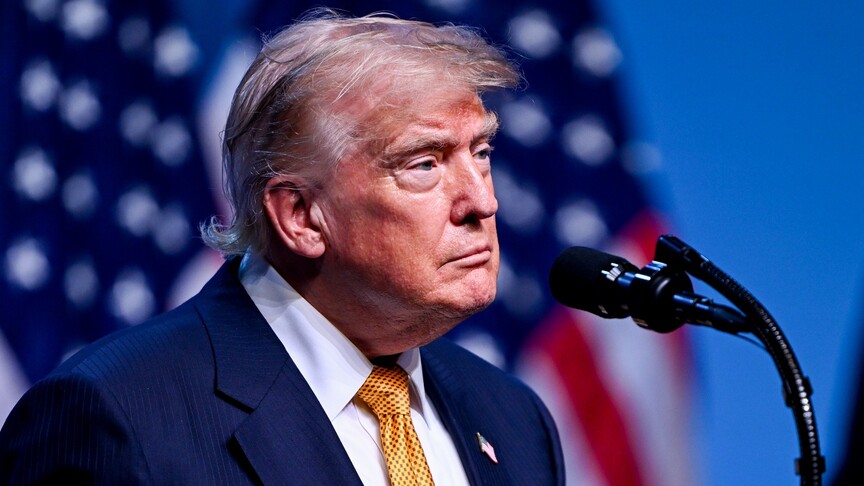
In Washington, President Donald Trump addressed reporters at the White House regarding the deteriorating situation and the attack on the US-owned tanker in Egypt.
Trump maintained that Washington would continue to aim for a peace agreement with Tehran eventually, but asserted that the military response was necessary following the barrage directed at American troops. Responding to inquiries concerning reported plans for China to supply hundreds of air-defense missile systems to Iran, Trump stated that Chinese President Xi Jinping had previously assured him Beijing would not partake, though he added that he would be deeply disappointed by any such transfer."We're going to be hitting them very hard because it's our turn to hit them. They know it's coming, they're asking us not to do it"
Donald Trump, US President, via CBS News
The conflict has also strained alliances and roiled regional governments. In Iraq, joint US-Saudi airstrikes targeted Iran-aligned paramilitary groups across the eastern provinces, marking the first time Riyadh has publicly acknowledged participating in direct offensive operations alongside Washington. The Popular Mobilisation Forces reported that at least twenty of its members were killed in the joint raids, drawing fierce condemnation from the Iraqi presidency and National Security Council, which denounced the operation as a blatant violation of national sovereignty. Meanwhile, Saudi Arabia’s defense minister met with US officials in Washington to urge restraint and caution against widening the war further into Yemen against the Houthis.
Economic fallout rippled through global markets as fighting resumed. International benchmark Brent crude prices surged following the renewed hostilities, reversing earlier declines. The Federal Reserve opted to leave benchmark interest rates unchanged amid ongoing inflation concerns tied to energy price volatility. In Washington, the Treasury Department announced new sanctions targeting shipping insurance networks and shadow fleet operators accused of funneling revenue to the Revolutionary Guards and bypassing Western blockades.
Key Developments in the Regional Escalation
- US Central Command confirmed airstrikes targeting dozens of IRGC facilities, missile sites, and naval command centers in Iran.
- A drone strike ignited fires on energy infrastructure at Egypt's Mediterranean port of Damietta.
- Jordanian air defenses intercepted five ballistic missiles fired from Iran toward US air bases.
- Joint US-Saudi airstrikes in eastern Iraq targeted Iran-backed militias, resulting in at least twenty reported deaths and swift condemnation from Baghdad.
- Global oil benchmarks experienced sharp increases following the collapse of brief cease-fire expectations.
As combat operations persist, regional authorities and international observers remain focused on the security of strategic chokepoints including the Strait of Hormuz and the Suez Canal. Further diplomatic maneuvering and military responses are anticipated as Washington and Tehran weigh additional escalations.
Archypedia is dedicated to independent, evidence-backed reporting. This briefing was synthesized from primary source reporting, corroborated across independent newsrooms, and verified against our Editorial Standards.
Transparency record
Evidence behind this report
This report synthesizes 5 distinct sources. Open the source ledger below to compare the underlying coverage.
Prepared under the Archypedia Editorial Policy by the Samir Haddad editorial desk profile. AI-assisted tools may support drafting and verification; public accountability remains with Archypedia. Report an error.