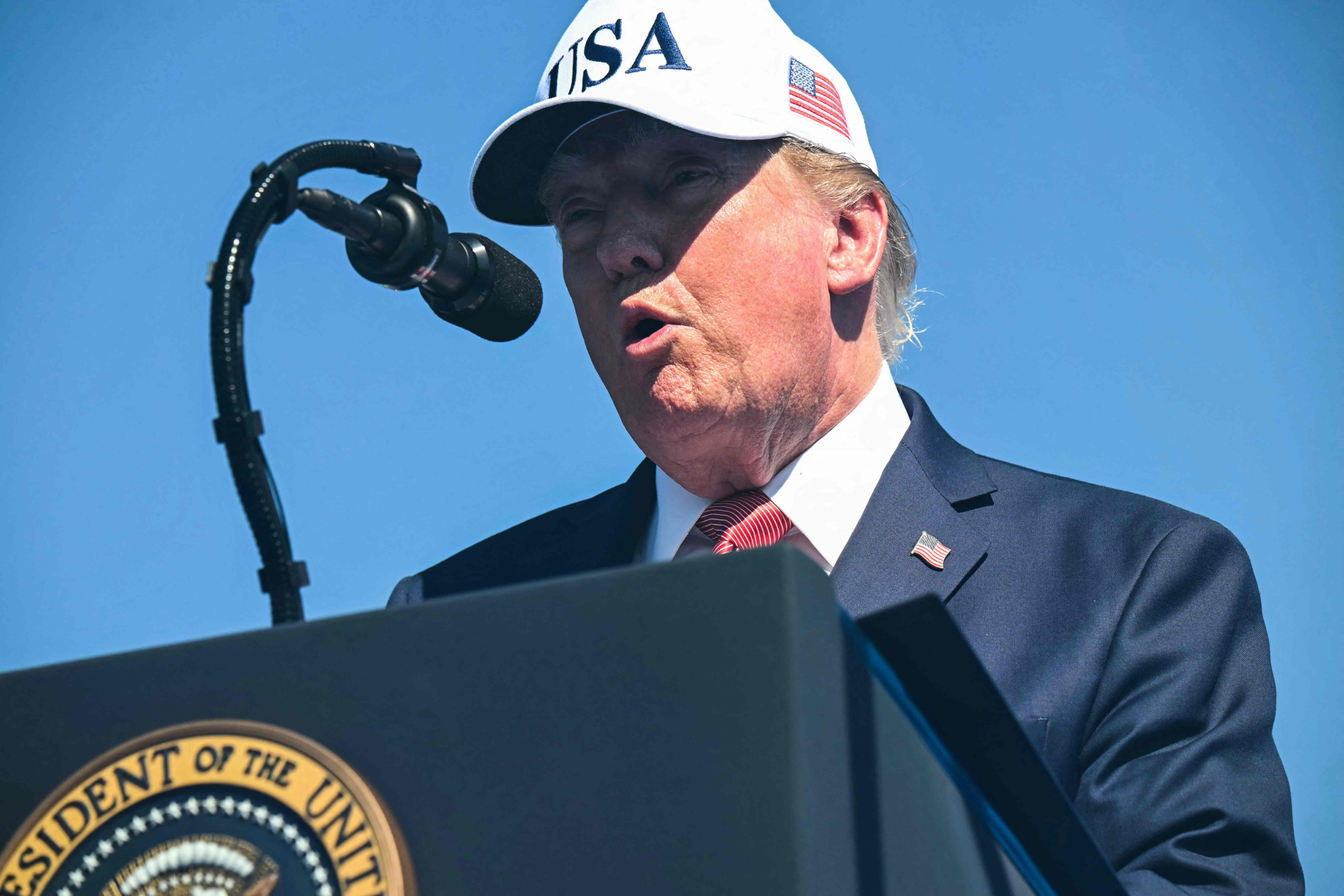
Trump says Iran talks resume Monday after he calls off 'massive strike
The U.S. military remains on high alert as diplomatic efforts attempt to resolve a five-month conflict and reopen the Strait of Hormuz.
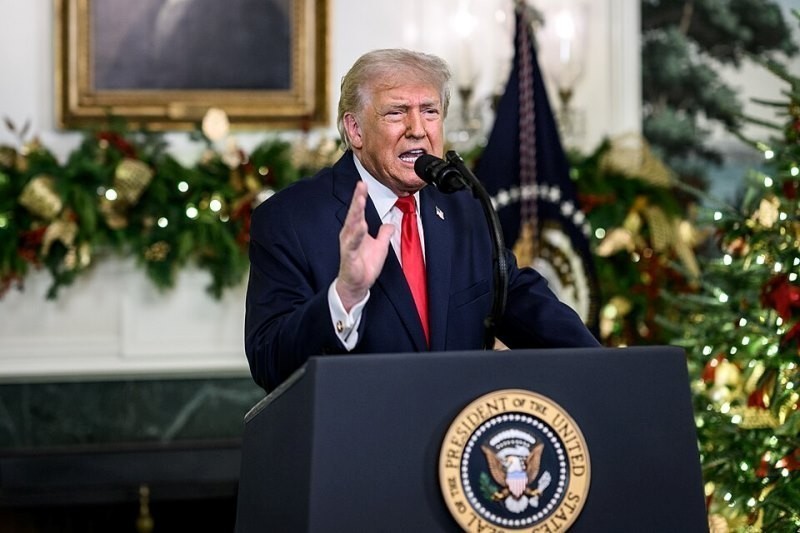
President Donald Trump has halted a planned military operation against Iran that he described as the biggest attack since World War II
, announcing that negotiations are set to resume on the afternoon of Monday, August 3, 2026. The decision followed requests from Tehran and key Middle Eastern allies, including Saudi Arabia, Qatar, and the United Arab Emirates, to pursue a diplomatic resolution instead of escalation.
Speaking to reporters aboard Air Force One on Sunday, Trump stated that the decision to hold the strikes was influenced by a conversation with Saudi Crown Prince Mohammed bin Salman. According to abc7chicago.com, the crown prince expressed concerns that new bombardments could trigger a response from Tehran that would severely impact the global economy and target Gulf allies. Trump noted that the allies believed a deal was imminent, adding, they didn't want us to do it
.
Related YouTube video
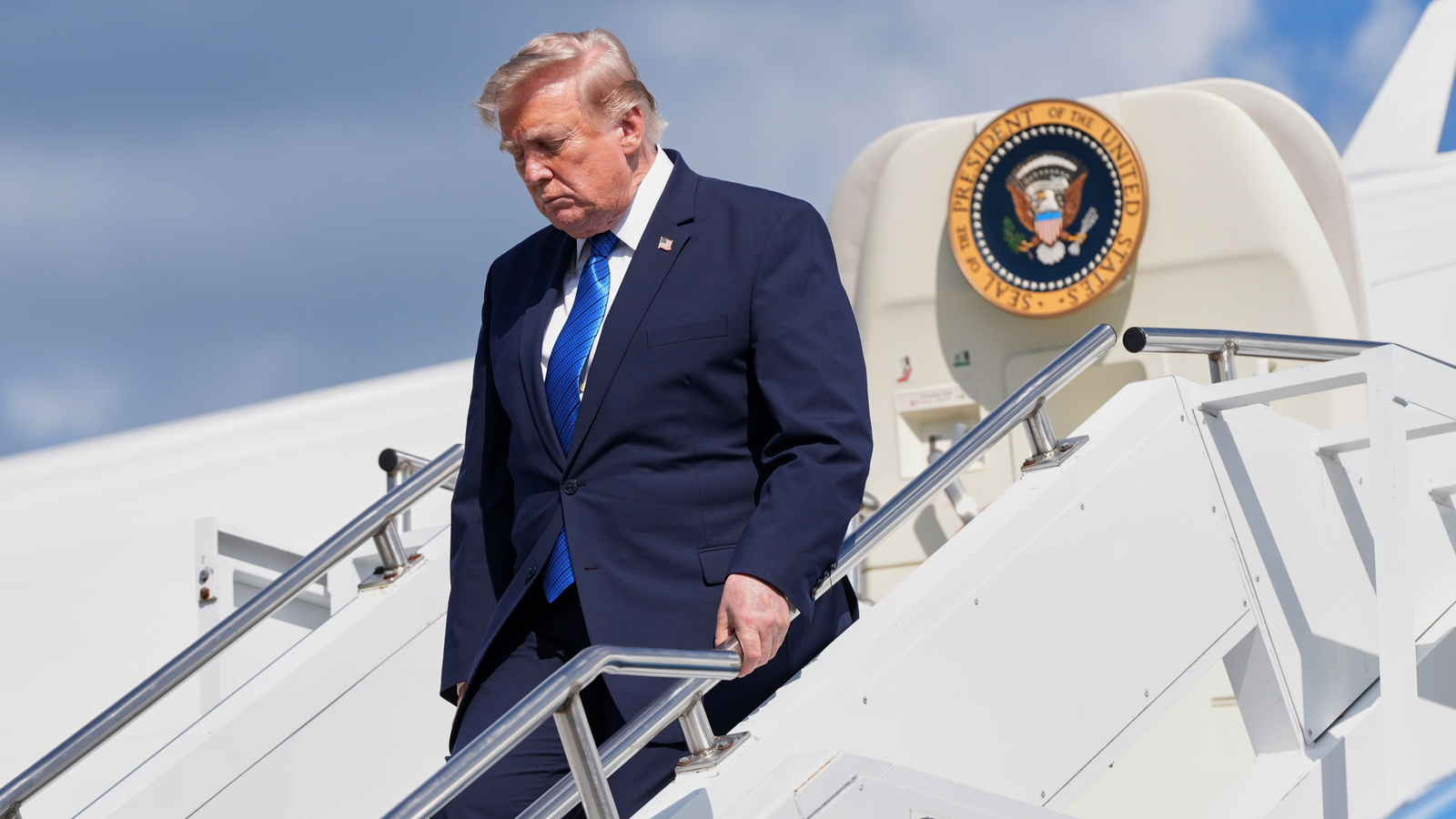

The U.S. Military remains on high alert. Secretary of Defense Pete Hegseth echoed the president's claims on X, stating that the Pentagon remains ready
and is locked and loaded
. Trump reiterated that while he prefers a deal over killing people, the U.S. Is ready to go anytime we want
, though he clarified that Iran does not have a deadline to reach an agreement.
This volatility follows a pattern since the conflict began on February 28, characterized by threats of massive strikes followed by brief reprieves. According to Gulfnews, these abrupt shifts have been a defining feature of the five-month conflict, which has contributed to soaring global oil prices and rising gas costs in the United States.
Tensions on the ground remain acute. On Saturday, the Kuwaiti army reported that its air defense systems intercepted hostile drone attacks from Iran. Simultaneously, the U.S. State Department issued security guidance urging Americans in the Middle East to consider departing the region or preparing to leave on short notice, citing security risks and periodic airspace closures. This warning was distributed to embassies in Bahrain, Iraq, Israel, Jordan, Kuwait, Lebanon, Oman, Qatar, and Saudi Arabia.
The Hormuz Deadlock
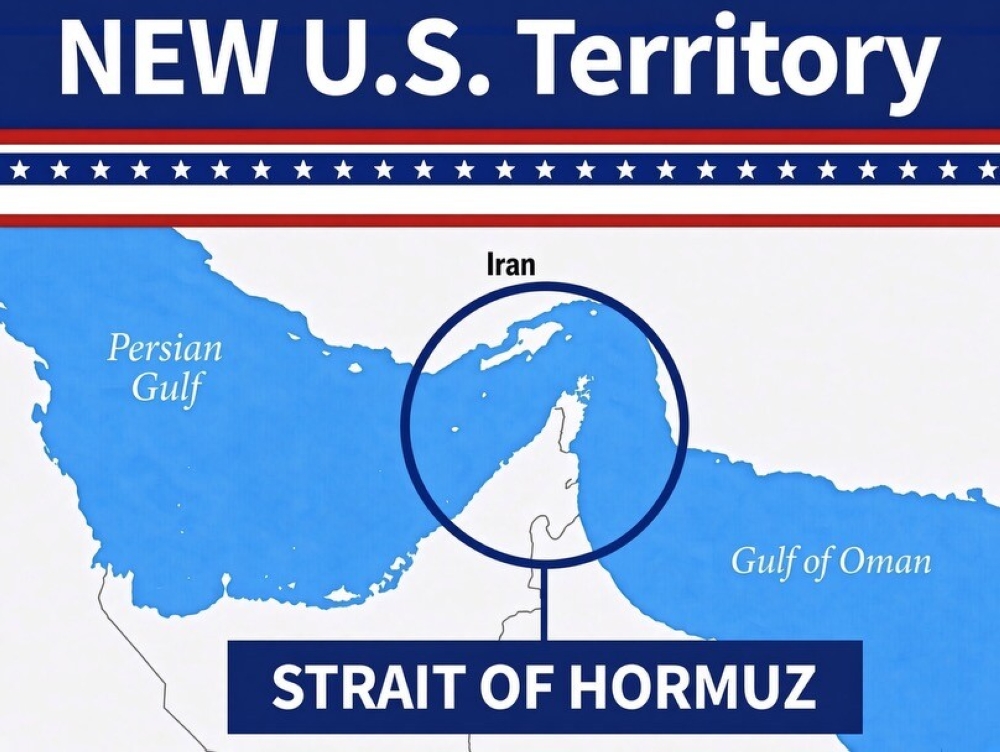
A central point of contention is the Strait of Hormuz, a critical waterway for oil and natural gas that has remained largely closed since February 28. Trump claims the perimeters of a deal
have been reached, which would include the immediate, complete, and total
reopening of the route and the elimination of Iran's nuclear threat.
Iranian officials have countered these assertions. Foreign Ministry spokesperson Esmail Baghaei told Iranian state TV on Sunday that the strait will in no way return to the status it was before February 28th
. Baghaei noted that while Iran is discussing shipping with Oman, there are no current talks regarding the reopening of the waterway. Furthermore, acting Defense Minister Majid Ibn al-Reza dismissed Trump's claims on X as psychological and cognitive warfare
.
This diplomatic gap is mirrored by the current military posture. The U.S. Resumed a naval blockade of Iranian ports on July 14, an operation supported by the USS Abraham Lincoln and F-35C stealth fighters. According to gulfnews.com, the military has redirected 38 commercial vessels as part of these enforcement operations.
The June Memorandum
The current efforts to reach an accord are complicated by a memorandum of understanding (MoU) signed in June, which established a 60-day window to negotiate a comprehensive peace deal and called for an immediate halt to military operations. Trump declared that agreement over
on July 8, leading to a resumption of strikes.
Iranian President Masoud Pezeshkian stated on Monday that the MoU remains the centre of gravity
of Iran's future foreign relations, arguing that Washington must be forced to remain committed to the document it signed. Within Tehran, abc7chicago.com reports a brewing struggle between theocratic leaders who oppose all negotiations with the U.S. And those who believe military pressure is necessary to secure a favorable deal.
A regional official involved in mediation, speaking on condition of anonymity, said the current proposal suggests a trade-off: Iran would halt attacks in Jordan and by Iranian-backed militias in Iraq and reopen the Strait of Hormuz. In exchange, the U.S. Would end its naval blockade and allow Iranian oil exports.
The outcome of the Monday afternoon talks will determine whether the U.S. Military maintains its locked and loaded
status or if the discussions result in the lifting of the naval blockade and the reopening of the Strait of Hormuz.
How significant is this development?
Contribute your assessment to the aggregated reader intelligence ledger.
Archypedia is dedicated to independent, evidence-backed reporting. This briefing was synthesized from primary source reporting, corroborated across independent newsrooms, and verified against our Editorial Standards.
Transparency record
Evidence behind this report
This report synthesizes 4 distinct sources. Open the source ledger below to compare the underlying coverage.
Prepared under the Archypedia Editorial Policy by the Samir Haddad editorial desk profile. AI-assisted tools may support drafting and verification; public accountability remains with Archypedia. Report an error.