
World
UN warns El Niño could be strongest on record through 2027
Extreme subsurface ocean temperatures are driving a climate event that is threatening to disrupt global shipping, agriculture, and infrastructure.
Extreme subsurface ocean temperatures are driving a climate event that is threatening to disrupt global shipping, agriculture, and infrastructure.
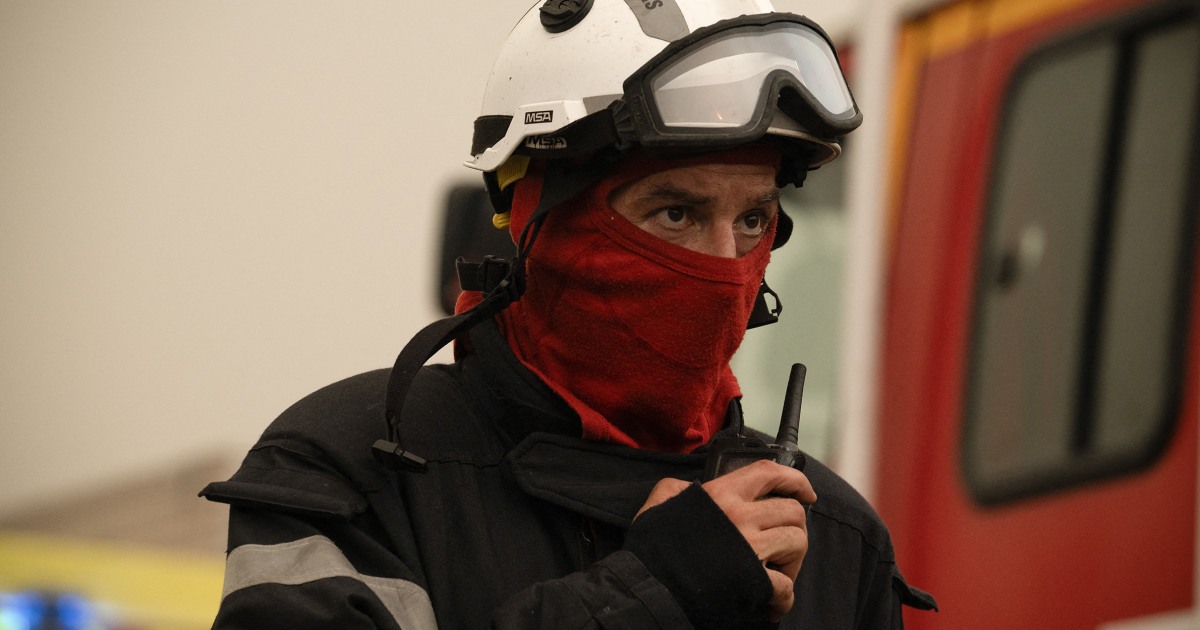
Catastrophic wildfires ravaging southwestern France and central Spain have forced over 250,000 people to flee amid record-shattering temperatures and early heat waves.

Massive wildfires in southwestern France and central Spain have forced the emergency evacuation of approximately 200,000 residents and tourists amid extreme heat.

Massive wildfires across France and Spain have forced hundreds of thousands of people to evacuate or lock down as national emergency declarations are issued.
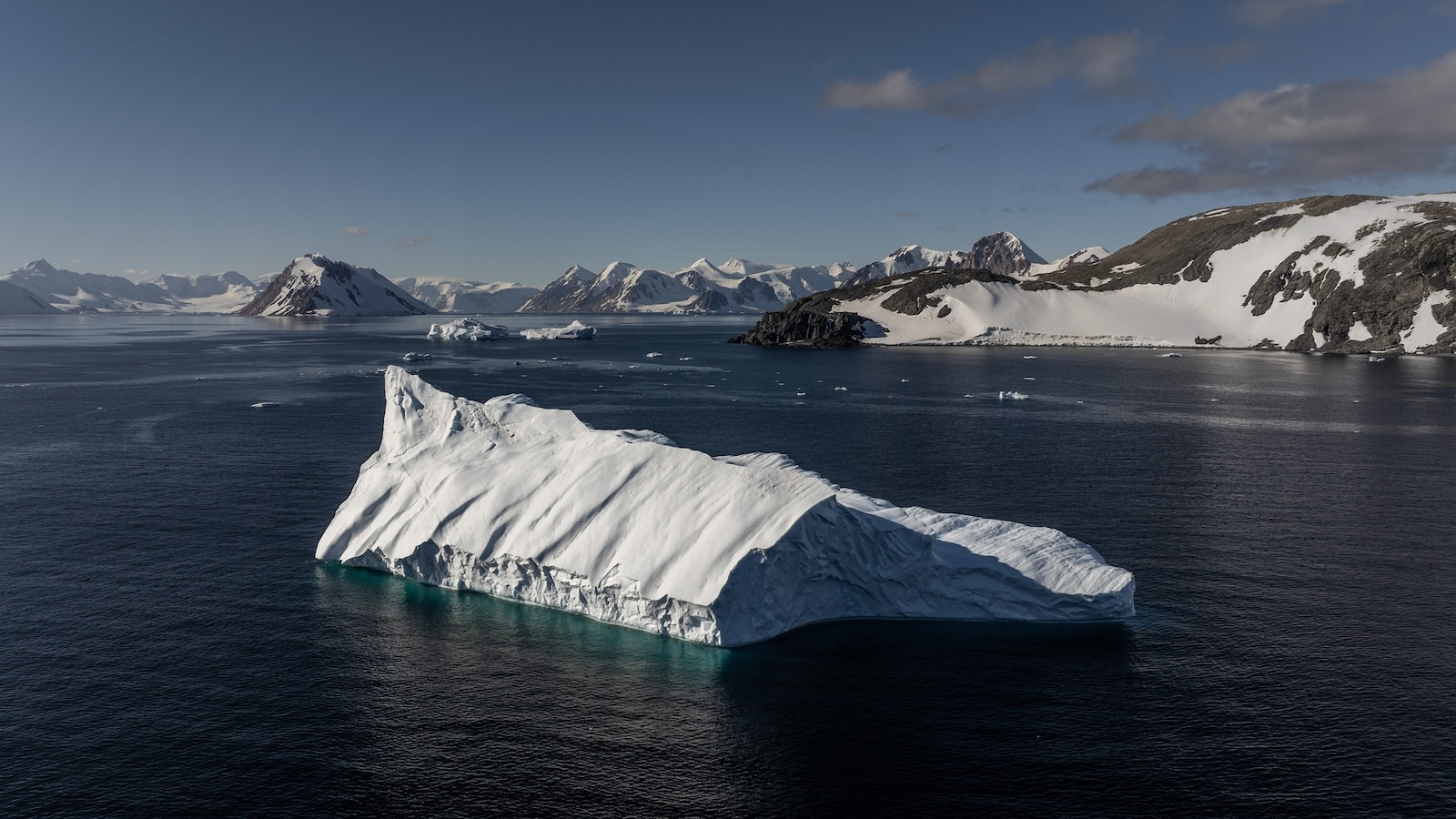
Satellite data reveals a stark shortfall in winter sea ice across West Antarctica, threatening critical wildlife habitats and the stability of the Thwaites Glacier.
Extreme weather and hazardous air quality disrupted final preparations for Spain and Argentina, highlighting concerns over the viability of summer tournaments.

Meteorologists expect incoming storms to clear thick smoke from the region, leading to improved air quality for the World Cup final at MetLife Stadium. FIFA officials have confirmed the match remains on schedule as they continue to monitor local atmospheric conditions.

A new study reveals that agricultural, industrial, and pharmaceutical pollutants are accumulating in coral tissues, reducing their energy and nutrient reserves.

The death toll from the wildfires in Spain’s Almeria province has risen to 13, including British couple Pete and Fran Gillam who resided in Bédar.
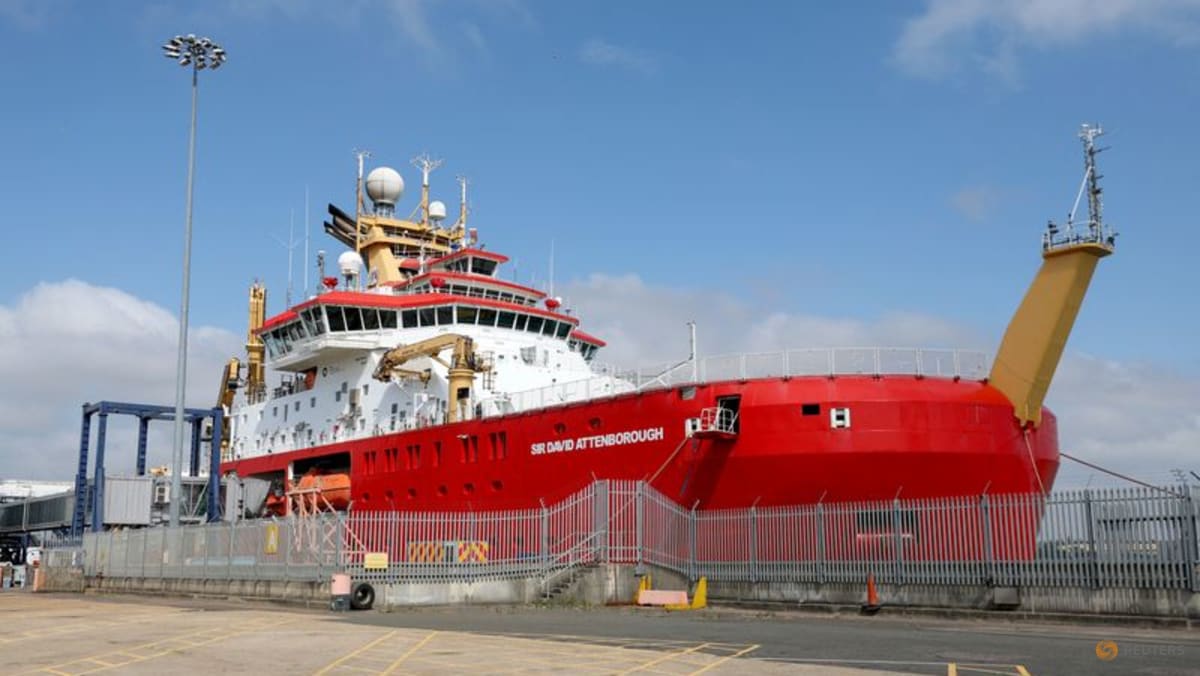
Scientists are embarking on a five-year mission to determine if melting Greenland glaciers could trigger a collapse of vital Atlantic Ocean currents. Using advanced autonomous technology, the team aims to develop an early-warning system for abrupt climate changes.

An international team is using autonomous technology to study Greenland's ice loss and its potential to disrupt global ocean circulation. The GIANT project aims to develop early warning models for glacier collapse.

Long-term research at Harvard Forest shows that persistent warming causes stable soil organic matter to decompose, releasing additional carbon dioxide. This process suggests climate models may need to account for soil-driven feedback loops as global temperatures rise.

Data from the EuroMOMO network confirms 10,650 excess deaths across 27 countries during the final week of June, a spike linked to record-breaking heat.
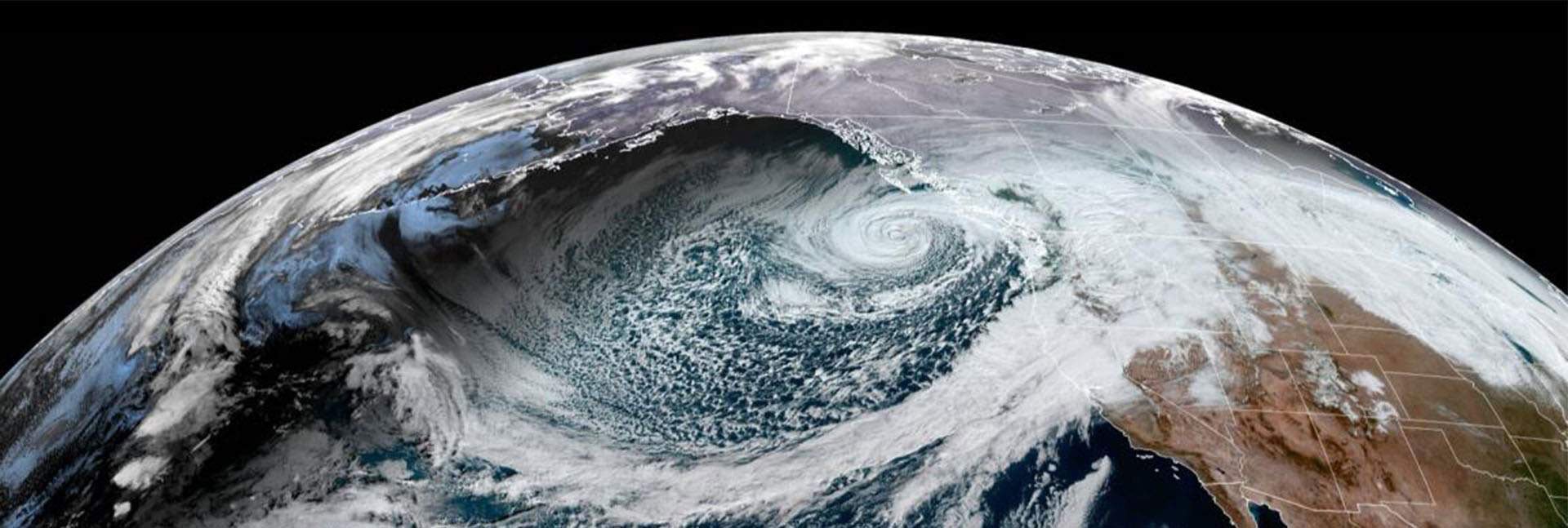
New research indicates that North Pacific storm tracks are shifting northward faster than existing models project, contributing to environmental instability.

A wildfire in Almería, Spain, has resulted in 11 deaths and forced the evacuation of approximately 1,000 residents amid an intense regional heatwave.

Scientific findings reframe the Permian-Triassic extinction as a series of regional environmental failures rather than a singular, global event.

Western Europe experienced its hottest June in history as intense heatwaves and heat domes shattered records, leading to significant health and environmental impacts. Scientists point to global warming as the primary driver behind these extreme conditions.
A new study suggests that spraying sea salt into the atmosphere to brighten clouds could mitigate El Niño impacts, sparking debate over ecological side effects.

Recent research suggests the Atlantic Meridional Overturning Circulation is weakening linearly in relation to carbon emissions rather than facing an abrupt, irreversible tipping point.

A rare tick-borne virus is hitting historic levels in the U.S., posing a severe risk of permanent brain damage and death due to its rapid transmission speed.