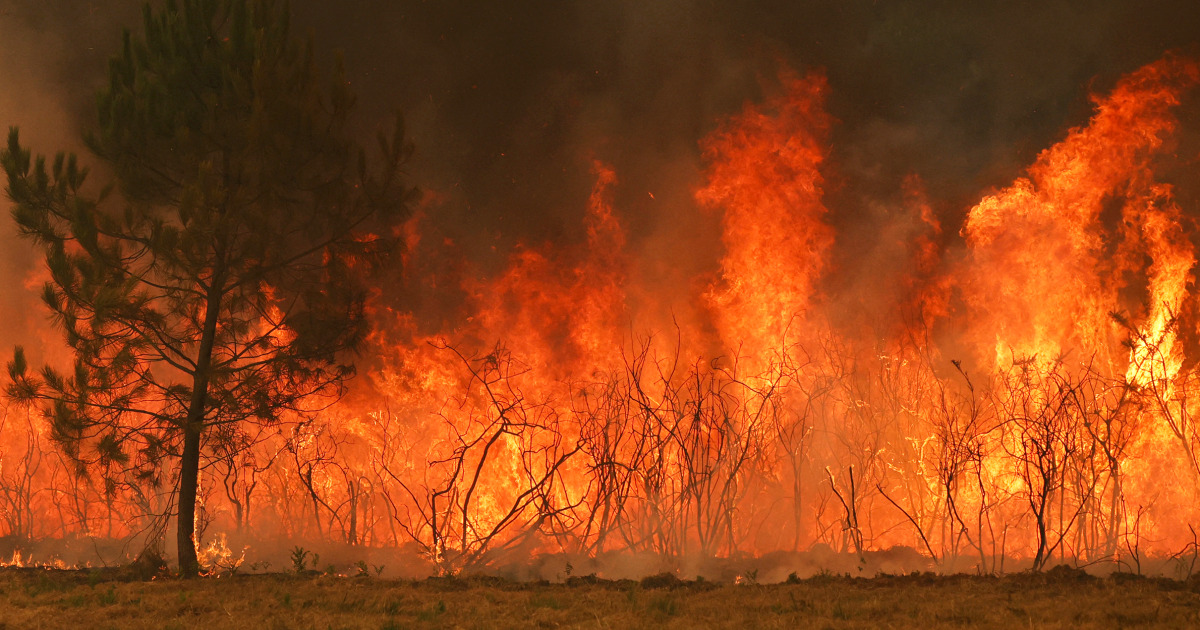
France and Spain battle wildfires as more than 250,000 people are forced to flee homes
Catastrophic wildfires ravaging southwestern France and central Spain have forced over 250,000 people to flee amid record-shattering temperatures and early heat waves.
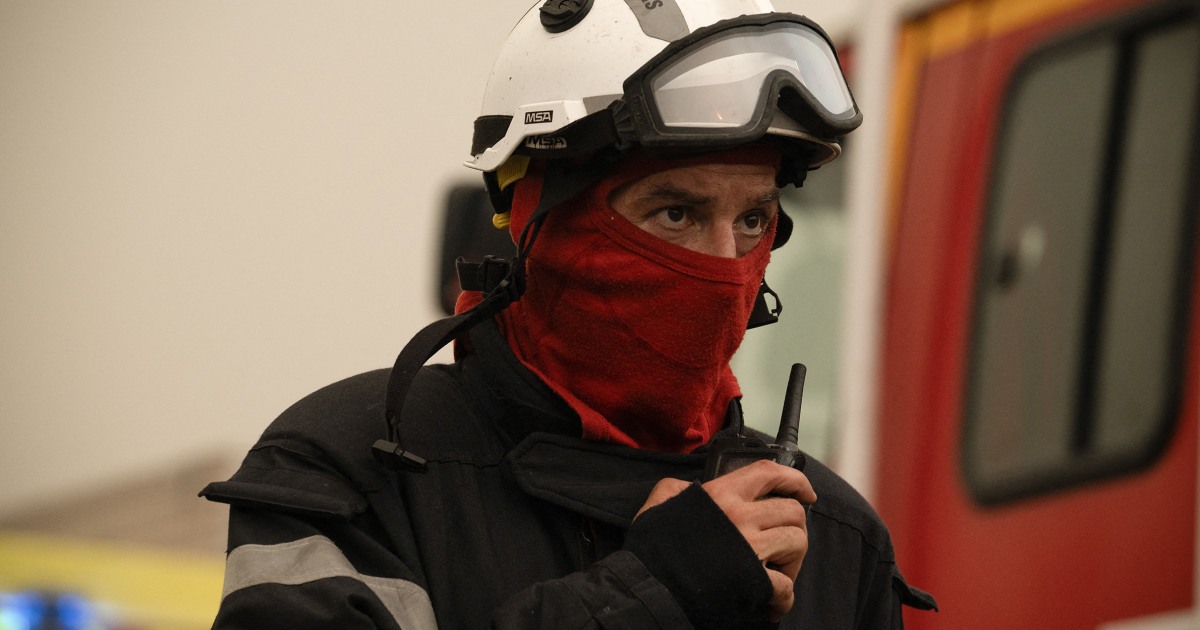
Catastrophic wildfires are ravaging southwestern France and central Spain, forcing more than 250,000 people to flee their homes amid record-shattering temperatures and successive early heat waves. The unprecedented blazes caught emergency services off guard, prompting international rescue requests, emergency military deployments, and drastic alterations to major national events. As crews battle self-sustaining firestorms that generate their own winds, authorities warn that the danger is far from over.
The human toll of the disaster continues to mount. According to reports from local authorities in the municipality of Manises, one man died, marking the first confirmed fatality in the blazes. Meanwhile, widespread evacuations have uprooted tens of thousands, including approximately 70,000 people evacuated in central Spain. Evacuees have described scenes of intense panic, fleeing by car and boat as fire swept through coastal tourist zones.
Related media

Unprecedented Firestorms and Military Intervention
In France, the crisis intensified when a major wildfire near the Cap Ferret peninsula grew into a firestorm. French Interior Minister Laurent Nunez explained that a wind shift caused the blaze to surge eastward toward the Bordeaux metropolitan area. Prime Minister Sébastien Lecornu described the fires as unprecedented, noting that the inferno began generating its own winds on Friday. In total, 141,000 people fled homes in the Gironde and Landes departments, according to the French interior ministry.
To combat the advance, France deployed a massive military A400M transport plane converted for firefighting, dropping heavy loads of ochre-colored retardant over drought-hit woodlands. The aircraft joined a fleet of at least 18 water-dropping planes and helicopters operating in rotation. The government mobilized soldiers to join fire crews and was rushing in 1.5 million face masks to protect against choking smoke. Gironde prefect Sophie Brocas noted that the fire destroyed about 140 homes in the region.
The immense strain on emergency services also forced extraordinary measures in the nation's capital. Race organizers and the Paris police department announced that the final stage of the Tour de France would be severely truncated. Instead of starting west of Paris, riders will race exclusively on an 89-kilometer (55-mile) circuit inside the city on Sunday, down by a third from the planned 133-kilometer (82.5-mile) route, allowing part of the race's security detail to redeploy and reinforce firefighting efforts in the southwest.
National Emergency Declared in Spain
South of the border, the Spanish government declared a national emergency for wildfires. Spanish Prime Minister Pedro Sánchez visited a command post west of Madrid, reporting that fires have already burned 130,000 hectares of forest this year, outpacing the decade's annual average of 100,000 hectares. Spain deployed 2,600 firefighters, police, and other emergency personnel alongside 19 water-dumping aircraft and helicopters to tackle blazes west of Madrid.
The Spanish interior ministry reported that 60,000 people were forced from their homes in central Spain. Thick black ash coated roof terraces in the north of Madrid's center, where residents were forced to keep windows closed against throat-irritating smoke. Wildfire analyst Raúl Quílez told The Associated Press that the crisis is compounded by structural changes in rural areas. The abandonment of traditional farmlands has removed natural buffer zones, allowing trees and undergrowth to creep right up to residential property lines.
International Aid and What to Watch Next
With local resources severely strained, both nations appealed to European Union partners for assistance. Other European nations were helping, with Italy, Greece, the Netherlands, Portugal, Croatia, the Czech Republic, Sweden, Slovakia, Germany and Switzerland already providing or expected to deploy water-dumping planes and helicopters to the Spanish and French fire fronts.
Meteorologists and civil protection agencies are closely monitoring shifting weather patterns. While Prime Minister Sánchez noted that more favorable weather offered a window of opportunity for fire crews, authorities caution that unpredictable wind shifts could easily reignite dormant fronts. Evacuees remain in temporary shelters, such as an exhibition center in Bordeaux, waiting for clearance to return home as coverage continues to track the disaster.
Archypedia is dedicated to independent, evidence-backed reporting. This briefing was synthesized from primary source reporting, corroborated across independent newsrooms, and verified against our Editorial Standards.
Transparency record
Evidence behind this report
This report synthesizes 4 distinct sources. Open the source ledger below to compare the underlying coverage.
Prepared under the Archypedia Editorial Policy by the Mara Ionescu editorial desk profile. AI-assisted tools may support drafting and verification; public accountability remains with Archypedia. Report an error.