AMOC slowdown from Greenland melt may be gradual and reversible
Recent research suggests the Atlantic Meridional Overturning Circulation is weakening linearly in relation to carbon emissions rather than facing an abrupt, irreversible tipping point.

The Atlantic Meridional Overturning Circulation (AMOC), a critical system of currents that transports warm, salty, tropical water to the North Atlantic, is currently experiencing a period of decline. While the AMOC is weaker now than at any point in the past 1,000 years, according to The Conversation, recent modeling indicates that the trajectory of this slowdown may be more predictable and less catastrophic than previous theories of an abrupt, irreversible collapse suggested.
Understanding the Mechanism of Weakening
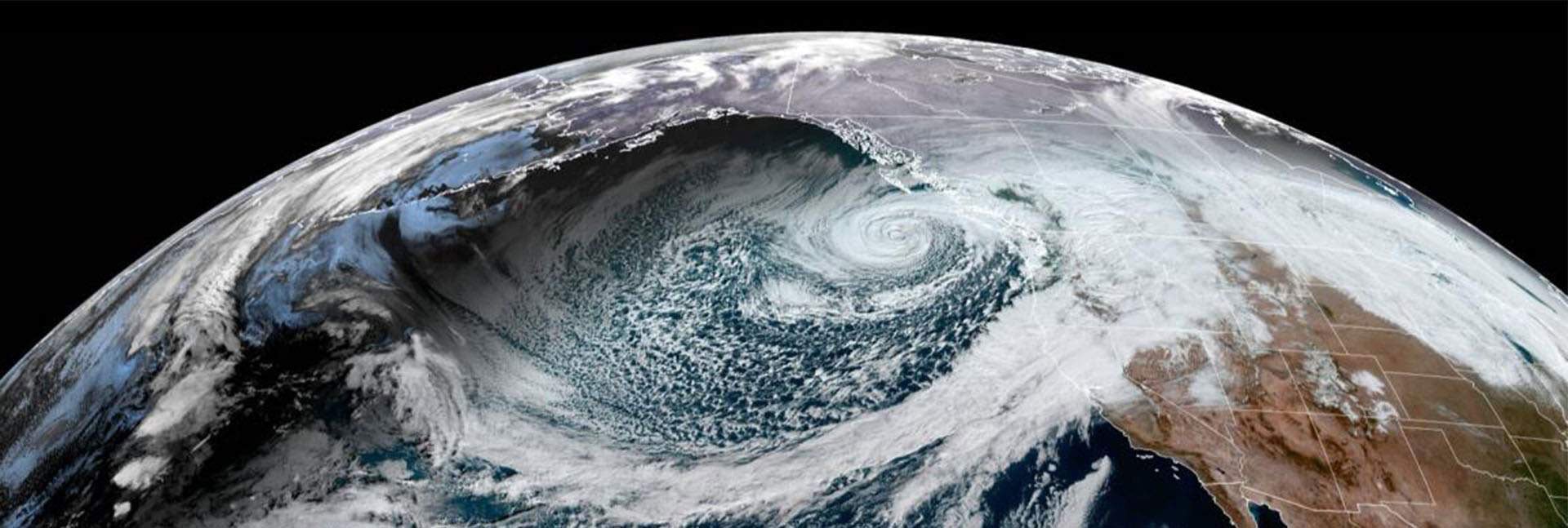
The AMOC functions by cooling and densifying salty water in the North Atlantic, which then sinks to the ocean floor and flows southward. This process drives the great global ocean conveyor belt
, which plays a primary role in regulating global climate and marine ecosystems. Experts state that the system is failing to maintain its traditional speed because fresh meltwater from Greenland and the Arctic is less dense than the surrounding seawater. This buoyancy prevents water from descending, thereby stifling the deep-water cascade and weakening the overall circulation.
Related media
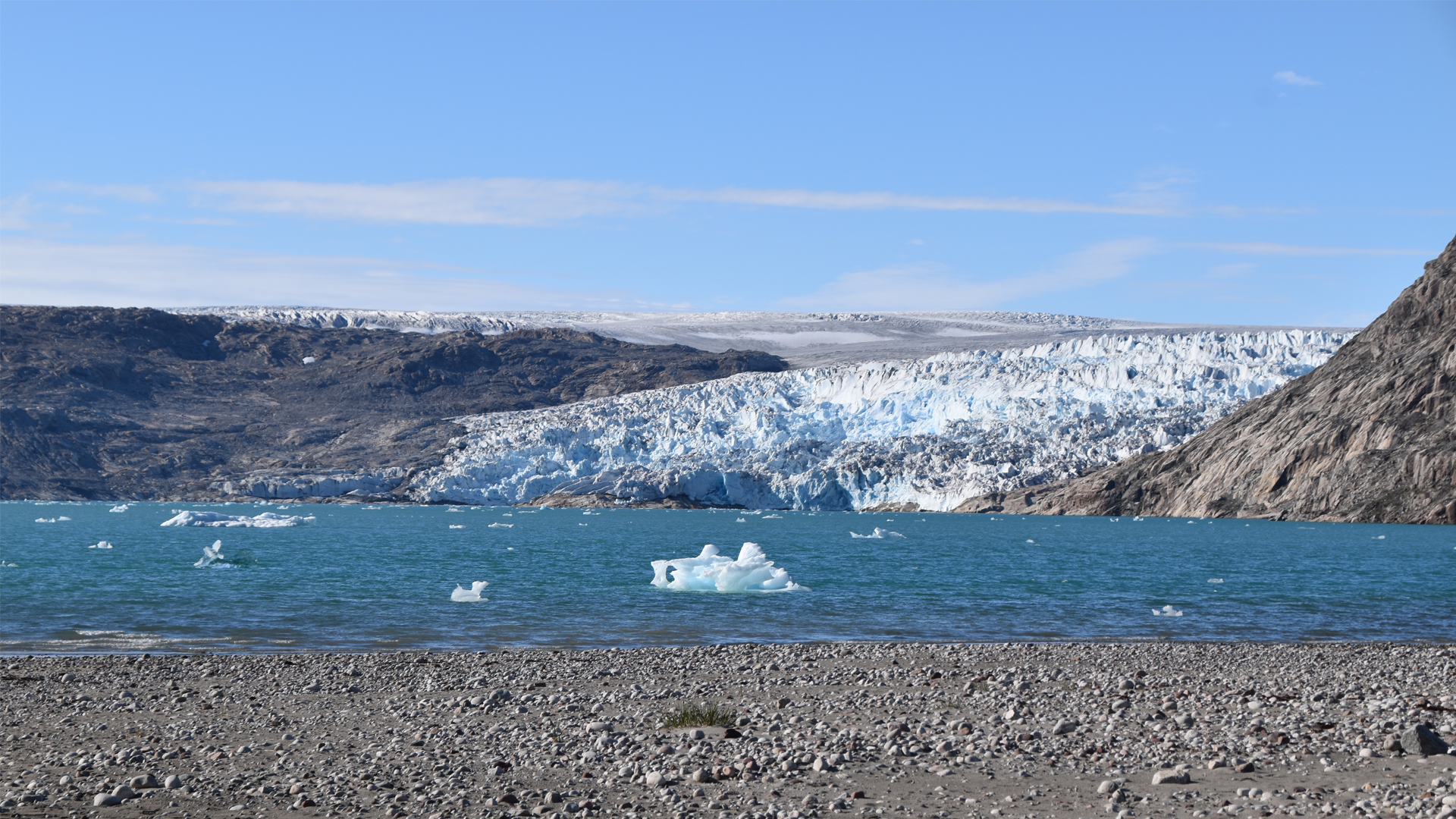
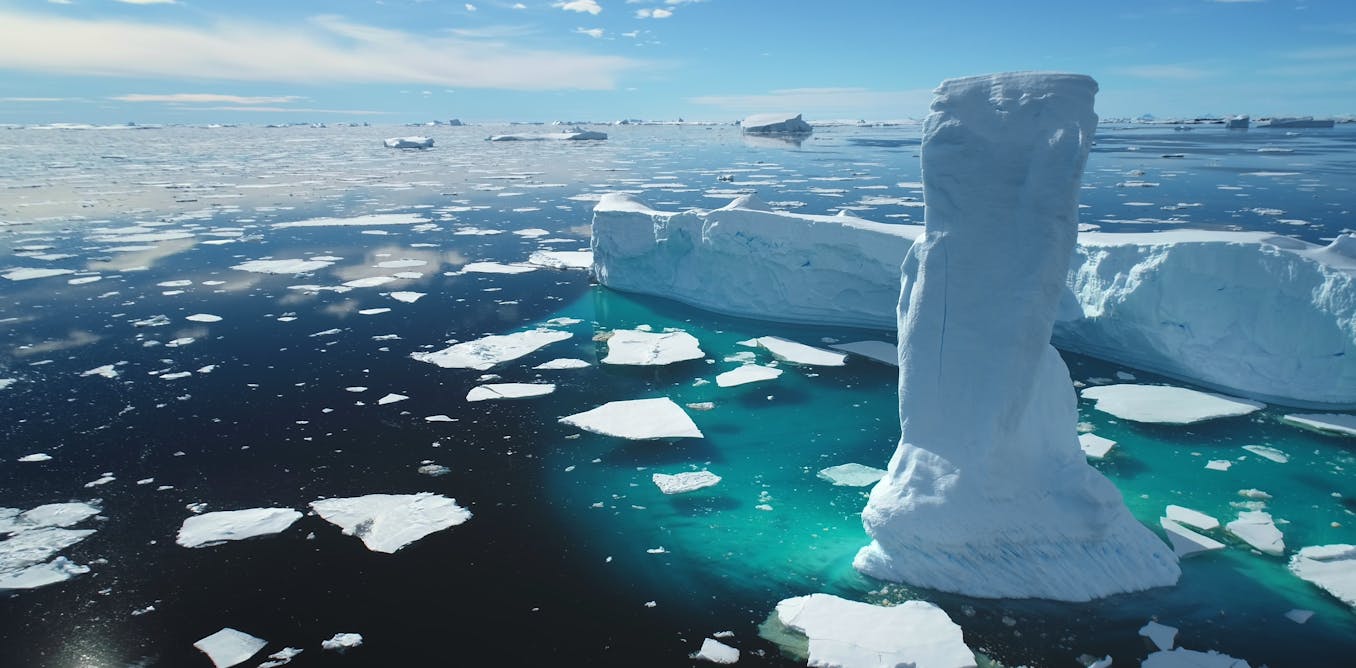
Research published in the journal Arxiv highlights that current climate models often fail to account for the increasing runoff from Greenland. When scientists incorporate physically plausible meltwater data into their simulations, the resulting models more accurately reflect the historical weakening of ocean currents observed since the middle of the 20th century. By failing to include this meltwater, previous projections likely underestimated the speed at which the AMOC would lose strength, according to The Invading Sea.
The Debate Over Tipping Points
The question of whether the AMOC faces a "tipping point"—a threshold beyond which the circulation would collapse in a way that is impossible to reverse—remains a subject of active debate. Some earlier studies hypothesized that the system could reach a point of no return within decades, potentially causing the North Sea to freeze and devastating European agriculture. However, newer research from Utrecht University, as reported by New Scientist, suggests that the conventional wisdom regarding an abrupt collapse may be overly simplistic.
"The conventional wisdom that the melting of the Greenland ice sheet could trigger an irreversible collapse of the AMOC in the future, this is definitely too simplistic a picture. Greenland meltwater alone is not sufficient to push the AMOC across a tipping point."
Oliver Mehling, Utrecht University, via New Scientist
While models show that the AMOC could weaken by a significant margin, the recent arXiv study suggests that this decline is remarkably linear
in relation to cumulative carbon dioxide emissions. The researchers behind this study found that when they simulated a reduction in carbon dioxide levels, the AMOC demonstrated a capacity for recovery, suggesting that the system remains reversible rather than prone to an abrupt cliff-edge collapse.
Potential Climate Impacts
Regardless of whether the decline reaches a terminal tipping point, a significant weakening of the AMOC carries immediate risks. Key impacts identified by researchers include:
- Europe: Increased likelihood of harsher winters as the warming effect of the Gulf Stream is diminished.
- Southern Hemisphere: Accelerated warming and potentially wetter summers for regions such as Australia and southern South America.
- Tropics: Disruption to monsoon systems, potentially leading to drier conditions in the northern tropics.
- Oceanic Conditions: The phenomenon of a
warming hole
in the North Atlantic, where surface temperatures remain lower than the global average due to reduced heat transport.
What to Watch Next
The field of climate modeling continues to evolve as researchers integrate more complex ice sheet data into their simulations. To understand the future of the AMOC, scientists are focusing on several key areas:
| Factor | Area of Inquiry |
|---|---|
| Antarctic Melt | While Greenland is the current focus, uncertainty remains regarding how meltwater from the South Pole will impact global salt and temperature gradients. |
| Arctic Shift | As the sea ice edge retreats, the Arctic Ocean is becoming a more prominent driver of the AMOC, a change that requires closer monitoring. |
| Model Consensus | Researchers like Jonathan Baker of the Met Office note that current findings are another step in the process, not a final settlement, as different climate models may yield varying results based on their underlying architecture. |
Ultimately, the consensus among researchers, including those interviewed for Arctic Today, is that while the risk of an abrupt, irreversible collapse may be smaller than previously feared, the ongoing weakening of the AMOC is a significant environmental challenge that remains closely tied to human-driven carbon emissions. Future projections will prioritize the role of the Arctic and the accuracy of long-term meltwater estimates to refine our understanding of the Atlantic's role in the global climate system.
How significant is this development?
Contribute your assessment to the aggregated reader intelligence ledger.
Archypedia is dedicated to independent, evidence-backed reporting. This briefing was synthesized from primary source reporting, corroborated across independent newsrooms, and verified against our Editorial Standards.
Transparency record
Evidence behind this report
This report synthesizes 5 distinct sources. Open the source ledger below to compare the underlying coverage.
Prepared under the Archypedia Editorial Policy by the Niko Vale editorial desk profile. AI-assisted tools may support drafting and verification; public accountability remains with Archypedia. Report an error.