Scientists sail to Greenland to study glacier melt impact on ocean currents
An international team is using autonomous technology to study Greenland's ice loss and its potential to disrupt global ocean circulation. The GIANT project aims to develop early warning models for glacier collapse.

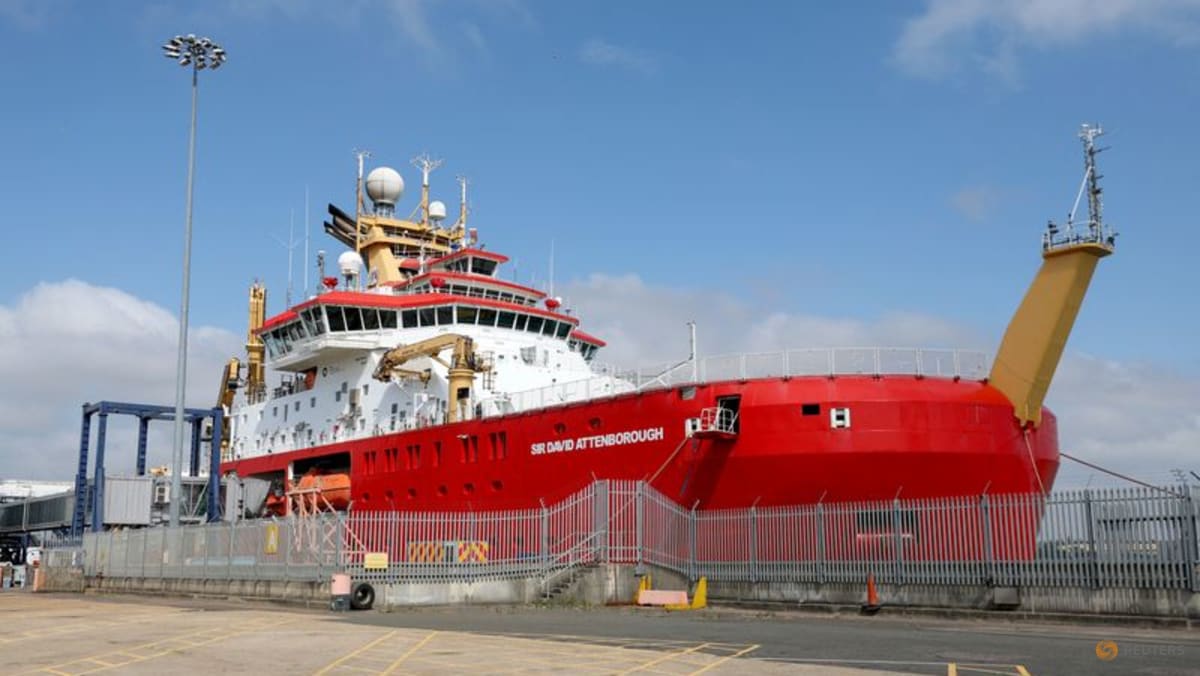
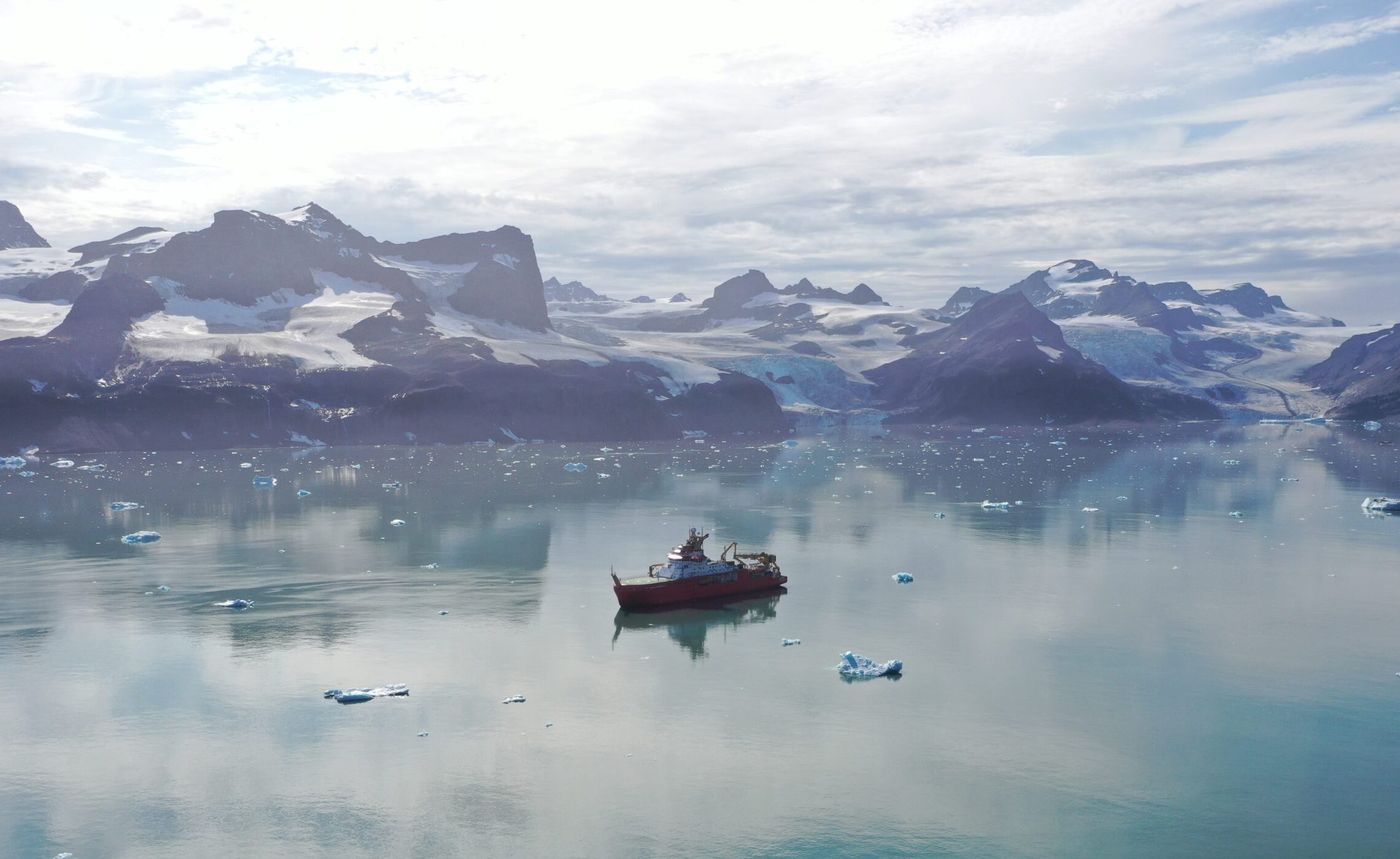
An international team of approximately 80 scientists and crew members is deploying to Greenland this week to investigate the rapidly accelerating loss of ice and its potential to trigger critical climate tipping points. The mission is carried out aboard the polar research vessel RRS Sir David Attenborough. The vessel serves as a floating laboratory for the five-year project known as GIANT (Greenland Ice sheet to AtlaNtic Tipping points), which is funded by the Advanced Research + Invention Agency (ARIA) and led by the British Antarctic Survey (Bas).
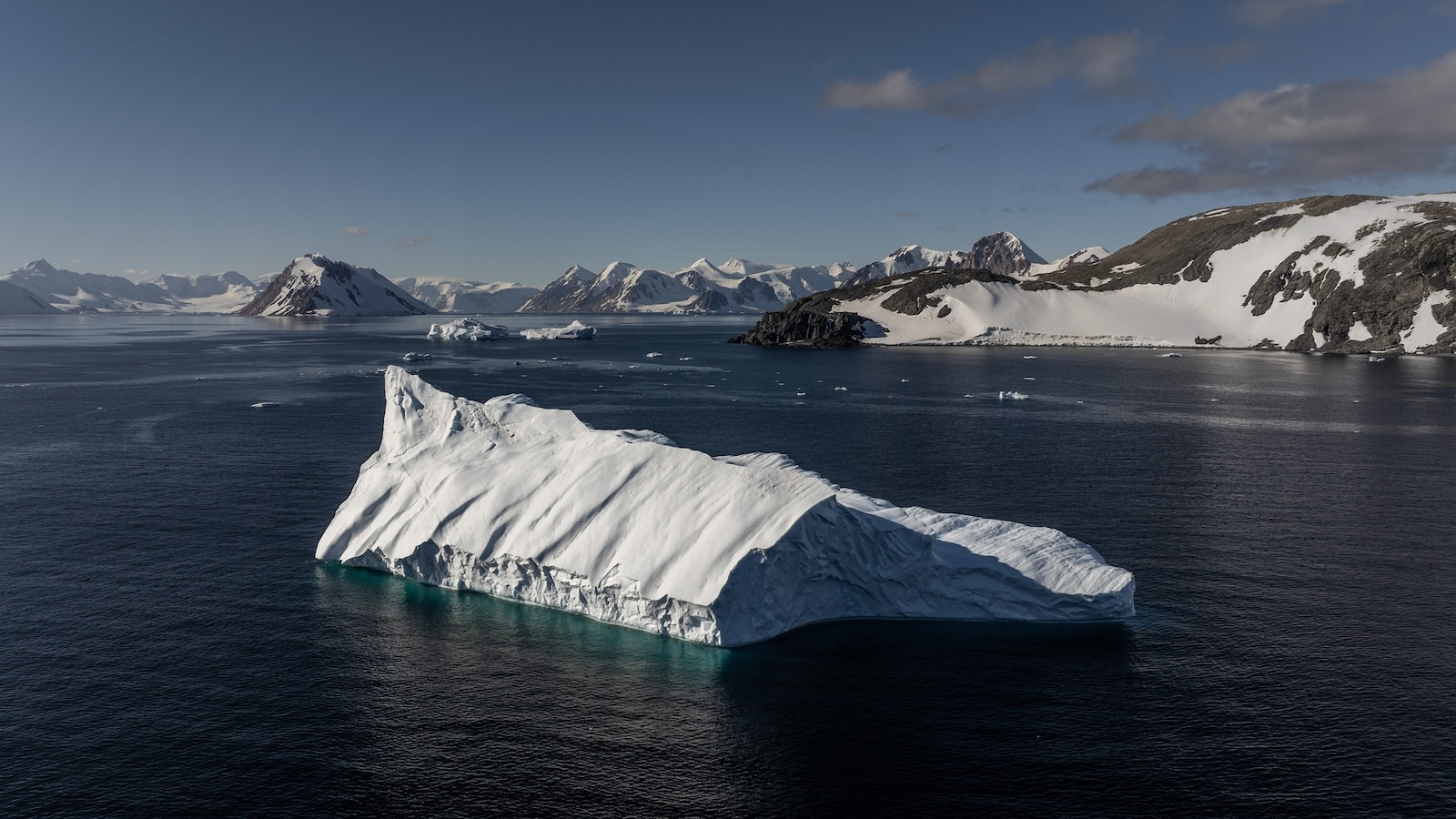
The expedition aims to determine if the discharge of freshwater from Greenland's melting ice sheet could effectively "cap" the North Atlantic Subpolar Gyre. Scientists express concern that such a disruption could slow the global conveyor belt of ocean currents, which regulates temperatures in Europe and North America. Project leaders suggest that if the current system is altered, the consequences could include more extreme weather and rising sea levels. Some estimates suggest changes to the subpolar gyre could occur as early as the 2040s.
Related media
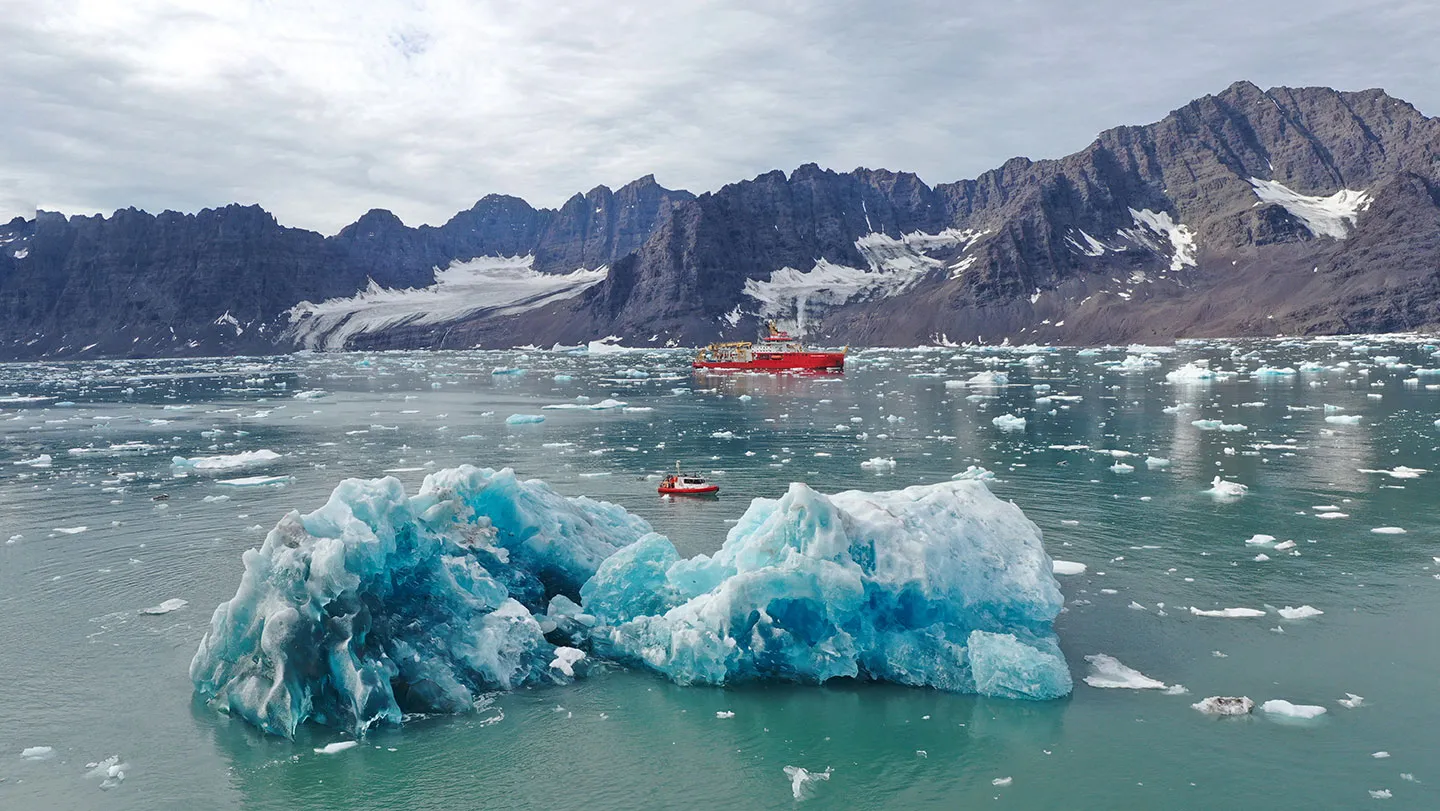
A High-Tech Fleet in Perilous Waters
The mission utilizes an unprecedented array of autonomous technology to probe the boundary layer where ice meets the sea — a region previously inaccessible due to hazardous iceberg calving. The RRS Sir David Attenborough acts as a mothership for a squadron of uncrewed vehicles. This includes the high-tech submersible nicknamed "Boaty McBoatface," which will dive 1500 metres below the glacier mélange to map its geometry. The project also employs an uncrewed surface vessel to map glacier fronts using multibeam sonar.
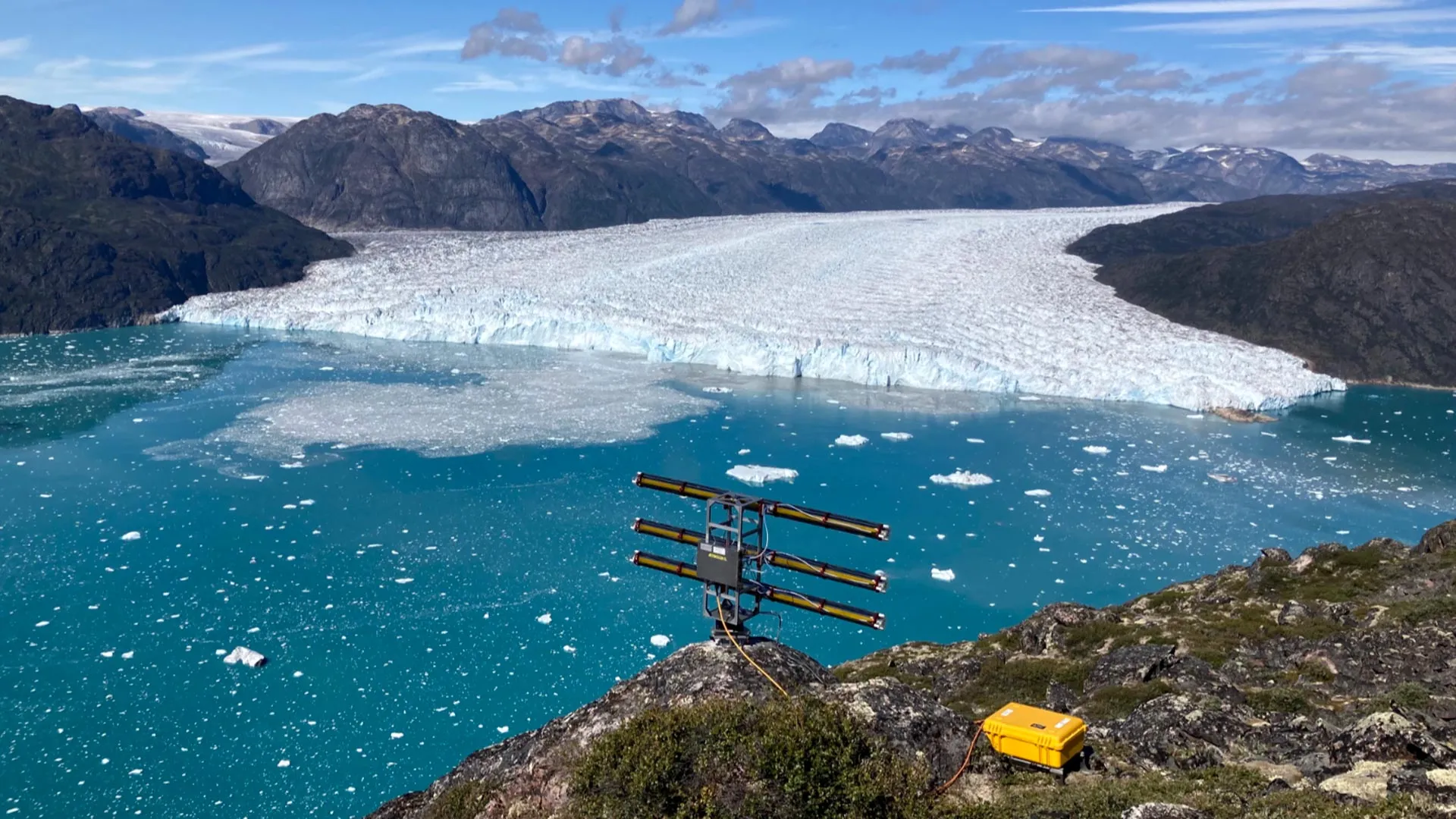
Beyond mapping, the team is deploying the "Meltstake," an instrument that will be affixed to the glacier edge to measure melting, and using fiber-optic technology on the seafloor to track internal underwater waves. Research indicates that internal waves — which can reach heights comparable to skyscrapers, mix water layers and accelerate erosion at the base of ice cliffs. Scientists emphasize that these minute processes, such as bubbles releasing from the ice, play a critical role in the mass loss of ice sheets.
Predicting the Future
The project intends to bridge the gap between small-scale physical processes and global-scale climate trends. The team will focus on two distinct glacial environments:
- Kangerlussuaq (South-East Greenland): Tidewater glaciers that flow through long, narrow fjords and experience frequent calving.
- Petermann Glacier (North-West Greenland): A wider system terminating in a long, floating ice tongue.
The expedition is not purely observational; it aims to build a prototype Early Warning System for glacier collapse. The work is inherently high-risk, as current climate models have historically treated ice melt as a simplified process.
Despite the uncertainty, researchers maintain that the effort is vital for improving climate forecasting regardless of the specific outcome."Trying to build modelling systems that can capture abrupt glacier change is bold and risky. The science is intricate, and there’s a real chance we won’t be able to predict sudden ice losses."
Paul Holland, Professor and lead of computer modelling efforts, via BAS
Data collected by the fleet will be fused via artificial intelligence to create new algorithms, which will be incorporated into the next-generation UK Earth System Model. By developing these tools, scientists hope to provide governments and society with the information necessary to build resilience against a changing climate.
Archypedia is dedicated to independent, evidence-backed reporting. This briefing was synthesized from primary source reporting, corroborated across independent newsrooms, and verified against our Editorial Standards.
Transparency record
Evidence behind this report
This report synthesizes 10 distinct sources. Open the source ledger below to compare the underlying coverage.
- bas.ac.uk
- srnnews.com
- sciencedaily.com
- sciencenews.org
- jsg.utexas.edu
- yahoo.com
- euronews.com
- colorado.edu
- devdiscourse.com
- newcivilengineer.com
Prepared under the Archypedia Editorial Policy by the Niko Vale editorial desk profile. AI-assisted tools may support drafting and verification; public accountability remains with Archypedia. Report an error.