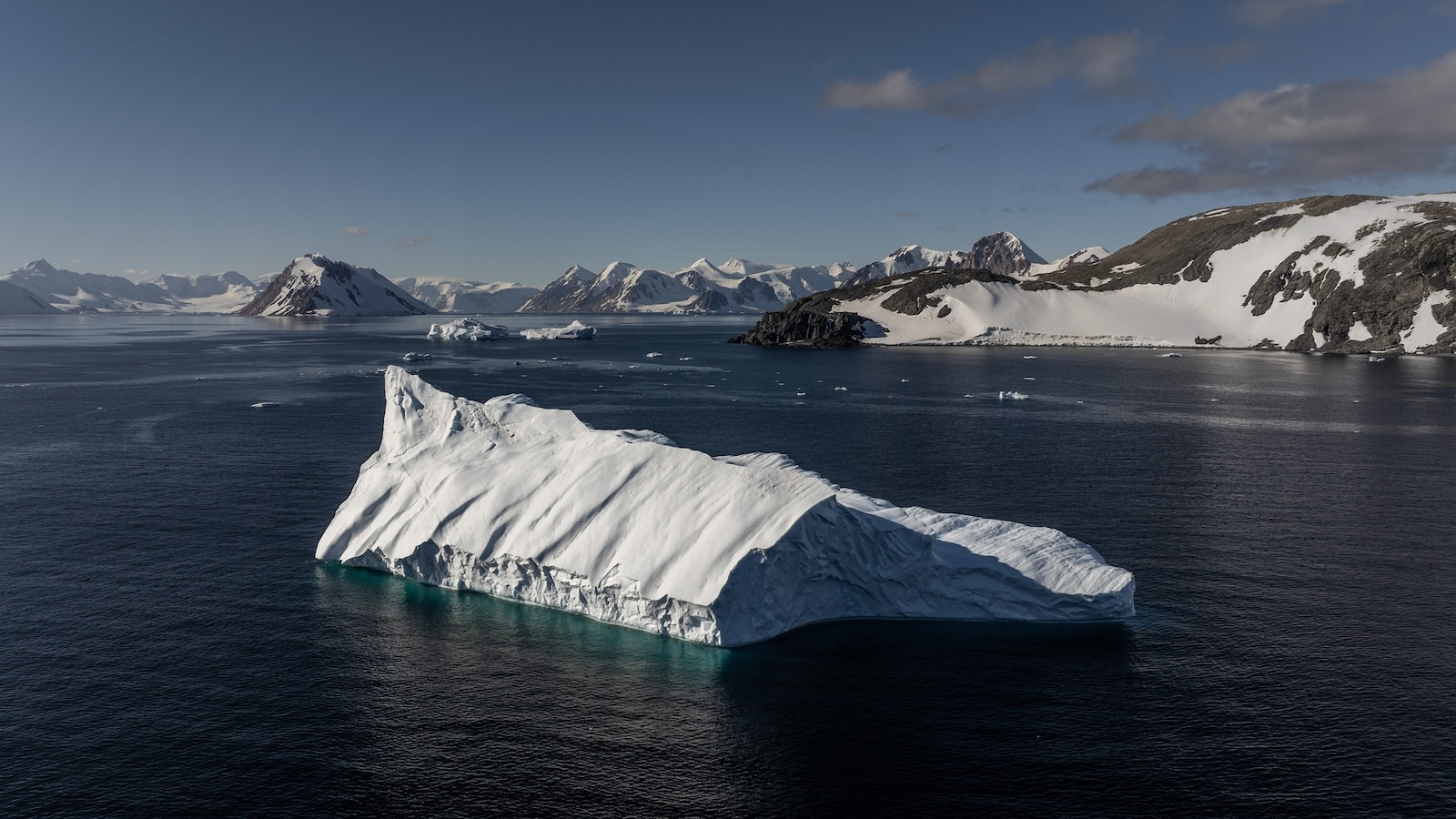
RRS Sir David Attenborough scientists depart to study Greenland ice melt
Scientists are embarking on a five-year mission to determine if melting Greenland glaciers could trigger a collapse of vital Atlantic Ocean currents. Using advanced autonomous technology, the team aims to develop an early-warning system for abrupt climate changes.
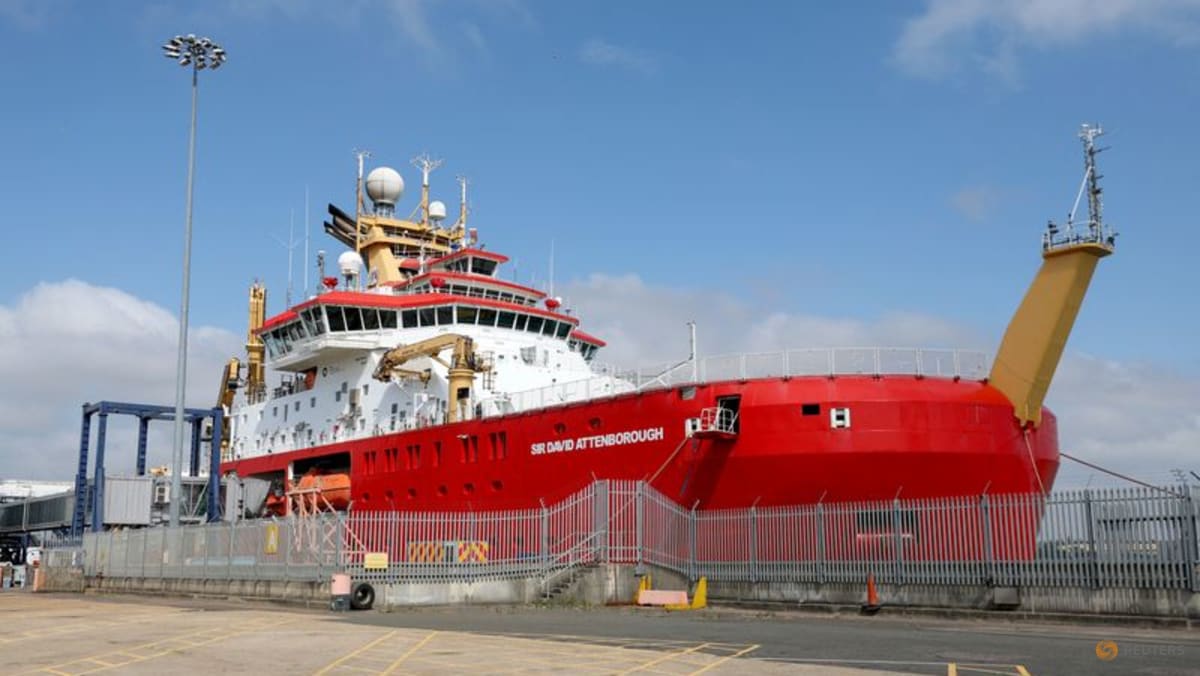
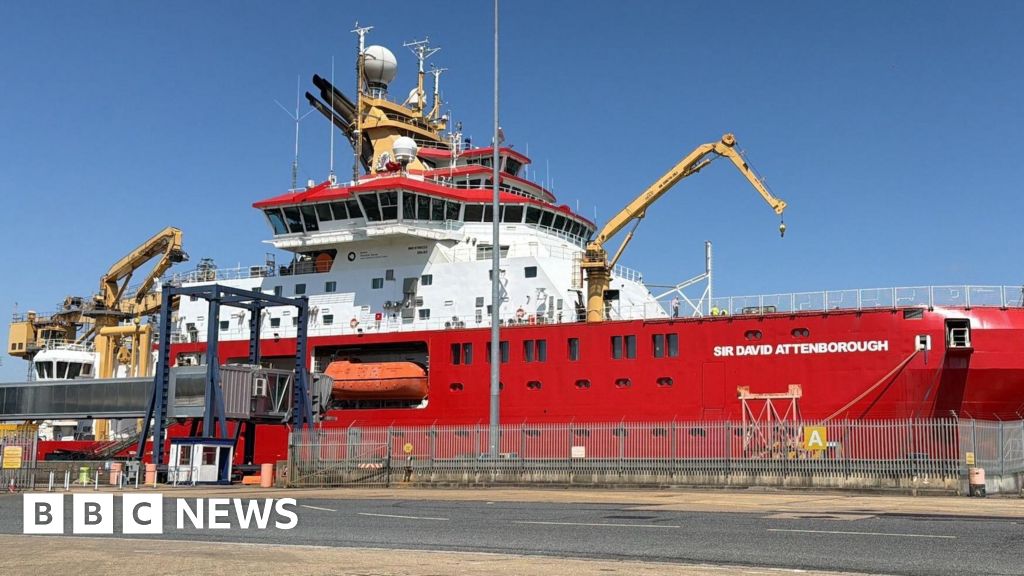
An international team of scientists and crew members is set to depart from Harwich, England, this week aboard the polar research ship RRS Sir David Attenborough. The expedition marks the beginning of an urgent, multi-year mission to determine whether the rapid melting of Greenland’s glaciers could trigger a collapse of a vital Atlantic Ocean current system. The findings from this voyage are expected to provide essential data for climate models and the development of an early-warning system for sudden glacier changes.
The mission, known as GIANT — Greenland Ice sheet to AtlaNtic Tipping points — is a five-year project funded by the UK’s Advanced Research and Invention Agency (ARIA). Led by the British Antarctic Survey (Bas), the team includes 17 international partners. Researchers are concerned that as Greenland sheds vast quantities of freshwater into the North Atlantic, the influx could disrupt the North Atlantic Subpolar Gyre. This system is a critical component of the Atlantic Meridional Overturning Circulation (AMOC), a network of currents that helps stabilize the global climate and maintains milder temperatures in Western Europe.
Related media
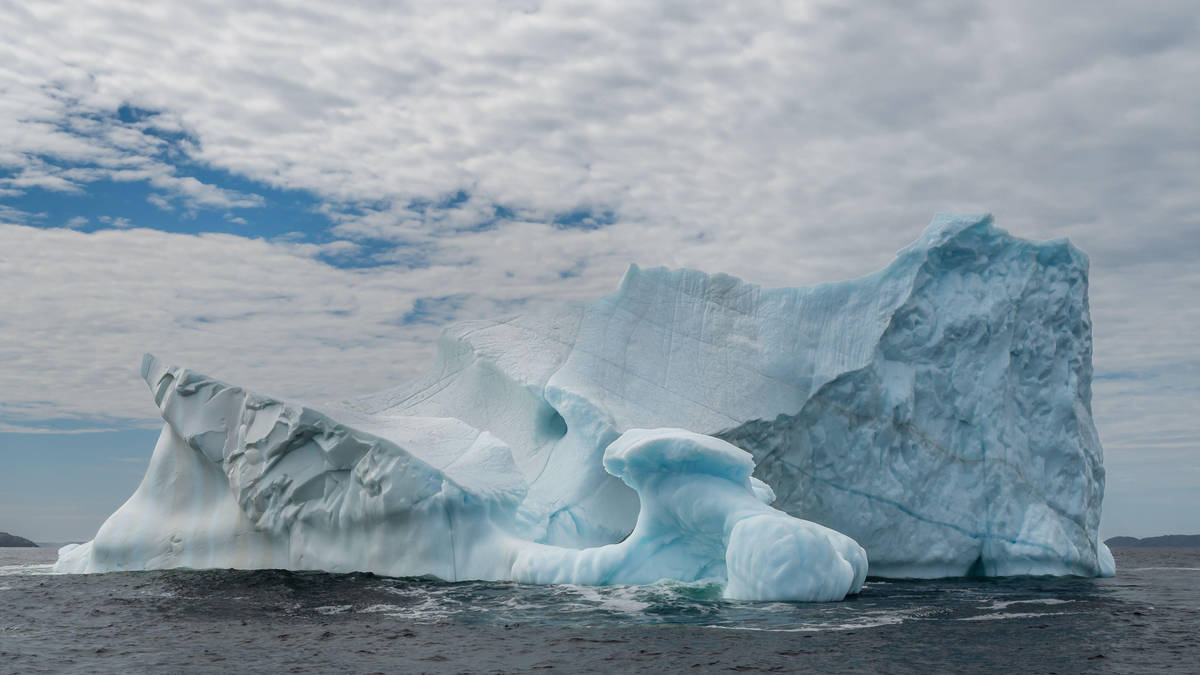
According to researchers, the urgency of the mission is underscored by recent extreme weather. Kelly Hogan, a marine geophysicist at BAS who is leading the mission, noted that recent heat waves in the UK and Europe have highlighted the difficulty of adapting to even small climate shifts. Some climate projections suggest that changes to the North Atlantic Subpolar Gyre could occur as early as the 2040s, potentially leading to increased storminess in winters, impacts on agriculture, and disruptions to regional water supplies.
The expedition will focus on two distinct glacier systems in Greenland. The first, located near Kangerlussuaq Fjord in the southeast, features tidewater glaciers that terminate in narrow, steep-walled fjords. By studying these systems, scientists hope to understand how different glacier structures respond to warming ocean and atmospheric conditions.
Technology and Research Methods
The mission utilizes a "pioneering array of data" collection methods that were previously considered impossible to deploy in such hazardous environments. The RRS Sir David Attenborough serves as both a floating laboratory and a launch platform for a diverse fleet of autonomous vehicles. Among the tools being deployed are:
- Boaty McBoatface: A high-tech submersible that will dive 1,500 meters beneath the "ice mélange", a dense, churning mixture of sea ice and icebergs, to map the geometry of glacier fronts.
- Meltstake: A first-of-its-kind instrument designed to be drilled into the ice 100 meters below the surface to measure how heat is transferred from the ocean to the ice in real time.
- DriX: A surface-skimming robotic boat that uses scanning sonar to map underwater glacier shapes and monitor melt rates on hourly to daily timescales.
The data collected from these instruments will feed into the UK Earth System Model. Scientists aim to incorporate the behavior of narrow fjords, previously too small to be represented in global models, into these simulations. We’re in a moment where our tools have finally caught up with our questions,
said Hogan. By using machine learning and AI, the team intends to transform these fragmented observations into a prototype Early Warning System that could alert policymakers to abrupt glacier changes.
Context and Climate Projections
The research into the Greenland ice sheet occurs as observations suggest that extreme melting events are intensifying. Research published in Nature Communications, led by the University of Barcelona, indicates that the volume of water released during extreme melt events has surged sixfold since 1990.
As the team departs, the vessel remains a point of public fascination. While officially named after the veteran naturalist, the ship is widely known in the UK by the name "Boaty McBoatface," which originated from a 2016 public naming poll.
Archypedia is dedicated to independent, evidence-backed reporting. This briefing was synthesized from primary source reporting, corroborated across independent newsrooms, and verified against our Editorial Standards.
Transparency record
Evidence behind this report
This report synthesizes 10 distinct sources. Open the source ledger below to compare the underlying coverage.
- bbc.com
- channelnewsasia.com
- yahoo.com
- lbc.co.uk
- srnnews.com
- bas.ac.uk
- sciencedaily.com
- scientificamerican.com
- sciencenews.org
- devdiscourse.com
Prepared under the Archypedia Editorial Policy by the Niko Vale editorial desk profile. AI-assisted tools may support drafting and verification; public accountability remains with Archypedia. Report an error.