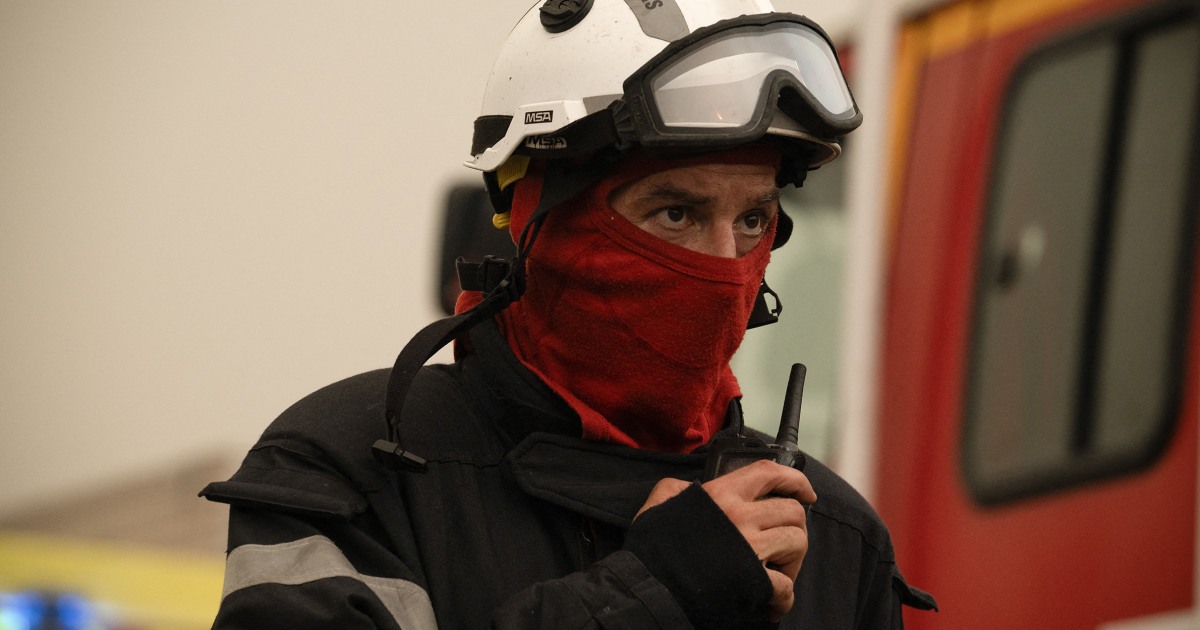
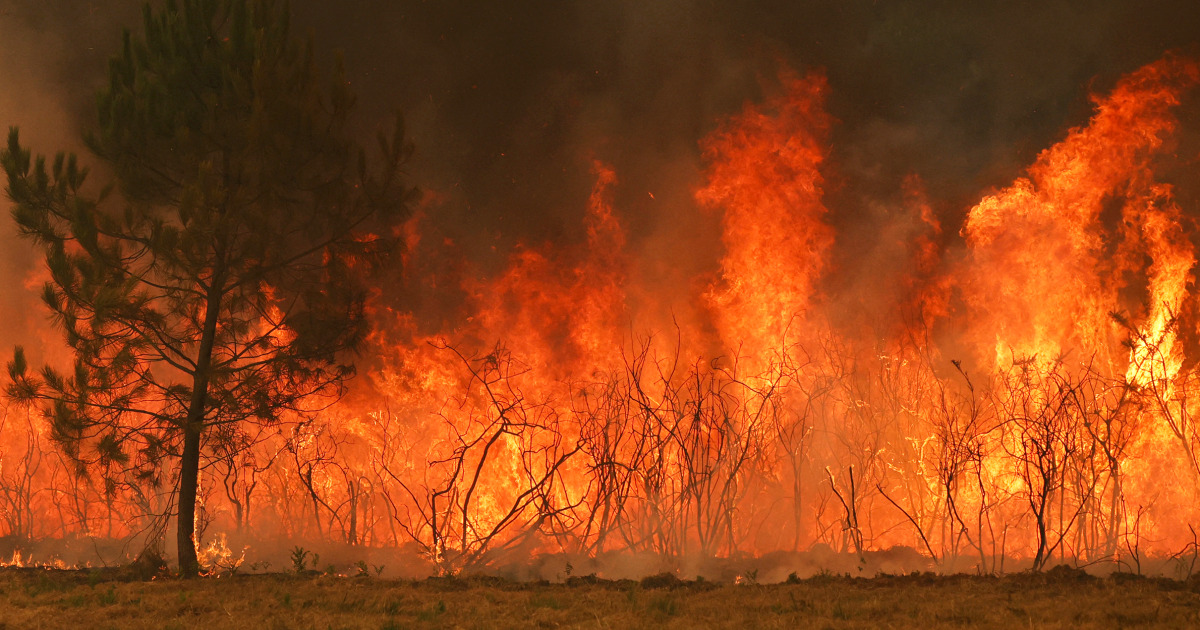
Wildfires: More than 200,000 people flee or lock down as blazes sweep France and Spain
Massive wildfires across France and Spain have forced hundreds of thousands of people to evacuate or lock down as national emergency declarations are issued.

Massive wildfires sweeping across France and Spain have forced hundreds of thousands of residents and tourists to flee their homes or lock down in place, triggering national emergency declarations and straining emergency services to their absolute limits.
According to Lbc, the combined evacuation toll across both nations has reached approximately 200,000 people. The crisis is unfolding amid a brutal combination of extreme summer heatwaves, prolonged drought, and tinder-dry vegetation. Scientists quoted by BruDirect note that Europe is warming at more than twice the global average rate, creating unprecedented wildfire risks.
Related media
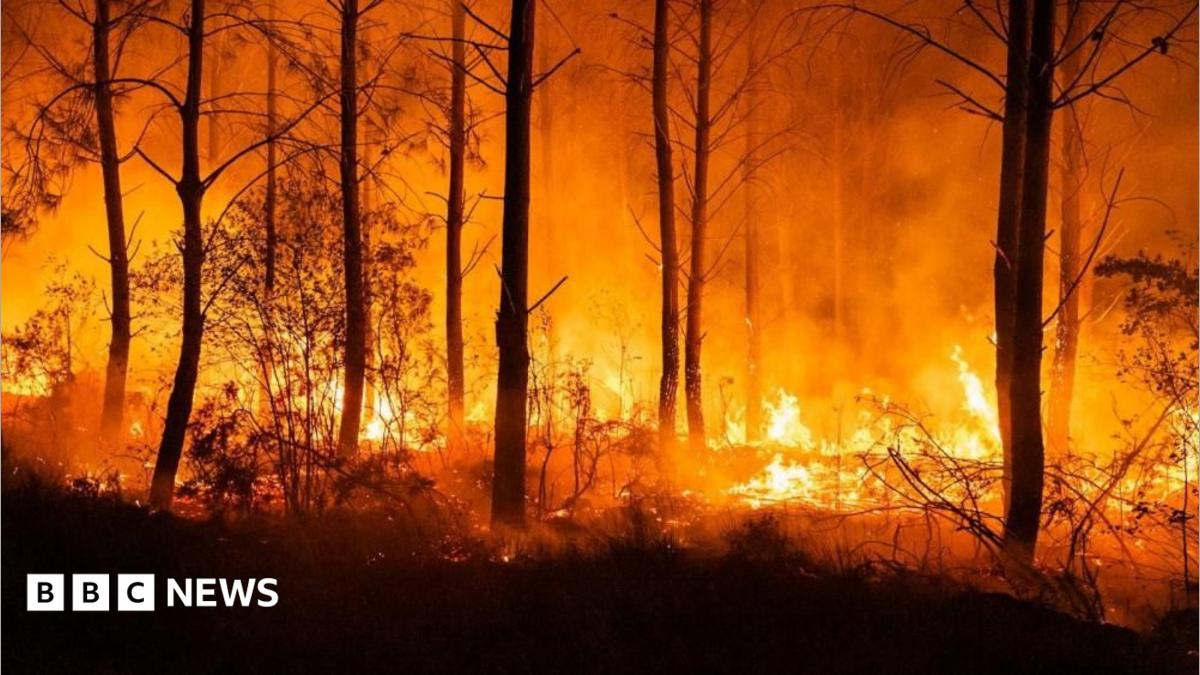
The Crisis in South-West France
In France, the hardest-hit areas are concentrated in the Gironde and Landes regions near Bordeaux. French Prime Minister Sebastien Lecornu stated on X, as reported by The Irish Times, that over 141,000 people have been evacuated from these zones. Lecornu described the fires as having reached a level that has never been seen before
. The French army has been deployed to assist exhausted crews, and Bordeaux Airport has been closed due to the advancing smoke and flames.
Local administration head Sophie Brocas announced that suburbs near Bordeaux, including Le Haillan, Eysines, and Merignac, were cleared out as fires showed no signs of abating. Further down the Atlantic coast, authorities ordered the total evacuation of the popular Cap Ferret peninsula village by village
. Boats ferried hundreds of people off piers as the blaze threatened to sever the peninsula's only access road. Philippe de Gonneville, the mayor of Lège-Cap Ferret, remarked on the speed of the disaster, noting that the fire spread faster than anticipated.
French Interior Minister Laurent Nuñez reported that roughly 50 firefighters had been injured while combating what he termed an unprecedented convective fire
that is self-sustaining and constantly shifting direction.
Spain's National Emergency
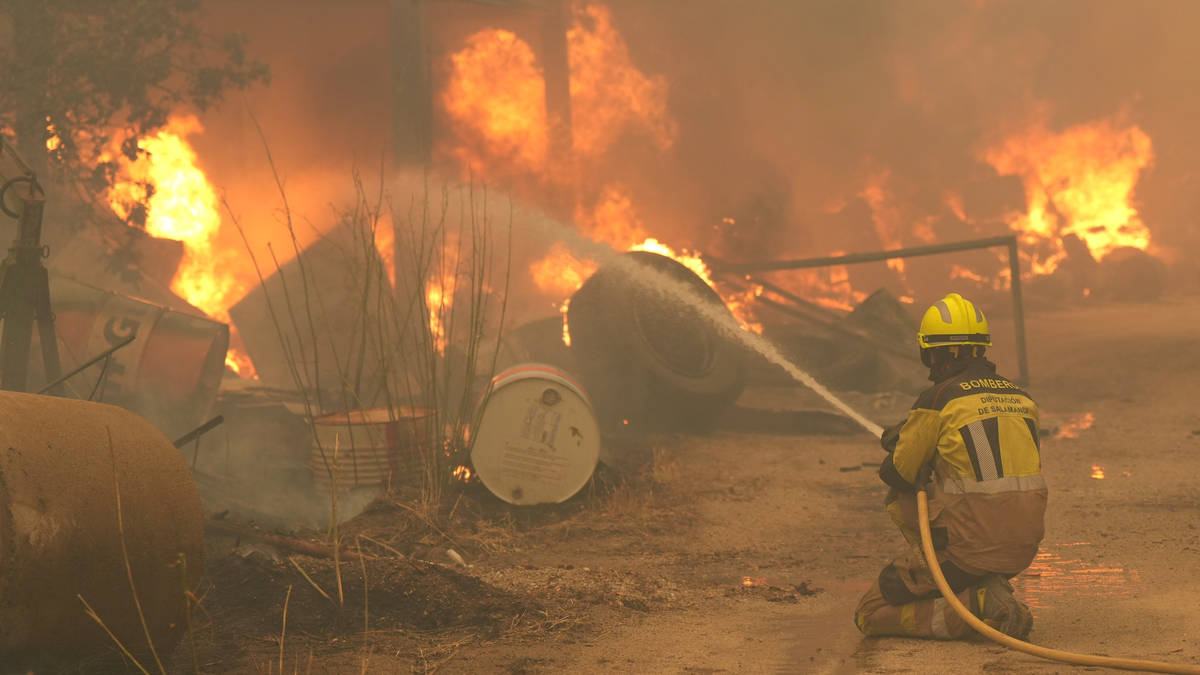
Across the border, Spain declared its first-ever national emergency for a wildfire after multiple blazes merged west of Madrid. Regional leader Isabel Díaz Ayuso described the disaster as the worst wildfire in our region's history
, pointing to a perfect storm of extremely high temperatures and relentless winds
. Madrid's emergency management chief, Carlos Novillo, warned that the main fire had reached its peak and was beyond the capacity
of firefighters to extinguish, forcing authorities to pivot strictly to defensive measures.
Authorities in Madrid reported that approximately 25,000 people were evacuated, while more than 20,000 were placed under lockdown. Spanish officials deployed the Military Emergency Unit to protect vulnerable towns, while Prime Minister Pedro Sánchez chaired emergency response meetings and pledged full state support for recovery efforts. Meanwhile, the Guardia Civil arrested one person and placed another under investigation in connection with a separate blaze in the Ávila province, alleging that heavy machinery use during a ban sparked the fire.
International Aid and Regional Impact
With local resources overwhelmed, both nations activated the European Union's civil protection mechanism. French President Emmanuel Macron confirmed that international reinforcements would soon arrive:
- Two Croatian Canadair aircraft
- Two Portuguese Air Tractor planes
- Two heavy Black Hawk helicopters from the Czech Republic and Slovakia
The broader catastrophe extends beyond France and Spain. Yahoo News reported intensive firefighting efforts on the Italian island of Sicily, where thousands of responders tackled major blazes. The European Forest Fire Information System indicates that wildfire activity across the EU has broken historical records for this time of year.
What to Watch Next
- Prime Minister Pedro Sánchez is scheduled to visit the affected emergency coordination zones.
- Meteorological agencies are monitoring whether winds will shift or subside to allow firefighters to attack uncontained fronts.
- Arrival of specialized EU aerial reinforcements from Croatia, Portugal, the Czech Republic, and Slovakia.
Archypedia is dedicated to independent, evidence-backed reporting. This briefing was synthesized from primary source reporting, corroborated across independent newsrooms, and verified against our Editorial Standards.
Transparency record
Evidence behind this report
This report synthesizes 7 distinct sources. Open the source ledger below to compare the underlying coverage.
Prepared under the Archypedia Editorial Policy by the Samir Haddad editorial desk profile. AI-assisted tools may support drafting and verification; public accountability remains with Archypedia. Report an error.