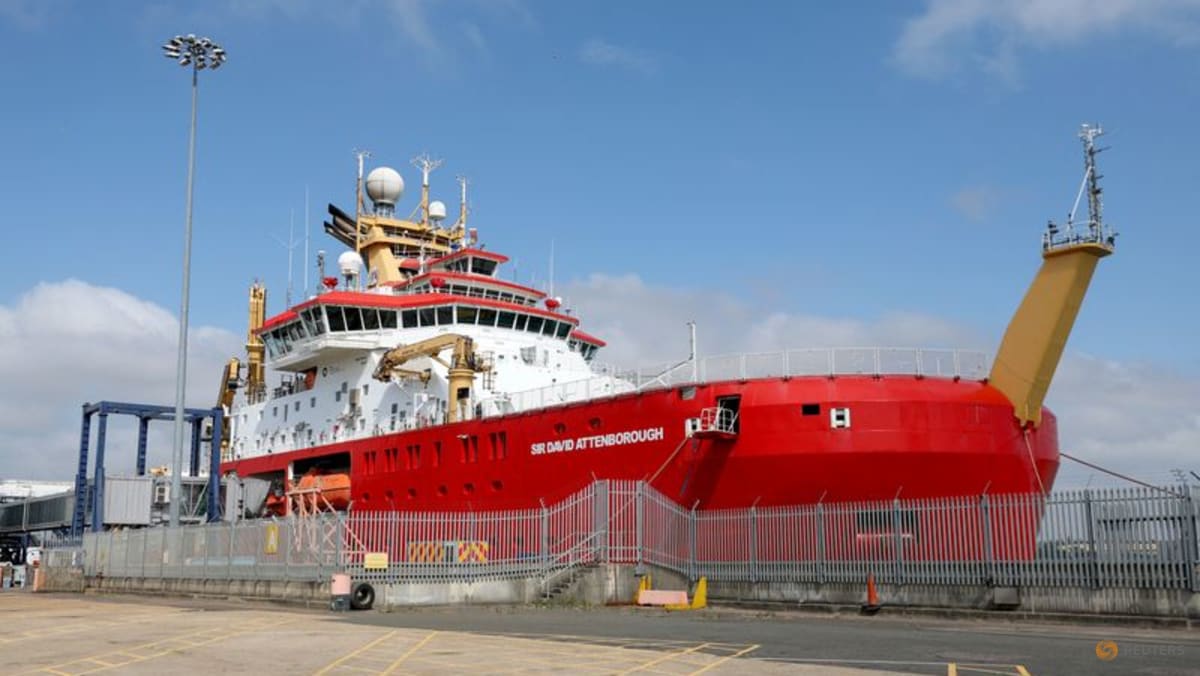
West Antarctica sea ice fails to refreeze after winter heatwave
Satellite data reveals a stark shortfall in winter sea ice across West Antarctica, threatening critical wildlife habitats and the stability of the Thwaites Glacier.
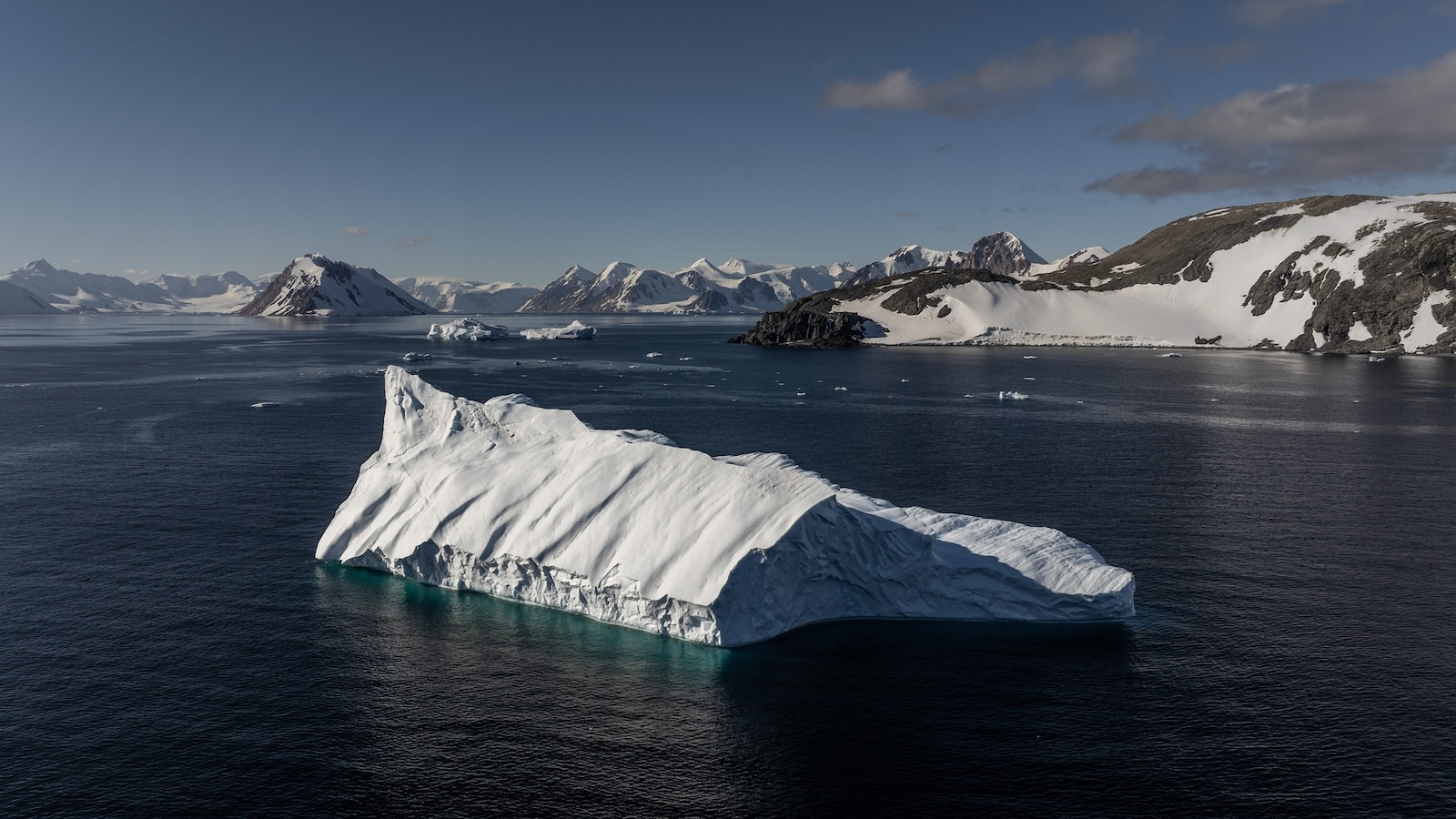
A massive expanse of sea ice in West Antarctica has failed to refreeze following a winter heatwave, a development that scientists warn could accelerate global sea level rise. Satellite imagery from the University of Colorado Boulder's National Snow and Ice Data Center indicates that approximately 150,000 square miles of sea ice — an area roughly the size of Montana — is missing from the region during the Southern Hemisphere's mid-winter, a period when these waters are typically frozen.
The shortfall is stark. In June 2025, data from the Copernicus Earth observation program recorded 12.6 million square kilometers of Antarctic sea ice, which is about 1.3 million square kilometers below the 1991-2020 average. In the Bellingshausen Sea specifically, the region was missing about 650,000 square kilometers of ice compared to that same average, an area roughly the size of France and nearly ten times the size of Tasmania, according to reporting by Wired.
Related media

The Drivers of the "Warming Shock"
Glaciologists suggest the region has entered a new, much reduced state
since 2015, where rising sea and air temperatures prevent the usual winter recovery. Peter Neff, a glaciologist at the University of Minnesota, estimated that sea ice levels in West Antarctica this year are approximately 50% lower than average. Neff attributes the trend to strengthening westerly winds linked to global warming and the subsequent ocean response.
The atmospheric conditions have been extreme. Ellen Buckley, an assistant professor at the University of Illinois Urbana-Champaign, noted that a low-pressure anomaly north of the Bellingshausen Sea has likely drawn warm air from higher latitudes into the region. This lack of reflective white ice further exacerbates the warming, as there is no surface to keep the area cold.
According to National Oceanic and Atmospheric Administration data, the Bellingshausen Sea surface temperatures from January through April were between 1.8 and 5.4 degrees Fahrenheit above average. Even as conditions cooled slightly in May, they remained 1.8 to 3.6 degrees Fahrenheit above normal. The heat continued into June, with air temperatures forecast to reach up to 18 degrees Fahrenheit above average. One recent spike saw daytime temperatures at Argentina’s Esperanza base peak at 15.4 degrees Celsius on June 5, more than 20 degrees Celsius above the average daily maximum of minus 6.2 degrees Celsius, as reported by Wired.
Ecological and Geological Risks
The absence of winter ice creates a cascading crisis for Antarctic wildlife. Dr. Will Hobbs of the University of Tasmania told Wired that the loss is depressing
, noting that krill, the foundation of the regional food web, normally hide under winter ice to graze on algae.
- Emperor Penguins: Dr. Peter Fretwell of the British Antarctic Survey stated the loss is a
serious problem
, as ice forms too late and breaks up too early, reducing breeding success. This follows a late 2022 event where thousands of chicks died in four colonies. - Other Species: Adelie penguin numbers are falling, and crabeater seals have been forced to migrate during the summer to find stable ice.
Beyond the biosphere, the lack of protective sea ice exposes floating ice shelves to warmer ocean water. Phil Reid of Australia’s Bureau of Meteorology warned that this could speed up the loss of ice from the Pine Island and Thwaites glaciers. The Thwaites Glacier, often called the Doomsday Glacier
, already contributes to 4% of overall sea level rise. A 2025 study by the International Thwaites Glacier Collaboration suggests that a total collapse of the West Antarctica Ice Sheet could raise global sea levels by more than 10 feet.
Lessons from "Catastrophic Geology"
While current satellites monitor the surface, geologists are looking into the seabed to predict the future. Researchers from the International Ocean Discovery Program Expedition 379 drilled 2,605 feet into the ocean floor in the Amundsen Sea. Their findings, published via Juan Cole, reveal that West Antarctica has previously swung between ice-covered and ice-free states.
During the Pliocene Epoch, between 5.3 million and 2.6 million years ago, the ice sheet drastically retreated. This period of catastrophic geology
was marked by:
- Tectonic Shifts: The removal of ice pressure caused the land to rise, triggering earthquakes and increased volcanic activity.
- Mass Wasting: Fractured rock led to massive landslides and rock avalanches.
- Tsunamis: Submarine collapses displaced vast amounts of sediment, sending tsunamis along the coast.
Further evidence from the SWAIS2C project, led by Dr. Huw Horgan and Dr. Molly Patterson, involved drilling a 748-foot sediment core from beneath 1,716 feet of ice at Crary Ice Rise. Preliminary analysis of these cores, which may span 23 million years, shows layers consistent with open oceans and ice-shelf margins, providing a reality check
for current climate models.
Summary of West Antarctic Instability
| Risk Factor | Observation/Finding | Potential Impact |
|---|---|---|
| Sea Ice Loss | ~650,000 sq km missing in Bellingshausen Sea | Loss of krill habitat; reduced penguin breeding |
| Thermal Signal | 4.4 degree warming over half a century | Twice previous estimates of regional warming |
| Glacial Retreat | Accelerating deterioration of Thwaites shelf | Potential for >10 feet global sea level rise |
| Geological History | Pliocene Epoch rapid ice retreat | Future risk of earthquakes, eruptions, and tsunamis |
Scientists continue to monitor the region's instability. The deterioration of the Thwaites Glacier's floating ice shelf is expected to result in a break-off within the coming weeks or months. While this will not completely destabilize the glacier, experts say it will contribute significantly to global sea level rise.
Archypedia is dedicated to independent, evidence-backed reporting. This briefing was synthesized from primary source reporting, corroborated across independent newsrooms, and verified against our Editorial Standards.
Transparency record
Evidence behind this report
This report synthesizes 12 distinct sources. Open the source ledger below to compare the underlying coverage.
- counterpunch.org
- abcnews.com
- wired.com
- juancole.com
- gracefo.jpl.nasa.gov
- earth.com
- antarcticajournal.com
- scitechdaily.com
- theconversation.com
- yahoo.com
- news.climate.columbia.edu
- pik-potsdam.de
Prepared under the Archypedia Editorial Policy by the Niko Vale editorial desk profile. AI-assisted tools may support drafting and verification; public accountability remains with Archypedia. Report an error.