Artificial cloud brightening could tame El Nino, but with risks: Study
A new study suggests that spraying sea salt into the atmosphere to brighten clouds could mitigate El Niño impacts, sparking debate over ecological side effects.
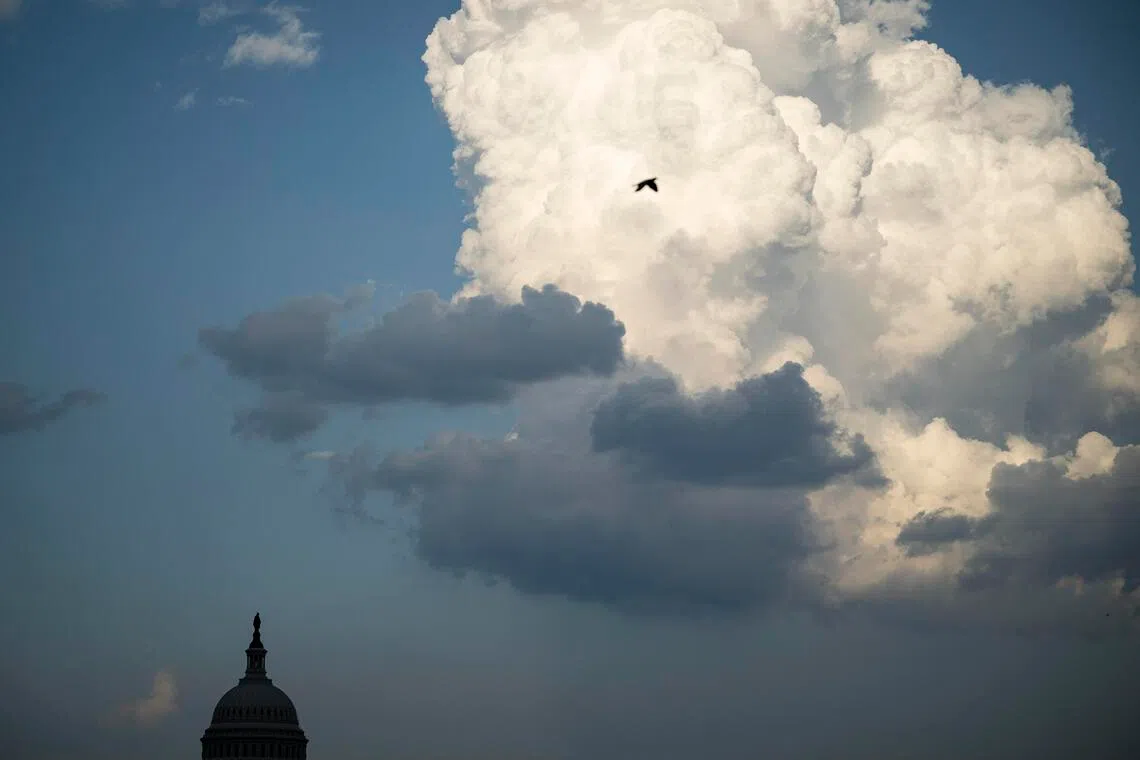
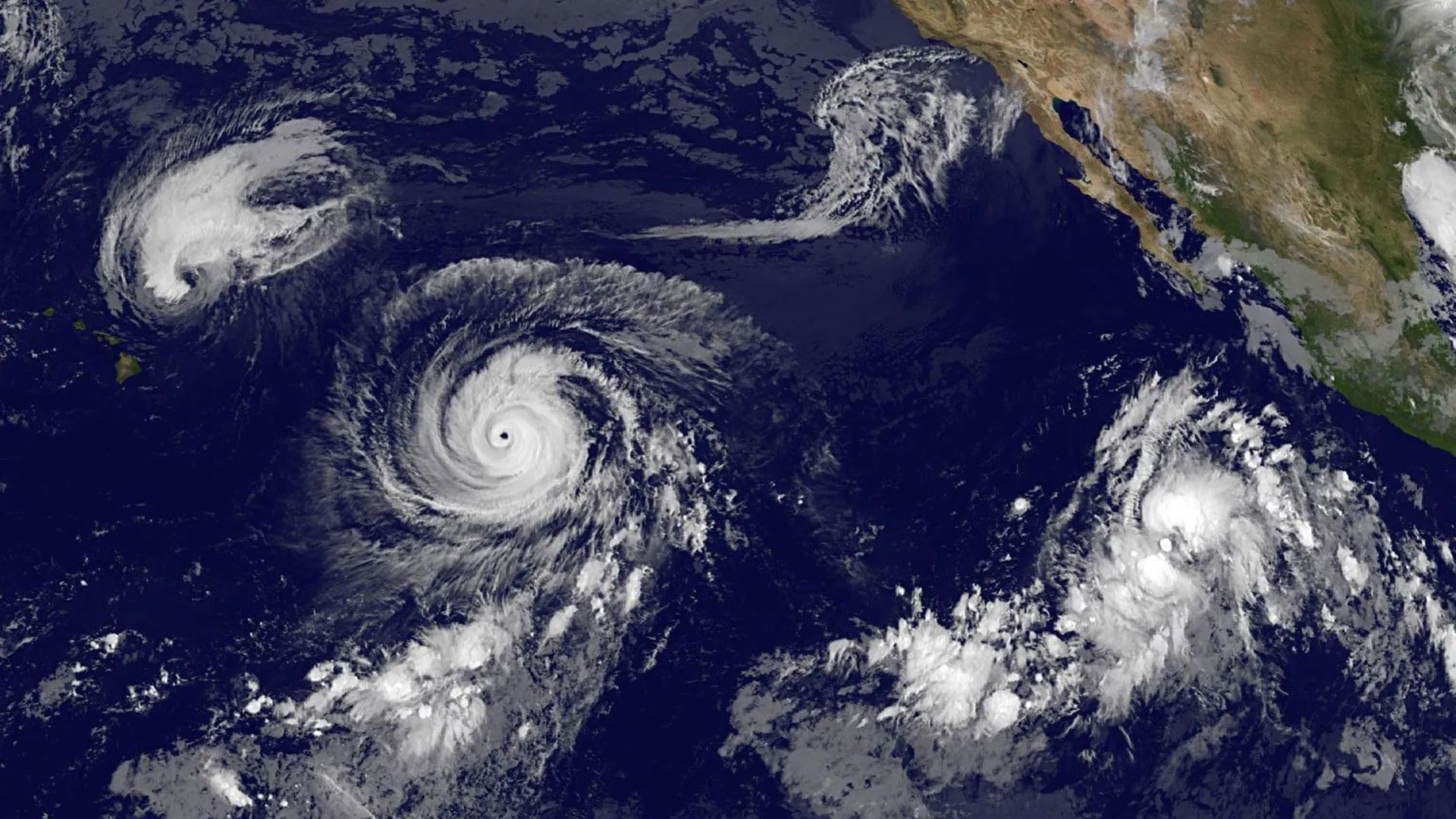
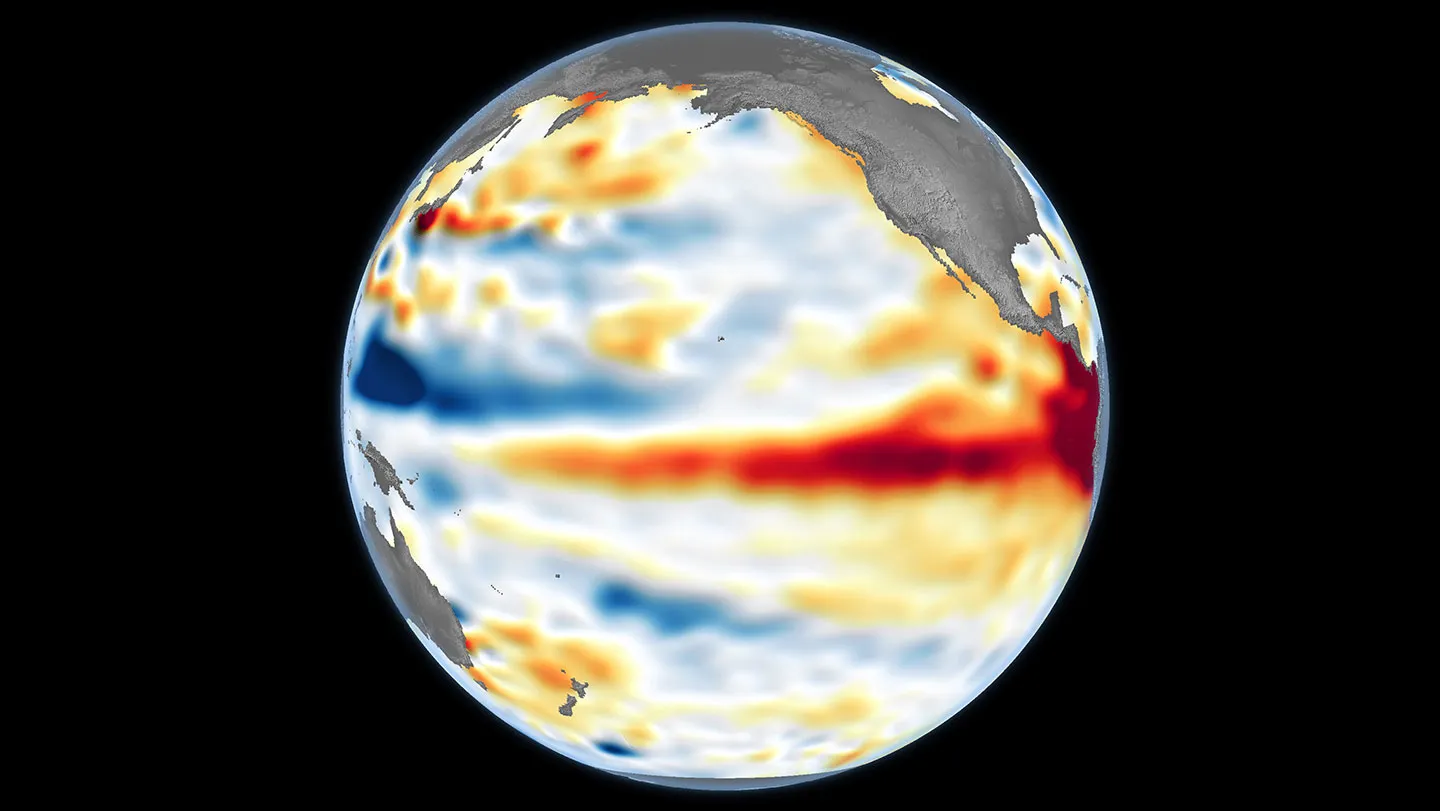
As a brewing "Super" El Niño cycle threatens to trigger worldwide floods, droughts, and heat waves, a new study published July 8 in Science Advances proposes a controversial intervention: using marine cloud brightening (MCB) to neutralize the weather pattern as it forms. By spraying sea salt into the lower atmosphere to increase cloud reflectivity, researchers suggest the resulting cooling effect could dampen the sea surface temperature anomalies that fuel these extreme events.
The research, led by Jessica Wan, a postdoctoral researcher at the University of Chicago, utilizes computer models to simulate how such an intervention would have altered the historically strong El Niño events of 1997–1998 and 2015–2016. According to the study, the most effective results occurred when the artificial cloud brightening began in June and continued through February. In these simulations, the intervention effectively converted extreme El Niño events into neutral states. Wan described the potential of these shorter-term interventions as a way to "reduce the worst of those impacts while we work on a long-term solution."
Related media

The "Natural Experiment"
The concept of modifying clouds to influence climate is not new, but this study draws specific inspiration from a recent natural event. The "Black Summer" bushfires in Australia during 2019–2020 released massive quantities of smoke particles into the atmosphere. As these particles drifted over the southeastern subtropical Pacific, they brightened existing clouds, which researchers believe contributed to the multi-year La Niña that followed. By validating this mechanism, the team used it as a proof-of-concept for deliberate, targeted geoengineering.
Conflicting Research and Unintended Consequences
While the prospect of mitigating economic losses is appealing, the scientific community remains divided over the risks. A separate study published in Earth's Future by researchers at the University of California, Santa Barbara, warns that such interventions could backfire. According to the UCSB study, deploying MCB in the subtropical eastern Pacific could reduce the amplitude of the El Niño-Southern Oscillation (ENSO) by approximately 61 percent, a change that lead author Chen Xing described as surprisingly rapid and disruptive. Associate Professor Samantha Stevenson, a co-author of the UCSB study, noted that such a decline does not occur naturally even under climate change.
The disagreement between researchers highlights the complexity of planetary systems. While Wan's team suggests targeted intervention could avoid the "moral hazard" of indefinite global geoengineering, others caution against the regional shifts that may occur. For instance, models in the Science Advances study indicated potential warming over Europe and Asia as a side effect.
Practical and Ethical Hurdles
Even if the scientific community reached a consensus on the safety of cloud brightening, significant technical and social barriers remain:
- Scale: Estimates suggest it would take approximately 2,400 ships equipped with specialized nozzle technology to generate the necessary cooling impact.
- La Niña Risk: Some models suggest that weakening El Niño could inadvertently trigger faster or more intense La Niña events, creating a "mega La Niña" scenario.
- Ecological Impact: Researchers note that reflecting sunlight could reduce photosynthesis, impacting crops, forests, and marine algae that provide the foundation for the ocean food web.
What to Watch Next
As the current El Niño cycle develops, interest in these interventions is likely to intensify, though researchers stress that no real-world deployment is currently planned. Future research paths include:
- Marine Ecosystem Impact: Studies investigating how reduced sunlight penetration affects photosynthesis in marine algae.
- Comparison of Methods: Further analysis of why other geoengineering methods, such as stratospheric aerosol injection (SAI), show little to no impact on ENSO compared to marine cloud brightening.
Despite the warnings, supporters like Katharine Ricke of Scripps Institution of Oceanography argue that because climate change is already locking in extreme weather, investigating these strategies is a matter of urgency. "I think it would be irresponsible to not do the research, given that's the context we're in," Wan stated.
How significant is this development?
Contribute your assessment to the aggregated reader intelligence ledger.
Archypedia is dedicated to independent, evidence-backed reporting. This briefing was synthesized from primary source reporting, corroborated across independent newsrooms, and verified against our Editorial Standards.
Transparency record
Evidence behind this report
This report synthesizes 12 distinct sources. Open the source ledger below to compare the underlying coverage.
- straitstimes.com
- today.rtl.lu
- sciencedaily.com
- gizmodo.com
- sciencenews.org
- climate.uchicago.edu
- yahoo.com
- muser.press
- 24newshd.tv
- today.ucsd.edu
- scientificamerican.com
- newscientist.com
Prepared under the Archypedia Editorial Policy by the Niko Vale editorial desk profile. AI-assisted tools may support drafting and verification; public accountability remains with Archypedia. Report an error.