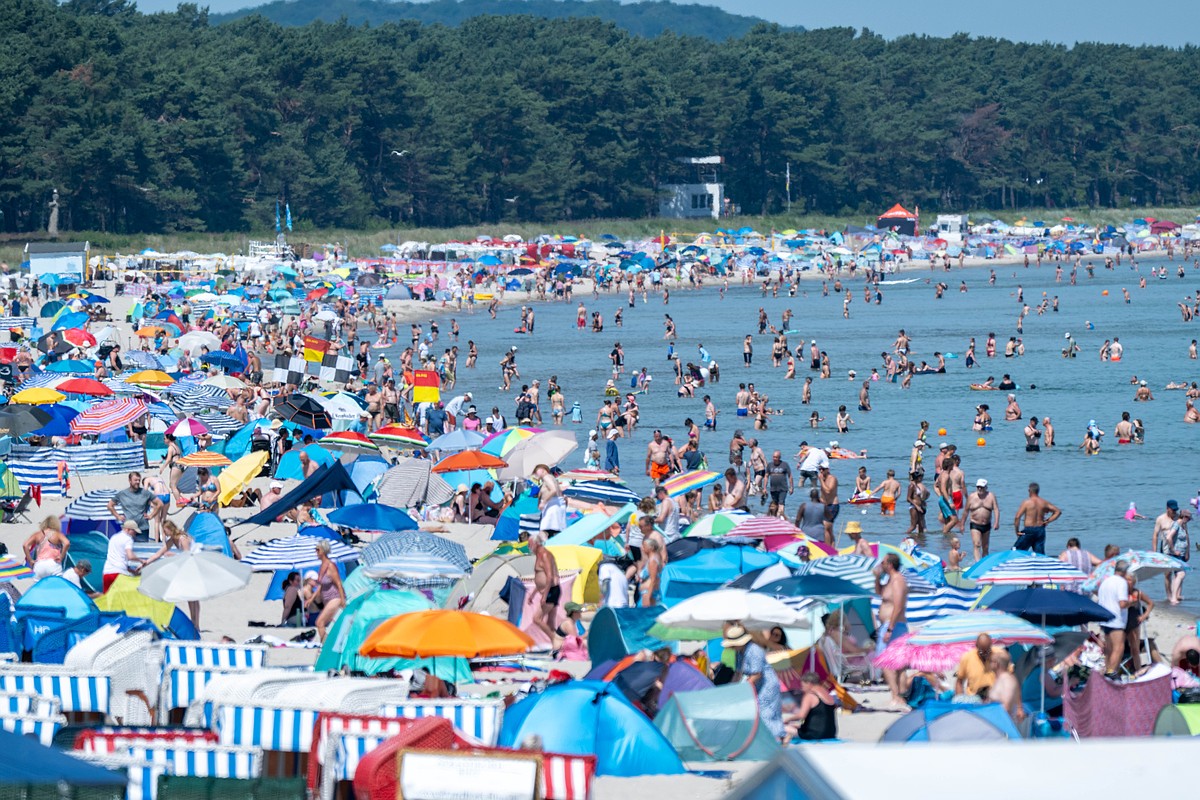
European heatwave causes infrastructure damage and record fatalities
Record-breaking temperatures across Europe are triggering a public health crisis and widespread infrastructure damage, from buckling autobahns to nuclear power limitations.

New research indicates that Arctic soil microbes respond to thawing through staggered activation sequences and extensive genetic exchange. These biological dynamics significantly influence the decomposition of organic matter and greenhouse gas emissions.
A study from Northumbria and Bangor University identifies human activity as a key driver behind the retreat of the Pine Island Glacier. Scientists warn this ice loss is part of an irreversible process that contributes to global sea-level rise.
A record-breaking heat wave has caused a surge in mortality in France and triggered infrastructure collapses and wildfires across Europe.
Santé Publique France reports approximately 1,000 excess deaths linked to the recent heatwave. Officials caution that this preliminary figure may rise.
Extreme heat has caused highway buckles in Germany, rail travel warnings, and a surge in emergency hospital admissions across the continent. Scientists indicate this heat is linked to climate change.
The United Kingdom has recorded its hottest June day with temperatures reaching 37.3C in Suffolk. This heatwave has caused widespread disruption to transport, schools, and healthcare services.