UN warns El Niño could be strongest on record through 2027
Extreme subsurface ocean temperatures are driving a climate event that is threatening to disrupt global shipping, agriculture, and infrastructure.

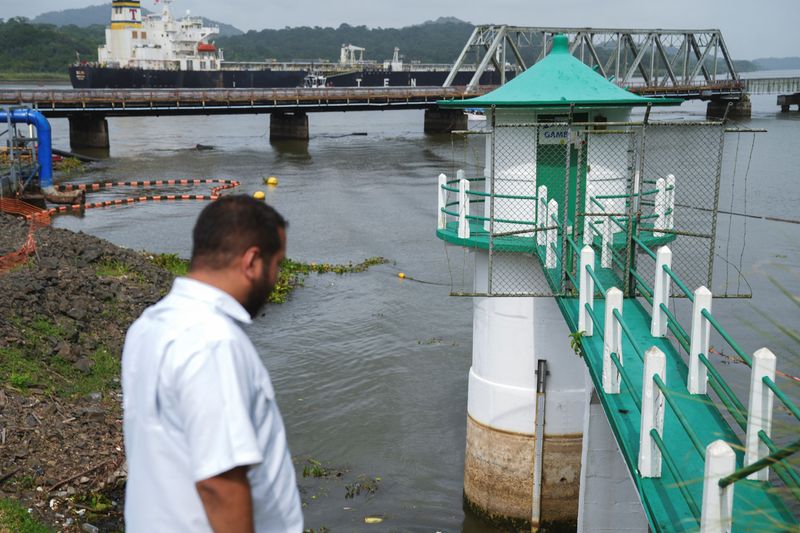
Panama is already reducing the number of vessels passing through the Panama Canal by more than 10% as lower rainfall threatens water availability for the crucial shipping route. Simultaneously, Indonesian authorities have deployed cloud-seeding aircraft in an attempt to generate rain and suppress the fires that have burned more than 107,000 hectares during the current dry season. These disruptions are the first visible signs of a climate event that the United Nations warns is being supersized
.
The World Meteorological Organization (WMO) has assessed with near 100% certainty that this El Niño will persist through February 2027. This level of unequivocal forecasting is a first for the agency. If the current trajectory continues, the WMO warns the event could become the strongest ever recorded—potentially off the charts
compared to monitoring data dating back to 1950.
Related YouTube video

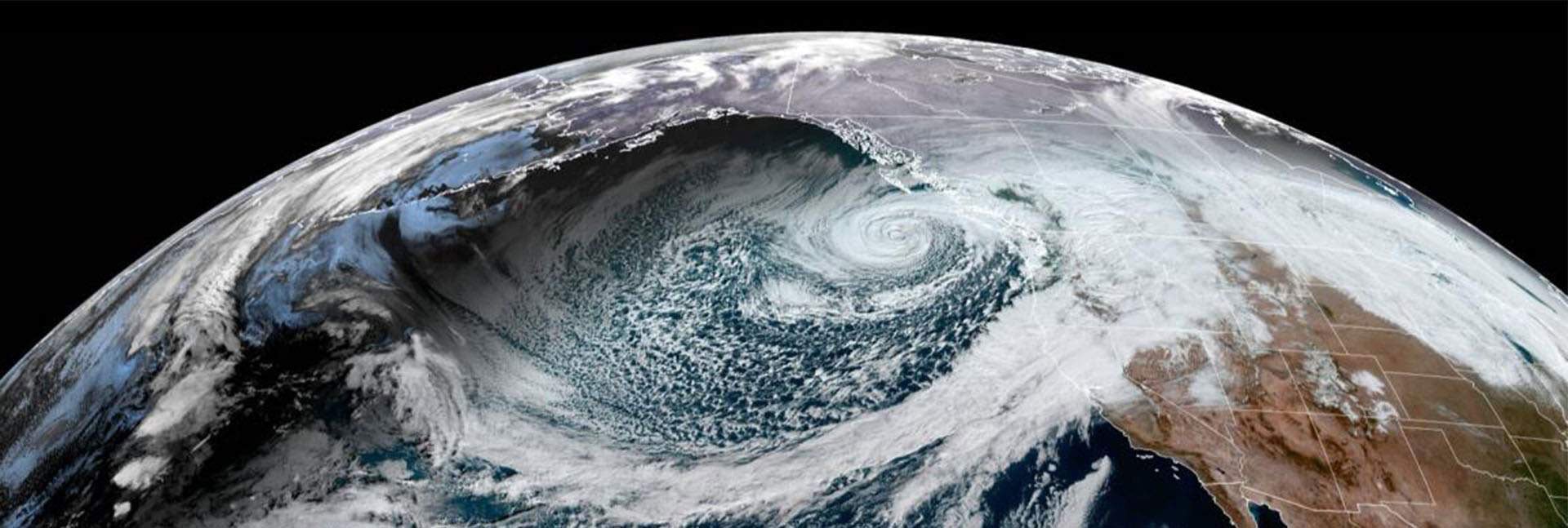
The intensity is driven by a massive reservoir of heat beneath the ocean surface. While sea surface temperatures in key monitoring regions have risen more than 2°C above average, some subsurface temperatures recorded during July and early August were more than 8°C above average. This subsurface warmth acts as fuel, providing the energy necessary for the event to intensify before reaching a projected peak at the end of 2026.
This natural cycle is unfolding against a hotter baseline
caused by human-driven global warming. Although scientists have not established that climate change is directly intensifying El Niño events, they note that a warmer atmosphere and ocean amplify the consequences, providing more moisture and heat to fuel extreme weather. In Australia, for instance, climate-linked marine heatwaves are already contributing to algal blooms and coral bleaching.
Regional Divergence: Drought vs. Deluge
A "very strong" El Niño does not produce uniform effects; rather, it shifts global rainfall and temperature patterns in opposing directions depending on the region.
- Drought and Wildfire Risks: Forecasts indicate drier-than-usual conditions across large parts of Southeast Asia, northern South America, and Central America. In the Dry Corridor of Central America, the phenomenon has already triggered a severe food crisis. Southern Africa, including Botswana, also faces renewed drought risks.
- Flood and Storm Risks: Wetter-than-normal conditions are expected in the southern United States, southern Brazil, and eastern Africa. Peru and Ecuador are identified as particularly vulnerable to flash floods and landslides. In China, experts predict seven typhoons could make landfall this year, following the August evacuation of more than 1 million people during Typhoon Dolphin.
In Uganda, the risk is compounded by a separate climate driver: the Indian Ocean Dipole (IOD). The Ministry of Water and Environment expects a shift to a positive IOD around October, which may enhance rainfall in the central, northern, and eastern regions. This interaction increases the threat of landslides and mudslides in the Elgon, Kigezi, and Rwenzori sub-regions, as well as flash floods in urban centers like Kampala.
"El Niño in Spanish means boy child – but it has the potential to deliver a massive blow to communities and economies across the world."
Celeste Saulo, WMO Secretary-General, via Healthpolicy Watch
The WMO has launched an unprecedented mobilization of national meteorological and hydrological services to deliver early warnings. However, experts argue that climate intelligence is insufficient if the underlying infrastructure remains fragile. Miguel Aréstegui of Practical Action noted that the phenomenon does not arrive in a vacuum, pointing to structural vulnerabilities such as weak healthcare infrastructure, fragile water and sanitation systems, and housing built in exposed areas.
The immediate human stakes are concentrated in these gaps. In urban areas of Brazil and Peru, poor drainage is expected to exacerbate flooding. In Uganda, the pressure is expected to mount on bridges, roads, and homes as the rains peak between late October and November.
The broader atmospheric consequence is a predicted surge in global temperatures. WMO officials noted that 2024 was the hottest year on record, fueled by a previous El Niño pulse. With the current event persisting into 2027, there is a significant potential for 2027 to become the warmest year on record.
Tracking the Ocean's Heat
The rapid intensification of the current cycle is documented in the Niño 3.4 index, which monitors sea surface temperature anomalies in the central tropical Pacific. According to data cited by UN News and Healthpolicy Watch, the index averaged +1.5°C above normal from May through July 2026, reaching +2.0°C in July. Between late July and mid-August, weekly values climbed further, ranging from approximately +2.2°C to +2.6°C.
These measurements indicate that the event is already among the strongest in history. The WMO notes that only four such events have been categorized in the top very strong
bracket since monitoring began in 1950.
This intersection of multiple drivers complicates regional forecasting. While the Pacific El Niño remains the dominant force, the WMO explains that the warmth in the Atlantic and the positive IOD can either reinforce or weaken typical effects. For example, in Uganda, the positive IOD is expected to enhance rainfall specifically in the central, northern, and eastern regions, while the broader El Niño pattern influences global temperatures.
The economic consequences are already surfacing in tropical regions. Beyond the Panama Canal disruptions, the event has impacted soft commodities, contributing to the food crisis in Central America's Dry Corridor. To mitigate future losses, the WMO is encouraging states to implement adaptive agricultural measures, such as switching to drought-resistant crops.
The immediate priority for national meteorological services is the window before the end of the year. As the phenomenon is expected to reach its maximum strength by December, the next step is the delivery of detailed regional forecasts to help governments protect climate-sensitive sectors including health, energy, and water resources.
Archypedia is dedicated to independent, evidence-backed reporting. This briefing was synthesized from primary source reporting, corroborated across independent newsrooms, and verified against our Editorial Standards.
Transparency record
Evidence behind this report
This report synthesizes 7 distinct sources. Open the source ledger below to compare the underlying coverage.
- nationalheraldindia.com
- healthpolicy-watch.news
- brusselsmorning.com
- aol.com
- redpepper.co.ug
- newswire.lk
- news.un.org
Prepared under the Archypedia Editorial Policy by the Samir Haddad editorial desk profile. AI-assisted tools may support drafting and verification; public accountability remains with Archypedia. Report an error.