37-year soil study reveals warming destabilizes long-term carbon stores
Long-term research at Harvard Forest shows that persistent warming causes stable soil organic matter to decompose, releasing additional carbon dioxide. This process suggests climate models may need to account for soil-driven feedback loops as global temperatures rise.

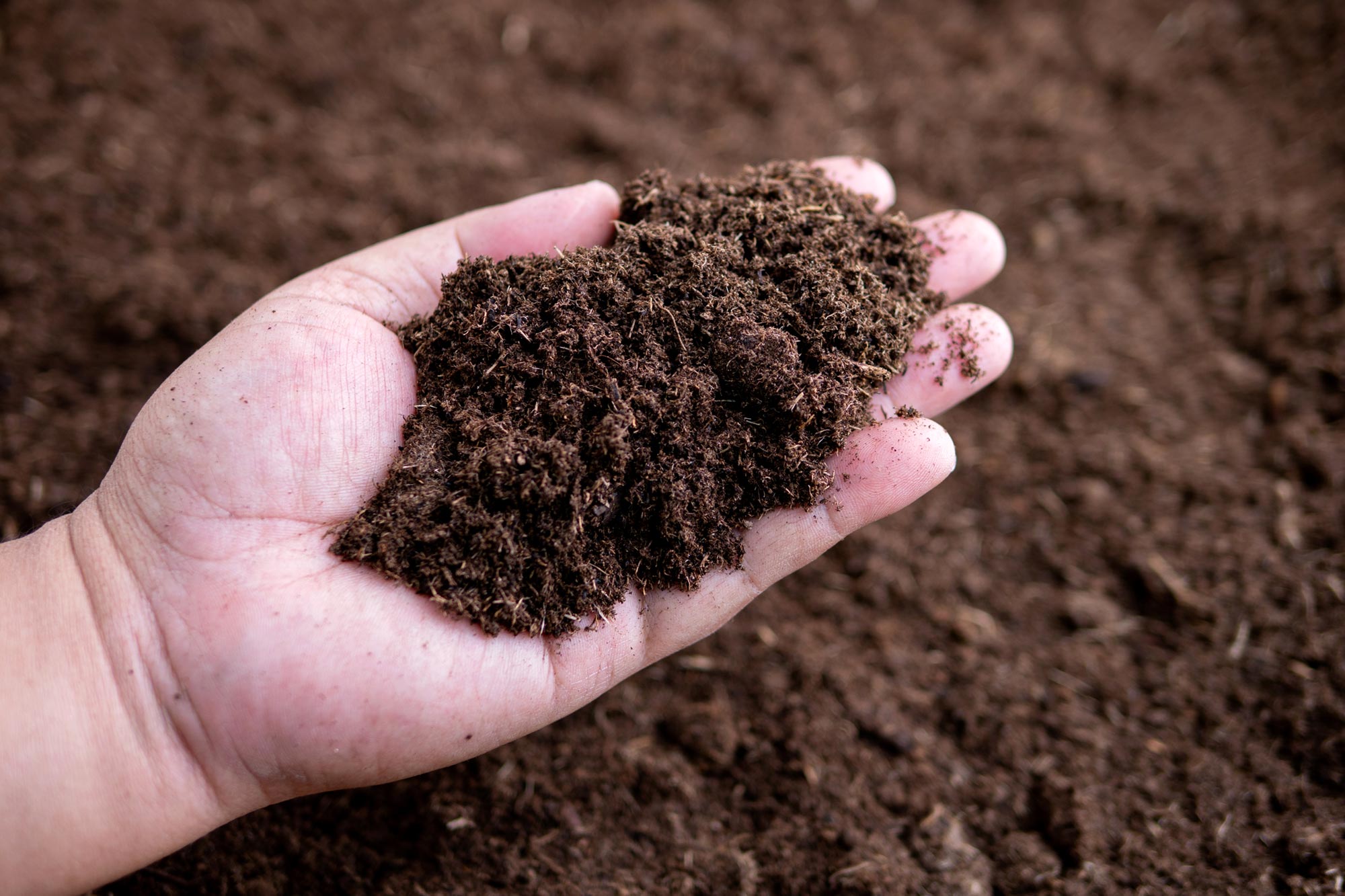
A thirty-seven-year study centered in the Harvard Forest of central Massachusetts has provided new evidence that soil previously thought to securely store carbon is beginning to degrade. The findings, published on 7 April 2026 in the journal Science of The Total Environment, suggest that forest soils may contribute more carbon dioxide to the atmosphere under conditions of continued global warming than climate models have historically projected.
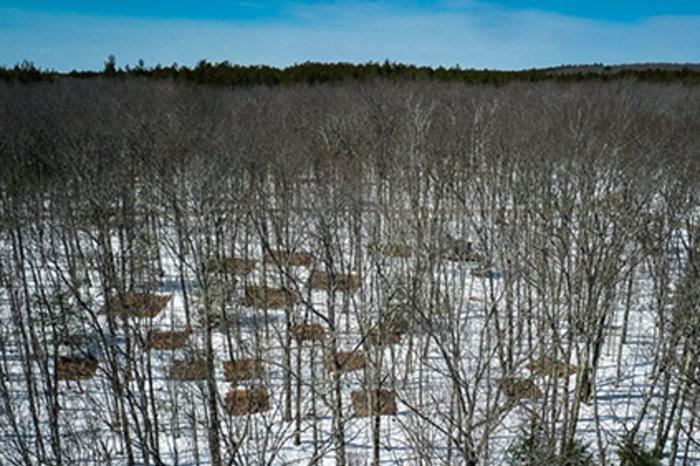
For nearly four decades, researchers have maintained heated plots within the forest to observe how ecosystems respond to rising temperatures. By utilizing underground electric cables, the team consistently kept soil sections at 5 °C above natural ground temperatures throughout all seasons, from frozen winters to humid summers. This temperature increase was selected to represent the upper range of global climate projections at the time the experiment began in the late 1980s. Today, that range no longer appears extreme, as global average temperatures have already climbed by about 1.1 to 1.4 °C since the Industrial Revolution.
Related YouTube video

Jerry Melillo, a Distinguished Scientist at the Marine Biological Laboratory, notes that the study highlights the influence of microbial communities on carbon cycles.
"Microbes are critical components of soil ecosystems because they break down organic matter and recycle elements essential for plant growth. As warming reshapes these microbial communities, it can speed the loss of carbon from soils."
The research reveals that during the fourth decade of the experiment, stable forms of soil organic matter—previously assumed to be resistant to decomposition—began to break down. This slow-emerging process contributes additional carbon dioxide to the atmosphere, potentially strengthening a feedback loop where warming triggers further soil carbon release, which in turn accelerates further planetary warming.
Context and Disagreement in Soil Research
The role of warming in soil carbon release is not uniform across all environments, as highlighted by separate research conducted in the southeastern United States. A study published in Biogeochemistry, involving soil from former agricultural land in Georgia, suggests that warming alone does not always increase carbon dioxide emissions from the earth.
According to Debjani Sihi, an assistant professor at North Carolina State University and corresponding author of the Georgia study, soil requires easily available forms of carbon and nutrients for microbial activity to increase. In the Georgia experiment, heating soil by up to 2.5 °C did not result in higher carbon dioxide output because the soil, formerly used for cotton crops, was nutrient-depleted and lacked the necessary resources to support expanded microbial activity. Sihi notes that when resources are depleted, microbial activity is constrained, meaning warming alone may not be sufficient to stimulate carbon loss in all ecosystems.
Comparison of Long-Term Warming Experiments
| Location | Primary Finding | Climate Context |
|---|---|---|
| Harvard Forest, Massachusetts | Stable carbon reserves are breaking down after decades of warming. | Temperate forest ecosystem. |
| Athens, Georgia | Warming alone does not increase CO2 if nutrients are limited. | Subtropical, nutrient-depleted agricultural soil. |
What to Watch Next
- Climate Modeling Updates: Scientists intend to incorporate the findings regarding the breakdown of stable soil organic matter into global climate models to refine future temperature projections.
- Global Ecosystem Expansion: Ongoing collaborative research is extending to tropical field warming sites, including locations in Puerto Rico and Panama, to determine how warming influences carbon loss across diverse environmental conditions.
- Emission Mitigation: Experts continue to emphasize that the ultimate extent of future warming remains linked to human activity. As Melillo states, if society reduces deforestation and cuts carbon dioxide emissions from fossil fuel burning, the projected temperature increases can be lowered.
The Harvard Forest study, which involved researchers such as Atzín X. San Román, Serita D. Frey, Melissa A. Knorr, Huan Tong, Jerry M. Melillo and Myrna J. Simpson, serves as an example of the value of longitudinal research. The gradual nature of the observed decomposition suggests that short-term studies may miss critical shifts in Earth's carbon storage capabilities, underscoring the necessity for sustained observation of soil ecosystems as global temperatures continue to rise.
Archypedia is dedicated to independent, evidence-backed reporting. This briefing was synthesized from primary source reporting, corroborated across independent newsrooms, and verified against our Editorial Standards.
Transparency record
Evidence behind this report
This report synthesizes 5 distinct sources. Open the source ledger below to compare the underlying coverage.
Prepared under the Archypedia Editorial Policy by the Niko Vale editorial desk profile. AI-assisted tools may support drafting and verification; public accountability remains with Archypedia. Report an error.