World Cup faces major climate risks as extreme weather threatens match play
Extreme weather and hazardous air quality disrupted final preparations for Spain and Argentina, highlighting concerns over the viability of summer tournaments.
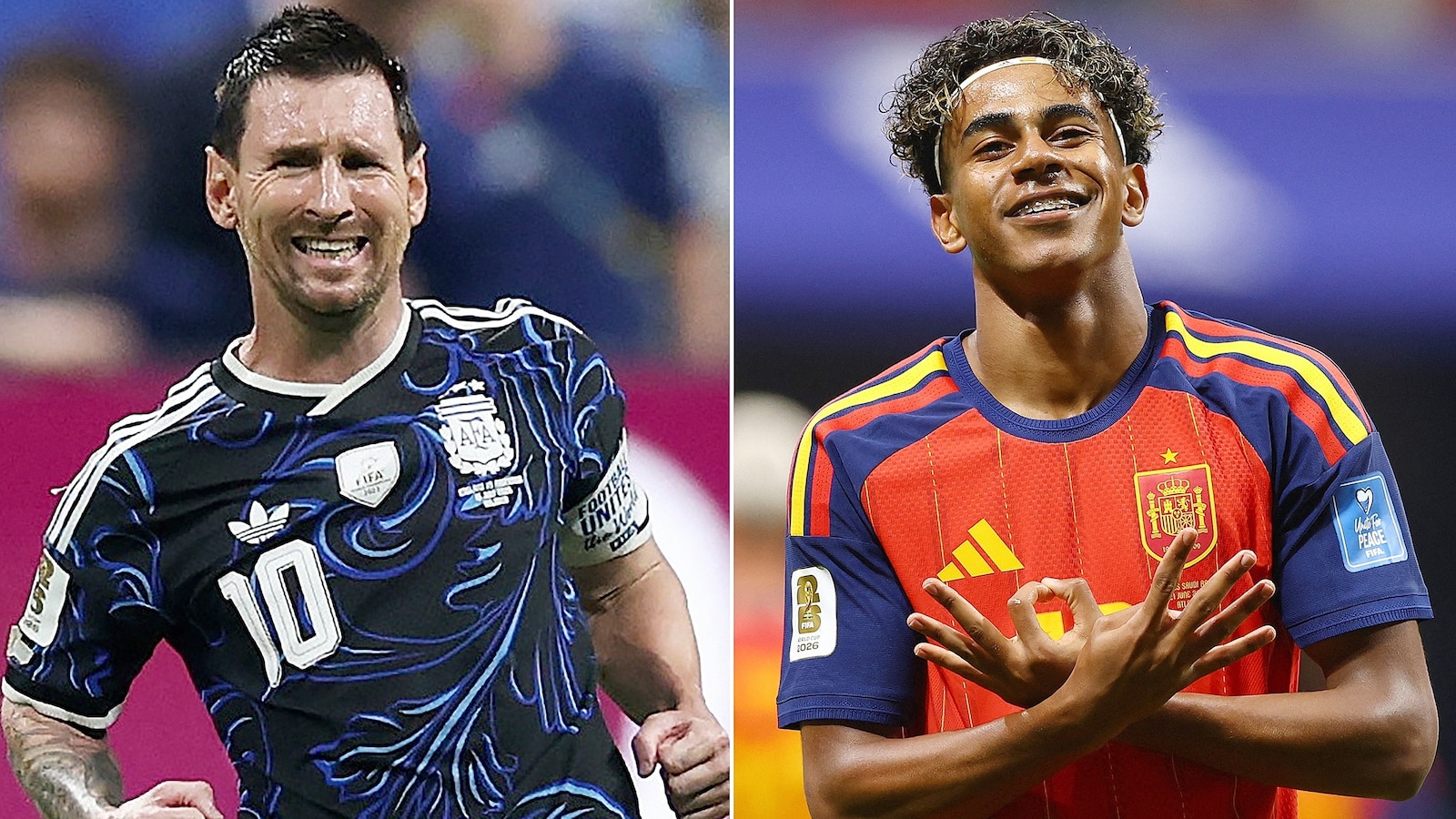
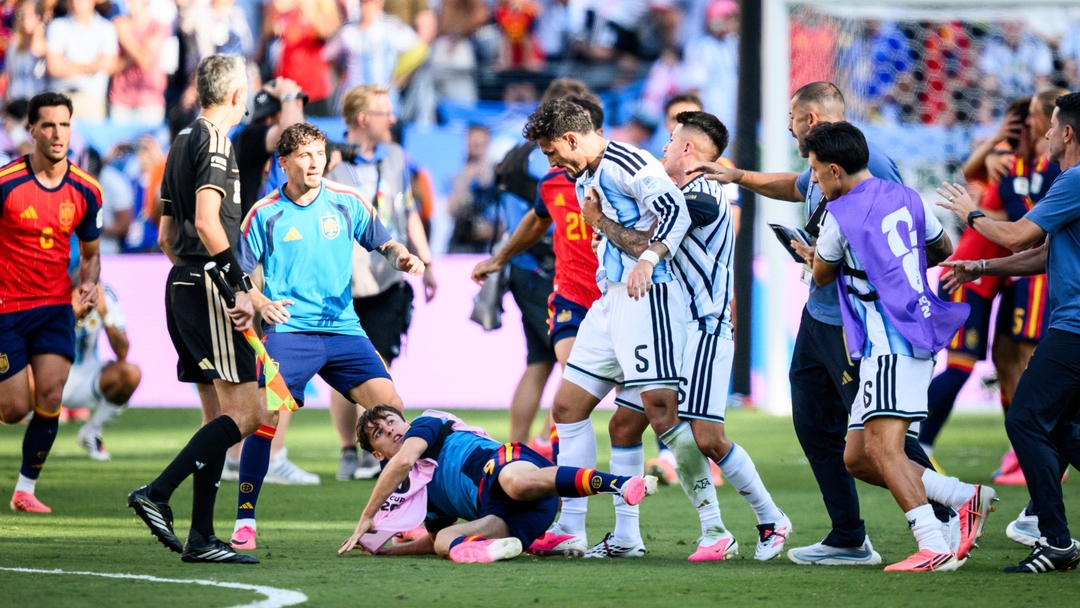
The 2026 FIFA World Cup faces increasing scrutiny as extreme weather patterns threaten to undermine tournament integrity and player safety. On Sunday, 19 July 2026, finalists Spain and Argentina prepare for the championship match, but their final preparations were significantly disrupted by a series of thunderstorms that swept through the New York and New Jersey region on Saturday, 18 July 2026.
The storms highlight a broader, growing concern regarding the intersection of climate change and international sporting events. According to Yahoo Sports, the 2026 tournament — the first held in North America in 32 years — has become a focal point for researchers examining the viability of traditional summer athletic competitions.
Related media


Final Training Disruptions
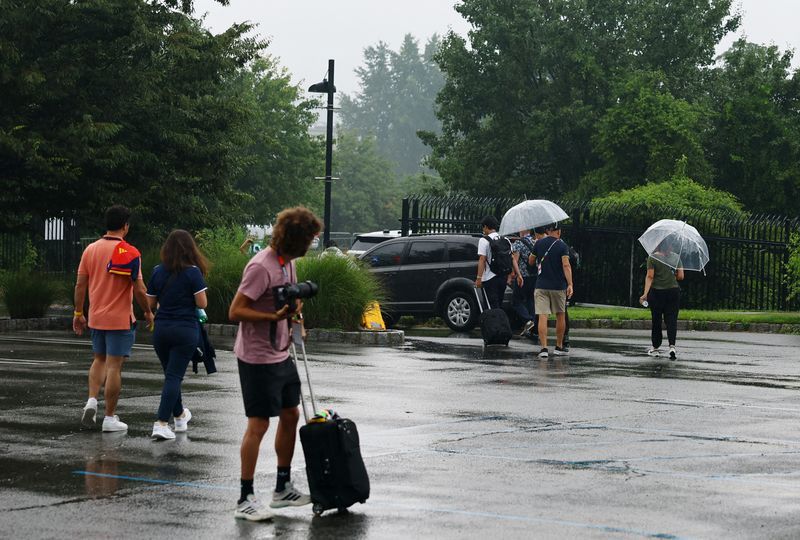
The immediate impact of the weekend's weather was felt acutely by the two finalists. Spain, aiming for a second World Cup title, had planned a critical final training session at the Melanie Lane Training Ground in Whippany, New Jersey, for 11 a.m. Local time on 18 July 2026. The team's bus arrived on schedule, but the session was postponed due to electrical thunderstorms. Under US storm safety protocols, which mandate a 30-minute window without lightning within an eight-mile radius before resuming activity, the Royal Spanish Football Federation (RFEF) opted to cancel the outdoor session entirely after waiting for around 40 minutes.
The RFEF stated:
"The Spanish national team’s training session on the pitches at the Melanie Lane Training Ground in New Jersey has been suspended in accordance with the US storm safety protocol."
RFEF, via multiple outlets
The team transitioned to an indoor gym setting for warm-ups. Spain manager Luis de la Fuente had emphasized on Friday that the final session was one of the most critical moments, particularly for Lamine Yamal and Pedro Porro, who were managing knocks sustained during the semifinal victory against France. Yamal had been suffering with a thigh issue after a blow that won Spain a penalty in that 2-0 win on Tuesday. Despite the disruption, De la Fuente confirmed on Friday that Yamal would be fit to feature.
Argentina faced similar logistical hurdles. Scheduled to train at 11:30 a.m. At the New York Red Bulls facility in Morristown, the reigning champions were forced to wait out the storm. While Spain chose to cancel, Argentina delayed their start by 45 minutes, eventually returning to the rain-soaked turf at 12:15 p.m. To conclude their preparations. Reports from Globo Esporte described a relaxed atmosphere once training resumed, with players joking during a rondo.
The disruption added to existing tensions. Argentina manager Lionel Scaloni had already expressed dissatisfaction on Friday regarding the restrictive scheduling imposed by FIFA, stating:
"Today they forced us to train at a time we didn't want, but with the conference and everything, we had to do a strange, quick training session, and we could hardly try anything out."
Lionel Scaloni, via Mirror
Climate Risks and the Future of the Game
Beyond individual practice sessions, the tournament has been marked by weather-related delays. Last summer’s FIFA Club World Cup, which served as a dress rehearsal for this event, saw a half-dozen matches paused or delayed by lightning in cities including Orlando, Nashville, Cincinnati, Charlotte, and East Rutherford. The physical toll was noted by Argentine midfielder Enzo Fernandez, who played in that tournament with Chelsea, stating he had become dizzy during play due to the incredible heat.
Kaitlyn Trudeau, a senior research associate of climate science for Climate Central, noted that humidity and rising heat pose significant threats to athlete health by limiting the body’s ability to cool itself through sweating. This is particularly dangerous when games are scheduled during the hottest parts of the day. FIFA scheduled 40 of the 104 games, including most knockout rounds, to kick off at 3 p.m. Or earlier local time to accommodate European TV viewers.
A 2025 study published in the International Journal of Biometeorology suggested that 14 of the 16 host cities are likely to exceed the Wet Bulb Globe Temperature (WBGT) threshold. In Miami, where seven games are played, humidity can make a 90-degree air temperature feel like 109 degrees. While FIFA maintains a tiered heat-mitigation model
involving cooling buses, misting systems, and mandatory three-minute hydration breaks, critics like Elliot Arthur-Worsop of the U.K. Nonprofit Football For Future argue that the tournament window should move to March or October.
Arthur-Worsop, co-publisher of the report “Pitches in Peril,” suggested this may be the last World Cup played in North America because climate projections show the tournament would eventually be unplayable due to extreme heat, wind, flooding, and wildfires. FIFA President Gianni Infantino has reportedly begun discussions on moving the start date for cycles following 2030.
Environmental Factors and Next Steps
The final has also been threatened by hazardous air quality. The New York-New Jersey area was blanketed by smoke from hundreds of Canadian wildfires, with API levels reaching 160, considered unhealthy, by 1 p.m. On Saturday. Spain trained outside in these conditions on Friday despite expert advice to stay indoors.
However, meteorologists expect the Saturday thunderstorms to provide a benefit. Meteorologist Adam Douty stated that the rain and an incoming cold front should dissipate the smoke and lower humidity, leading to more comfortable conditions for the final.
What to Watch Next:
- The Final Kickoff: The match is scheduled for Sunday, 19 July 2026, at 3 p.m. Local time at MetLife Stadium.
- Attendance: A crowd of more than 80,000 is expected to attend the event.
- Environmental Recovery: Forecasters predict sunny spells and a minimal 1 percent chance of rain for Sunday, with air quality expected to improve from the "poor to unhealthy" levels seen on Saturday.
Archypedia is dedicated to independent, evidence-backed reporting. This briefing was synthesized from primary source reporting, corroborated across independent newsrooms, and verified against our Editorial Standards.
Transparency record
Evidence behind this report
This report synthesizes 10 distinct sources. Open the source ledger below to compare the underlying coverage.
- mirror.co.uk
- sports.yahoo.com
- usatoday.com
- worldsoccertalk.com
- thestar.com.my
- independent.co.uk
- completesports.com
- nytimes.com
- hindustantimes.com
- aol.com
Prepared under the Archypedia Editorial Policy by the Rafael Ortega editorial desk profile. AI-assisted tools may support drafting and verification; public accountability remains with Archypedia. Report an error.