Western Europe records hottest June on record as heatwaves hit continent
Western Europe experienced its hottest June in history as intense heatwaves and heat domes shattered records, leading to significant health and environmental impacts. Scientists point to global warming as the primary driver behind these extreme conditions.

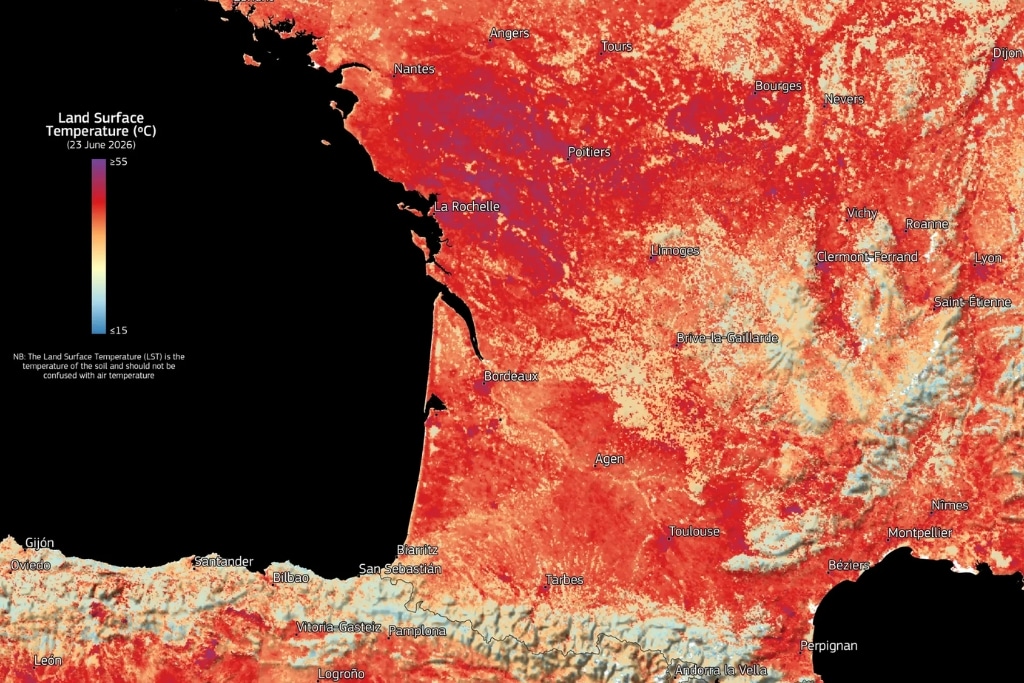
Western Europe recorded its hottest June in history as a series of intense heatwaves swept across the continent, shattering temperature records and placing immense strain on public health, power grids, and local ecosystems. The European Union’s Copernicus Climate Change Service (C3S) confirmed on Thursday, 9 July 2026, that the average temperature for the region reached 20.74C. This figure is more than 3C above the 1991-2020 average for the month and surpasses the previous record established in June 2025.
The heatwave, which intensified during the latter half of the month, created what meteorologists described as a heat dome
—a high-pressure system that trapped hot air over the continent, acting like a lid on a boiling pot. This system, combined with high humidity levels, prevented nighttime cooling, leading to a succession of tropical nights that offered little relief to the population. Samantha Burgess, strategic lead at the European Centre for Medium-Range Weather Forecasts (ECMWF), noted that the lack of sea breezes from the warmed-up ocean further exacerbated the heat, leaving little alleviation for residents at night.
Related media


Human and Infrastructural Impact
The human toll of the extreme temperatures has been significant. National authorities have linked more than 4,700 excess deaths to the heat across France, Belgium, Spain, and the Netherlands, with officials noting that the total across other countries is likely to be higher. As temperatures climbed, the heat disrupted daily life, forcing the closure of schools and straining energy supplies. In France, concerns over cooling water for nuclear facilities led to reports that up to five plants could face output curbs as temperatures affect the rivers used for cooling.
Experts, including Joeri Rogelj of Imperial College London, have pointed to the clear connection between these events and global warming.
"The relationship between heatwaves and global warming is about as straightforward as it gets: on a hotter planet, there will be more heatwaves, and they will become more intense."
Joeri Rogelj, climate scientist, Imperial College London, via Kfgo
Wildfires and Environmental Stress
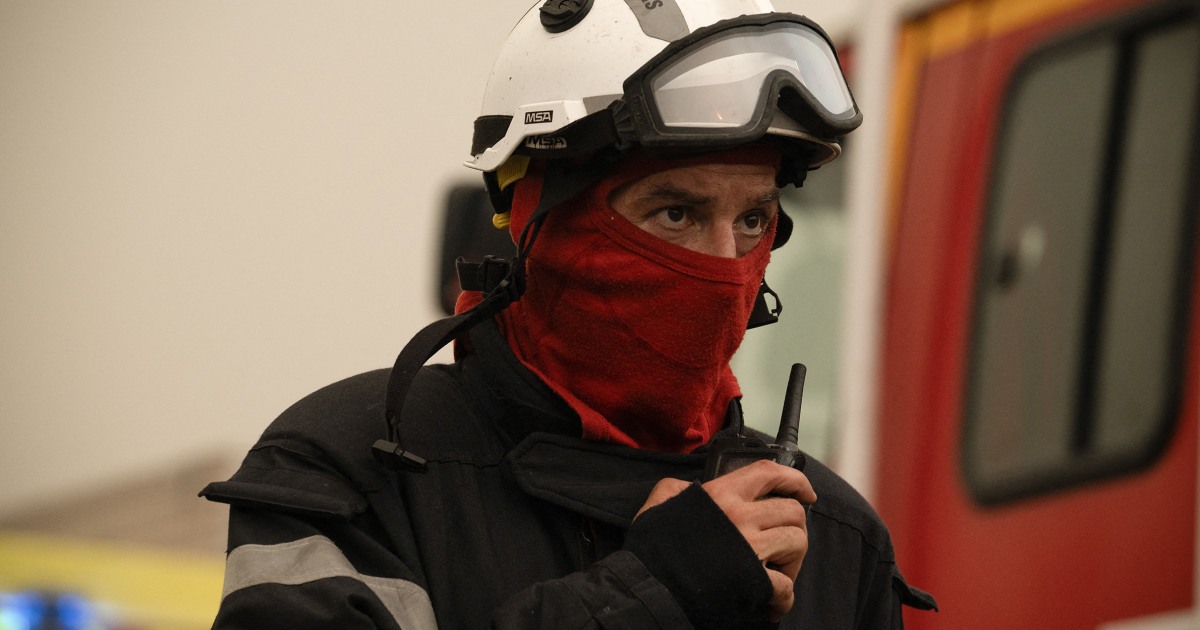
Dry conditions accompanying the heat have fueled a severe wildfire season. According to the European Forest Fire Information System, the area burned across the European Union is 56% larger than usual for this time of year. France and Spain have been particularly hard hit, with 35,400 hectares burned in France and 55,128 hectares in Spain. In the Alps, a 22-year-old firefighter died while combating one of these blazes, the French interior ministry reported.
Marine environments are also under pressure. The average sea surface temperature across oceans reached 20.86C in June, the highest ever recorded. While a strong El Niño pattern is contributing to record ocean temperatures globally, scientific studies have indicated that El Niño did not play a direct role in the European June heatwave. Instead, climate change is considered the primary driver of the atmospheric conditions that caused the extreme heat.
Continental Comparison and Adaptation Concerns
The intensity of the heat has sparked debates within the European Parliament regarding adaptation. The Energy and Climate Intelligence Unit found that the average UK urban area possesses only 18% tree canopy cover, significantly lower than the European city average of approximately 30%. Trees are considered vital for cooling neighborhoods, with research suggesting shaded areas can be up to 4C cooler during heatwaves. Other proposed measures include installing air-conditioning for vulnerable groups, providing cooling centers, and using external shutters.
Globally, June 2026 was the second-warmest June on record, with temperatures 1.39C above the estimated pre-industrial average. As the planet accumulates heat, scientists emphasize that the combination of fossil fuel emissions and a changing climate baseline will likely lead to more frequent and dangerous temperature extremes across the region.
What to watch next:
- Ongoing Heatwaves: Countries such as Spain and Portugal remain in the grip of continuing heat spells into July.
- Energy Security: UK grid operators have issued warnings regarding tight electricity supplies as cooling demand remains high.
- Legislative Action: Trade unions and lawmakers are increasingly debating new labor laws to protect workers from heat stress.
- Infrastructure Adaptation: Discussions continue regarding the installation of cooling centers and the integration of shading technologies in urban planning.
How significant is this development?
Contribute your assessment to the aggregated reader intelligence ledger.
Archypedia is dedicated to independent, evidence-backed reporting. This briefing was synthesized from primary source reporting, corroborated across independent newsrooms, and verified against our Editorial Standards.
Transparency record
Evidence behind this report
This report synthesizes 8 distinct sources. Open the source ledger below to compare the underlying coverage.
- carbonbrief.org
- aljazeera.com
- kfgo.com
- theguardian.com
- worldenergynews.com
- eu-space.europa.eu
- earth.org
- aol.com
Prepared under the Archypedia Editorial Policy by the Samir Haddad editorial desk profile. AI-assisted tools may support drafting and verification; public accountability remains with Archypedia. Report an error.