US launches ninth consecutive night of airstrikes against Iran
US airstrikes continue for the ninth consecutive night as the conflict escalates following the deaths of American personnel and tensions in the Strait of Hormuz.
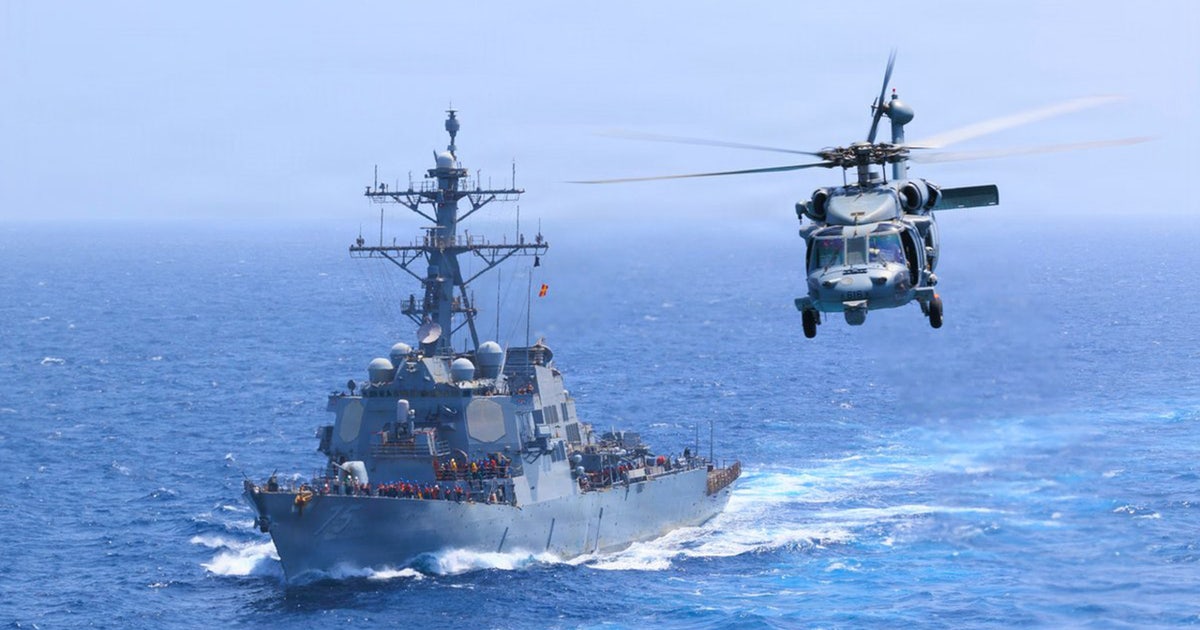
The United States military launched a new wave of airstrikes against Iran early Monday, July 20, 2026, marking the ninth consecutive night of combat operations. The escalation follows the collapse of an interim ceasefire on July 8 and a series of lethal encounters that have claimed the lives of American service members.
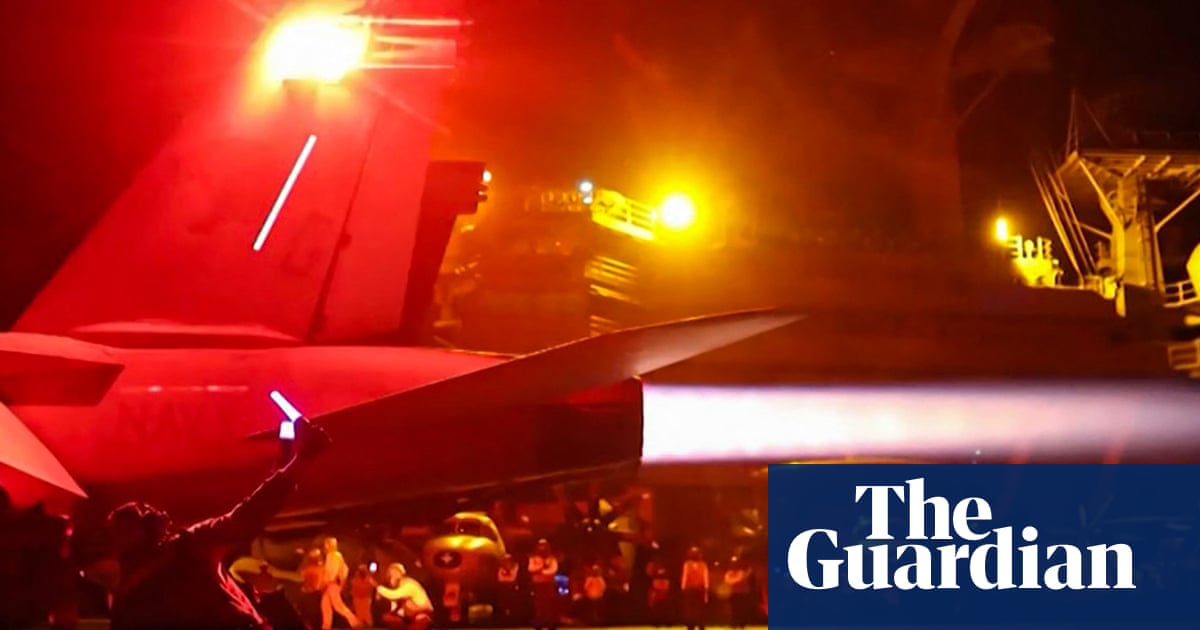
US Central Command (CENTCOM) confirmed the latest offensive began at 7:00 p.m. ET on Sunday. According to military statements, the strikes targeted Iranian military coastal surveillance, air defense facilities, maritime assets, and missile and drone storage sites. CENTCOM stated the mission remains focused on degrading Iranian military capabilities used to attack commercial vessels and civilian mariners transiting the Strait of Hormuz.
Related media


Casualties and Conflict
The intensification of the war is driven by significant personnel losses. CENTCOM reported that a third American service member was killed on Saturday in northern Iraq during the controlled detonation of unexploded ordnance from a downed Iranian drone. This follows an Iranian attack on a Jordanian airbase on Friday, which resulted in the deaths of two other US personnel. Military officials stated that unidentified remains, discovered during a search following the Friday engagement, are currently undergoing examination.
Since the war began on February 28, 2026, the confirmed number of American military fatalities has reached 17. Iran has reported its own casualties, with its health ministry stating on July 17 that 50 people have been killed and over 500 wounded in the recent fighting.
Regional Impact and Infrastructure
The conflict has increasingly expanded to target civilian and industrial infrastructure. Iranian state media and the Atomic Energy Organization of Iran reported that American strikes hit the site of the unfinished Darkhovin nuclear power plant. The International Atomic Energy Agency (IAEA) noted that the site contained no nuclear material during its last visit and reiterated a call for military restraint in the vicinity of all nuclear-related sites.
Across the region, US allies face ongoing threats. Kuwait activated its air defense systems on Monday to intercept hostile drones, and Iran’s Revolutionary Guards claimed they conducted a surprise attack on an enemy command center in the Al-Tanf region of Syria. Additionally, in the Strait of Hormuz, the United Kingdom Maritime Trade Operations agency reported that a vessel caught fire near the coast of Oman. The Revolutionary Guards claimed two ships attempting to transit the strait were stopped, though no independent confirmation of these maritime incidents exists.
Economic and Strategic Stakes
Oil markets reacted to the prolonged instability, with Brent crude climbing above $90 a barrel on Monday. The Strait of Hormuz remains the central flashpoint of the war, as it served as a conduit for one-fifth of global oil supplies before the conflict. The US has reimposed a naval blockade on Iranian ports, reporting the redirection of six commercial vessels and the disabling of one to enforce the policy.
President Donald Trump addressed the fatalities during his return from the World Cup final, stating he felt very badly
about the loss of the service members but maintained the necessity of the operations. We hit them very hard again tonight, and we did that in honour of the, probably three, it’s probably three great patriots,
Trump said. Energy Secretary Chris Wright defended the shift in administration strategy, asserting that the US has pivoted to ensuring oil and gas products flow through the strait with or without Iranian cooperation.
What to Watch Next
- Military Posture: Israel has warned of a full-force response if Iranian missiles target its territory. The US is reportedly deploying additional fighter aircraft to the region to bolster its force presence.
- Diplomatic Status: The 60-day interim deal intended to negotiate a permanent end to the war has passed its halfway mark, with Iranian negotiators accusing the US of violating the agreement and suspending their commitments.
- Regional Alerts: Diplomatic missions, including the US embassy in Bahrain, have issued warnings regarding potential Iranian targeting of unspecified locations in the capital, Manama.
As of Monday, military assets remain active across the Middle East. While Israel’s military chief of staff, Lieutenant General Eyal Zamir, declared that the nation is prepared to immediately resume combat,
humanitarian observers note that the targeting of critical infrastructure such as desalination plants and power grids continues to pose significant risks to civilian populations in the region.
Archypedia is dedicated to independent, evidence-backed reporting. This briefing was synthesized from primary source reporting, corroborated across independent newsrooms, and verified against our Editorial Standards.
Transparency record
Evidence behind this report
This report synthesizes 10 distinct sources. Open the source ledger below to compare the underlying coverage.
- reviewjournal.com
- yahoo.com
- dw.com
- dailymail.com
- theguardian.com
- news.abplive.com
- theadvocate.com.au
- abcnews.com
- moneycontrol.com
- israelnationalnews.com
Prepared under the Archypedia Editorial Policy by the Mara Ionescu editorial desk profile. AI-assisted tools may support drafting and verification; public accountability remains with Archypedia. Report an error.