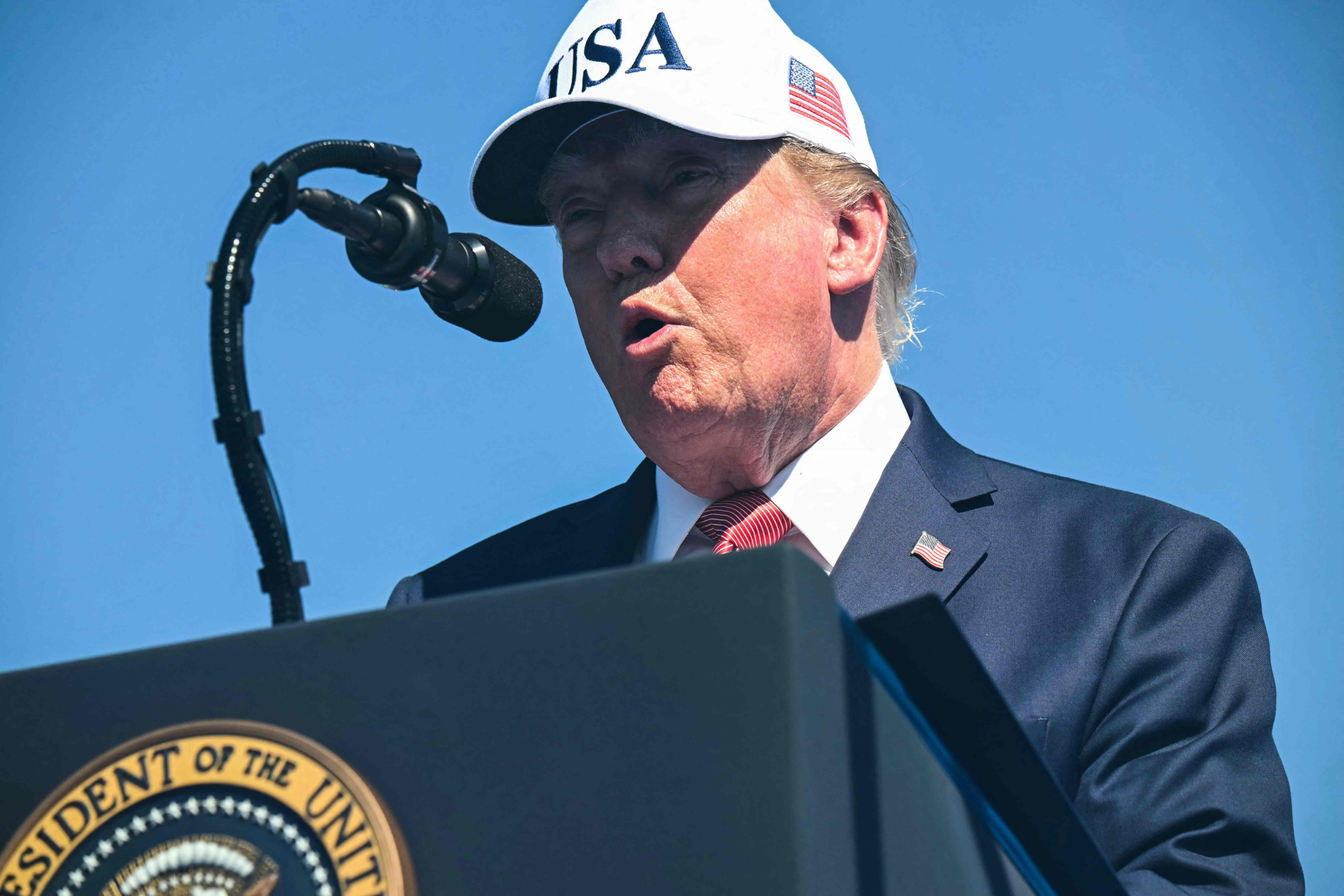
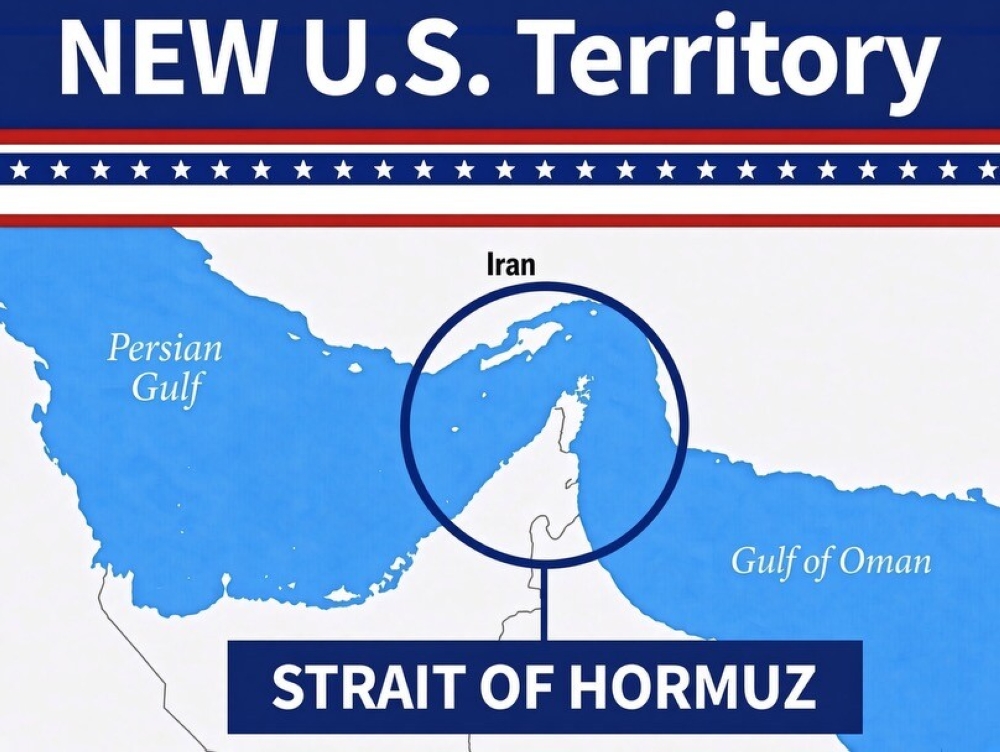
Trump says Strait of Hormuz will open soon amid impending Iran deal talks
While diplomatic talks point toward a sixty-day transit framework, maritime intelligence reports fresh vessel strikes and crippled cargo ships off the Omani coast.
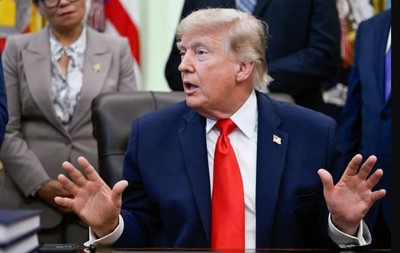
An upbeat television declaration by Donald Trump that the Strait of Hormuz will open very soon collided immediately with maritime intelligence reports of fresh vessel strikes and disabled cargo ships just off the Omani coast. While the White House insists that diplomacy is bearing fruit, commercial shipping lanes tell a starkly different story of unceasing attacks and stalled traffic.
President Trump told Fox News that the United States and Iran were closing in on a breakthrough following all-day negotiations, warning that Tehran would face severe military consequences if an agreement collapsed. According to reporting from Axios cited by News.webindia123, Devdiscourse, and Samaa, the proposed framework involves a sixty-day temporary arrangement brokered between Oman and Iran to regulate transit through the strategic waterway.
Related YouTube video
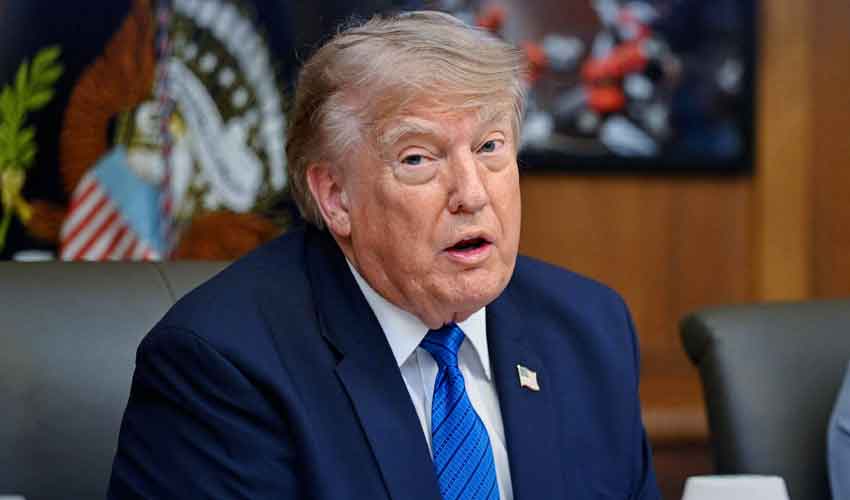

Under the drafted terms, inbound shipping traffic into the Gulf would use a northern route through Iranian waters, while outbound vessels heading toward the Arabian Sea would navigate a southern lane through Omani waters in coordination with Iran, with no tolls or transit fees collected during the interim period. Furthermore, the draft agreement provisions for clearing naval mines from the median lane within thirty days, after which that central route would open to bidirectional traffic under a permanent arrangement negotiated between Oman and Iran.
Diplomatic optimism has already rippled through financial markets, triggering a decline in oil prices and lifting Asian stock markets following record highs on Wall Street, as reported by Samaa. Yet, this high-level political narrative stands in sharp contrast to the acute physical dangers faced by civilian mariners and commercial vessels on the water.
According to maritime security reporting from Insurance Business UK, the Strait has witnessed three separate security incidents within forty-two to forty-eight hours. The United Kingdom Maritime Trade Operations logged an attack after a cargo vessel broadcast a distress call on VHF Channel 16, reporting a strike by an unknown projectile roughly twenty nautical miles northeast of Al Khasab on Oman’s Musandam Peninsula. Private security firm Vanguard Tech identified the ship as the bulk carrier Minoan Pioneer, stating that the projectile struck the engine room, knocked out all power, and sparked a fire that spread to the accommodation block, leaving one crew member unaccounted for. This incident followed two earlier near-misses involving the VLCC Egypt Prosperity and the Aframax On Pride.
The human and logistical toll extends across regional chokepoints. According to United Nations International Maritime Organization figures cited by Samaa, at least seventeen seafarers have been killed across sixty-four separate incidents in the Strait of Hormuz since the conflict began on February 28, 2026. Concurrently, ship-tracking data from Kpler indicates that daily commercial crossings through Hormuz have shrunk to a tiny fraction of pre-war levels, dropping to single-digit counts such as eight vessels on Sunday and eleven the day prior, compared to more than one hundred routine crossings previously.
Alternative escape routes have likewise deteriorated. Tankers carrying Saudi crude that previously bypassed Hormuz via the Red Sea now face compounding hazards from an Iran-aligned Houthi blockade on Saudi Red Sea ports declared on July 20, 2026, alongside ongoing attacks tracked by UKMTO. Kpler data shows crude loadings bound for Asia via the Bab el-Mandeb strait have dwindled to approximately four ships a day.
For marine underwriters and brokers, diplomatic assurances have failed to offset compounding operational risks. War-risk insurance premiums for the region, which had spiked up to ten percent of hull value during prior hostilities before easing slightly, remain volatile, while a U.S. Development Finance Corporation-backed reinsurance facility fronted by Chubb reportedly wrote zero business because crews and cargo owners refused to trust the safety of the corridor. As container line Hapag-Lloyd noted, even a sudden diplomatic resolution would require three to four months to normalize maritime cargo flows given the extent of prior capacity rerouting.
Diplomatic Approvals and Regional Mediation Efforts
According to reporting from Axios cited by News.webindia123 and Devdiscourse, the diplomatic framework moved closer to reality when Iran's leadership completed its approval process on Tuesday. Omani Foreign Minister Badr al-Busaidi and Iranian Foreign Minister Abbas Araghchi engaged in discussions alongside U.S. Special Envoy Steve Witkoff. regional mediators from Qatar, Pakistan, and Saudi Arabia participated in the diplomatic outreach to establish an understanding between Washington and Tehran, as noted by Samaa and Arabtimesonline.
The diplomatic maneuverings and operational realities on the ground involve several coordinated components:
- A sixty-day temporary arrangement brokered between Oman and Iran to regulate maritime traffic through the Strait of Hormuz without tolls or transit fees during the interim period.
- Designated transit lanes utilizing a northern route through Iranian waters for inbound traffic and a southern lane through Omani waters for outbound traffic heading toward the Arabian Sea.
- A thirty-day window designated for clearing naval mines from the median lane to prepare for a permanent bidirectional arrangement.
Despite these reported diplomatic gains, Iranian state media reported that any agreement with Oman would remain delayed as long as the United States continues issuing military threats, according to Samaa. Meanwhile, Iranian Foreign Ministry spokesperson Esmaeil Baghaei described ongoing transit talks with Oman as positive, emphasizing that discussions remain focused on protecting national security and sovereign rights.
The immediate trajectory of the crisis hinges on whether the reported sixty-day interim arrangement receives formal public announcement from Tehran and Washington, and whether commercial shipping traffic actually resumes or collapses under ongoing naval attacks.
How significant is this development?
Contribute your assessment to the aggregated reader intelligence ledger.
Archypedia is dedicated to independent, evidence-backed reporting. This briefing was synthesized from primary source reporting, corroborated across independent newsrooms, and verified against our Editorial Standards.
Transparency record
Evidence behind this report
This report synthesizes 5 distinct sources. Open the source ledger below to compare the underlying coverage.
Prepared under the Archypedia Editorial Policy by the Samir Haddad editorial desk profile. AI-assisted tools may support drafting and verification; public accountability remains with Archypedia. Report an error.