US officials deny new Iran negotiations despite Trump claims
Contradictory claims from the Oval Office and Tehran have triggered volatility in global energy markets as a blockade of the Strait of Hormuz persists.

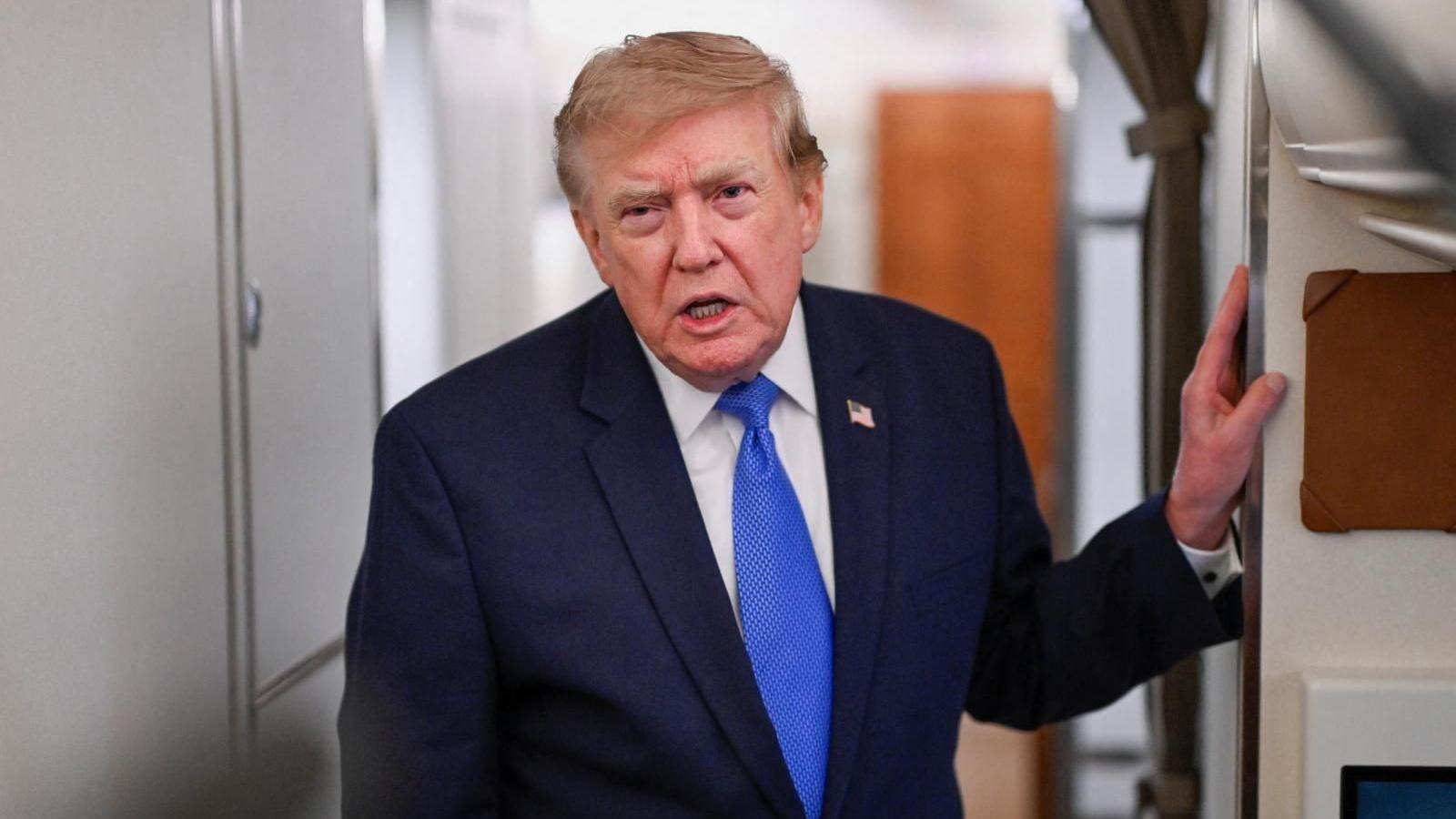
President Donald Trump claimed Sunday that a peace deal with Iran is imminent
and that negotiations would begin Monday afternoon to reopen the Strait of Hormuz. Within hours, the Iranian Foreign Ministry categorically denied that any direct talks with Washington are taking place, asserting that Tehran is only negotiating with Oman to establish temporary shipping routes.
The contradiction arrives as the U.S. And Iran enter the sixth month of a conflict that began on February 28. The discrepancy between the Oval Office and Tehran has created a volatile atmosphere for global energy markets; crude futures slid more than 6% on Monday following the president's hint of diplomacy.
Related YouTube video

The divide extends into the U.S. Government's own ranks. While Trump publicly frames the situation as a fresh diplomatic breakthrough, U.S. Officials told CBS News that there are no new
or novel negotiations planned. According to these officials, the only activity consists of ongoing mediator-led channels involving the Iranian team and U.S. Negotiators, including Jared Kushner and Middle East envoy Steve Witkoff.
Most recently, Trump stated he called off strikes he described as the biggest attacks since World War II
after appeals from Saudi Arabia, Qatar, the UAE, and Iran.
The human and economic costs of the stalemate are concrete. Fifty thousand U.S. Troops remain deployed in the Middle East for a conflict originally expected to last six weeks. 18 American service members have been killed. Domestically, Trump criticized energy giants Chevron and ExxonMobil on Monday, claiming they made too much money
from high gasoline prices driven by the war.
The Battle for the Strait
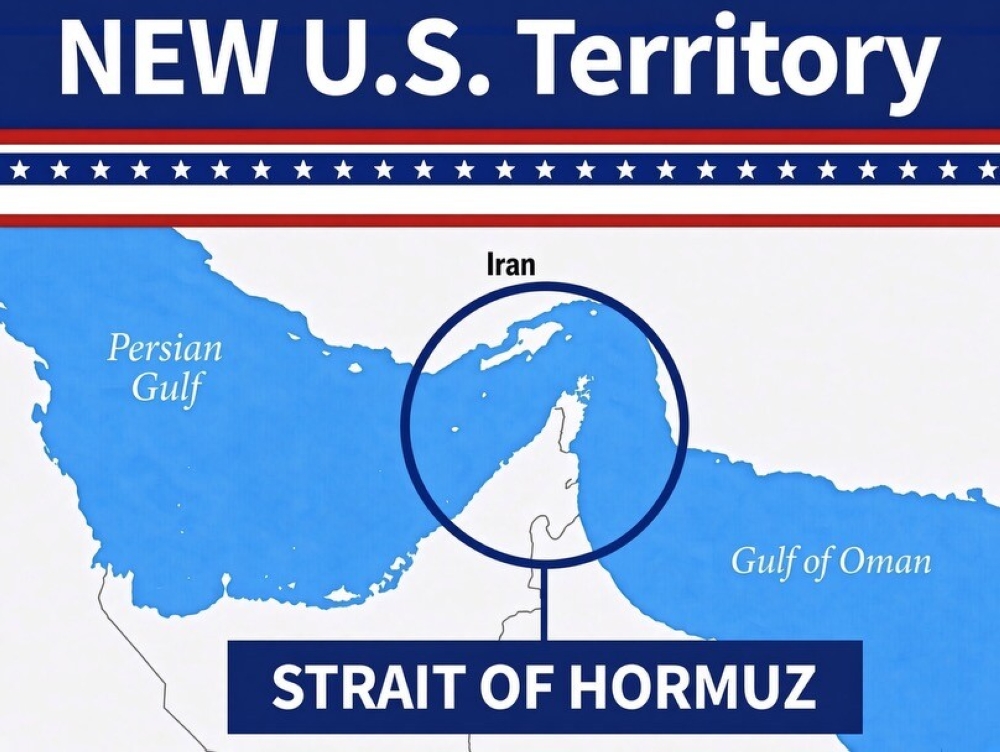
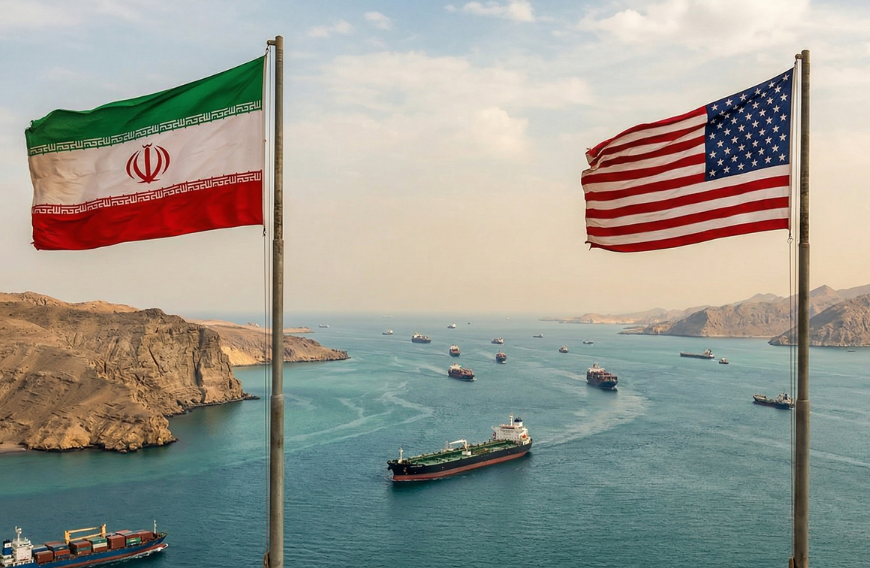
The primary friction point is the Strait of Hormuz, through which roughly one-fifth of the world's oil and natural gas passed before the conflict. The U.S. Navy currently enforces a blockade, with CENTCOM reporting that it has redirected 44 commercial vessels, disabled two, and boarded another two.
Iran, however, maintains a stranglehold on the waterway. Kpler data from Sunday showed only nine confirmed transits in the strait, seven of which used an Iranian-established route requiring coordination with Tehran and the potential payment of tolls. Iran's Foreign Ministry spokesperson, Esmaeil Baqaei, stated that the status quo will in no way return
to the pre-February 28 conditions.
- Iranian Position: Iran has insisted that ships navigating through the waterway should use a route designated by them after requesting permission and paying service fees.
- The Omani Role: Iran claims it is negotiating a
middle route
with Oman that would be temporary.
Beyond Oman, other regional actors are attempting to bridge the gap. Meysar al-Shammari, a leader in Iraq's National Wisdom Movement, told the IRNA news agency that Prime Minister Ali al-Zeidi has been carrying messages from the White House to Tehran to contain the conflict.
Iranian leadership appears increasingly unconvinced by the president's carrot-and-stick approach. Sources inside Iran suggest the leadership believes Trump is seeking leverage rather than a wider war, calculating that they can absorb U.S. Pressure by utilizing proxies, such as the Houthis in Yemen.
The tension persists as Trump maintains that the Iranian leadership is unbelievably duplicitous
for denying the talks he claims they begged
for. He told reporters in the Oval Office that the process is not very complex
and consists of two phases: the opening of the straits, followed by the denuclearization of Iran.
The unresolved trigger now rests on a vague timeline provided by the president, who told reporters they would find out today or tomorrow
whether the strait will be completely open.
The Pattern of Escalation
Similar tactics were used in April, May, and June, when the president warned that a whole civilization will die
if Tehran did not agree to a ceasefire, only to repeatedly extend the deadlines. Sources inside Iran say this has only reinforced a belief among the country's leadership that Mr. Trump is not looking for a wider war, but for leverage in negotiations.
Eighteen American service members have been killed, and hundreds more wounded since the start of the war on February 28.
The decline in oil prices was aided by an agreement between Saudi Arabia, Russia and five other OPEC+ members to boost production by 188,000 barrels a day from September, analysts said.
The stability of the region remains fragile. Iran has recently executed two men for alleged espionage for Israel's Mossad and threatened necessary measures
against Ukraine following a July 25 strike on an Iranian vessel in the Caspian Sea.
The next step depends on the president's own timeline; he told reporters in the Oval Office that people will find out today or tomorrow
about how talks with Iran are going.
How significant is this development?
Contribute your assessment to the aggregated reader intelligence ledger.
Archypedia is dedicated to independent, evidence-backed reporting. This briefing was synthesized from primary source reporting, corroborated across independent newsrooms, and verified against our Editorial Standards.
Transparency record
Evidence behind this report
This report synthesizes 8 distinct sources. Open the source ledger below to compare the underlying coverage.
- cbsnews.com
- foreignpolicy.com
- yahoo.com
- americanbazaaronline.com
- mirror.co.uk
- lbc.co.uk
- ibtimes.co.uk
- theguardian.com
Prepared under the Archypedia Editorial Policy by the Samir Haddad editorial desk profile. AI-assisted tools may support drafting and verification; public accountability remains with Archypedia. Report an error.