US gasoline prices climb above $4 per gallon amid Iran war disruptions
The national average price of gasoline in the United States rose to $4.0030 per gallon following the closure of the Strait of Hormuz and increased regional conflict. This price shift follows a rise in crude oil prices and impacts diesel costs, raising concerns regarding broader economic inflation.
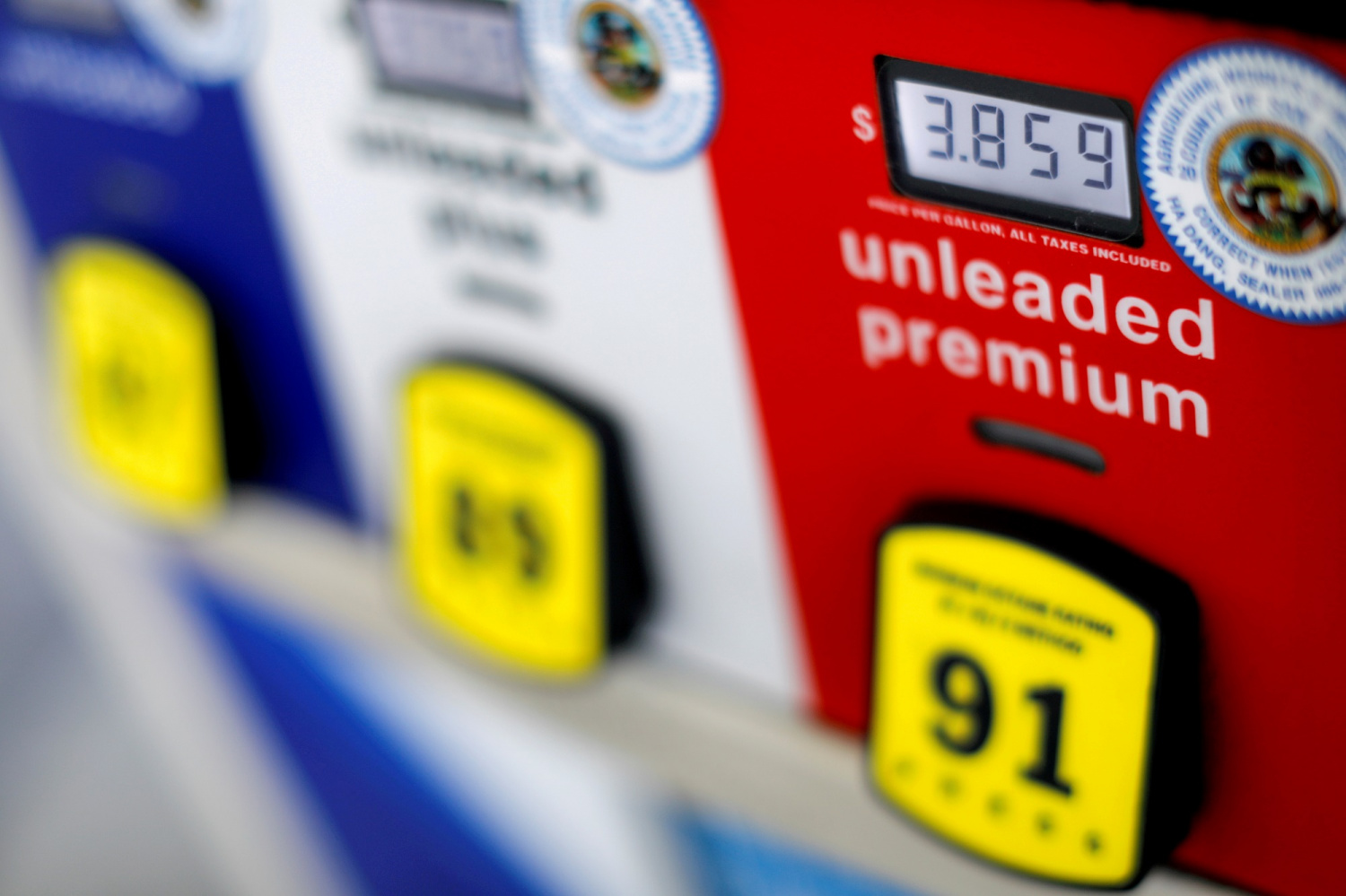
The national average price of gasoline in the United States reached $4.0030 per gallon on Monday, 20 July 2026, according to AAA. This return to the $4 threshold follows a volatile week for energy markets, characterized by a sharp rally in crude oil prices and renewed instability in the Middle East.
The latest price increase marks a reversal of an eight-week downward trend. Just last Monday, 13 July 2026, the national average sat at $3.8720 per gallon. The current figures represent a climb from the same time last year, when the average price was $3.1410. While national averages serve as a benchmark, regional costs remain highly varied; drivers in states with higher fuel taxes or those further from major refining hubs have reported prices significantly above the $4 mark for several weeks.
Related media


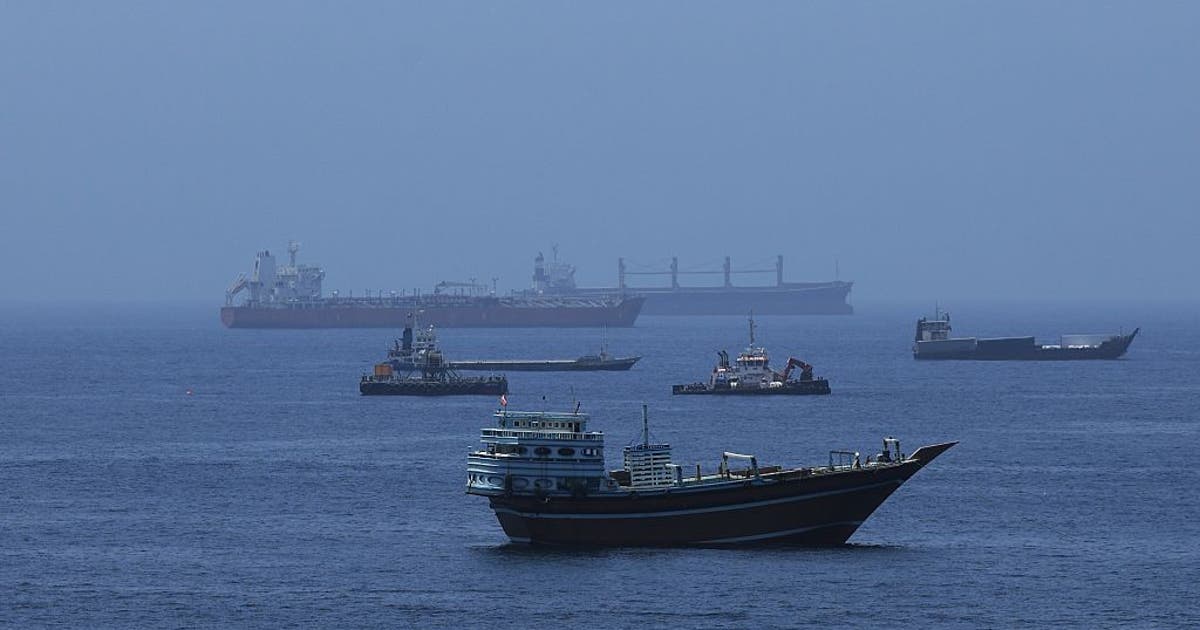
The primary driver behind this latest surge is the de facto closure of the Strait of Hormuz. The waterway, which serves as a critical transit route for approximately one-fifth of the world’s daily seaborne oil exports, has seen most tanker movement come to a halt. As military operations intensify, the conflict has widened, with nine consecutive nights of U.S. Airstrikes against targets within Iran, including military command centers, missile launch sites, and communications networks. Iran has retaliated with strikes against oil infrastructure in regional allied nations, including Kuwait, Jordan, and Bahrain.
Analysts observe that the global market is once again pricing in a war premium. Last week, oil prices experienced a 16% jump. Patrick De Haan, head of petroleum analysis at GasBuddy, previously signaled that this trajectory would inevitably reach the pump.
"The average price of gasoline will soon again hit $4, while diesel has again risen above $5/gal"
Patrick De Haan, head of petroleum analysis at GasBuddy, via Oilprice.com
Broader Economic Impacts
The rise in gasoline is accompanied by a significant surge in diesel prices, which reached an average of $5.45 per gallon. Because diesel is the primary fuel for freight trucks, tractors, and trains, experts warn that these costs will likely ripple through the broader economy. This creates concerns regarding potential inflationary pressure on groceries and consumer goods, as businesses pass on increased transportation and packaging costs.
Households are already adjusting to the strain on the cost of living. Some motorists report reducing daily trips, switching to lower-cost grocery retailers, or cutting back on discretionary spending such as streaming services to maintain their household budgets.
Diplomatic and Military Context
The situation remains a flashpoint for the administration. President Donald Trump has previously characterized the price fluctuations as temporary, though he has faced frustration from the public and vocal critics regarding the ongoing conflict. As the U.S. Death toll in the conflict reaches 17, with hundreds of troops wounded, diplomatic appeals for restraint have grown. The United Arab Emirates’ Ministry of Foreign Affairs issued a statement calling for restraint to avoid "serious repercussions and prevent the region from descending into new levels of violence and instability."
Iranian leadership has responded to ongoing U.S. Military operations with warnings of a "devastating response," while Supreme Leader Mojtaba Khamenei has threatened "unforgettable lessons." Despite some reports of potential interest in renewed negotiations, the continued closure of the Strait of Hormuz keeps supply uncertainty high.
What to Watch Next
- The Strait of Hormuz: Markets remain hyper-focused on this chokepoint. Analysts warn that if the waterway remains blocked, average U.S. Gasoline prices could climb further toward $4.50 per gallon or approach previous record highs.
- Military Developments: Observers are waiting to see if the ongoing airstrikes lead to a change in Iranian posture regarding oil shipments or if the conflict continues to expand into civilian infrastructure.
- Market Stability: As of 20 July 2026, the global benchmark for crude remains elevated, and the duration of the conflict continues to act as the primary variable for fuel pricing throughout the summer season.
Archypedia is dedicated to independent, evidence-backed reporting. This briefing was synthesized from primary source reporting, corroborated across independent newsrooms, and verified against our Editorial Standards.
Transparency record
Evidence behind this report
This report synthesizes 9 distinct sources. Open the source ledger below to compare the underlying coverage.
- apnews.com
- oilprice.com
- yahoo.com
- forbes.com
- bbc.com
- btimesonline.com
- autos.yahoo.com
- fox4news.com
- finance.yahoo.com
Prepared under the Archypedia Editorial Policy by the Mara Ionescu editorial desk profile. AI-assisted tools may support drafting and verification; public accountability remains with Archypedia. Report an error.