
World
Chevron considers Iraqi pipeline
Chevron is negotiating agreements with the Iraqi government to invest in major oil fields and explore a pipeline project to bypass the Strait of Hormuz.
Chevron is negotiating agreements with the Iraqi government to invest in major oil fields and explore a pipeline project to bypass the Strait of Hormuz.
American forces intensified their campaign by hitting targets near Tehran and disabling an oil tanker, while Iran retaliated with strikes on neighboring countries.
Oil prices rose on July 15, 2026, as renewed hostilities and a U.S. naval blockade of Iranian ports threatened global energy transit corridors.
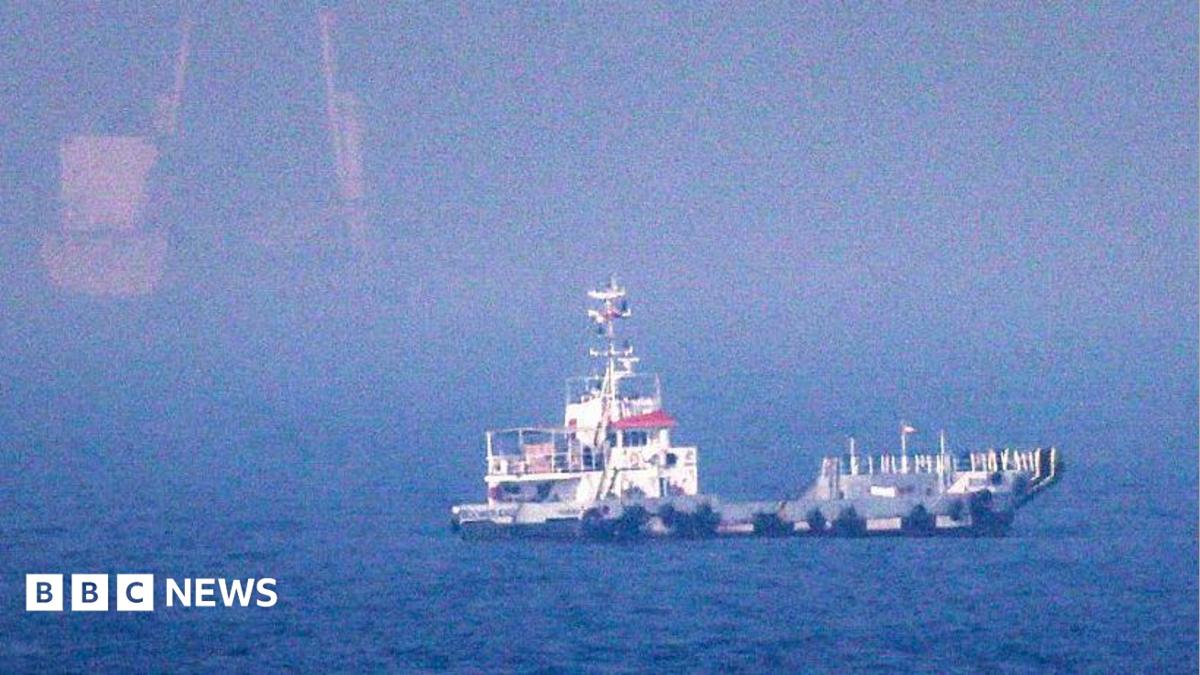
Hostilities in the Strait of Hormuz have intensified following attacks on two tankers and the US military's strikes on coastal defense and missile sites. The conflict has caused global oil prices to rise as the US declares a blockade on Iranian ports and proposes a security toll.
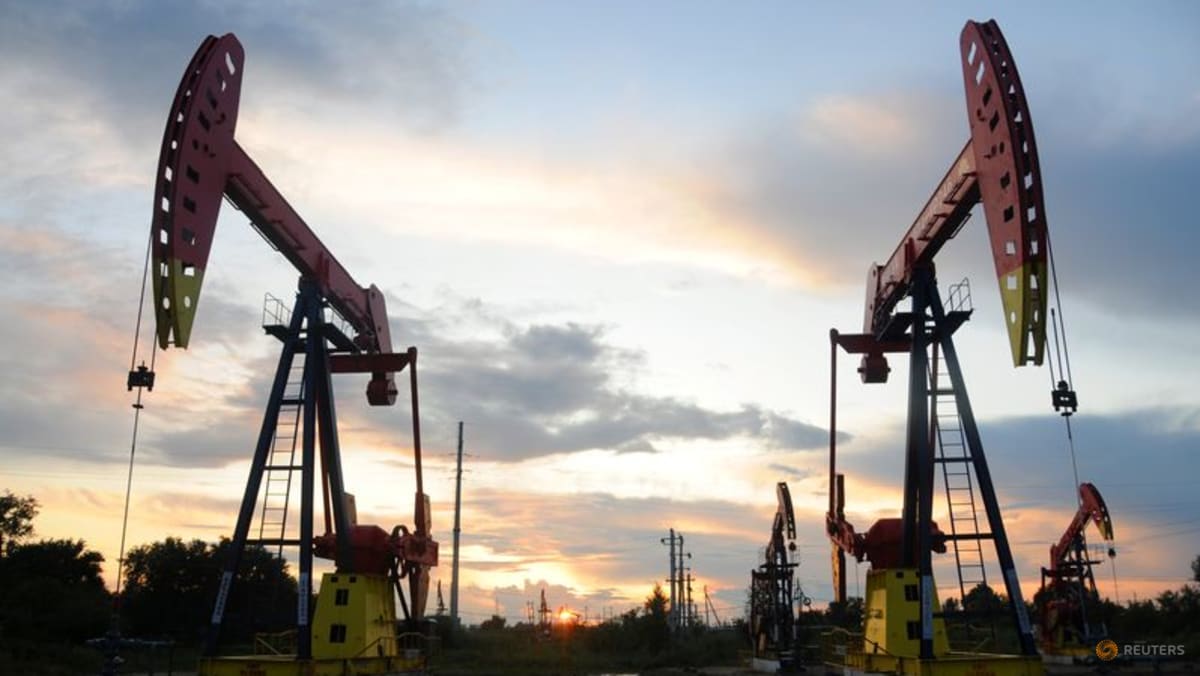
Brent crude surged to its highest level in four weeks following the collapse of a US-Iran ceasefire and renewed attacks on commercial shipping in the Gulf.
President Trump has announced a naval blockade of Iranian ports and a 20% toll on cargo in the Strait of Hormuz amid intensifying military operations and combat. These measures mark a departure from previous U.S. policy regarding free transit in the region.

The U.S. military is set to blockade Iranian ports following increased hostilities and a proposed cargo fee for transit through the Strait of Hormuz.
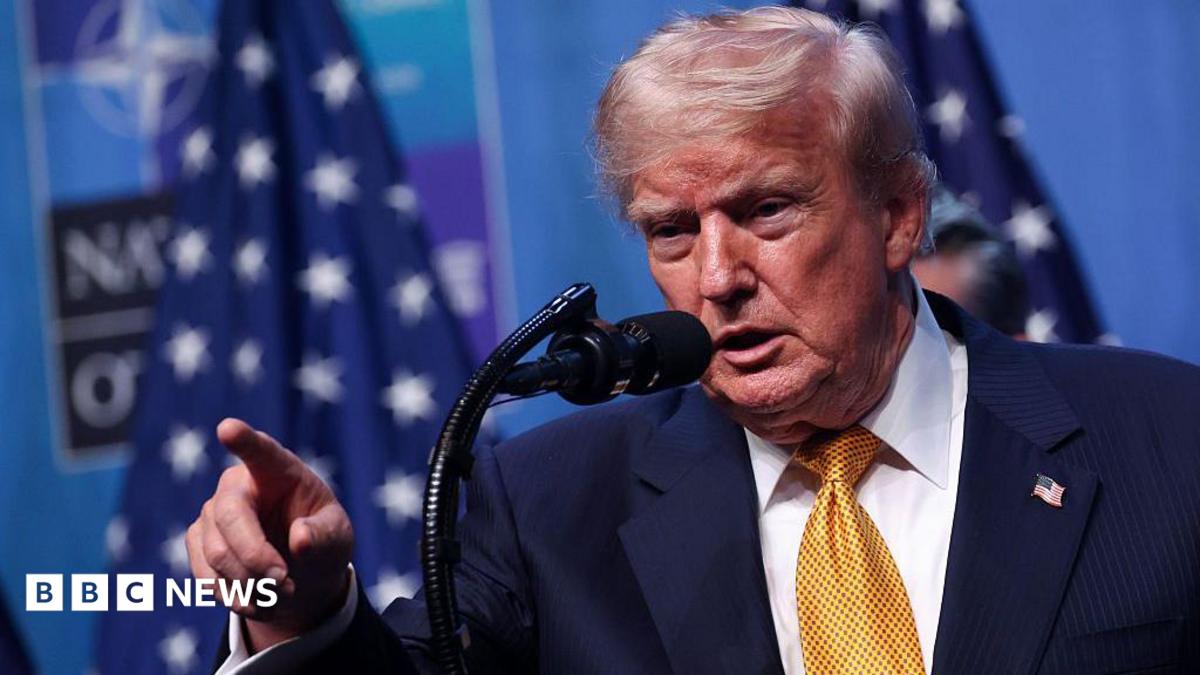
The United States is implementing a mandatory 20% transit toll and a naval blockade of the Iranian coastline following a collapse in regional ceasefire talks. The move has drawn formal opposition from the International Maritime Organization and caused a rise in oil prices.
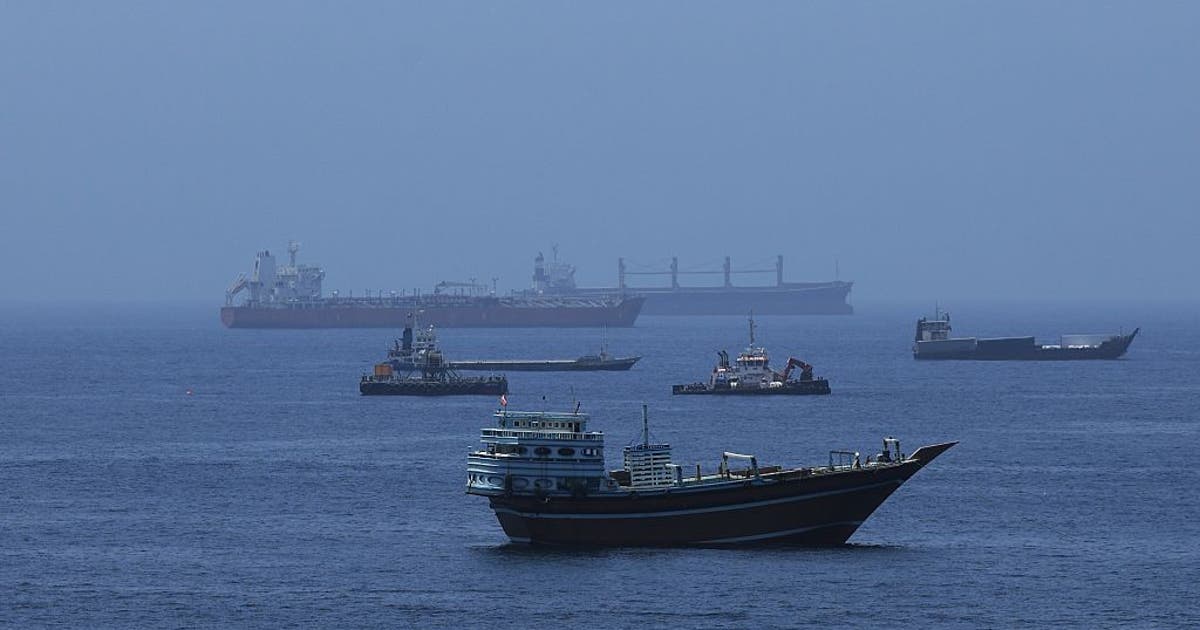
The United States has designated itself the 'Guardian of the Hormuz Strait' and announced a new naval blockade and toll system for cargo vessels. The policy follows recent U.S. drone strikes on Iranian facilities and the collapse of a regional memorandum of understanding.

President Trump has declared a U.S.-led naval blockade of the Strait of Hormuz, announcing a 20 percent cargo levy to fund security operations in the region.
Brent Crude climbed above $79 per barrel as renewed military escalation between the U.S. and Iran sparked global concerns regarding oil supply security.
US forces have intensified operations against Iran following the closure of the Strait of Hormuz and retaliatory strikes across the Gulf region. These actions occur as diplomatic efforts to secure the maritime corridor reach a stalemate.

Heightened geopolitical instability in the Middle East is driving investors away from emerging markets, placing severe inflationary pressure on the South African economy.

Brent crude climbed over 3% following US military strikes and the revocation of Iranian oil sanctions waivers.
President Donald Trump has ordered massive airstrikes against Iranian assets following the IRGC's closure of the strategic Strait of Hormuz and an attack on a civilian cargo ship.
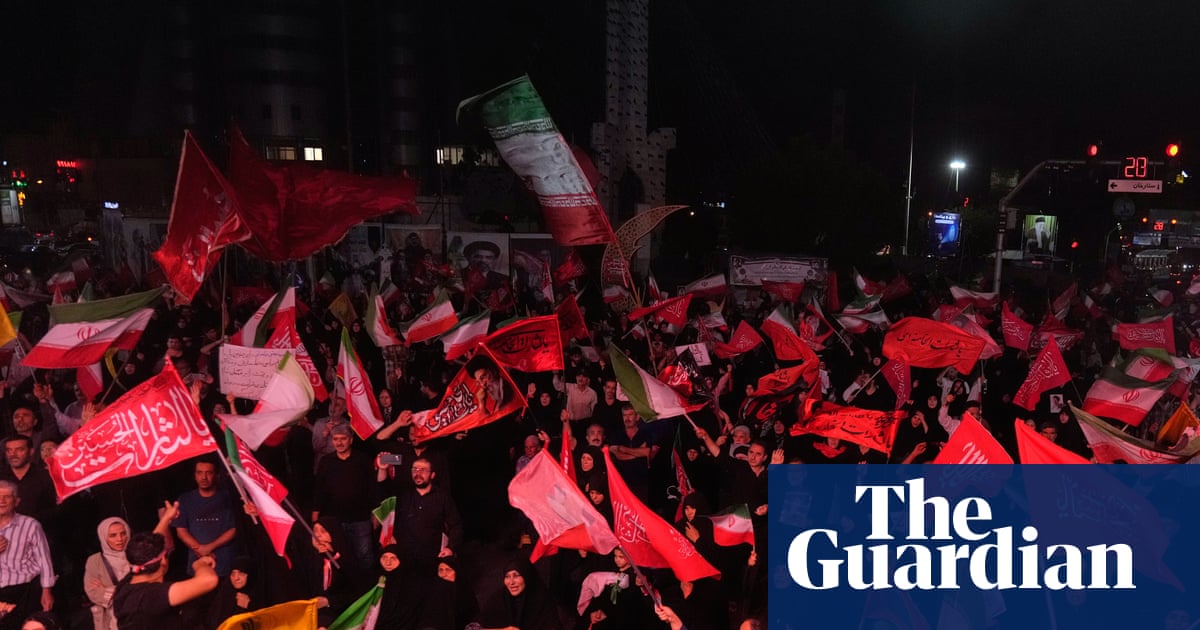
The US launched strikes on at least 140 Iranian sites following an IRGC attack on a commercial vessel and the closure of the Strait of Hormuz.
The U.S. military is targeting Iranian maritime and aerial infrastructure in the Strait of Hormuz to secure shipping lanes and leverage diplomatic compliance.
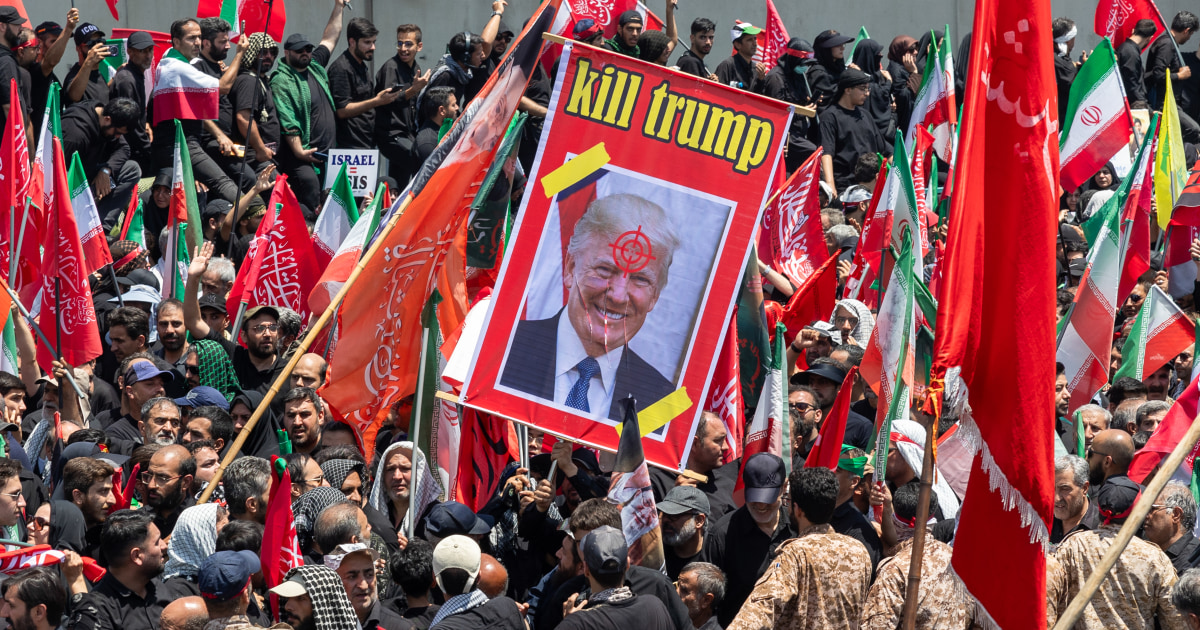
Military skirmishes and conflicting interpretations of the Islamabad Memorandum have stalled peace efforts in the Strait of Hormuz. Iranian leader Mojtaba Khamenei has vowed revenge against the U.S. following recent military strikes.
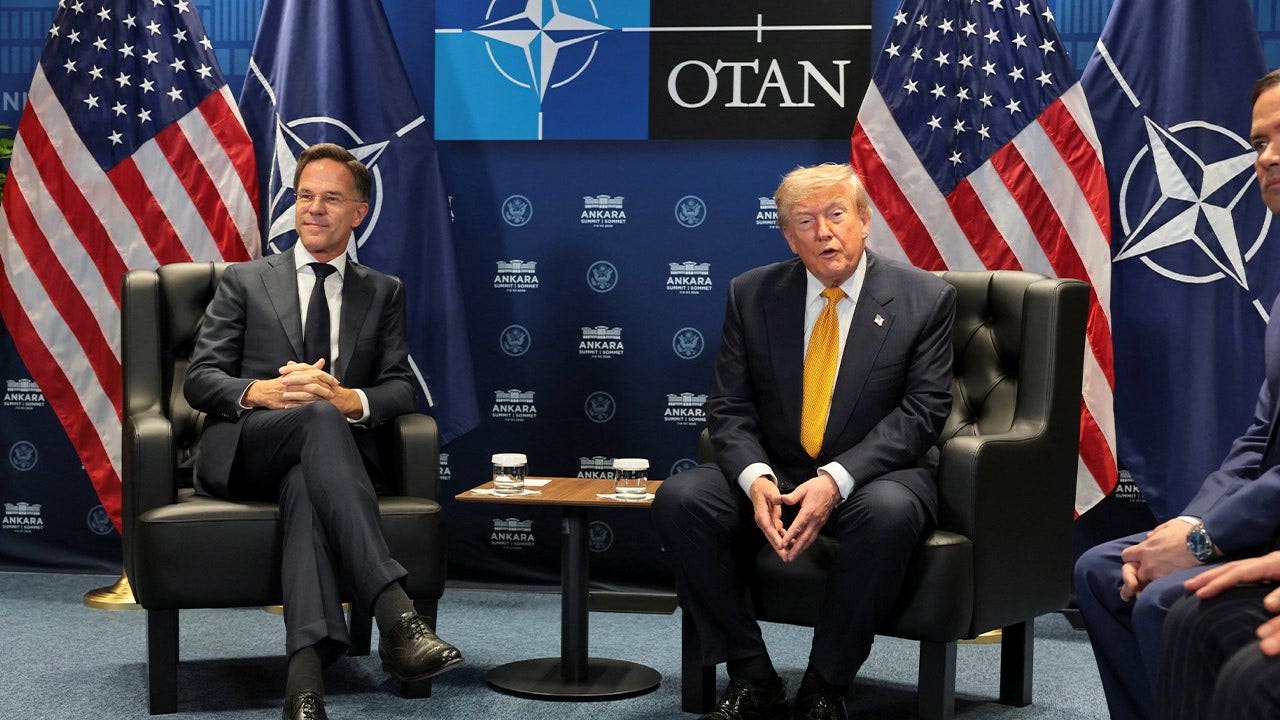
President Trump declared the ceasefire over following Iranian attacks on commercial tankers and a subsequent U.S. bombing campaign. Indirect diplomatic talks remain ongoing through mediators in Qatar and Oman.
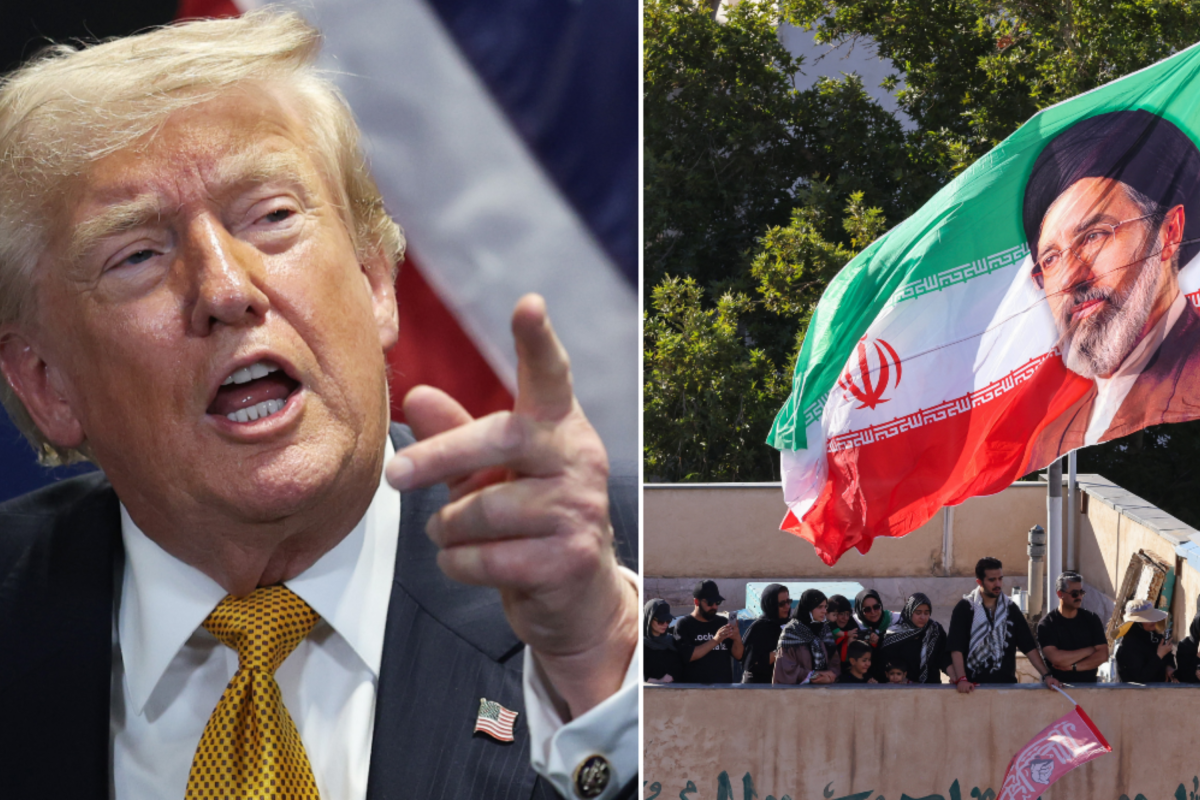
New Iranian Supreme Leader Mojtaba Khamenei has pledged retaliation for the airstrike killing of his father, Ayatollah Ali Khamenei, further straining ties with the US.