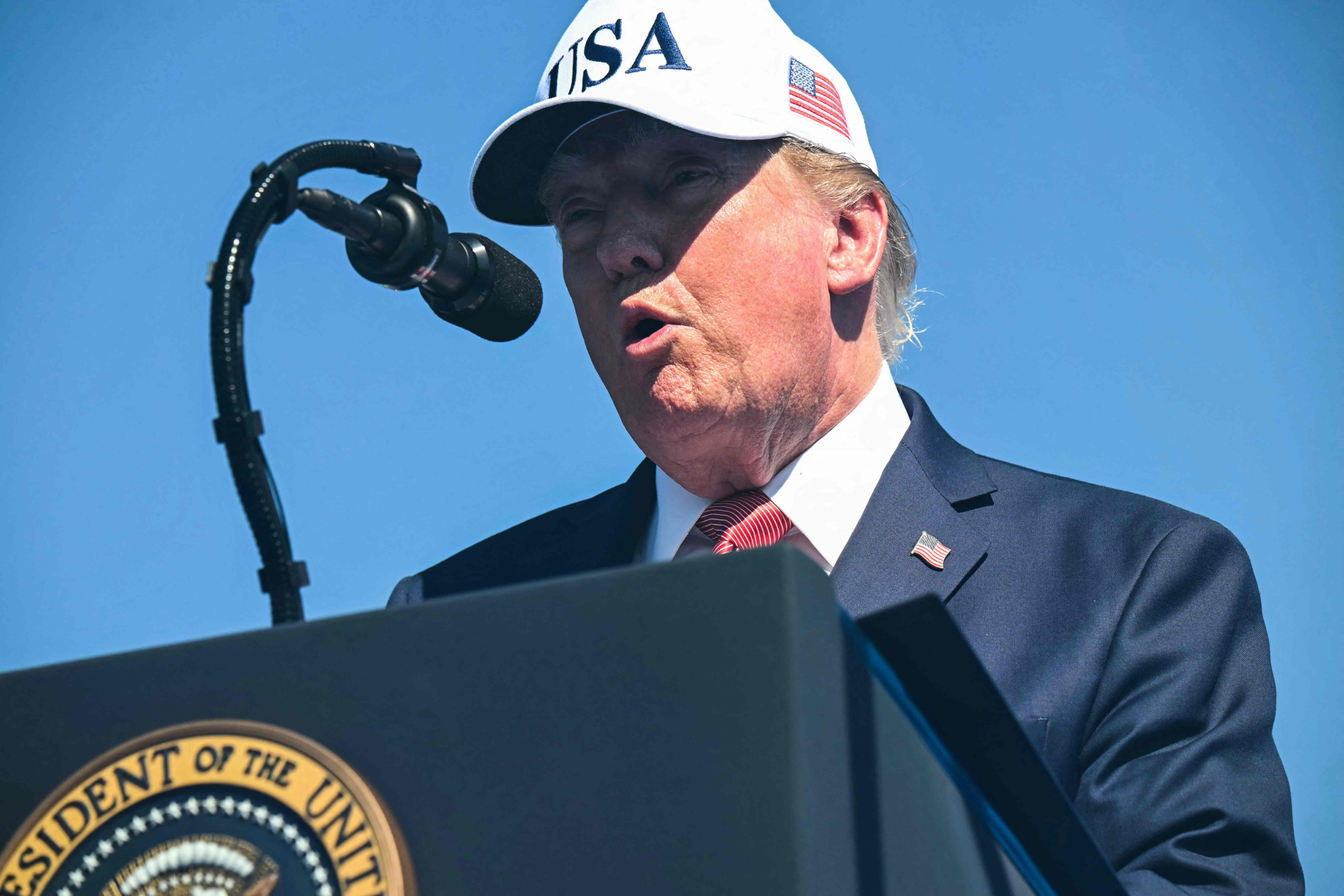
Trump declares US control of Strait of Hormuz and reinstates port blockade
The United States has designated itself the 'Guardian of the Hormuz Strait' and announced a new naval blockade and toll system for cargo vessels. The policy follows recent U.S. drone strikes on Iranian facilities and the collapse of a regional memorandum of understanding.
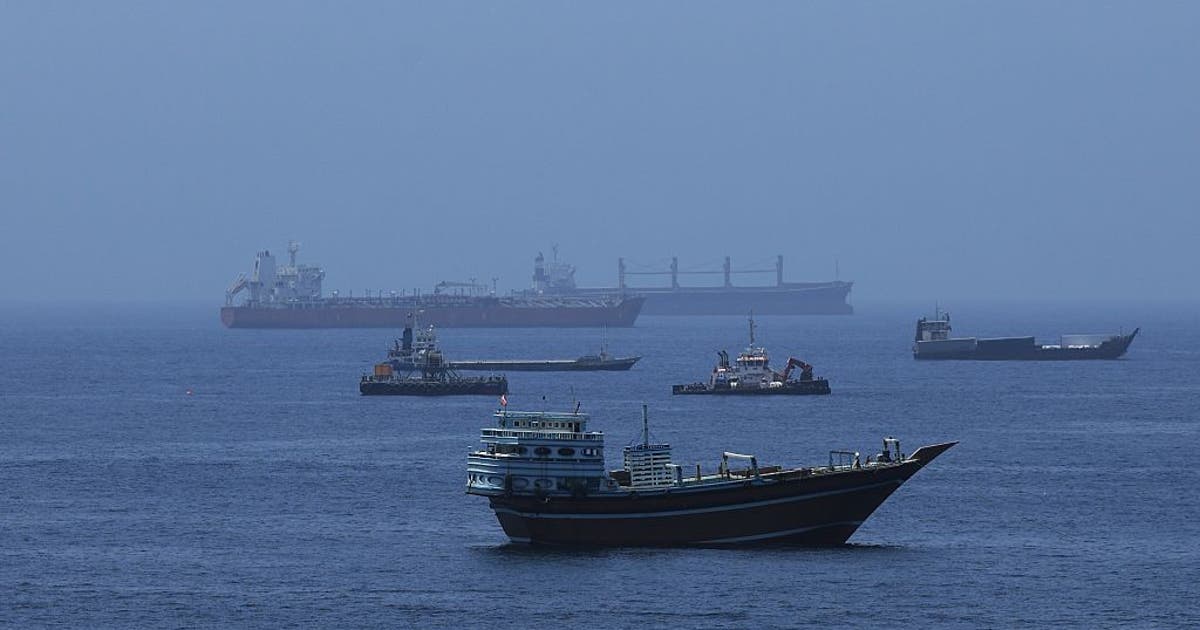
President Donald Trump declared on Monday, July 13, 2026, that the United States has assumed unilateral control of the Strait of Hormuz, announcing the immediate reinstatement of an American naval blockade around Iranian ports. This declaration comes as the latest in a series of volatile military escalations between Washington and Tehran, effectively signaling the collapse of a fragile memorandum of understanding that had been intended to stabilize the region.
The New Security Framework
Under the newly announced policy, the United States has designated itself the "Guardian of the Hormuz Strait." President Trump stated that while the waterway will remain "open" for international traffic, the U.S. Will begin collecting a 20 percent fee on all cargo passing through the area. According to the President, this levy is intended as reimbursement for the operational costs associated with securing the strait, a task he claimed the U.S. Has performed for decades without compensation.
Related media
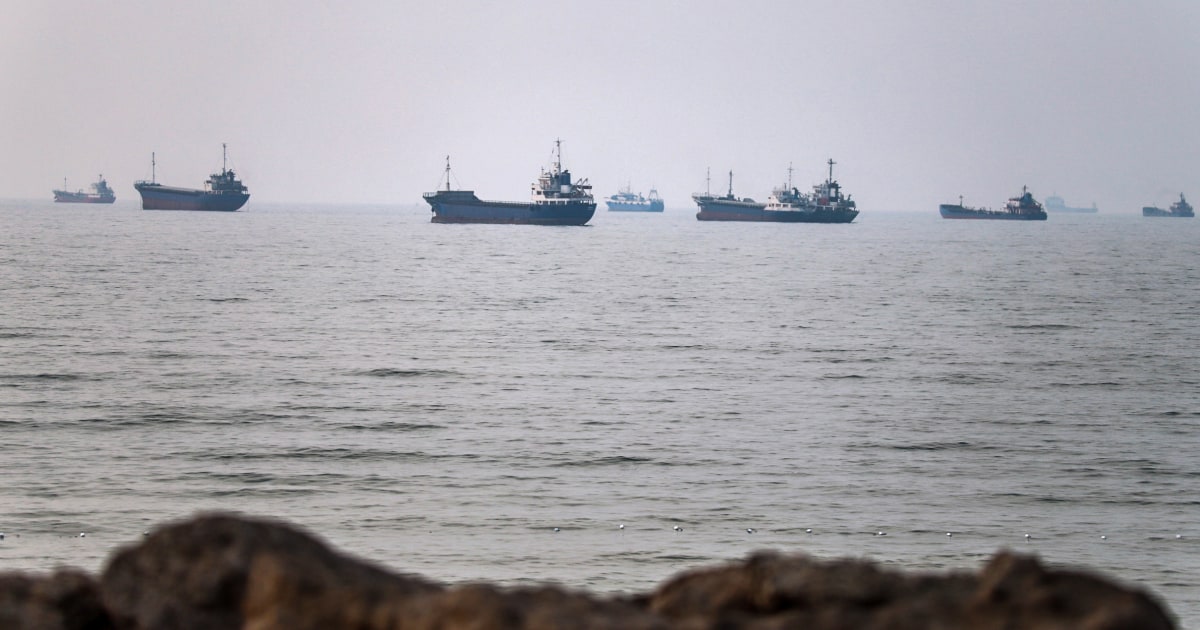
The International Maritime Organization has expressed opposition to this proposal. In a statement on Monday, the agency reiterated that there is "no legal basis through which to introduce mandatory tolls" for the transit of international straits, emphasizing that such waterways must remain free from discriminatory charges.
Recent Military Escalations
The shift in U.S. Policy follows a weekend of intense military exchanges. On Sunday, July 12, 2026, U.S. Central Command (CENTCOM) launched strikes against Iranian targets, including a submarine and ship maintenance facility at the Bandar Abbas Naval Base. The military utilized unmanned surface vessels—the first recorded instance of American sea drones being employed in active combat.
The U.S. Military operations were a direct response to Iranian attacks on commercial shipping. Following these incidents, Iran’s Persian Gulf Strait Authority announced that the waterway was closed to all traffic until further notice.
Competing Claims on the Waterway
A primary point of contention remains the status of the strait. While the U.S. Insists that a southern corridor near the Omani coast is safe and active, Tehran maintains that this route is illegitimate. Iranian officials argue that the memorandum of understanding signed in mid-June granted them authority over the administration of the waterway. By contrast, the U.S. Government maintains that Iran does not control the strait and that any attempts to restrict passage constitute "unwarranted aggression."
Ship-tracking data from Kpler indicates that traffic through the region has plummeted. On Sunday, only 14 vessels transited the strait, the lowest daily volume recorded since June 13.
What to Watch Next
- Legislative Action: The U.K. Parliament is scheduled to vote this week on a bill to proscribe the Islamic Revolutionary Guard Corps as a terrorist organization, a move that could result in life imprisonment for individuals conducting acts of sabotage linked to the group.
- Diplomatic Efforts: Despite the collapse of the interim ceasefire, mediators from Qatar, Pakistan, and Oman are continuing technical and political discussions with both Washington and Tehran in an effort to prevent total war.
- Nuclear Inspections: Iranian officials have stated they will not permit the International Atomic Energy Agency to resume inspections at nuclear facilities, rejecting calls from Western negotiators to restore monitoring protocols.
- Commercial Transit: Brent crude prices rose 4.7% to $79.59 per barrel on Monday following the latest announcements.
As of Monday evening, the U.K. Security Minister Angela Eagle confirmed that intelligence suggests an "Iran-aligned network" has been directing attacks across Europe, further deepening the rift between Western powers and the Islamic Republic.
Archypedia is dedicated to independent, evidence-backed reporting. This briefing was synthesized from primary source reporting, corroborated across independent newsrooms, and verified against our Editorial Standards.
Transparency record
Evidence behind this report
This report synthesizes 12 distinct sources. Open the source ledger below to compare the underlying coverage.
- apnews.com
- cbsnews.com
- fox5dc.com
- usatoday.com
- npr.org
- livemint.com
- nbcnews.com
- yahoo.com
- scrippsnews.com
- iheart.com
- ijr.com
- bbc.com
Prepared under the Archypedia Editorial Policy by the Samir Haddad editorial desk profile. AI-assisted tools may support drafting and verification; public accountability remains with Archypedia. Report an error.