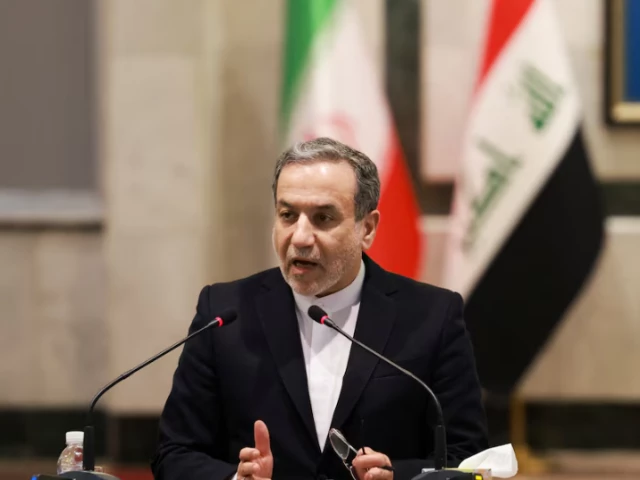
Oil prices climb as Iran threatens to block Middle East energy exports
Oil prices rose on July 15, 2026, as renewed hostilities and a U.S. naval blockade of Iranian ports threatened global energy transit corridors.
Oil prices moved higher on Wednesday, July 15, 2026, as geopolitical tensions in the Middle East intensified. Markets reacted to the resumption of a United States naval blockade on Iranian ports and subsequent threats from Iran’s Islamic Revolutionary Guard Corps to disrupt additional energy export corridors.
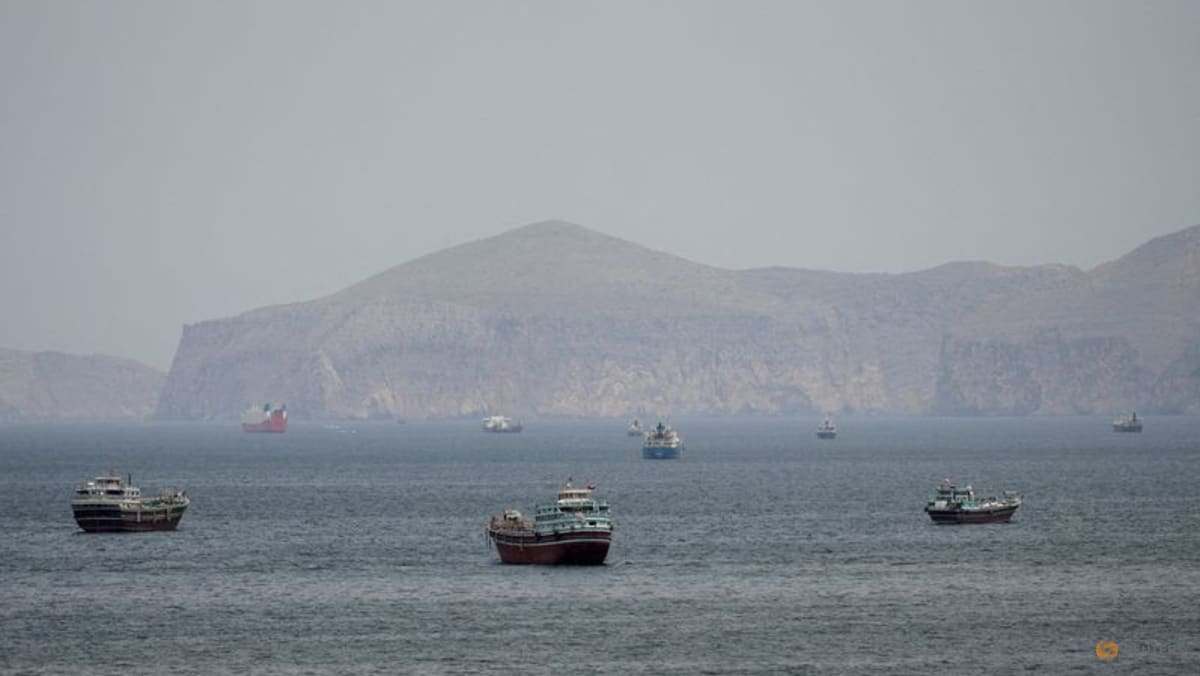
Following the breakdown of a truce established in June, hostilities between the United States and Iran have reignited. Early Wednesday, the U.S. Military initiated a series of strikes intended to degrade Iranian capabilities used to target commercial shipping within the Strait of Hormuz. This waterway, which carries a significant portion of global oil and liquefied natural gas, remains a central point of friction.
Related media

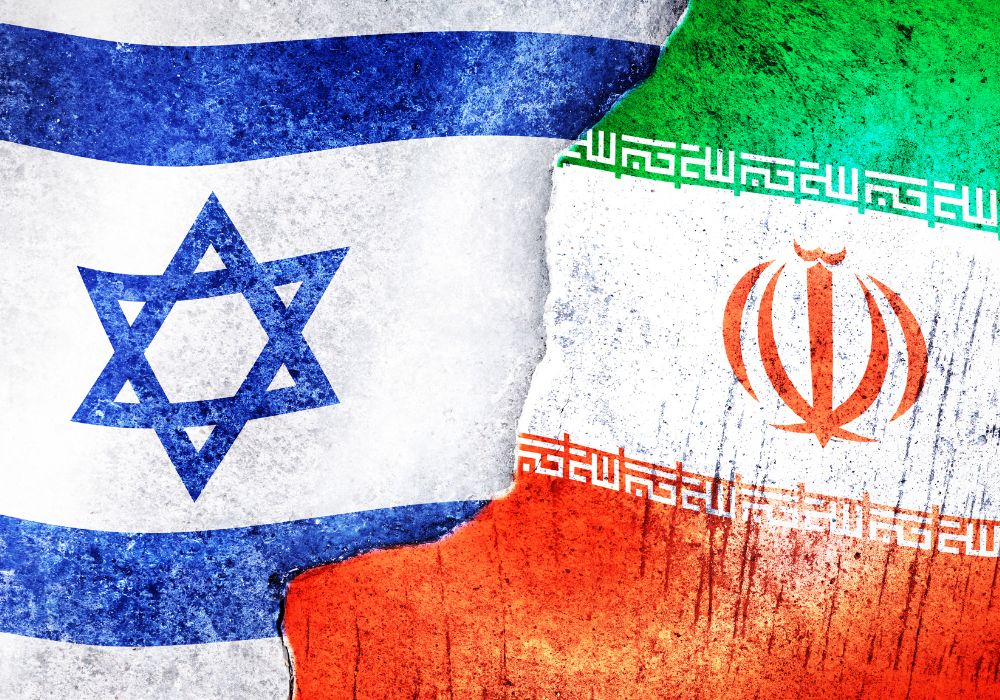
In response to the U.S. Naval activity, Iranian officials issued a stark warning regarding regional energy flows.
The Guard Corps further threatened to close alternative export routes that support the U.S. And its allies. Analysts have noted that this signaling suggests a potential expansion of the conflict, with Iran possibly utilizing Houthi allies in Yemen to threaten the Bab el-Mandeb gateway near the Red Sea."Regional energy exports are either shared by all, or denied to all,"
Islamic Revolutionary Guard Corps, via IRNA
Market analysts are closely monitoring these developments as they impact global supply. According to Goldman Sachs, Gulf exports had recovered to over 80% of pre-war levels following a memorandum of understanding in June, but that figure has since dropped below 50%, or approximately 11 million barrels per day. UBS analyst Giovanni Staunovo noted that the current U.S. Blockade is placing significant pressure on the oil market, citing Iranian export levels of 1.5 million to 2 million barrels per day over the previous two weeks.
The latest military activity includes reports from Iran’s army regarding drone attacks against U.S. Positions at the Azraq base in Jordan, as well as claims from the Islamic Revolutionary Guard Corps that it targeted storage and weapons facilities in Bahrain and Kuwait. The Pentagon has not provided immediate comment on these reports.
Market Outlook and Expert Perspective
Despite the upward pressure on prices, some market observers suggest investors are exercising restraint.
Hansen observed that the market has adopted a cautious approach to such announcements, noting that they do not always result in physical disruption."This is just all part of the war games,"
Ole Hansen, head of commodity strategy at Saxo Bank, via Reuters
Future price trajectories remain uncertain. Goldman Sachs indicated that if the recovery of Gulf exports continues to stall, Brent crude could move above $110 per barrel by the fourth quarter of the current year.
What to Watch Next
- Export Flows: Continued monitoring of tanker traffic through the Strait of Hormuz and the Bab el-Mandeb gateway to determine if threats of closure translate into further supply outages.
- Military Developments: Official verification of reports regarding strikes on infrastructure in Bahrain, Kuwait, and Jordan.
- Diplomatic Stance: Whether the U.S. Or Iranian leadership shifts from current rhetoric back toward negotiations, given the volatility observed since the June truce unraveled.
- Energy Targets: President Donald Trump stated in an interview that while he has deferred targeting energy infrastructure, he would eventually move to strike those sites if the conflict persists.
As of Wednesday morning, Brent futures were trading at $85.42 a barrel, reflecting the heightened state of uncertainty.
Archypedia is dedicated to independent, evidence-backed reporting. This briefing was synthesized from primary source reporting, corroborated across independent newsrooms, and verified against our Editorial Standards.
Transparency record
Evidence behind this report
This report synthesizes 9 distinct sources. Open the source ledger below to compare the underlying coverage.
- live.euronext.com
- finance.yahoo.com
- apnews.com
- aol.com
- wtaq.com
- blogs.worldbank.org
- latimes.com
- oxfordeconomics.com
- channelnewsasia.com
Prepared under the Archypedia Editorial Policy by the Elena Voss editorial desk profile. AI-assisted tools may support drafting and verification; public accountability remains with Archypedia. Report an error.