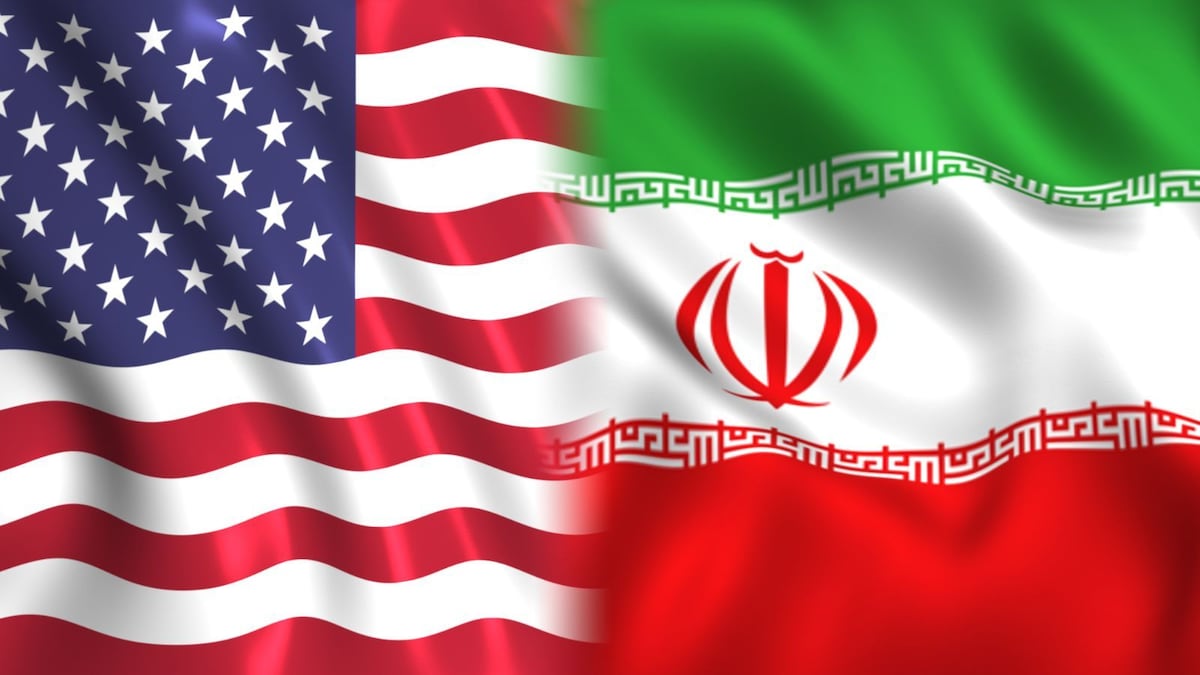
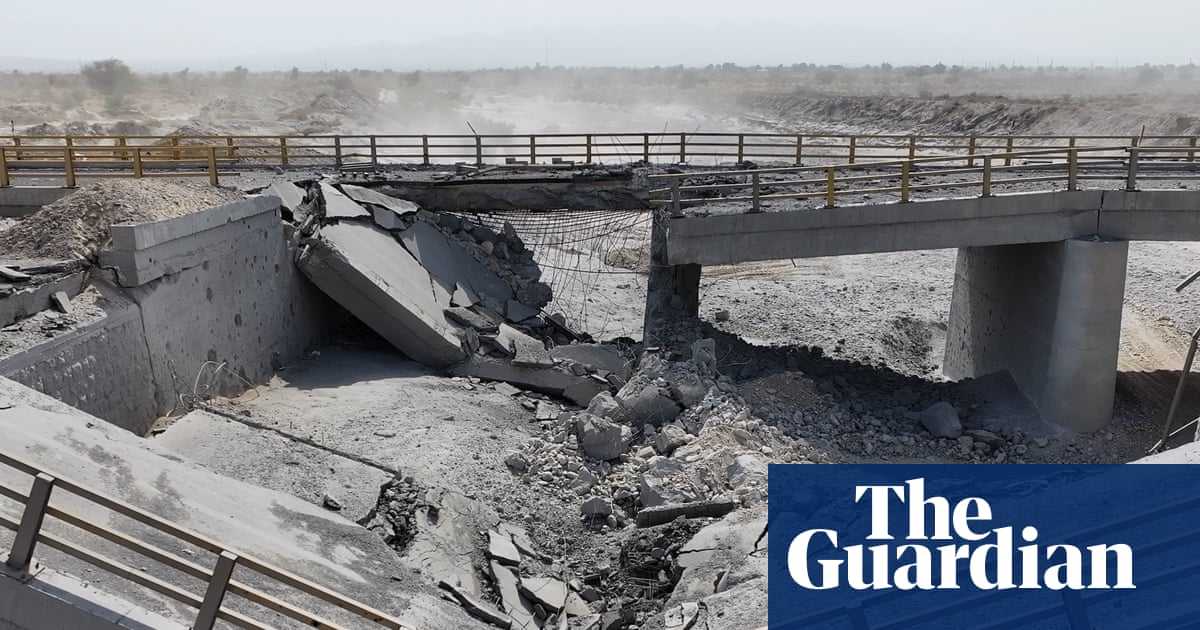
US launches retaliatory strikes on Iran after Strait of Hormuz attack
The U.S. military is targeting Iranian maritime and aerial infrastructure in the Strait of Hormuz to secure shipping lanes and leverage diplomatic compliance.
The United States launched a new series of retaliatory strikes against Iran on Saturday, following an Iranian attack on a Cyprus-flagged container ship in the Strait of Hormuz. According to U.S. Central Command (CENTCOM), the strike was initiated at 4:15 p.m. ET under the direction of President Donald Trump. The targeted vessel sustained an onboard fire and severe damage to its engine room, leaving one civilian crew member missing. Officials stated that the operation was necessitated by Iran’s failure to adhere to a mid-June 14-point Memorandum of Understanding, which had been intended to guide progress toward a long-term peace deal.
The Saturday operation focused on degrading Iranian maritime and aerial defensive capabilities. Targets included air surveillance radars, missile and unmanned aerial vehicle (UAV) launch sites, and storage facilities for advanced weaponry. These actions represent an intensification of hostilities that began earlier in the week, during which U.S. Forces conducted operations in response to the downing of an American Apache helicopter and Iranian strikes against U.S. Facilities in Bahrain, Jordan, and Kuwait. While Iran attempted to retaliate, Secretary of Defense Pete Hegseth noted that most Iranian munitions were intercepted or missed their targets, asserting that their military efficacy is significantly diminished.
Related media

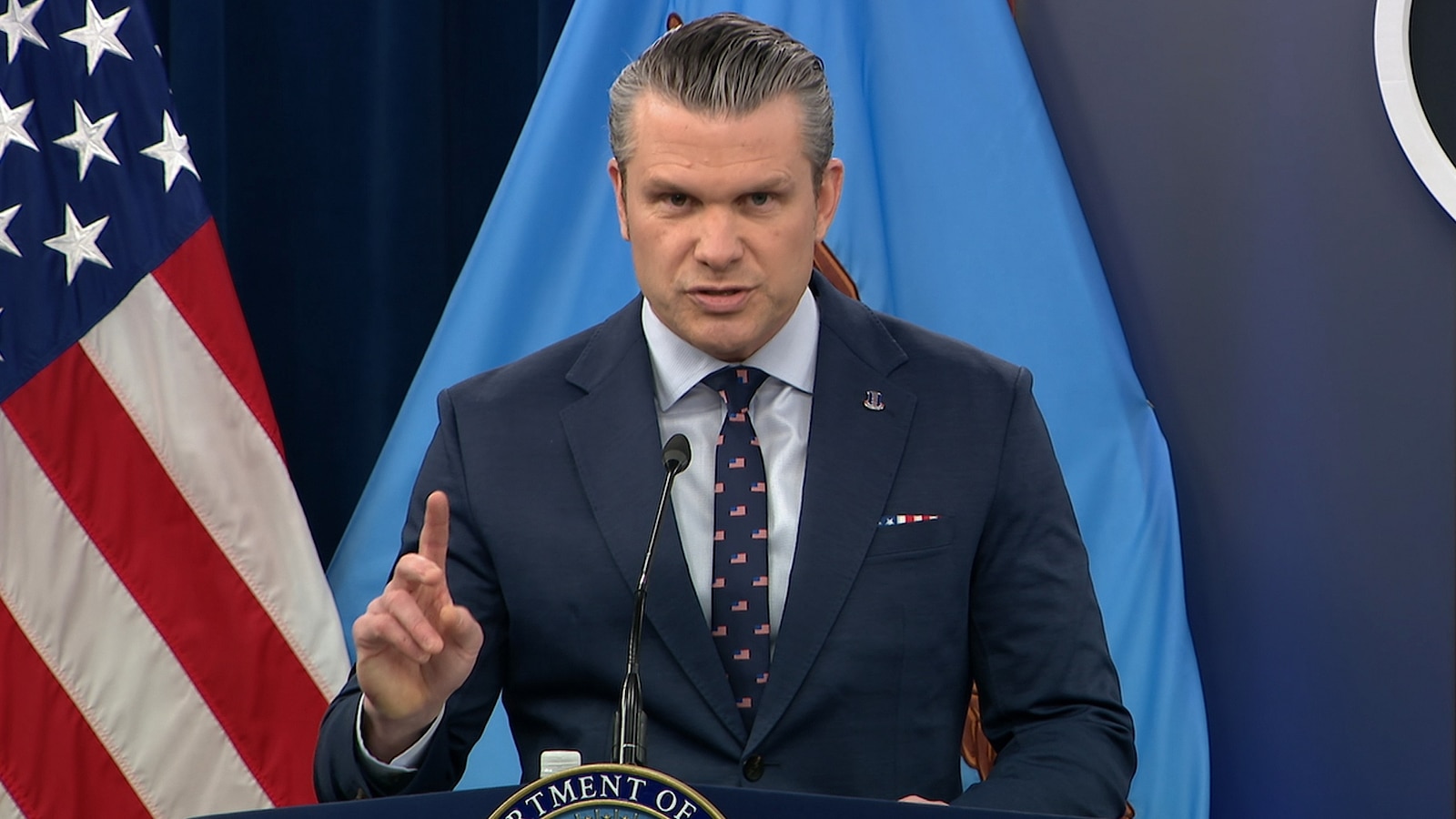
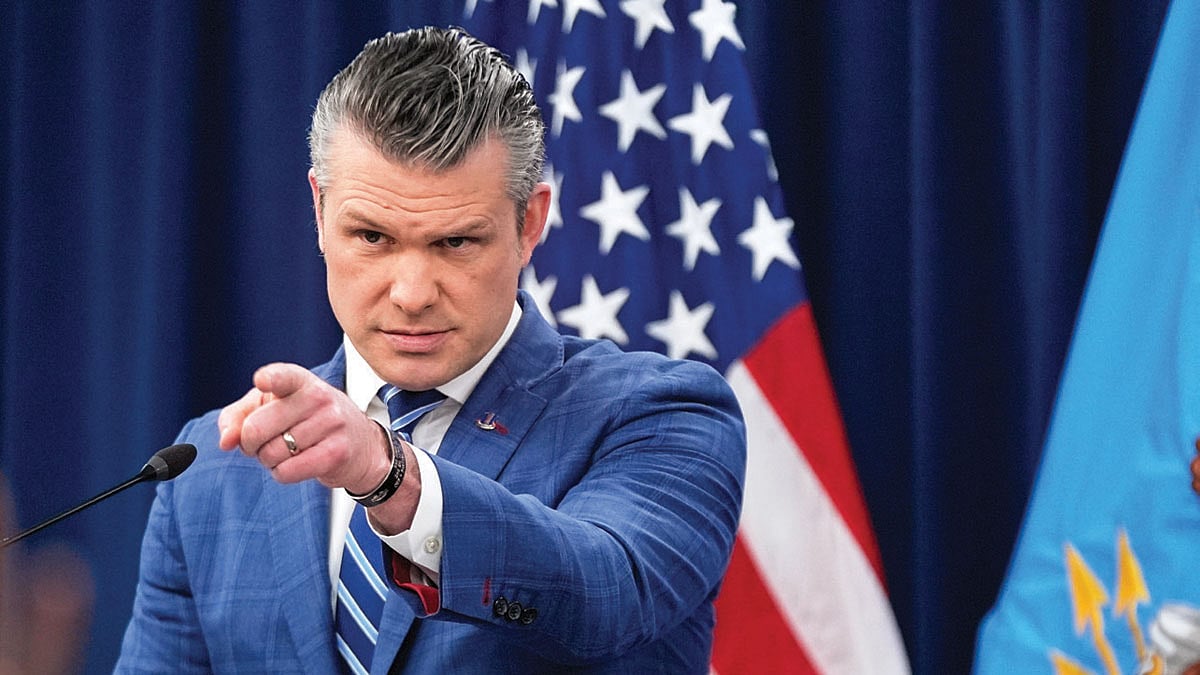
"Negotiating with Bombs"
The administration has explicitly framed the current military campaign as a tool for diplomatic leverage. Secretary Hegseth characterized the use of force as a means to reach an agreement, telling reporters:
"If we need to negotiate with bombs, we'll negotiate with bombs, and we're very good at it. Nobody better in the world."
Pete Hegseth, Secretary of Defense, via USA TODAY
Despite internal pressure regarding rising energy costs, President Trump has defended the conflict, claiming that a secret, U.S.-led mission has successfully moved 100 million barrels of oil through the Strait of Hormuz. The President stated that the military has been conducting these operations to keep the waterway open, maintaining that the United States is effectively controlling the transit lane, a claim Iranian state media continues to dispute.
Control of the Strait
The Strait of Hormuz, a narrow waterway responsible for approximately 20% of the world’s oil supply, remains the primary focal point of the conflict. Secretary Hegseth declared that the U.S. Currently maintains an ironclad blockade
on ships linked to Iranian ports. According to CENTCOM, 134 vessels have complied with redirection orders since the blockade began in April, while eight ships have been disabled by U.S. Forces for non-compliance, including a Palau-flagged tanker targeted in the Gulf of Oman. Although the Pentagon has discussed the potential for U.S. Navy escorts for commercial traffic—a scale of operation not seen since the 1980s—General Dan Caine noted that the military is still developing options and currently prioritizes strikes on Iranian manufacturing and tactical infrastructure.
Conflict Impact and Status
- Casualties: The conflict has resulted in 13 deaths among U.S. Service members and at least 140 reported wounded.
- Military Objectives: Pentagon leadership remains focused on neutralizing missile and UAV production to ensure the U.S. Maintains a military advantage over Iranian defenses.
- Diplomatic Status: A 14-point Memorandum of Understanding established in mid-June remains highly fragile, with the administration accusing Iranian leadership of sabotaging ongoing negotiations.
- Regional Infrastructure: Secretary Hegseth has publicly warned Iranian leadership that the U.S. Is monitoring their movements, cautioning them to choose a diplomatic path or face further strikes on energy and power systems.
As the conflict continues, the Pentagon has maintained a posture of persistent pressure. Secretary Hegseth issued a direct warning to Iranian military commanders, stating, We’re watching you.
The U.S. Remains prepared to sustain these operations until Tehran aligns with the requirements set forth by the White House, with the administration emphasizing that it will continue to apply military force until a favorable peace agreement is secured.
Archypedia is dedicated to independent, evidence-backed reporting. This briefing was synthesized from primary source reporting, corroborated across independent newsrooms, and verified against our Editorial Standards.
Transparency record
Evidence behind this report
This report synthesizes 6 distinct sources. Open the source ledger below to compare the underlying coverage.
Prepared under the Archypedia Editorial Policy by the Mara Ionescu editorial desk profile. AI-assisted tools may support drafting and verification; public accountability remains with Archypedia. Report an error.