Trump declares Iran ceasefire over following Strait of Hormuz attacks
President Trump declared the ceasefire over following Iranian attacks on commercial tankers and a subsequent U.S. bombing campaign. Indirect diplomatic talks remain ongoing through mediators in Qatar and Oman.
Trump declares Iran ceasefire over following Strait of Hormuz attacks
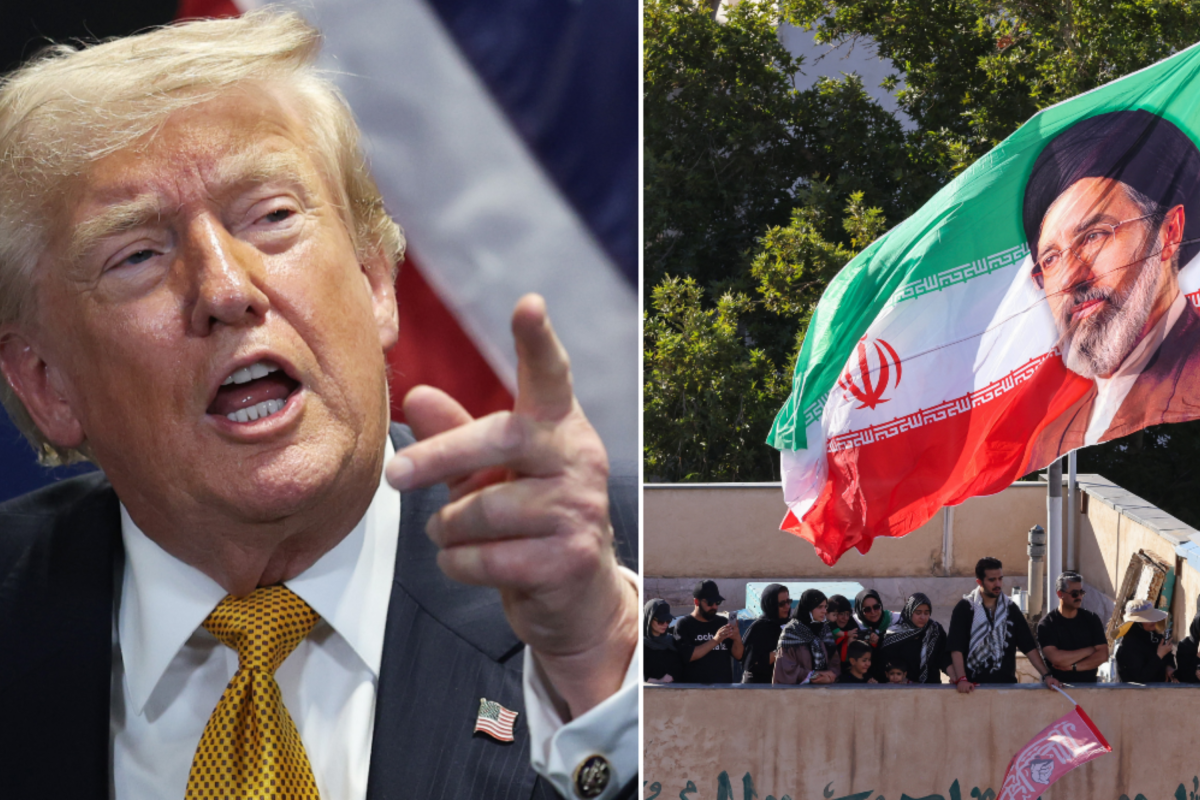
President Donald Trump formally declared the ceasefire between the United States and Iran "over" on Friday, July 10, 2026. This announcement marks the effective collapse of a memorandum of understanding signed in mid-June that had intended to stabilize the region and facilitate a 60-day window for long-term peace negotiations. The declaration followed an intense week of military escalation triggered by Iranian strikes against commercial shipping in the Strait of Hormuz.
Despite the end of the ceasefire, President Trump confirmed on his Truth Social platform that the United States has agreed to continue indirect diplomatic talks with Iranian representatives.
"The Islamic Republic of Iran has asked us to continue 'talks.' We have agreed to do so, but the United States has stated to them, in no uncertain terms, that the Cease Fire is OVER!"
Related YouTube video
America Attack on Iran: ईरान में फिर ‘महातबाही’ | Trump | Khamenei | Netanyahu | HormuzSource link
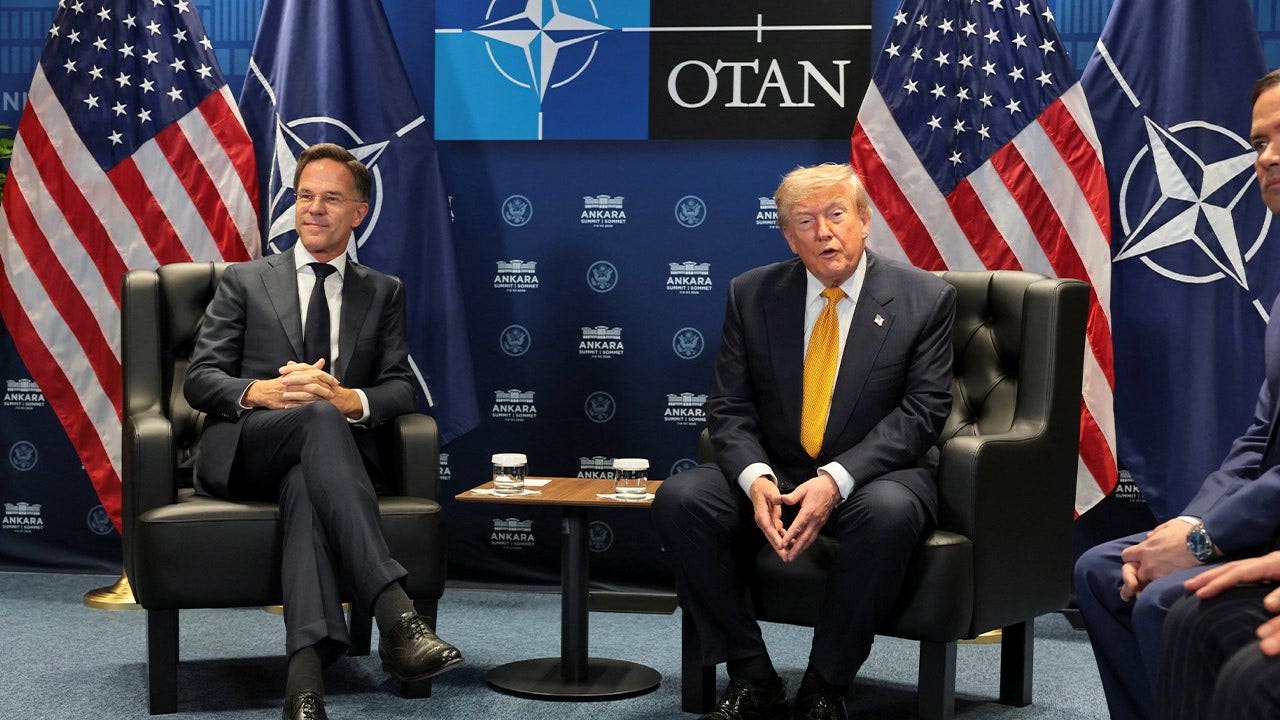
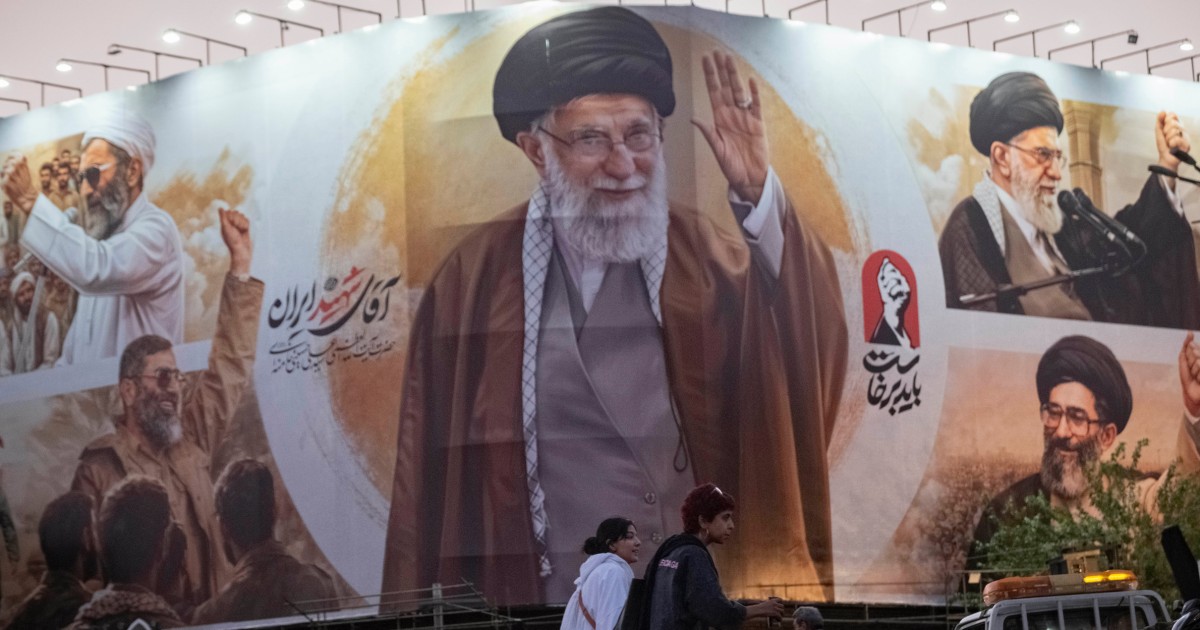
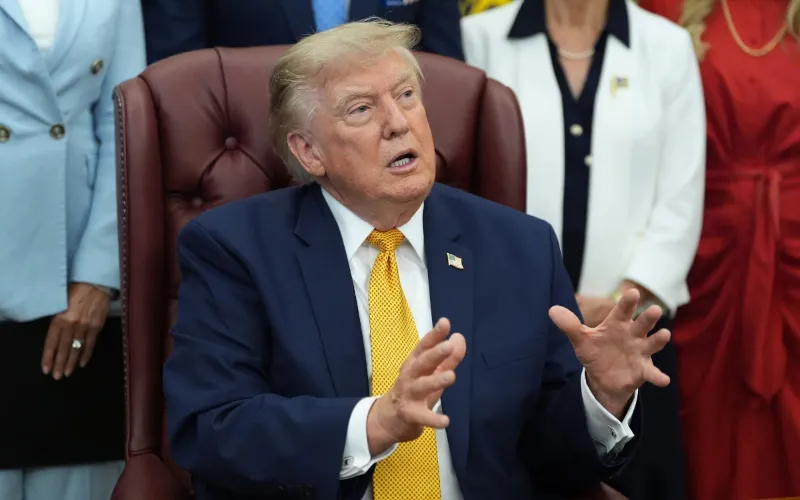
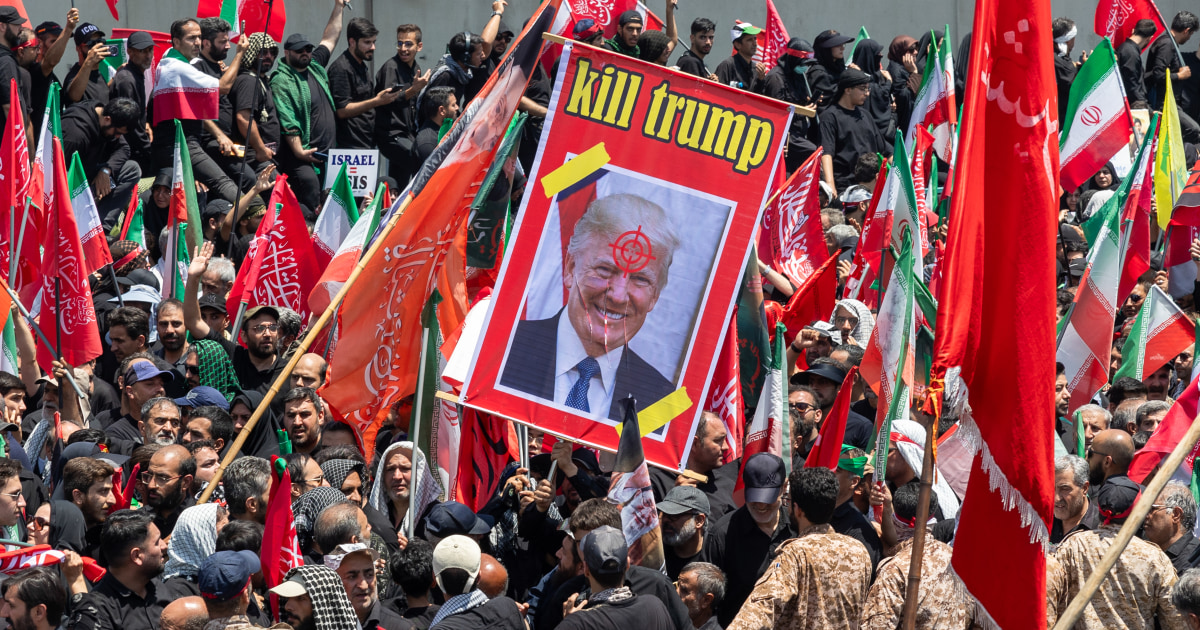
Image via yahoo.comImage via nbcnews.comImage via whtc.com
Donald Trump, U.S. President, via Truth Social
According to multiple sources, this diplomacy is being mediated by Qatar and Oman. While the U.S. Remains open to engagement, President Trump has described the Iranian leadership as "sick people" and "scum," characterizing further negotiations as a "waste of time."
The fracture of the agreement followed a series of attacks earlier in the week. On Monday and Tuesday, Iranian forces reportedly targeted at least three commercial tankers in the Strait of Hormuz. The U.S. Military responded with an extensive bombing campaign, striking more than 80 targets across Iran. Following the conclusion of the U.S. Strikes, mysterious, unclaimed airstrikes were also reported across southern Iran, fueling further regional instability.
The humanitarian toll of the latest fighting is significant. Iran’s Ministry of Health reported that 17 people were killed and 115 injured during the U.S. Airstrikes on Wednesday and Thursday. Beyond military sites, the Iranian government claimed that civilian infrastructure, including rail links between Tehran and Mashhad, were hit. Concurrently, the new Supreme Leader, Mojtaba Khamenei, issued a statement promising to avenge the deaths of his father, the late Supreme Leader Ali Khamenei, and other martyrs associated with the ongoing conflict.
The central point of contention remains the management of the Strait of Hormuz. Article 5 of the Islamabad Memorandum of Understanding mandated that Iran ensure the safe passage of commercial vessels through the waterway. However, significant disagreements persist regarding its interpretation. The U.S. Insists on free international navigation through all channels, while Iran has attempted to mandate specific routes that hug its own coastline and has sought to impose transit fees—a position the U.S. Has rejected. In response to the recent breaches, the U.S. Treasury Department announced new sanctions on Friday targeting Dubai-based financier Ali Ansari and various currency exchange houses, citing their roles in diverting wealth to the Islamic Revolutionary Guard Corps.
Military and Diplomatic Maneuvering
Ongoing Diplomacy: Iranian Foreign Minister Abbas Araghchi traveled to Oman on Saturday, July 11, to discuss the security of the strait with Omani counterparts. Senior U.S. Officials, including Vice President JD Vance, Jared Kushner, and Secretary of State Marco Rubio, are leading the American side of these indirect negotiations.
Economic Impact: Global energy markets have reacted to the volatility, with Brent crude oil futures posting weekly gains of 5%. Major shipping firms, including Maersk, have begun restoring routes through the Suez Canal to avoid the dangers of the Persian Gulf.
What to Watch Next
As of Saturday, July 11, 2026, the status of the indirect negotiations remains tenuous. President Trump has issued a warning that he has thousands of missiles "locked and loaded" and has instructed the U.S. Military to be prepared to "decimate and destroy" Iran should the regime attempt an assassination against him.
Editorial Standards & Verification
Archypedia is dedicated to independent, evidence-backed reporting. This briefing was synthesized from primary source reporting, corroborated across independent newsrooms, and verified against our Editorial Standards.