Trump plans US takeover of Strait of Hormuz with 20 percent cargo tax
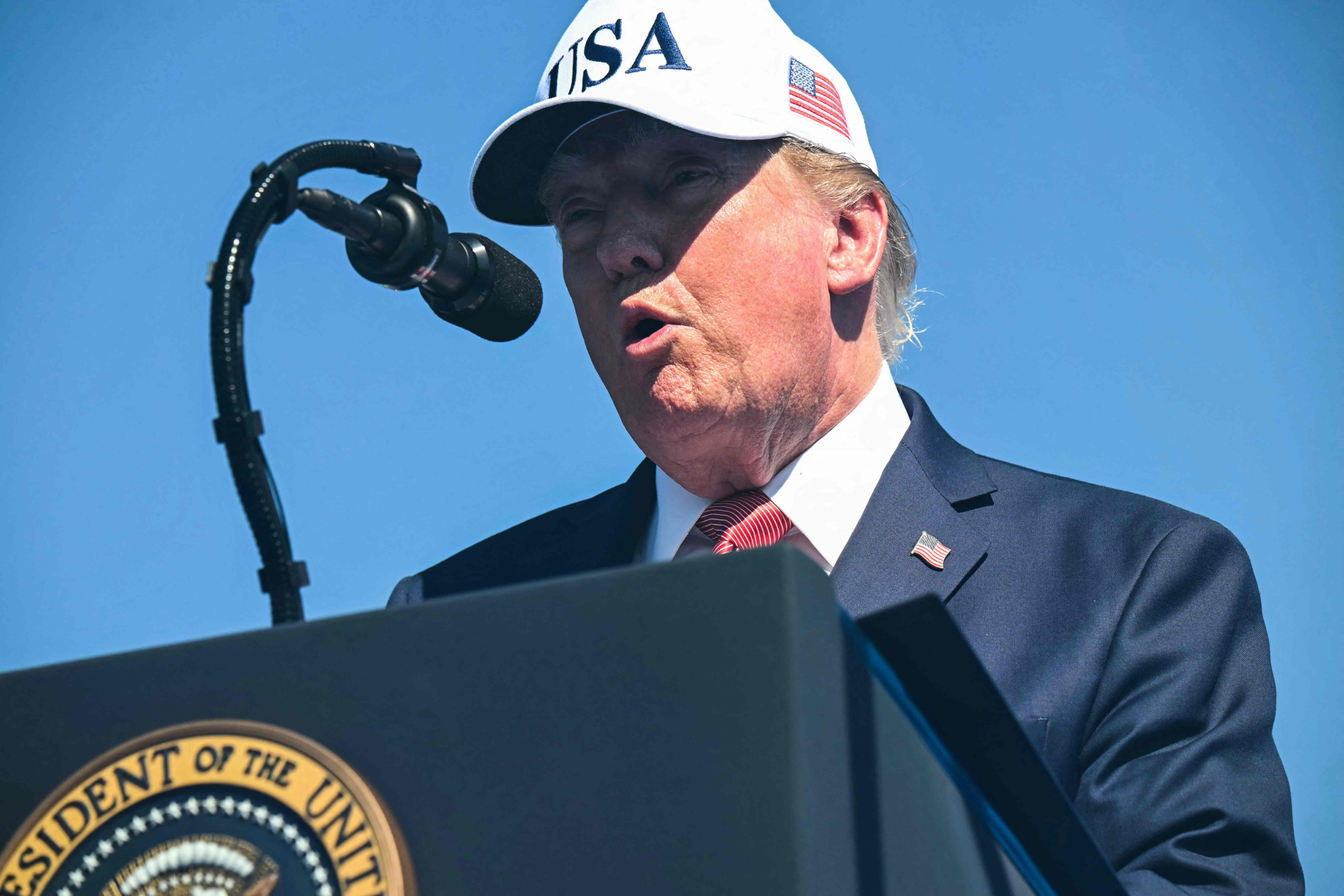
President Trump has declared a U.S.-led naval blockade of the Strait of Hormuz, announcing a 20 percent cargo levy to fund security operations in the region.

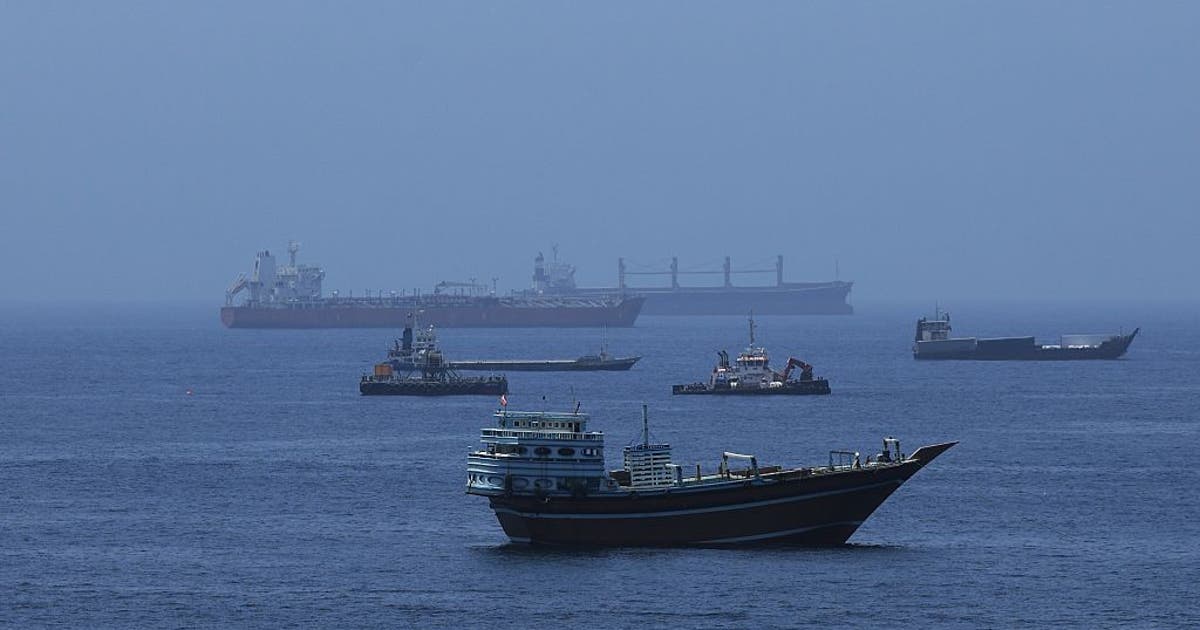
The United States is moving to establish unilateral control over the Strait of Hormuz, with President Donald Trump announcing on Monday that the U.S. Will reinstate a naval blockade specifically targeting Iranian ports and vessels. This development marks a sharp escalation in the conflict that has gripped the region since the war began on February 28.
President Trump stated that the U.S. Will assume the role of "guardian" of the waterway, promising to maintain its status as an open shipping lane "with or without Iran." According to the president, this operation will be funded through a new levy on commercial traffic. In a statement posted to social media, he declared that the U.S. Will be reimbursed at a rate of 20 percent on all cargo shipped through the strait to cover the costs of providing security. He insisted the process would begin immediately.
Related media
Escalating Conflict Over Transit
The announcement follows a weekend of intensifying tit-for-tat strikes between American and Iranian forces. The U.S. Military's Central Command (CENTCOM) confirmed that it struck dozens of sites on Monday, including Iranian air defense systems, coastal radar facilities, and missile and drone infrastructure. Notably, CENTCOM stated it employed sea drones in combat operations for the first time, hitting a submarine and ship maintenance facility at the Bandar Abbas Naval Base.
Conversely, Iran has maintained that the waterway is closed. The Persian Gulf Strait Authority, a body established by Tehran during the current conflict, declared passage "currently unfeasible" due to what it described as hostile actions by U.S. Forces. Iranian officials have long argued that a mid-June memorandum of understanding provided them with the right to manage transit, a claim the U.S. Explicitly denies.
The dispute centers on two distinct routes through the strait. The U.S. Has pressured commercial vessels to utilize a southern path close to the Omani coast. Iran, however, does not recognize the legitimacy of this route and has launched attacks against ships attempting to navigate it, prompting the recent wave of U.S. Airstrikes.
Regional Reactions and Diplomatic Collapse
The diplomatic framework that once sought to stabilize the region appears to be in ruins. Iran's embassy in the U.K. Issued a statement accusing the U.S. Of violating the June agreement since its inception. Meanwhile, senior Iranian officials have characterized the battle for the strait as an existential struggle. Mohammed Mokhber, a senior aide to Iran's Supreme Leader, equated the defense of the shipping lanes to the "Battle of Uhud," signaling that the regime does not intend to back down.
The regional security situation has deteriorated rapidly, with reports of Iranian missile and drone strikes targeting facilities in Bahrain, Oman, and Jordan. Jordanian authorities confirmed they intercepted four missiles over their territory on Monday. Additionally, Iranian state media reported casualties following U.S. Strikes in the Khuzestan province, near the city of Abadan.
International observers have expressed deep concern regarding the potential for further disruption to the global economy. The volatility has already impacted energy markets, with both Brent and U.S. Crude benchmarks seeing significant price increases on Monday.
What to Watch Next
- Shipping Traffic: Data from Kpler suggests tanker traffic has fallen to its lowest level since May 25. Market analysts at ship broker Gibson warn that prolonged closure of the strait risks severely depleting global inventories.
- The 20 Percent Toll: It remains unclear how the U.S. Intends to collect the proposed 20 percent cargo tax and which international entities might facilitate or oppose such a mechanism.
- Nuclear Inspections: The future of monitoring Iran’s nuclear program remains uncertain; the Iranian Foreign Ministry has confirmed it will not comply with recent requests from the International Atomic Energy Agency to resume inspections.
- Mediator Efforts: Despite the surge in kinetic activity, Iranian officials have indicated they are continuing discussions with mediators from Qatar, Pakistan, and Oman in an effort to contain further escalation.
The United Nations Secretary-General, António Guterres, issued a warning regarding the return to full-scale hostilities, stating that such an outcome would have "catastrophic consequences" for regional security and the global economy. For now, the prospect of a lasting peace deal remains sidelined as both nations prioritize military control over the narrow, high-stakes waterway.
Archypedia is dedicated to independent, evidence-backed reporting. This briefing was synthesized from primary source reporting, corroborated across independent newsrooms, and verified against our Editorial Standards.
Transparency record
Evidence behind this report
This report synthesizes 5 distinct sources. Open the source ledger below to compare the underlying coverage.
Prepared under the Archypedia Editorial Policy by the Samir Haddad editorial desk profile. AI-assisted tools may support drafting and verification; public accountability remains with Archypedia. Report an error.