Trump announces US naval blockade of Iran and 20% toll in Hormuz Strait
The United States is implementing a mandatory 20% transit toll and a naval blockade of the Iranian coastline following a collapse in regional ceasefire talks. The move has drawn formal opposition from the International Maritime Organization and caused a rise in oil prices.
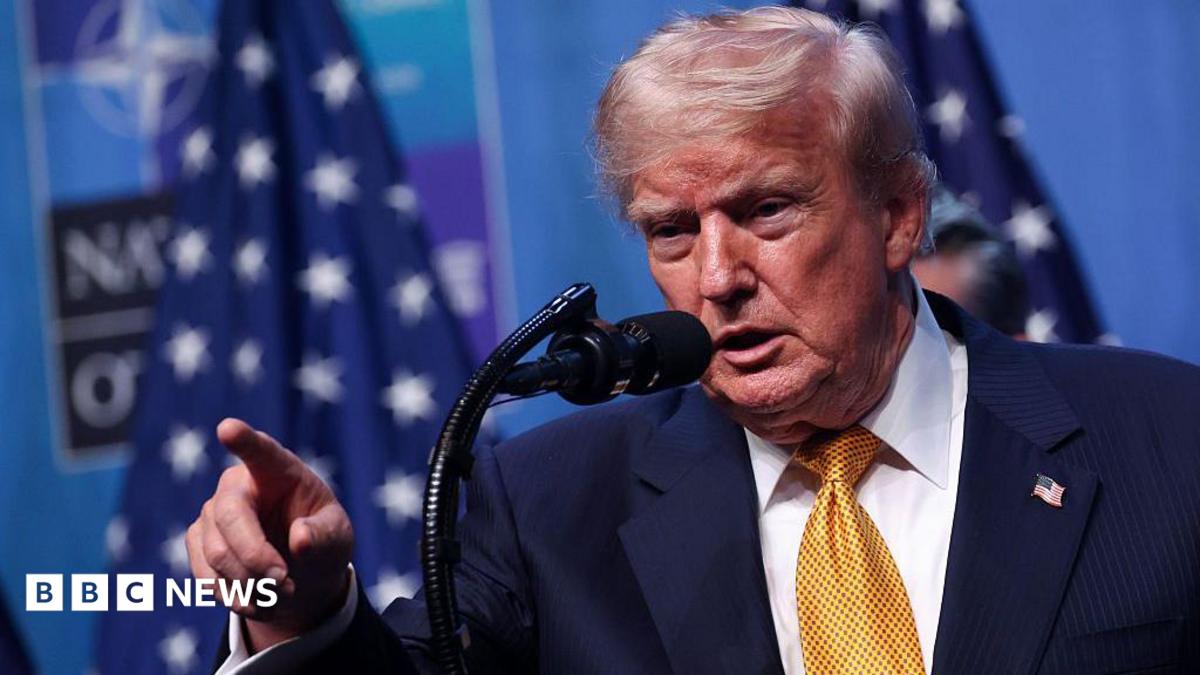
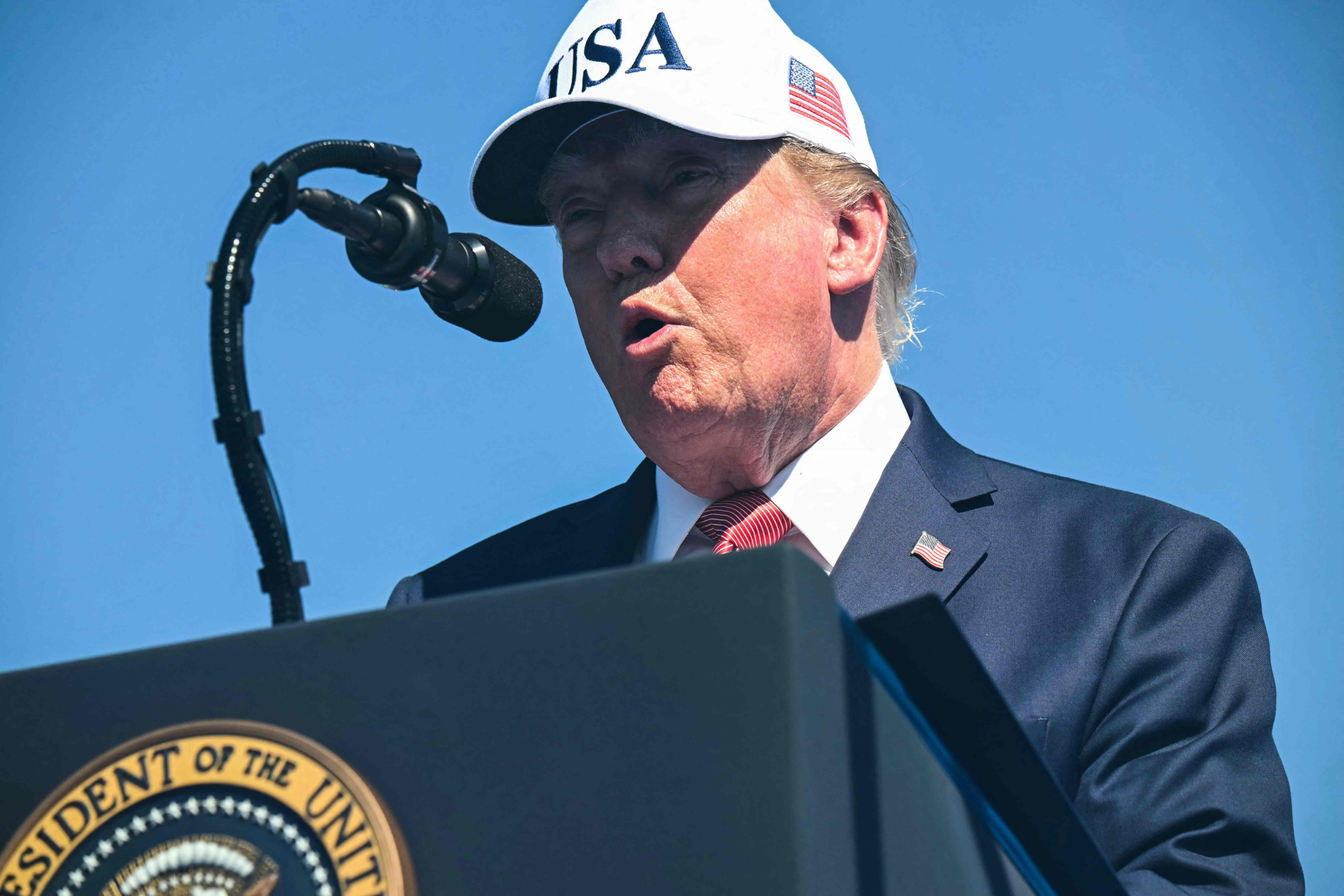
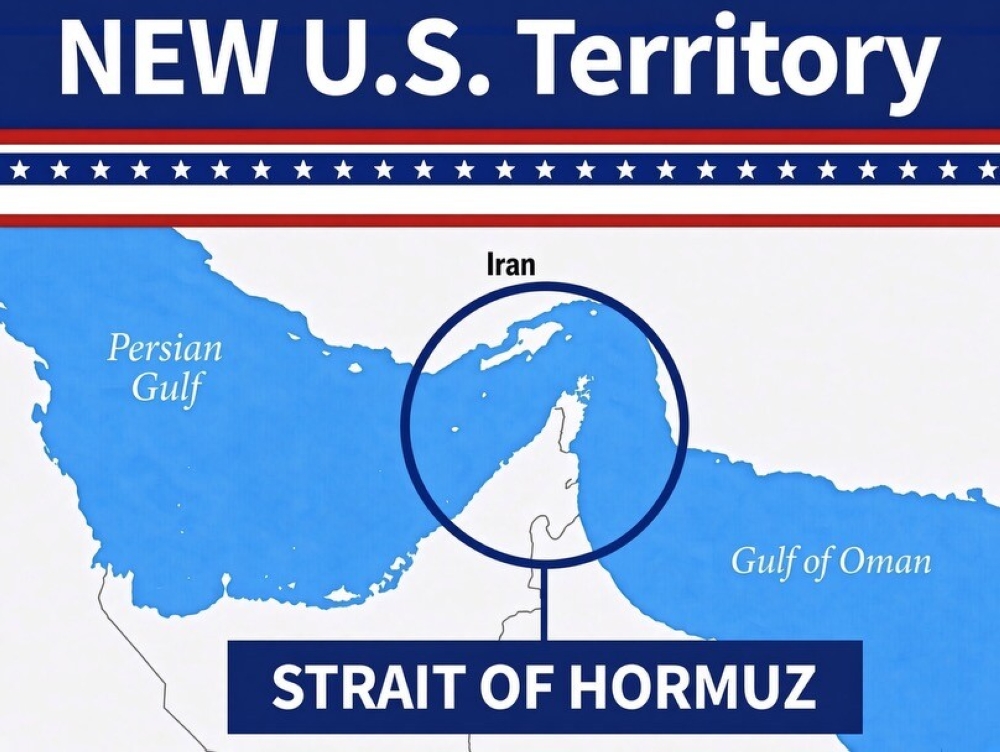
President Donald Trump announced on Monday, 13 July 2026, the reinstatement of a naval blockade targeting Iranian shipping and the implementation of a mandatory 20% toll on cargo transiting the Strait of Hormuz. The blockade, which the U.S. Military’s Central Command scheduled to take effect on Tuesday, 14 July 2026, at 4 p.m. ET, follows a weekend of intensive missile and drone exchanges between U.S. And Iranian forces.
The President described the measure as a matter of necessity and fairness. In a statement posted online, he declared that the United States would henceforth be known as THE GUARDIAN OF THE HORMUZ STRAIT
and requires reimbursement for the costs associated with maintaining safety and security in the region. According to administration officials, the blockade covers the entire Iranian coastline, including ports and oil terminals. While the policy effectively bars Iranian ships and customers from entering or exiting the waterway, the U.S. Military noted that neutral vessels not bound for Iranian destinations will be permitted to pass, with humanitarian shipments subject to inspection.
Related media

This escalation follows the collapse of a memorandum of understanding signed last month, which had aimed to halt hostilities and reopen the strait. The conflict, which began in late February 2026 following U.S.-Israeli strikes on Iranian sites, saw a temporary period of relative calm until recent days. President Trump characterized the current state of affairs as a return to active confrontation, asserting that the prior ceasefire agreement was violated by Tehran.
Regional reactions have been marked by diplomatic friction. Iran’s Foreign Minister, Abbas Araghchi, responded to the toll announcement by acknowledging the concept of compensation for safe passage but specifically rejected the proposed fee level. 20% is of course too much. We will be fair,
Araghchi wrote on social media. He further maintained that Iran remains the true guardian of the strait. Meanwhile, the Revolutionary Guard warned that continued U.S. Interference could lead to further instability in the global energy sector.
The International Maritime Organization has voiced formal opposition to the U.S. Plan. A spokesperson for the United Nations agency stated that it stands firmly against charging fees for passage through straits used for international navigation,
noting that there is no established legal basis for mandatory transit tolls. The UN Secretary-General, António Guterres, has also issued a condemnation of the recent hostilities, warning that a return to full-scale warfare would carry catastrophic consequences.
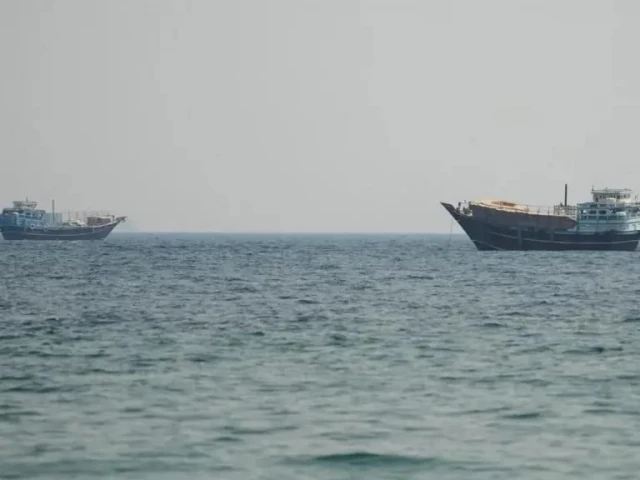
The Strait of Hormuz serves as a primary artery for global energy. Following the weekend’s hostilities, which included U.S. Strikes on ship and submarine maintenance facilities at Bandar Abbas, as well as sites in Qeshm and Abadan, vessel activity through the strait has fluctuated. Analytics from the firm Kpler indicated that transit volumes declined by more than half compared to the previous week as a result of the fighting. By Monday afternoon, Brent crude futures rose in response to the volatility, exceeding $82 per barrel.
Domestically, the administration faces a complex environment. As the Tuesday deadline for the naval enforcement approaches, the U.S. Military maintains that it is prepared to ensure navigation for compliant commercial vessels while continuing to target infrastructure used for regional missile and drone operations.
Archypedia is dedicated to independent, evidence-backed reporting. This briefing was synthesized from primary source reporting, corroborated across independent newsrooms, and verified against our Editorial Standards.
Transparency record
Evidence behind this report
This report synthesizes 6 distinct sources. Open the source ledger below to compare the underlying coverage.
Prepared under the Archypedia Editorial Policy by the Samir Haddad editorial desk profile. AI-assisted tools may support drafting and verification; public accountability remains with Archypedia. Report an error.