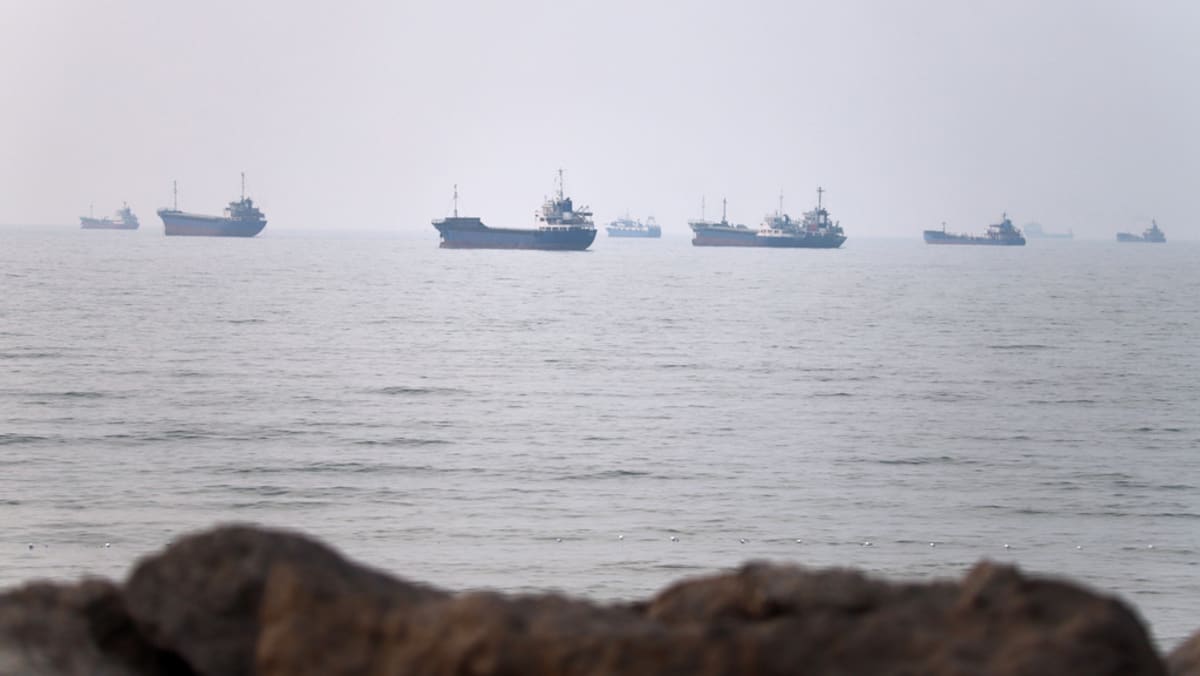
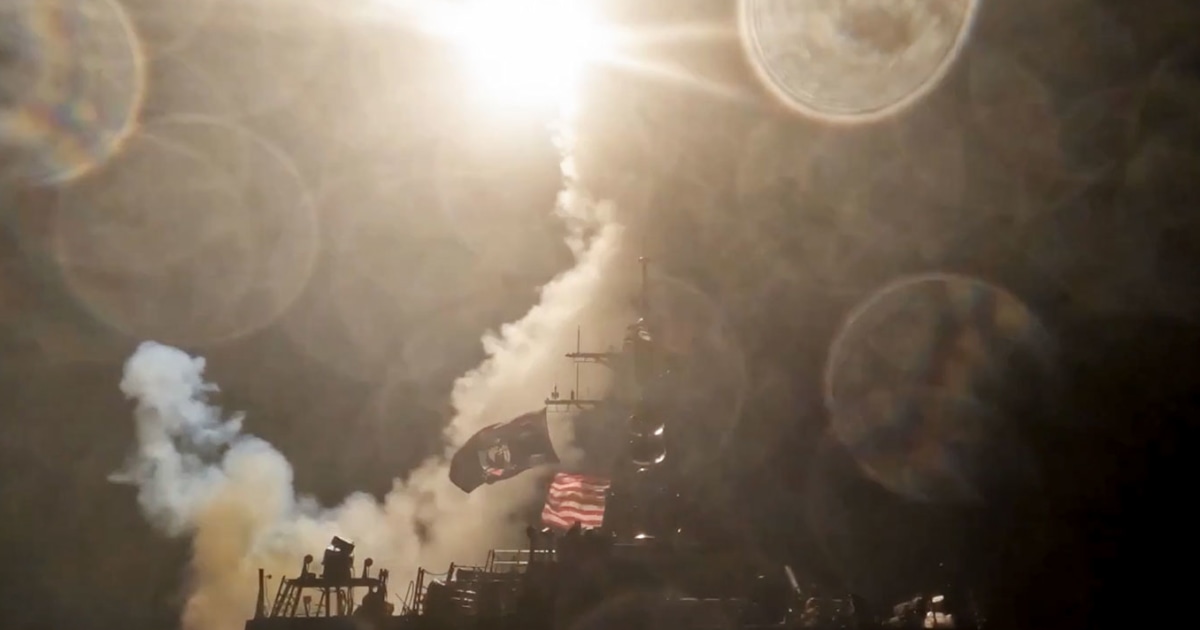
Iran hits two UAE tankers in Strait of Hormuz as US carries out third night of strikes
Hostilities in the Strait of Hormuz have intensified following attacks on two tankers and the US military's strikes on coastal defense and missile sites. The conflict has caused global oil prices to rise as the US declares a blockade on Iranian ports and proposes a security toll.
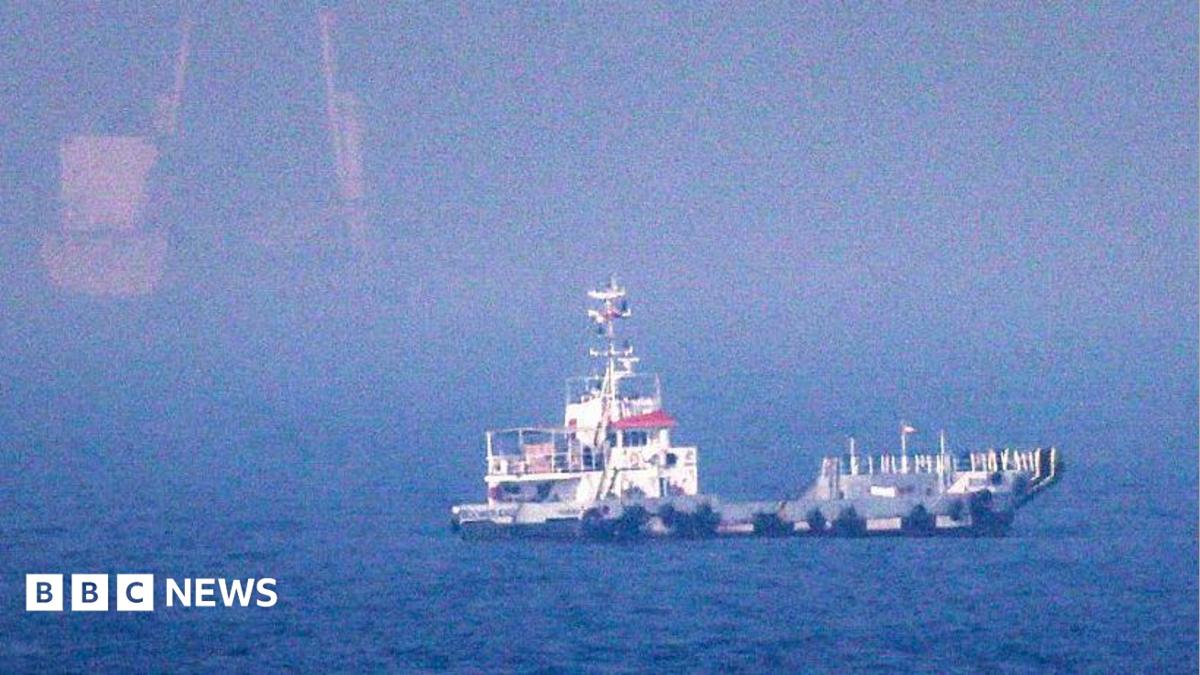
Strait of Hormuz Conflict Escalates as US Launches Strikes and Iran Targets UAE Tankers
Military hostilities in the Middle East intensified sharply on Tuesday, July 14, 2026, following a third consecutive night of United States airstrikes against Iran. The regional conflict, which centers on control of the vital Strait of Hormuz, has resulted in renewed casualties after Iranian cruise missiles struck two United Arab Emirates-associated oil tankers.
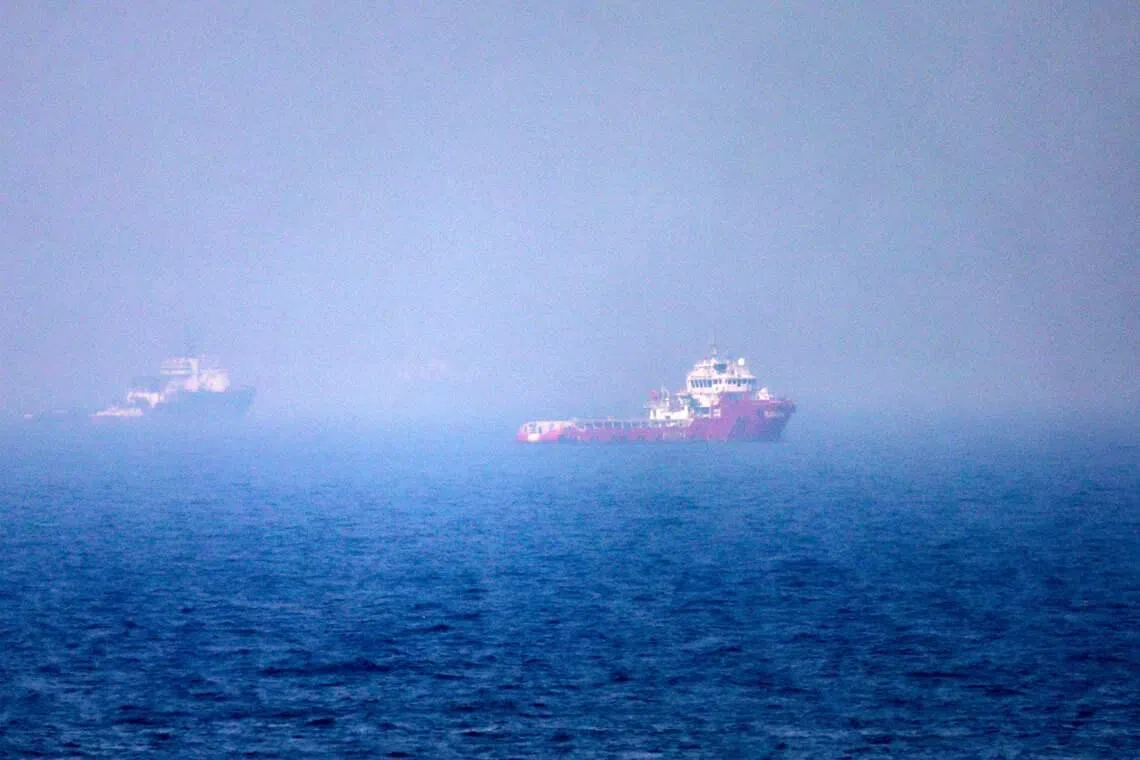
The tankers, identified as the Mombasa and the Al Bahiyah, were transiting the southern shipping lane of the strait within Omani territorial waters when they came under fire. According to the United Arab Emirates’ Ministry of Defence, the attacks killed one Indian crew member and wounded eight others, including four who sustained serious injuries. The crew of the Mombasa suffered the fatality, and the ships reported fires on board, which officials stated were later brought under control. The Indian Ministry of External Affairs confirmed the death of one national and the injury of others, noting that they had summoned the Iranian deputy ambassador to lodge a strong protest.
Related media


US Reinstates Blockade and Proposes Security Toll
The escalation follows a declaration from President Donald Trump that the United States is "reinstating" a blockade of Iranian ports, scheduled to take effect at 20:00 GMT on Tuesday. The United States military’s Central Command confirmed that its latest strikes targeted coastal defense systems, missile and drone sites, and maritime facilities across Iran, including locations in Bandar Abbas, Bushehr, and on several islands in the Gulf. This marks the third night of sustained American offensive operations.
In a policy shift, President Trump announced that the United States would assume the role of "Guardian of the Hormuz Strait." Asserting control over the waterway, the president proposed charging a 20% fee on the value of cargo transiting the strait to cover costs associated with providing security and safe passage.
Competing Claims Over Waterway Control
The conflict has fractured an interim memorandum of understanding intended to halt hostilities. Iran’s Islamic Revolutionary Guard Corps claimed responsibility for the attacks on the two tankers, alleging the vessels ignored warnings, turned off navigation systems, and attempted to navigate a "mined route." Iranian Foreign Minister Abbas Araghchi rejected the American claim to the strait, maintaining that Tehran is its rightful guardian.
Regional Impact and Humanitarian Toll
The violence has spread beyond the immediate maritime corridor. Iran claimed to have launched drone and missile attacks against US military installations in Kuwait and Bahrain, as well as an airbase in Jordan. Jordanian military officials reported intercepting four missiles, while Bahraini authorities activated air raid sirens three times as the kingdom faced aerial attacks. In Iran, residents reported explosions in Bandar Abbas and across Bushehr province, with Iranian state media noting multiple injuries.
The economic impact of the instability remains severe. The price of benchmark Brent crude oil rose to a four-week high on Tuesday, fueled by fears of disruption to global energy supplies. The Strait of Hormuz, which traditionally serves as a passage for approximately one-fifth of the world’s traded oil and gas, remains the primary focus of the conflict.
Status of Diplomatic Efforts
Despite the resumption of heavy combat, some officials suggest that the path for future negotiations remains open. However, current data indicates significant disruption, with ship-tracking firm Kpler reporting that crossings through the strait fell by about 52 percent during the preceding weekend.
What to Watch Next
- Congressional Oversight: Democrats in the US Senate have expressed opposition to the resumption of hostilities without legislative authorization, raising questions regarding the legal limits of the current military campaign.
- Energy Markets: Analysts continue to monitor oil pricing and tanker traffic levels as the US blockade of Iranian ports begins.
Archypedia is dedicated to independent, evidence-backed reporting. This briefing was synthesized from primary source reporting, corroborated across independent newsrooms, and verified against our Editorial Standards.
Transparency record
Evidence behind this report
This report synthesizes 8 distinct sources. Open the source ledger below to compare the underlying coverage.
- cbsnews.com
- bbc.com
- apnews.com
- theguardian.com
- khaleejtimes.com
- aljazeera.com
- straitstimes.com
- yahoo.com
Prepared under the Archypedia Editorial Policy by the Samir Haddad editorial desk profile. AI-assisted tools may support drafting and verification; public accountability remains with Archypedia. Report an error.