Iran and US trade threats as tensions rise over Strait of Hormuz access
Military skirmishes and conflicting interpretations of the Islamabad Memorandum have stalled peace efforts in the Strait of Hormuz. Iranian leader Mojtaba Khamenei has vowed revenge against the U.S. following recent military strikes.
Tensions between the United States and Iran have reached a precarious juncture as both nations trade escalating threats, casting doubt on the future of an interim peace deal that had aimed to stabilize the volatile Strait of Hormuz. Following a week of crossfire and high-level rhetoric, the status of the waterway—a global energy artery—remains the primary friction point in a conflict that has defied recent diplomatic efforts.
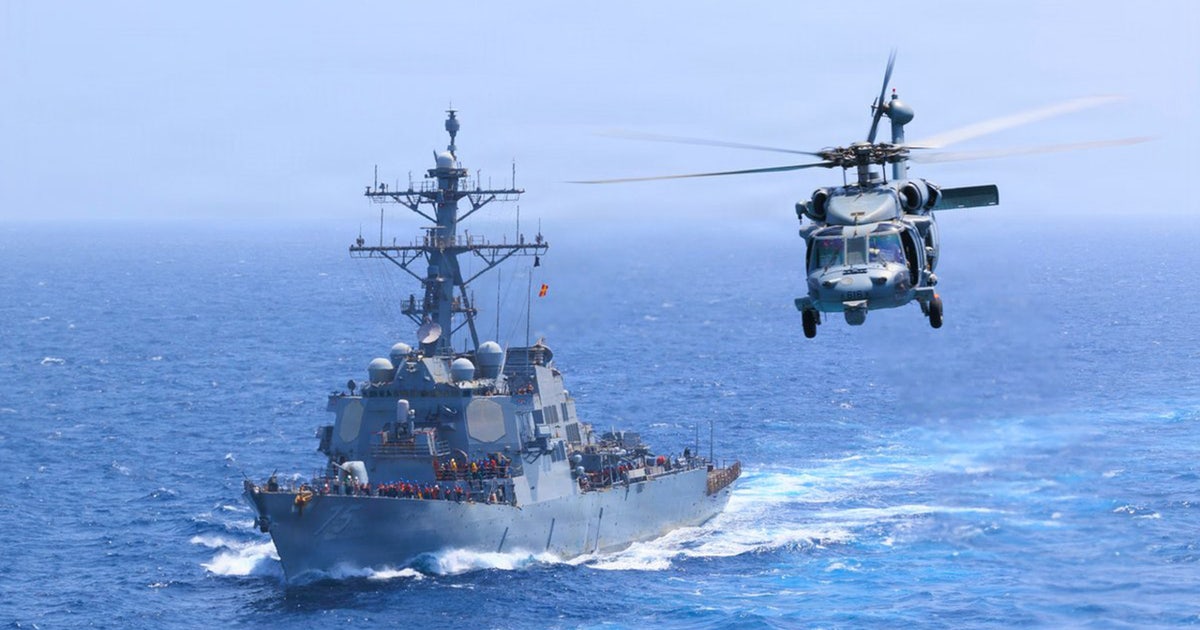
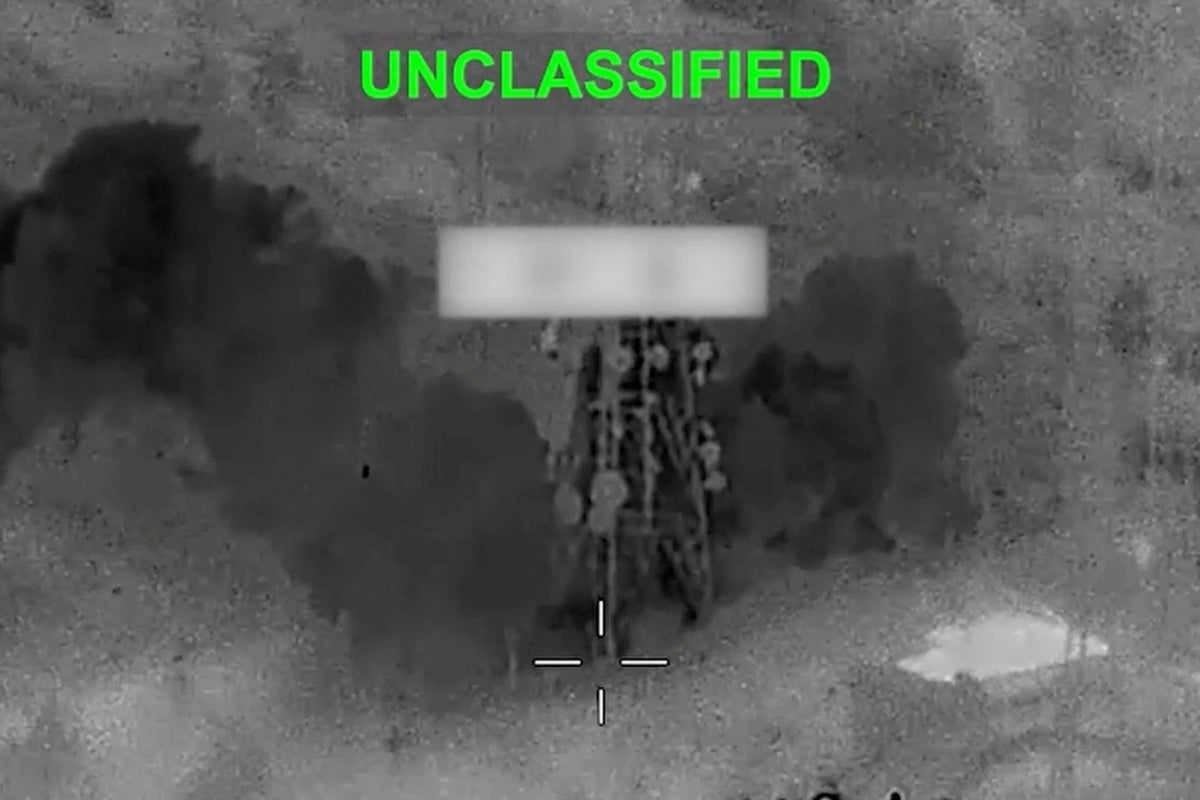
The latest rupture in hostilities follows reports of Iranian attacks on merchant shipping within the strait. In response, the U.S. Launched a series of strikes earlier this week, with officials reporting targets across 90 military sites. By Saturday, July 11, 2026, the situation was further complicated by the first official statement from Iran’s new supreme leader, Mojtaba Khamenei. Addressing the death of his father, the late Ayatollah Ali Khamenei, who was killed during the opening stages of the conflict on February 28, the younger Khamenei vowed that his nation would seek revenge.
Related media

"We pledge that we will take revenge for the pure blood of the martyred leader and all the martyrs of these two wars from the criminal and disgraced killers. Revenge is the demand of our nation and must certainly be carried out."
Mojtaba Khamenei, Supreme Leader of Iran, via Iranian state media
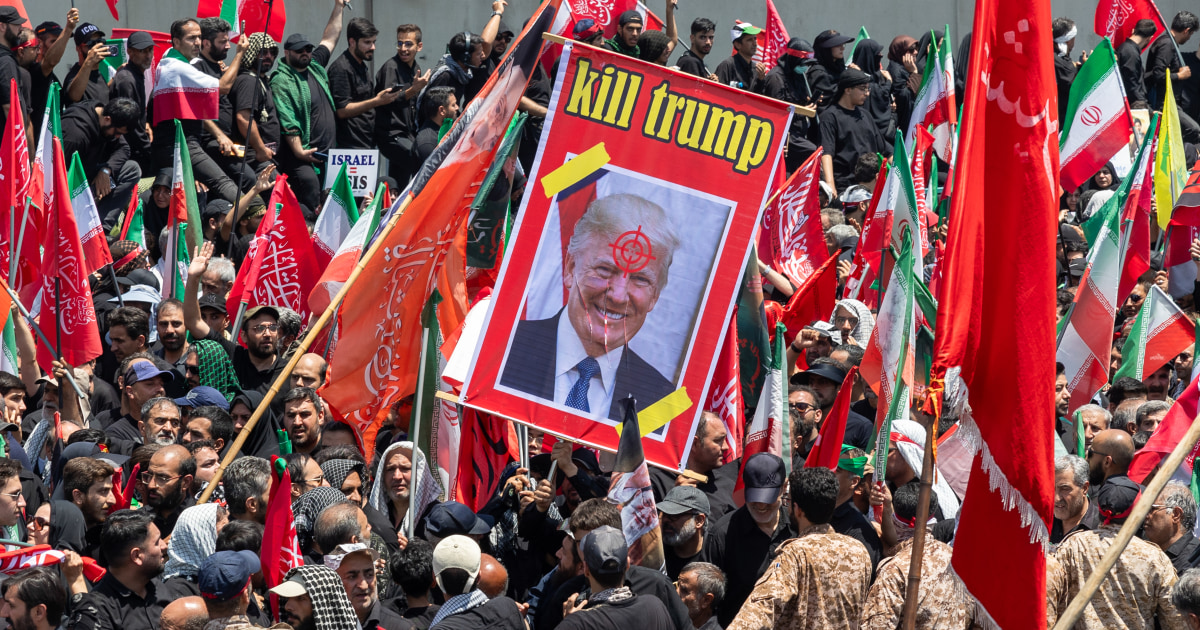
The supreme leader’s declaration, issued in writing as he has remained out of public view since the war began, came shortly after President Donald Trump issued a stern warning via social media. Trump stated that 1,000 missiles were "locked and loaded" and aimed at the Islamic Republic. He further claimed to have issued standing orders to the U.S. Military to "completely decimate and destroy all areas of Iran" should any attempt be made on his life.
Disputes Over the Strait of Hormuz
Diplomatic talks held on Saturday in Muscat between Iranian Foreign Minister Abbas Araghchi and Omani Foreign Minister Badr bin Hamad Al Busaidi failed to yield a resolution regarding the control of the Strait of Hormuz. The core of the disagreement lies in the interpretation of the Islamabad Memorandum of Understanding, specifically regarding transit rights. While the U.S. Maintains that the strait is an international waterway and has urged mariners to utilize a southern route through Omani territorial waters, Iran has insisted on sole control of the channel, including the authority to levy transit fees on passing vessels.
The U.S. And Iran remain at odds over the specific wording of Article 5 of the memorandum, which governs the safe passage of commercial vessels. The disagreement has directly fueled recent military skirmishes, as Iran has targeted ships navigating the southern route favored by Washington.
The regional instability has also drawn the attention of international mediators. Pakistan’s Deputy Prime Minister Ishaq Dar held discussions with Saudi Foreign Minister Prince Faisal bin Farhan Al Saud on Saturday, expressing concern over the collapse of the June ceasefire. Despite the friction, Iranian and U.S. Officials have signaled a desire to maintain communication. Senior U.S. Officials revealed on Friday that Iranian representatives had privately characterized the attacks on commercial ships as the work of a "rogue faction" of hardliners, expressing an interest in continuing negotiations.
Humanitarian and Economic Impact
The human cost of the renewed fighting has been significant. Iran’s Ministry of Health reported that U.S. Strikes on Wednesday and Thursday resulted in 17 deaths and 115 injuries across six cities. Additionally, the conflict has exerted upward pressure on global energy markets. According to data from AAA, the national average price for gasoline in the U.S. Rose to $3.88 a gallon by Friday, reversing a downward trend that followed the initial signing of the peace deal.
Trade through the strait has also been physically impacted. Financial research firm S&P Global reported that the number of vessels traversing the passage dropped to 34 on Thursday, the lowest daily level since June 28. In response to the persistent dangers in the Persian Gulf, the shipping giant Maersk announced plans to resume services via the Suez Canal, attempting to bypass the regional volatility, though such measures cannot serve as a full replacement for the strategic importance of the Hormuz corridor.
What to Watch Next
- Mediated Diplomacy: While Qatari and Omani mediators continue to facilitate indirect communication, the absence of U.S. Delegates at recent talks in Oman highlights the fragility of the current engagement.
- Article 5 Clarification: Observers are watching for any technical adjustments to the Islamabad Memorandum of Understanding that might resolve the conflicting interpretations of shipping lanes between Iran and the U.S.
- Ongoing Military Posture: With President Trump declaring the ceasefire "over" while simultaneously directing his team to continue negotiations, the region remains on high alert for further strikes against both military and civilian infrastructure.
- Regional Actors: Questions remain regarding the identity of actors behind mysterious, unclaimed airstrikes that hit southern Iran late Thursday, with potential implications for the involvement of Gulf Arab states.
Archypedia is dedicated to independent, evidence-backed reporting. This briefing was synthesized from primary source reporting, corroborated across independent newsrooms, and verified against our Editorial Standards.
Transparency record
Evidence behind this report
This report synthesizes 4 distinct sources. Open the source ledger below to compare the underlying coverage.
Prepared under the Archypedia Editorial Policy by the Samir Haddad editorial desk profile. AI-assisted tools may support drafting and verification; public accountability remains with Archypedia. Report an error.