US resumes blockade of Iranian ports and takes control of Strait of Hormuz
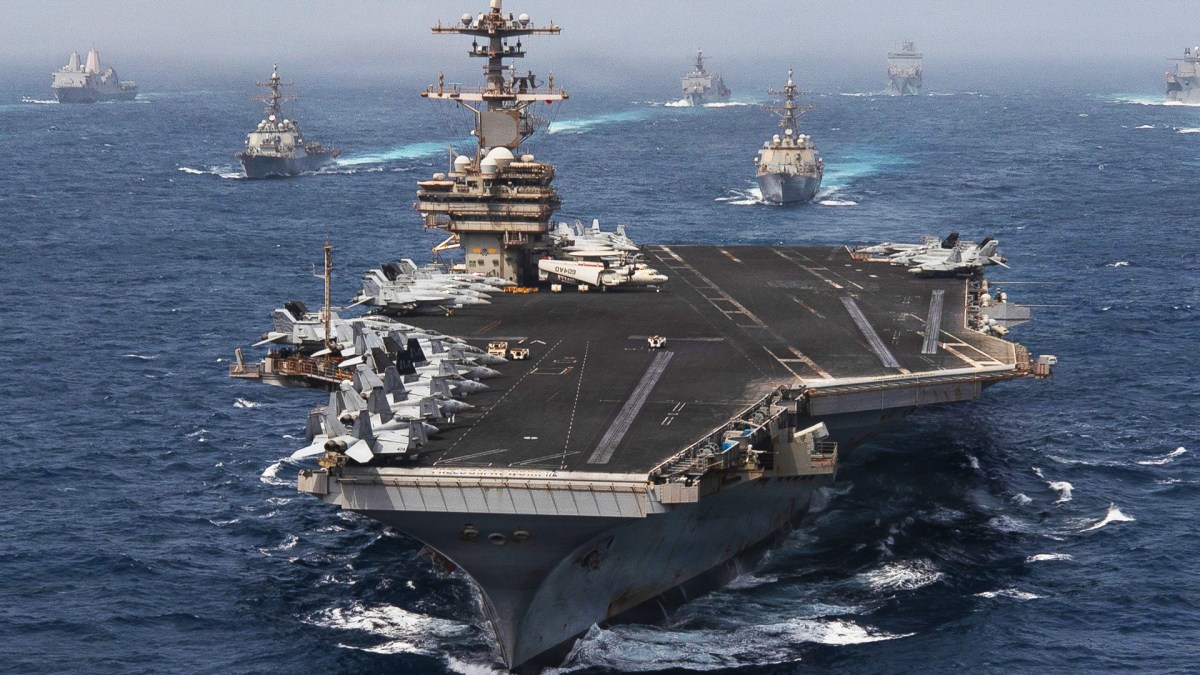
American military forces are set to resume a naval blockade of Iranian ports and coasts at 4 p.m. EDT on Tuesday, July 14, 2026. U.S. Central Command confirmed the development on Monday, noting the operation follows a recent surge in hostilities that has left the status of an interim peace agreement in a state of crisis. The blockade is intended to prevent vessels from entering or exiting Iranian ports, though the administration has simultaneously declared an intent to act as the guardian of the Strait of Hormuz for all other maritime traffic.
President Donald Trump announced a proposal to collect a fee on cargo transiting the strait to offset the costs of providing security.
"As a matter of FAIRNESS, will be reimbursed, at the rate of 20% on all cargo shipped, for any and all costs necessary to do the job of providing safety and security to this very volatile section of the World."
Related media
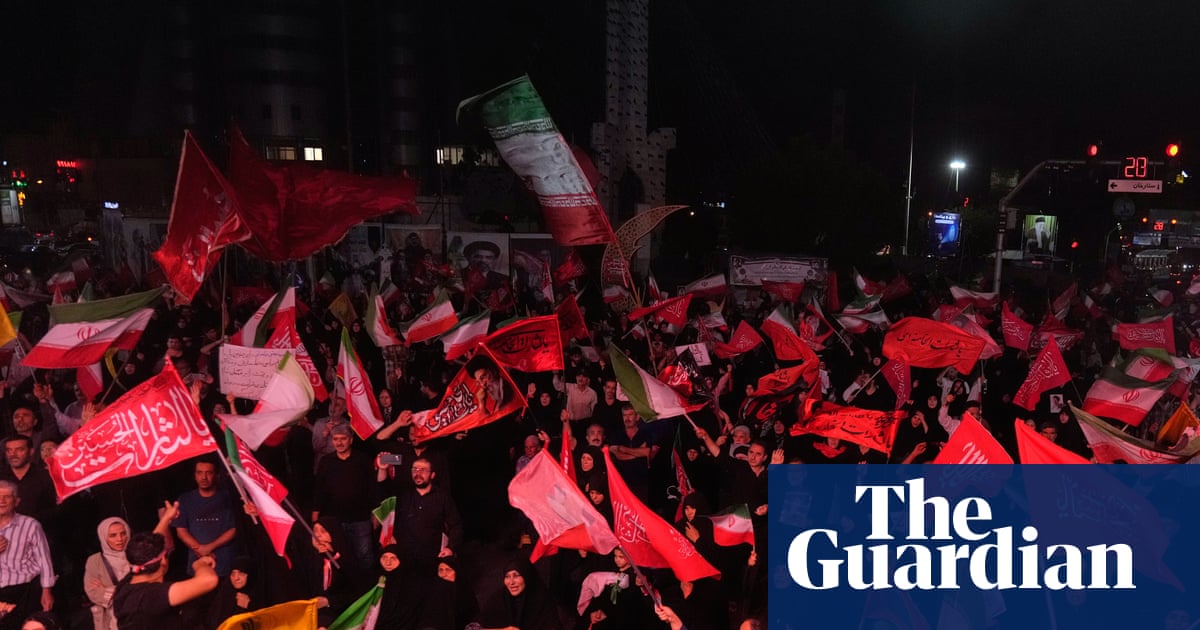
Image via taskandpurpose.comImage via wwd.comImage via idahonews.com
Donald Trump, President, via Fox News
This policy marks a sharp reversal from earlier administration positions. In late June, Secretary of State Marco Rubio stated that international law prohibits any nation from charging tolls on international waterways. As of Monday, the White House had not provided administrative details regarding the collection or enforcement of the proposed levy.
The geopolitical shift has triggered volatility across global energy and financial markets. Brent crude prices rose following the announcement. The S&P 500 and the Nasdaq 100 experienced declines as investors assessed the risks of potential supply chain disruptions. In the region, Iranian forces have reportedly targeted sites in Bahrain, Jordan, Kuwait, and Oman, while U.S. Forces have conducted multiple rounds of strikes against Iranian naval facilities, including the use of unmanned surface vessels to target the Bandar Abbas Naval Base.
Regional and International Responses
Reactions to the U.S. Proposal have been divided. Iranian Foreign Minister Abbas Araghchi suggested that the concept of compensation for secure passage aligns with Iran's own interests, though he challenged the specific rate.
"POTUS is absolutely right. Whoever provides secure and safe passage of commercial vessels through the Strait of Hormuz should be compensated for this service. Iran has always been the GUARDIAN of the Strait and will remain so FOREVER. 20% is of course too much. We will be fair."
Abbas Araghchi, Iranian Foreign Minister, via X
Domestic critics have questioned the viability of the strategy. Representative Adam Smith, the ranking member of the House Armed Services Committee, characterized the administration's plan as delusional, noting that the United States lacks the capacity to exert total control over the waterway. The International Maritime Organization has reiterated that there is no legal basis for mandatory transit tolls on international straits.
Navigation and Maritime Impact
Data from MarineTraffic indicate that confirmed crossings through the monitored zone fell by approximately 52 percent over the period of July 10–12, compared to the previous week. Commercial operators are increasingly utilizing dark routing, where ships deactivate AIS transponders to evade detection, or are avoiding established transit corridors entirely due to the security deterioration.
The U.S. Navy-led Joint Maritime Information Center has issued guidance for mariners to monitor broadcasts and maintain communications on channel 16 when approaching the Strait of Hormuz. Despite the declaration that the previous ceasefire is over, mediators from countries including Pakistan, Qatar, and Egypt continue to pursue a final agreement to end the war. The current negotiation window is approximately halfway through its 60-day duration.
What to Watch Next
4 p.m. EDT, July 14, 2026: Official resumption of the U.S. Naval blockade targeting traffic to and from Iranian ports.
Economic Indicators: Markets are awaiting upcoming reports on the consumer price index and producer price index to assess the inflationary impact of rising energy costs.
Diplomatic Efforts: Regional mediators continue to seek a final peace agreement, though both the U.S. And Iran remain engaged in active military strikes.
Maritime Compliance: Commercial shippers remain in a waiting period regarding the implementation of the proposed 20 percent cargo fee, as the administration has not yet detailed its enforcement mechanism.
Editorial Standards & Verification
Archypedia is dedicated to independent, evidence-backed reporting. This briefing was synthesized from primary source reporting, corroborated across independent newsrooms, and verified against our Editorial Standards.