Oil Climbs, US Futures Dip on Fresh Iran Strikes: Markets Wrap
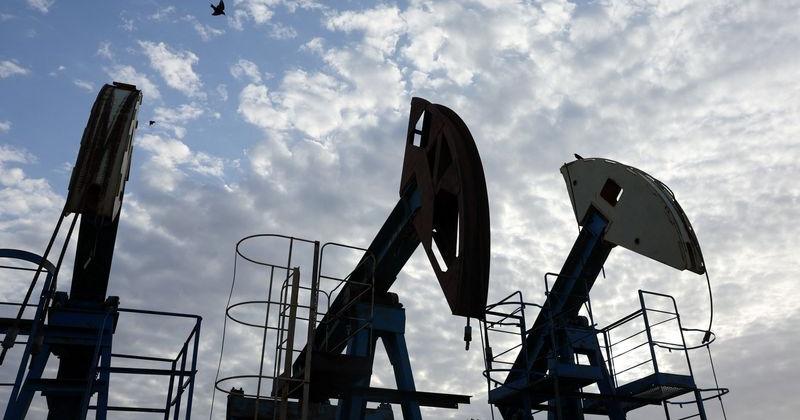
Brent crude climbed over 3% following US military strikes and the revocation of Iranian oil sanctions waivers.

Global energy markets experienced a sharp reversal as the United States launched a new series of strikes against Iran. The escalation has triggered a surge in crude oil prices and a dip in US equity futures, reviving investor concerns that persistent energy costs will keep inflation elevated and push interest rates higher for a longer duration.
Brent crude climbed more than 3% to $78.50 a barrel, according to reporting from Financialpost. This move reverses a recent trend where prices had returned to pre-war levels. The volatility follows a breakdown in high-level negotiations in Islamabad and the subsequent revocation by the US Treasury of a 60-day waiver on Iranian oil sanctions. While the Treasury had previously allowed the sale of Iranian oil until August 21, transactions are now prohibited after 12:01am EDT on July 17.
Related media

The US Central Command stated on X that the military strikes were aimed at weakening Iran's ability to target civilian vessels in the Strait of Hormuz. These actions followed Iranian drone and missile attacks directed at US allies, including Qatar, Jordan, and Kuwait. In response, Iranian Deputy Foreign Minister Kazem Gharibabadi described the revocation of the sanctions waiver as a blatant violation
of a memorandum of understanding signed on June 17, warning that Tehran would take decisive actions
to protect its security, as reported by Al Jazeera.
Market Reactions and Financial Impacts
The geopolitical shock rippled across multiple asset classes:
- Equities: US equity-index futures slipped 0.2%. In Asia, markets were mixed; Tokyo and Seoul saw steep losses, while Hong Kong and Taipei recorded gains. SK Hynix Inc. Shares fell 5% in Seoul.
- Bonds: Treasuries dropped, with the yield on the two-year bond rising three basis points to 4.23%, the highest level since February 2025. Sovereign bonds in Japan and Australia also declined.
- Currencies: The US dollar strengthened against all Group-of-10 peers as investors pivoted toward safe-haven assets.
- Commodities: Gold fell 1.2% to approximately $4,070 an ounce, and silver dropped 1.7%. Bitcoin traded around $64,175.
Shoji Hirakawa, chief global strategist at Tokai Tokyo Intelligence Lab, noted that a resumption of attacks between the US and Iran could act as a negative catalyst for markets
, though he suggested semiconductor shares might remain resilient due to strong earnings. This coincides with the start of the US earnings season, with JPMorgan Chase & Co. And Goldman Sachs Group Inc. Reporting on Tuesday.
The Battle for the Strait of Hormuz
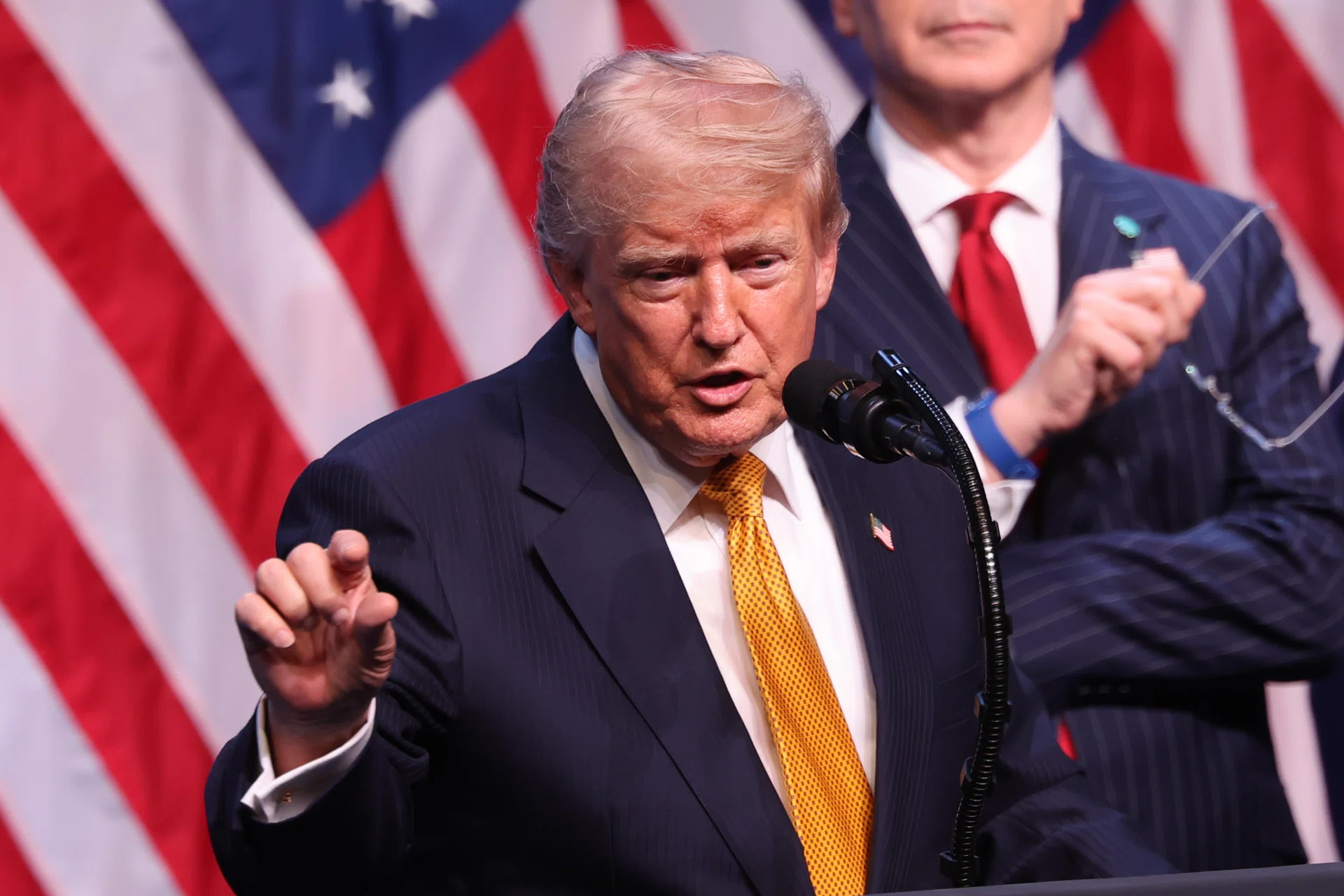
Conflicting claims regarding the status of the Strait of Hormuz have added to the uncertainty. Iran asserts it has closed the waterway, while maritime authorities and the US military maintain that shipping continues via the southern route. Investmentnews reports that President Trump is moving forward with plans for a naval blockade of Iranian ports in the strait, a move viewed as a significant escalation.
Beyond the binary of whether the strait is open or closed, Oilprice reports that the physical market is grappling with deeper operational risks. Kpler trade risk analyst Ana Subasic noted that GNSS spoofing has degraded positioning data, making it difficult for insurers and banks to reliably track oil cargoes. This "information gap" complicates sanctions compliance and port-call verification.
Furthermore, Tehran has established the Persian Gulf Strait Authority as the sole entity for issuing transit permits and setting routes. The authority has launched obligatory insurance for vessels, which is currently free but may incur fees in the future. The financial toll of the conflict is already evident in shipping costs; insurance for a Very Large Crude Carrier, which cost between $150,000 and $225,000 per voyage before the war, has spiked to between $5 million and $7.5 million.
What to Watch Next
Investors and policymakers are monitoring several critical triggers in the coming days:
- US Inflation Data: Markets will gauge this week's inflation figures to see if rising energy costs complicate the disinflation process. Swaps now price almost 40 basis points of Federal Reserve rate hikes by December, up from 15 basis points in early June.
- Corporate Earnings: Results from major banks on Tuesday will test if AI-driven optimism can sustain the market rally amid geopolitical risk.
- The Sanctions Deadline: The definitive cutoff for Iranian oil transactions arrives at 12:01am EDT on July 17.
- Global Policy Outlooks: Policymakers at IMF and World Bank meetings are framing the conflict as a systemic shock, which may lead to downgraded economic outlooks.
Saul Kavonic, head of energy research at MST Financial, told Al Jazeera that he expects oil prices to remain elevated as Iran attempts to cement control over the Strait of Hormuz, potentially keeping passage below 50% of pre-war levels for several months.
Archypedia is dedicated to independent, evidence-backed reporting. This briefing was synthesized from primary source reporting, corroborated across independent newsrooms, and verified against our Editorial Standards.
Transparency record
Evidence behind this report
This report synthesizes 4 distinct sources. Open the source ledger below to compare the underlying coverage.
Prepared under the Archypedia Editorial Policy by the Elena Voss editorial desk profile. AI-assisted tools may support drafting and verification; public accountability remains with Archypedia. Report an error.