Oil hits one-month high as US, Iran step up attacks in Strait of Hormuz
Brent crude surged to its highest level in four weeks following the collapse of a US-Iran ceasefire and renewed attacks on commercial shipping in the Gulf.
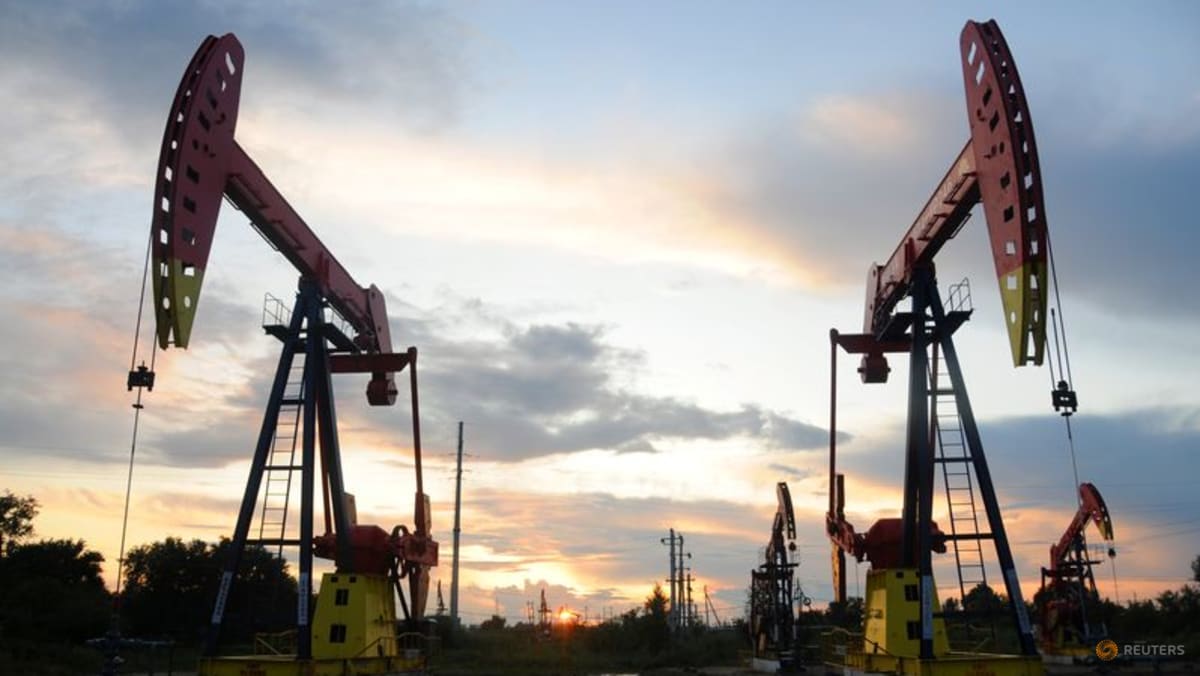
Oil prices surged to their highest levels in four weeks on Tuesday, July 14, as a fragile ceasefire between the United States and Iran collapsed. The price spike follows a series of military escalations and the decision by President Donald Trump to reinstate a naval blockade of Iranian shipping in the Gulf, including a proposal to collect a 20 per cent fee for guarding the Strait of Hormuz.
Brent crude futures climbed 1.7 per cent to US$84.72 a barrel during Asian trading, having earlier peaked at US$85.64. This marks the highest price point since the two nations signed a memorandum of understanding (MoU) to end the war on June 17. US West Texas Intermediate (WTI) crude also rose 2.2 per cent to US$79.84 a barrel. The volatility follows a massive surge on Monday, where Brent crude jumped 9.6 per cent, its largest daily gain since May 2020.
Related media

Military Escalation and Maritime Attacks
The market turmoil coincides with the US military completing a third consecutive night of strikes against Iran. US Central Command reported that a five-hour mission on Monday targeted Iranian coastal defense systems, missile and drone sites, and maritime capabilities in locations such as Bandar Abbas, Bushehr, Jask, Konarak, Abu Musa, and Chah Bahar. The command stated the objective was to degrade Iran’s ability to attack commercial shipping
in the strait.
Iran responded with strikes on US military facilities in Bahrain and Kuwait, specifically targeting the Arifjan and Ali Al Salem bases in Kuwait and the Juffair and Sheikh Isa bases in Bahrain.
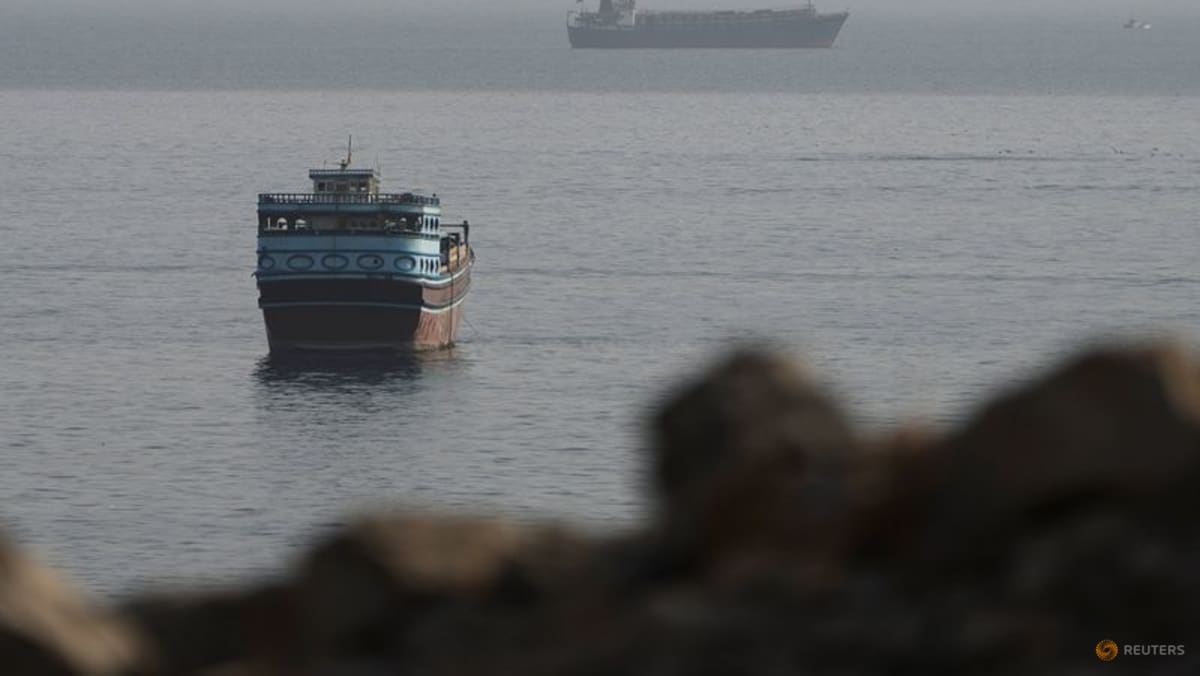
Commercial shipping has become a primary target in the power struggle. The UAE Ministry of Defence reported that two tankers, the Mombasa and Al Bahia, were hit by Iranian cruise missiles in the southern lane of the Strait of Hormuz within Omani territorial waters. The attacks set both vessels on fire, killing one Indian crew member and wounding eight others—six Indians and two Ukrainians. Iran’s paramilitary Revolutionary Guard claimed responsibility, asserting the tankers had ignored repeated warnings
.
Energy Market Impacts and Risks
The Strait of Hormuz is a critical trade route that carried one-fifth of the world's crude oil and natural gas before the initial US and Israel strikes on Iran on February 28.
Broader Economic and Financial Fallout
The geopolitical shock triggered a sell-off in Asian markets on Tuesday. MSCI's broadest index of Asia-Pacific shares outside Japan fell 1.7 per cent, with significant declines in Taiwan and South Korea, where shares dropped by more than 3 per cent and 5 per cent, respectively. Japan's Nikkei 225 dipped 0.8 per cent.
The financial instability is compounded by monetary policy concerns. Federal Reserve Governor Christopher Waller suggested on Monday that interest rates might need to rise in the near term if inflation remains above the 2 per cent target. This has led to an increased probability of a 25 basis point hike at the US central bank's meeting on July 28 to July 29, which the CME Group's FedWatch tool now prices at 43.3 per cent, up from 34.2 per cent on Friday.
Timeline of Recent Escalation
- June 17: US and Iran sign a memorandum of understanding to end the war; oil prices return toward pre-war levels.
- July 11-13: US military carries out three consecutive nights of strikes against Iranian military targets.
- July 13: Iran strikes two UAE tankers in the Strait of Hormuz; US announces reinstatement of naval blockade and proposed 20 per cent transit fee.
- July 14: Oil prices hit a one-month high; Asian stock markets decline.
What to Watch Next
Investors and policymakers are monitoring several key developments in the coming days:
- US Economic Data: The release of US CPI data on Tuesday and subsequent comments from Fed Chair Kevin Warsh.
- Presidential Address: A
speech to the nation
scheduled by President Trump for 9 p.m. ET on Thursday. - Regional Stability: Potential extensions of Houthi missile attacks from Saudi Arabia into Saudi crude products in the Red Sea.
Archypedia is dedicated to independent, evidence-backed reporting. This briefing was synthesized from primary source reporting, corroborated across independent newsrooms, and verified against our Editorial Standards.
Transparency record
Evidence behind this report
This report synthesizes 10 distinct sources. Open the source ledger below to compare the underlying coverage.
- nbcnews.com
- channelnewsasia.com
- finance.yahoo.com
- malaysia.news.yahoo.com
- businesstimes.com.sg
- aljazeera.com
- oilprice.com
- yahoo.com
- ground.news
- cbsnews.com
Prepared under the Archypedia Editorial Policy by the Elena Voss editorial desk profile. AI-assisted tools may support drafting and verification; public accountability remains with Archypedia. Report an error.