
Health
Sri Lanka deploys military to combat escalating dengue fever outbreak
Sri Lanka has deployed military personnel to assist in an urgent anti-dengue campaign following a surge of 68,672 infections and 49 confirmed deaths.
Sri Lanka has deployed military personnel to assist in an urgent anti-dengue campaign following a surge of 68,672 infections and 49 confirmed deaths.
The World Health Organization has released updated guidelines identifying modifiable health and lifestyle factors that can prevent or delay dementia. Researchers are also exploring new diagnostic blood tests and experimental drug therapies to address cognitive decline.
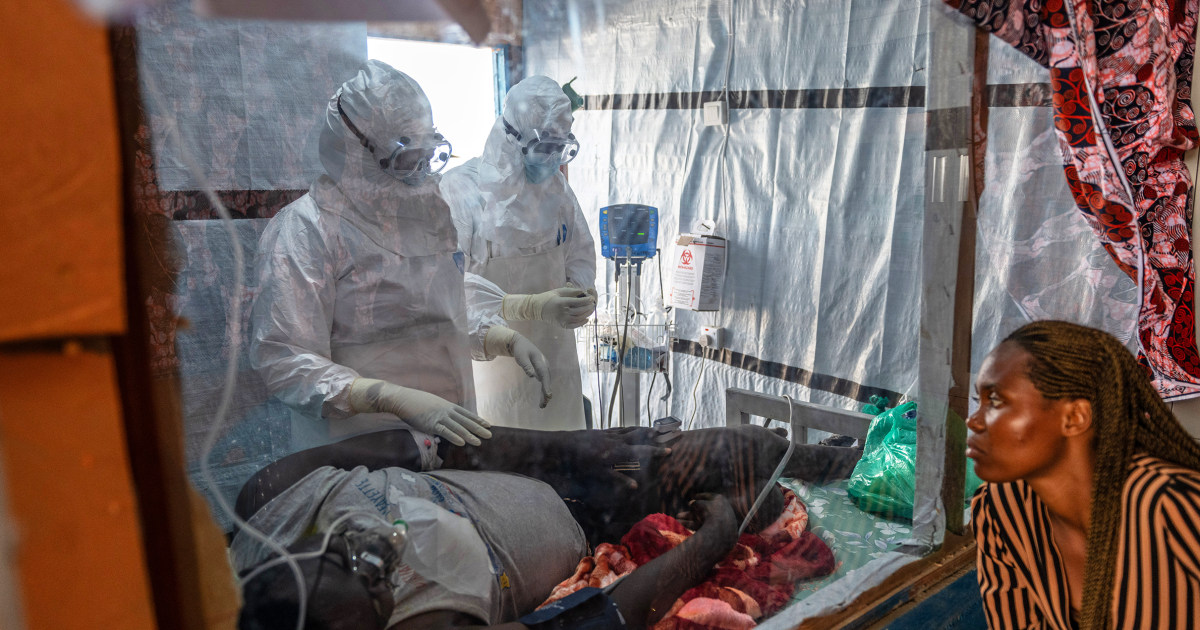
Frontline health workers in Ituri province have launched strikes over unpaid wages as the Ebola death toll rises and transmission chains remain unidentified.

Medical experts suggest that proactive lifestyle adjustments, such as maintaining a healthy weight and strengthening surrounding muscles, can improve joint health.
Despite incremental gains in infant immunization rates, the UN warns that geopolitical conflict, misinformation, and aid cuts threaten recent progress.
New Zealand has recorded its first-ever case of the highly pathogenic H5N1 avian influenza in a brown skua found on Petone Beach. Authorities have launched a vaccination program for select endangered species as they move to an active national response.
Health officials have launched clinical trials to evaluate treatments and preventive drugs for the Bundibugyo strain of the Ebola virus. The studies target both active infections and post-exposure prophylaxis to combat the ongoing outbreak.

Experts warn that the true scale of the DRC's Ebola crisis is likely hidden, as most new cases in Bunia appear outside of established contact lists.
A study of over 214,000 individuals across 14 countries shows that dementia risk factors shift based on a nation's wealth, challenging universal prevention models.

Studies presented at the ERS Congress reveal that young adults who vape exhibit significantly lower exercise capacity, even with normal lung function.
The US administration has enacted a temporary ban on direct commercial flights from the DRC and mandated centralized health screening for travelers.
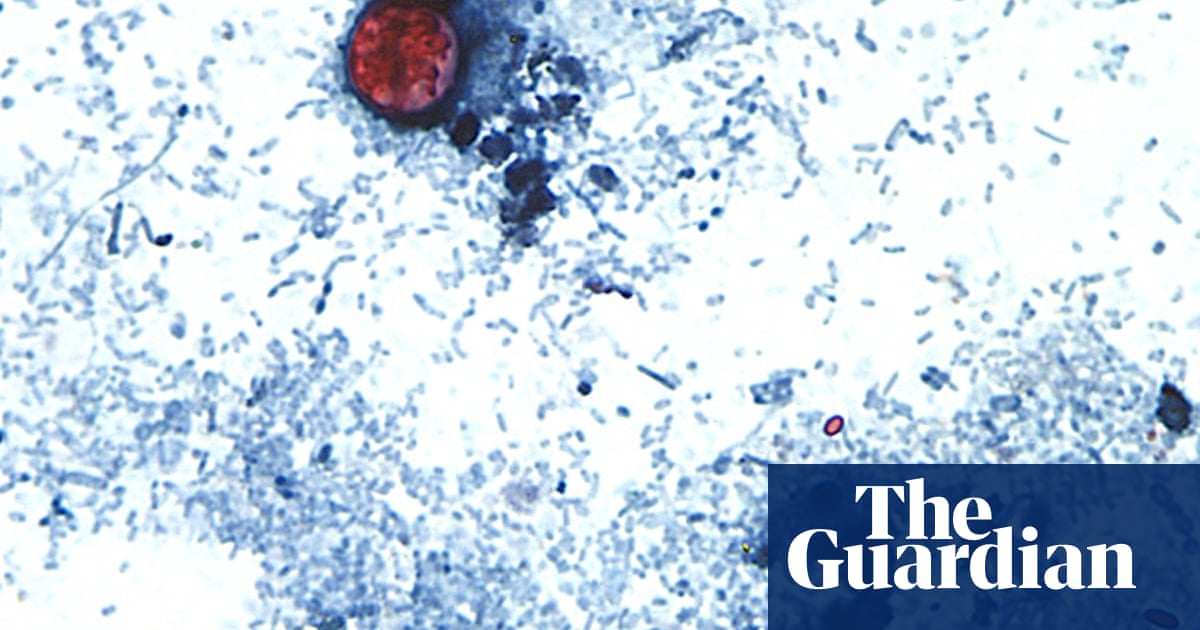
Michigan health authorities have identified lettuce and salad greens as a potential source for a sprawling cyclosporiasis outbreak. Officials are advising consumers to thoroughly wash or cook produce to mitigate the risk of this parasitic infection.

New research suggests that muscle stiffness in myotonic dystrophy type 1 is a primary driver of tissue damage, rather than just a passive symptom of the disease.

A Stanford Medicine-led study finds that while neurotypical teens become more responsive to unfamiliar voices, adolescents with autism do not. Instead, autistic teens show an increased neurological response to their mother's voice as they mature.
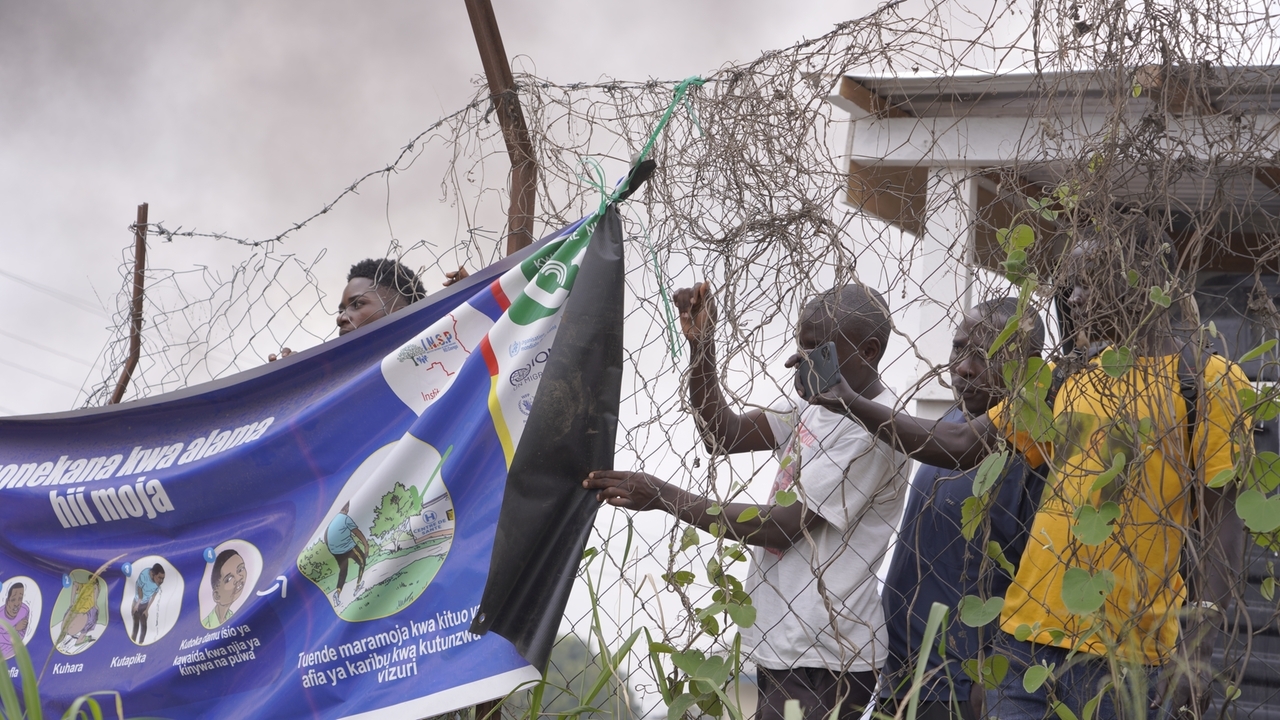
The Ebola outbreak in the Democratic Republic of Congo has officially expanded into the Tshopo and Haut-Uele provinces. Meanwhile, ongoing labor strikes at a treatment center in Ituri are complicating the public health response.

Recent neuroimaging and cellular studies link long COVID to structural damage in the dopamine system rather than widespread brain inflammation. Researchers are now exploring whether these changes, which mirror aspects of neurodegenerative disease, could be treated with dopamine-targeting therapies.

A U.S. citizen working for a humanitarian organization in the Democratic Republic of Congo has been admitted to a Frankfurt hospital with the Ebola virus. The patient is in stable condition, and officials state there is no risk to the general public.
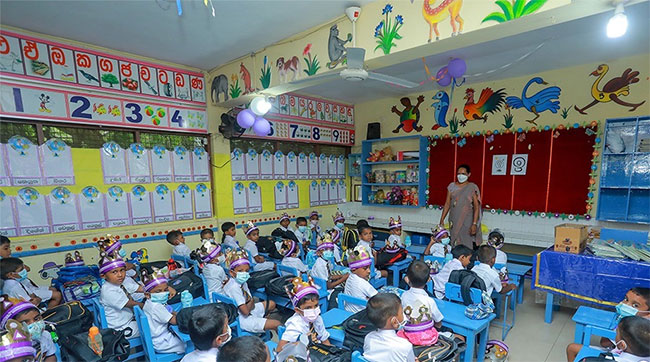
Authorities have issued guidance for preschool children to wear protective clothing as the nation faces a spike in dengue fever transmissions. The appeal aims to minimize mosquito exposure during a critical high-risk period.
The AFC/M23 rebel group has established a parallel healthcare administration in eastern Democratic Republic of Congo to manage an Ebola outbreak.

Recent data reveals a surge in high blood pressure among Indians under 40, driven by sedentary lifestyles and high sodium intake. Experts warn of a growing risk of heart attack and stroke.