New Zealand reports first H5N1 bird flu case in a brown skua seabird
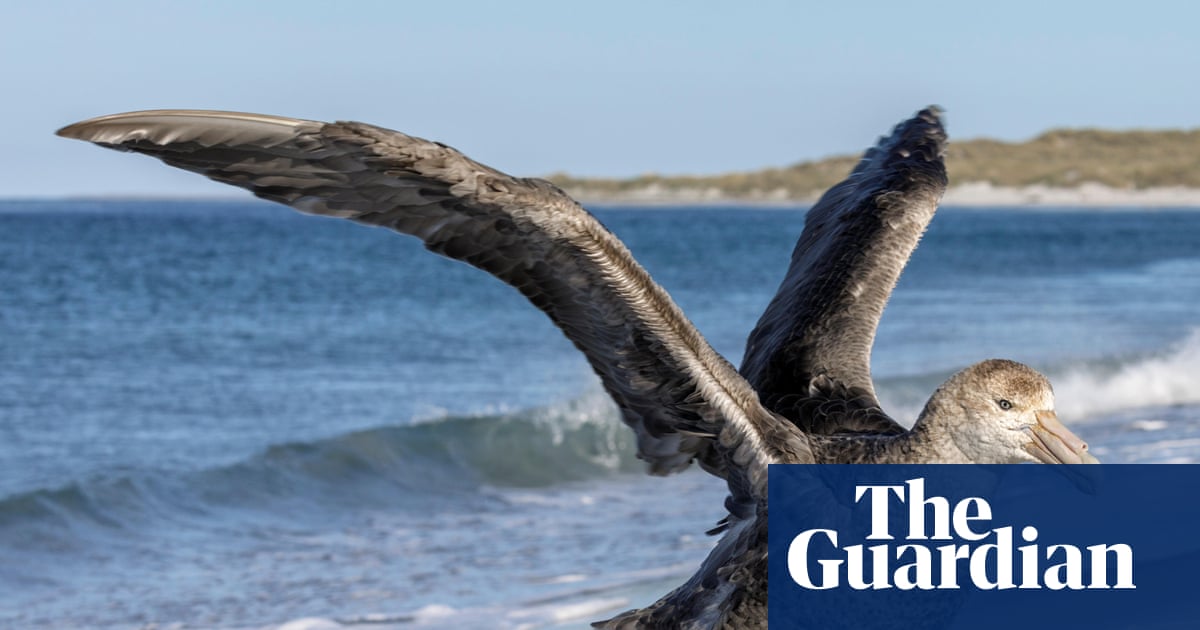
New Zealand has recorded its first-ever case of the highly pathogenic H5N1 avian influenza in a brown skua found on Petone Beach. Authorities have launched a vaccination program for select endangered species as they move to an active national response.
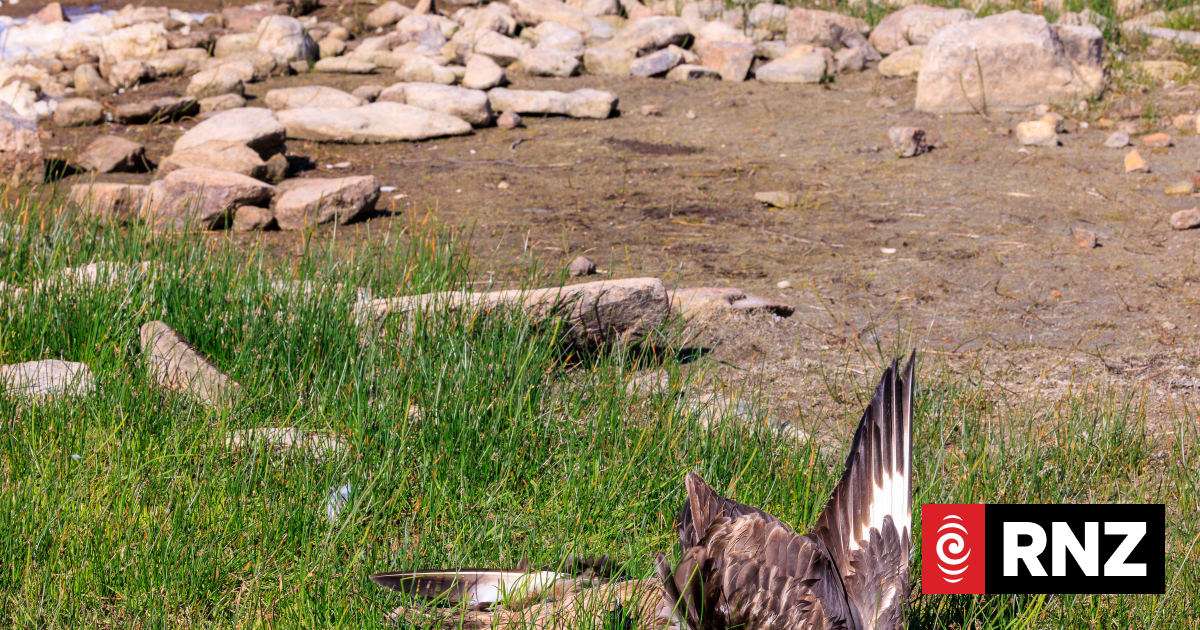
New Zealand has officially recorded its first detection of the highly pathogenic H5N1 avian influenza, marking the arrival of the virus in the nation. The H5N1 clade 2.3.4.4b strain was confirmed in a brown skua found on Petone Beach in Wellington, Biosecurity Minister Andrew Hoggard announced on Wednesday, 15 July 2026.
This development follows the virus's arrival in Australia last month, which had been the final continent to report the disease. The H5N1 strain has caused massive mortality events among wild bird and mammal populations worldwide since emerging in 2020. Despite the detection, officials emphasized that there is currently no evidence of mass mortality in New Zealand wildlife or transmission between wild birds within the country. Authorities have conducted checks on Petone Beach and surrounding areas and have found no further issues.
Related Instagram post

The risk to human health remains characterized as low. According to the Ministry for Primary Industries, the virus rarely affects humans, typically requiring direct, close, and prolonged contact with large numbers of infected animals. Minister Hoggard stated that the situation is not a human health issue, noting that there is no indication of human-to-human transmission.
Ecological Vulnerability and Mitigation
The arrival of the virus poses a significant challenge for New Zealand’s endemic species. Because many native birds evolved in isolation without the pressure of land mammals, they remain flightless, ground-nesting, and often poorly equipped to defend against predators. This evolutionary history leaves species highly vulnerable to rapid spread and potential extinction.
Brett Gartrell, a professor of wildlife health at Massey University, expressed concern regarding the potential impact on biodiversity.
Gartrell added that if the virus spreads quickly, existing protections might prove insufficient, as the core groups of birds targeted for vaccination may not achieve full immunity in time."We are incredibly worried about New Zealand’s biodiversity because our birds have never had to deal with anything like this before,"
Brett Gartrell, professor of wildlife health at Massey University, via Reuters
The Department of Conservation has initiated a vaccination program for 300 core breeding birds from five of the country's most endangered species, including flightless takahe and kakapo. Minister Hoggard noted that the vaccine was trialed last year and showed no adverse side effects, though its absolute efficacy remains unknown in real-world exposure scenarios.
Preparedness and Operational Response
New Zealand authorities have been coordinating with the poultry industry for years to develop biosecurity and resilience planning. While no cases have been detected in commercial poultry, the industry is transitioning from a state of preparation to active response. Michael Brooks, Executive Director of the Poultry Industry Association, described the current shift as moving from a period of "peacetime" to "wartime" readiness.
Public Protocols
Authorities have issued specific instructions for the public to prevent potential spread and ensure accurate surveillance:
- Avoid Contact: Members of the public should not handle or move sick or dead birds.
- Reporting: Any sighting of three or more sick or dead wild birds in a group should be reported immediately to the MPI exotic and pest disease hotline at 0800 80 99 66.
- Provide Data: Reporters are asked to provide photographs and precise location details when contacting the hotline to assist with the national response.
Archypedia is dedicated to independent, evidence-backed reporting. This briefing was synthesized from primary source reporting, corroborated across independent newsrooms, and verified against our Editorial Standards.
Transparency record
Evidence behind this report
This report synthesizes 12 distinct sources. Open the source ledger below to compare the underlying coverage.
- 1news.co.nz
- abc.net.au
- yahoo.com
- mandurahmail.com.au
- rnz.co.nz
- aol.com
- straitstimes.com
- hindustantimes.com
- bernama.com
- nzherald.co.nz
- canberratimes.com.au
- wsau.com
Prepared under the Archypedia Editorial Policy by the Lina Park editorial desk profile. AI-assisted tools may support drafting and verification; public accountability remains with Archypedia. Report an error.