Sri Lanka deploys military to combat escalating dengue fever outbreak
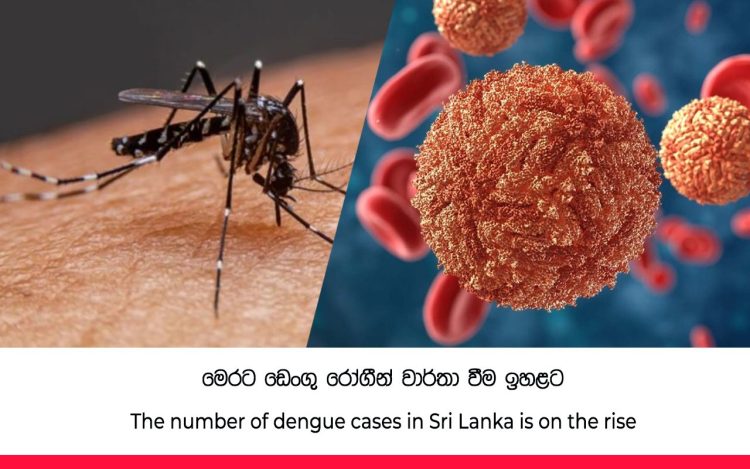
Sri Lanka has deployed military personnel to assist in an urgent anti-dengue campaign following a surge of 68,672 infections and 49 confirmed deaths.
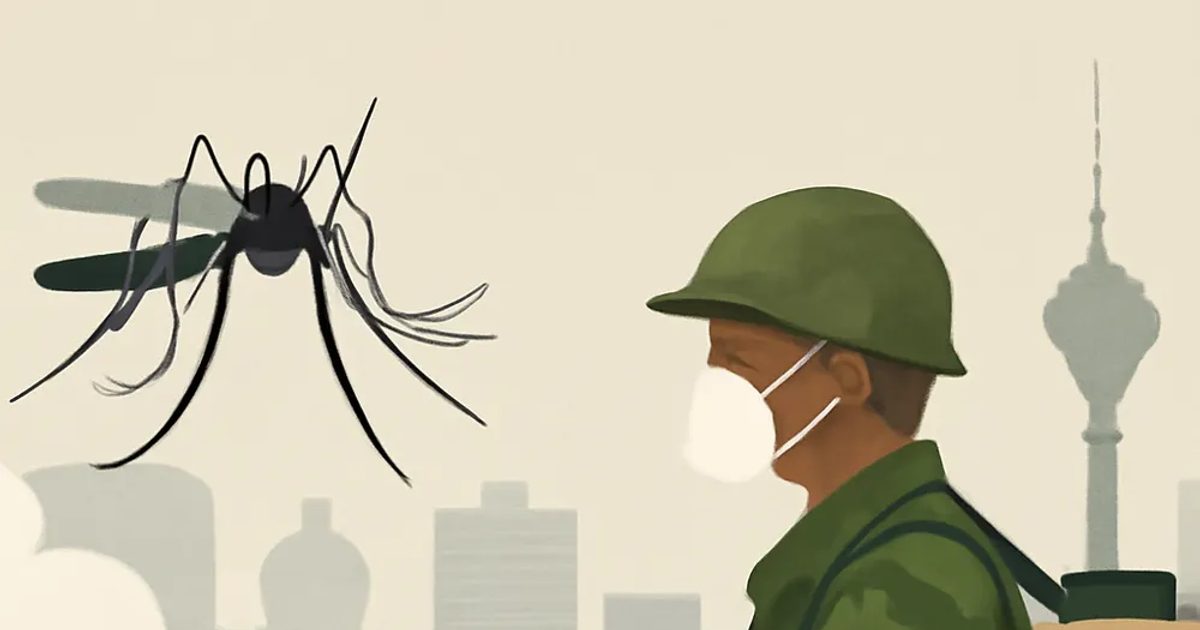
Sri Lanka has mobilized military personnel to assist in an urgent, nationwide anti-dengue campaign as the country faces a rapid surge in infections and a rising death toll. The intervention involves soldiers tasked with identifying and destroying mosquito breeding sites, conducting awareness programs, and participating in large-scale clean-up operations in high-risk communities. This deployment marks a shift toward more aggressive, state-led public health measures as authorities struggle to mitigate the transmission of the virus.
According to reports, the military presence signals the heightened severity of the outbreak, which is currently straining the nation's healthcare system. Medical officials have expressed concern over the scale and speed of the disease's spread, which is transmitted by the Aedes aegypti and Aedes albopictus mosquitoes. Official data indicates that 61,057 people were infected in the first six months of 2026, and as of mid-July 2026, the cumulative number of dengue patients reported in the country this year has reached 68,672, with 49 deaths confirmed.
Related media

Escalating Response and Resource Allocation
The government's response has intensified alongside the rising patient count. A special eradication program is expanding into 11 districts. This initiative aims to address the critical situation in the Western Province, particularly within the districts of Colombo, Gampaha, and Kalutara, which currently face the highest burden of disease. Dr. Kapila Kannangara, head of the National Dengue Control Unit, indicated that staff and security personnel involved in the eradication drive are set to double in these high-risk areas to manage the mounting pressure on hospitals.
"We are launching a new drive from tomorrow to expand into more areas with additional staff and security personnel"
Kapila Kannangara, head of the National Dengue Control Unit, via Yahoo News
The urgency of the situation is compounded by environmental and biological factors. While the island frequently deals with seasonal spikes following monsoonal rains, experts highlight that the current outbreak is exacerbated by a combination of climate change and shifting viral strains. Researchers note that while four distinct serotypes exist in Sri Lanka, studies have shown a marked increase in DENV-2 infections. Furthermore, experts note that rising global temperatures have likely shortened the maturation period of the mosquito, increasing the frequency of biting and the rate of transmission.
Public Health and Structural Challenges
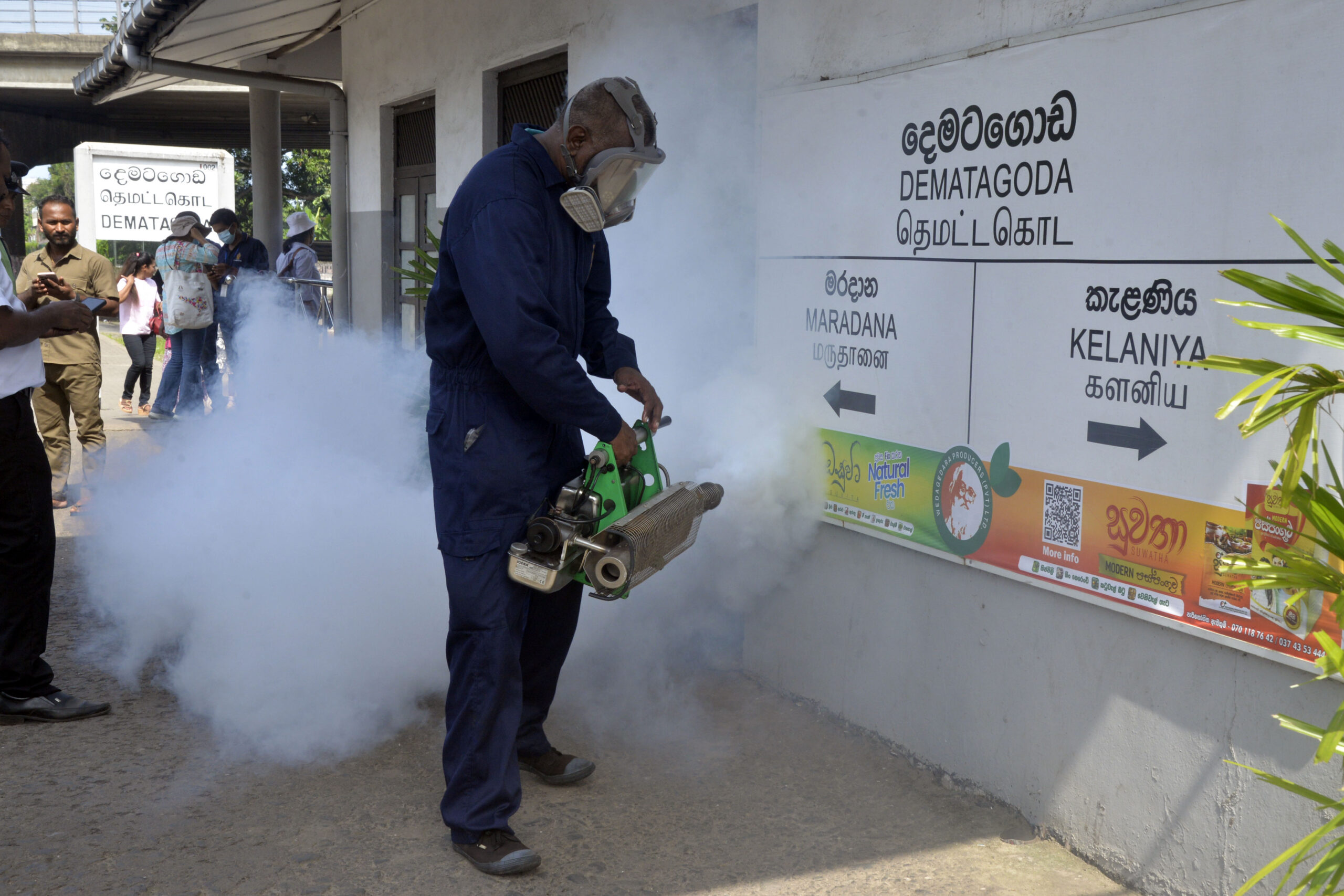
Despite the military and medical response, experts warn that chemical-based interventions may have diminishing returns. Chamil Muthukuda, general secretary of the Public Health Inspectors’ Union, noted that standard fogging operations are proving increasingly ineffective. Research indicates the mosquito vector has developed resistance to commonly used insecticides due to inconsistent or non-evidence-based application. Consequently, health authorities are prioritizing the physical removal of breeding sites—such as stagnant water found in discarded yogurt cups, coconut husks, and storage tanks—over reliance on fogging.
The crisis has also ignited broader discussions regarding urban planning and waste management. Residents in densely populated areas like Dematagoda have expressed frustration with the periodic nature of government clean-up efforts.
"Every time there is a surge in dengue they suddenly remember to carry out fogging and launch dengue prevention drives. But during the rest of the year people continue to dump waste in abandoned lands and contribute to a never-ending problem."
Niroshan Peters, resident of Dematagoda, via Mongabay
What to Watch Next
As the government moves to contain the spread, the following points remain critical to the unfolding situation:
- Hospital Capacity: Health Minister Nalinda Jayatissa has warned that the healthcare system is under severe pressure, making the ability to provide timely care for non-severe cases a priority to prevent hospital overcrowding.
- Legal Enforcement: Authorities have indicated that maintaining environments conducive to mosquito breeding is a punishable offense.
- Scientific Strategy: While pilot programs involving Wolbachia bacteria have been tested in the past, they remain experimental. Researchers are calling for a transition toward predictive modeling and early warning systems to better identify hotspots before they erupt into full-scale epidemics.
- Ongoing Monitoring: Citizens have been urged to seek immediate medical attention if fever symptoms arise, as early diagnosis remains the primary defense against the risk of severe, lethal complications.
Archypedia is dedicated to independent, evidence-backed reporting. This briefing was synthesized from primary source reporting, corroborated across independent newsrooms, and verified against our Editorial Standards.
Transparency record
Evidence behind this report
This report synthesizes 6 distinct sources. Open the source ledger below to compare the underlying coverage.
Prepared under the Archypedia Editorial Policy by the Lina Park editorial desk profile. AI-assisted tools may support drafting and verification; public accountability remains with Archypedia. Report an error.