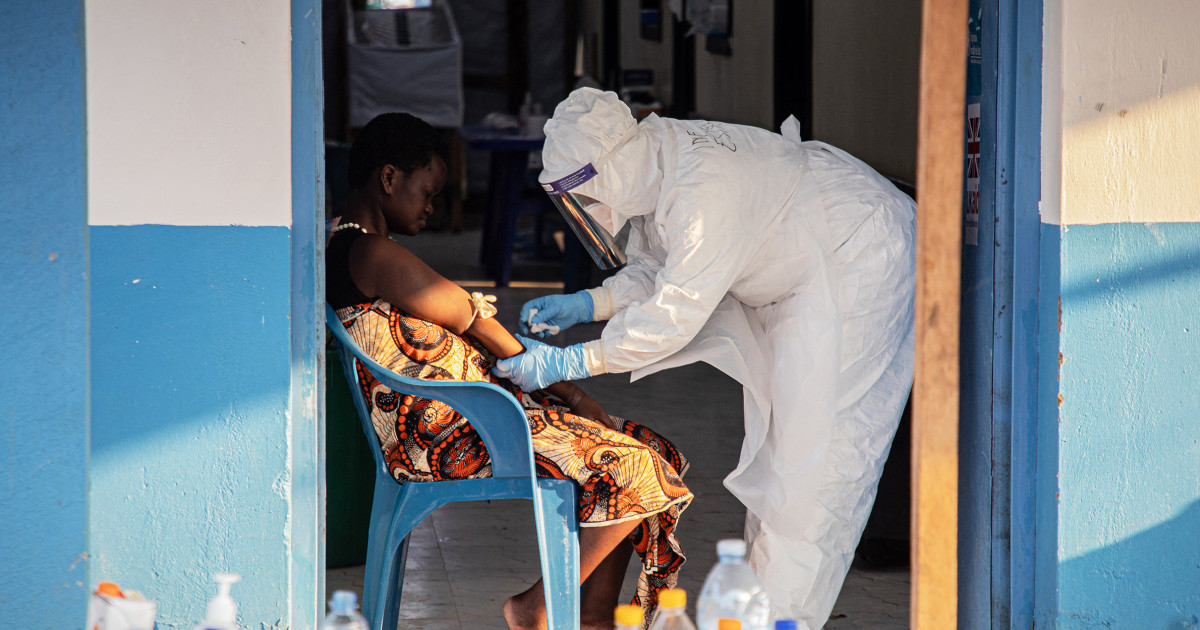
WHO launches clinical trial of antiviral to prevent Bundibugyo Ebola strain
Health officials have launched clinical trials to evaluate treatments and preventive drugs for the Bundibugyo strain of the Ebola virus. The studies target both active infections and post-exposure prophylaxis to combat the ongoing outbreak.
Clinical efforts to address the Bundibugyo strain of Ebola have shifted from purely observational support to active intervention.
The PARTNERS Trial
On 2 July 2026, patient enrollment began for the Platform Adaptive Randomised Trial for New and Repurposed Filovirus TreatmentS, known as PARTNERS. This randomized controlled trial evaluates two primary therapies for those already diagnosed with the disease: the monoclonal antibody MBP134 and the antiviral medication remdesivir. These treatments are being tested individually and in combination against standard supportive care, which includes fluid replacement, oxygen, and pain management.
Related YouTube video
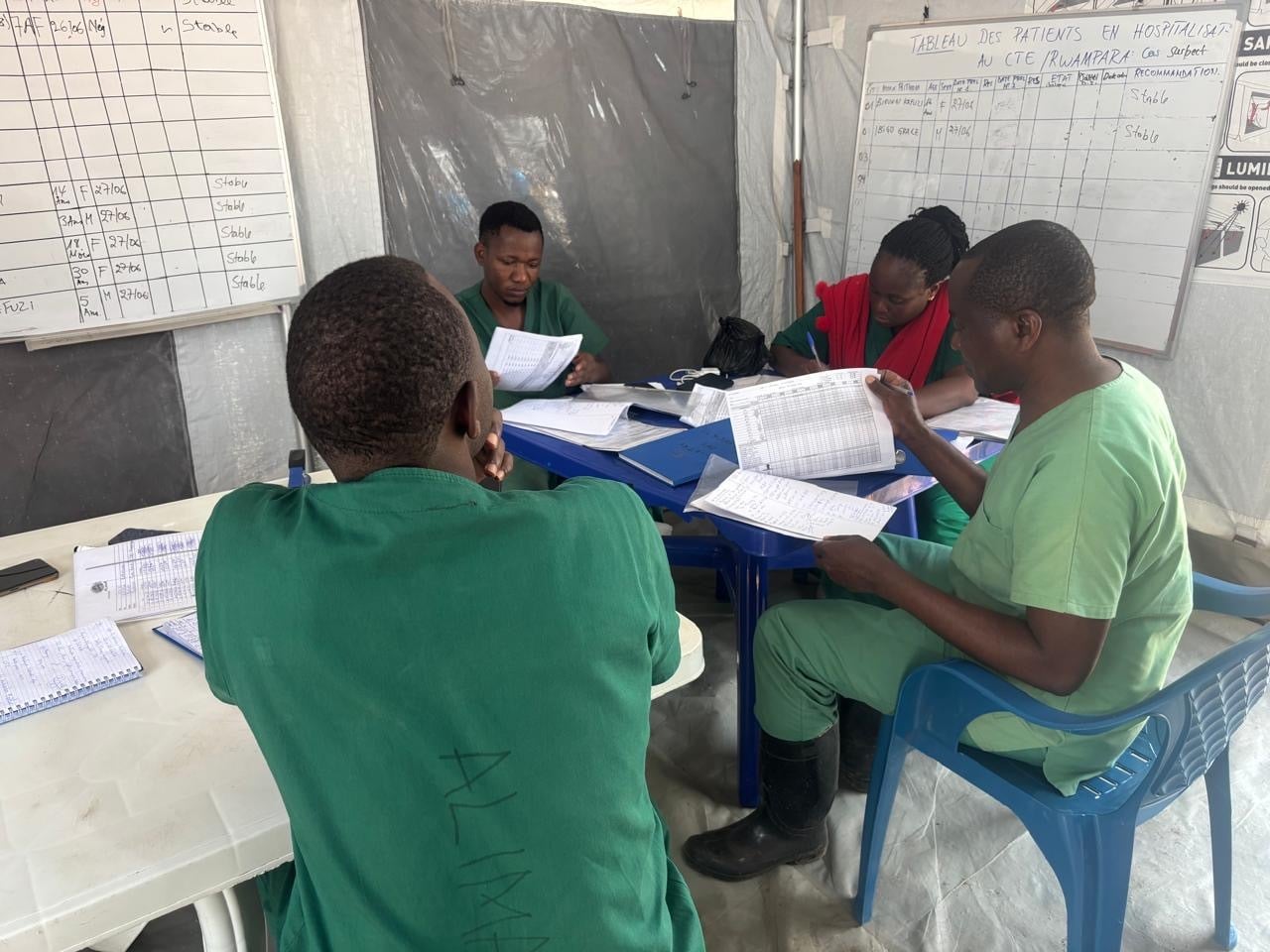

The trial is coordinated by a coalition involving the Institut National de Recherche Biomédicale (INRB) in the Democratic Republic of the Congo, the Institute of Tropical Medicine in Belgium, and the Pandemic Sciences Institute at the University of Oxford. Researchers emphasize that the adaptive design of the trial allows for additional therapeutic candidates to be added as they become available.
Preventive Research: The EBO-PEP Trial
Beyond treatment, health officials have initiated the EBO-PEP trial to test post-exposure prophylaxis. This effort focuses on individuals Who have had direct contact with confirmed cases but have not yet developed symptoms. According to reports, this study aims to recruit nearly 1,000 participants aged 12 and older. The study tests the efficacy of the antiviral drug obeldesivir, administered orally. Participants in this trial are monitored daily for 21 days, with a final evaluation at 42 days.
Outbreak Context and Scale
The launch of these trials follows the rapid expansion of the Bundibugyo strain, first identified in 2007. Official figures from the World Health Organization currently report over 1,960 cases and more than 700 deaths. Officials from the WHO noted that the outbreak has continued to outpace containment efforts, with many new cases originating from unknown transmission chains.
The virus remains heavily concentrated in the mineral-rich Ituri province of the DRC, though cases have been reported across five provinces and in neighboring Uganda. The geographic spread has introduced new diagnostic hurdles, particularly in rural clinics where rapid testing is not always available. The situation is further complicated by the presence of other hemorrhagic fevers, such as a confirmed Marburg virus case recently reported in a child in western Uganda.
Challenges to Implementation
The success of these trials faces significant logistical and social obstacles. Research teams are operating in a conflict-prone environment where local trust in health institutions has eroded. Furthermore, the reliance on randomized assignment in an emergency setting has historically been difficult to maintain, though organizers are drawing on lessons from the 2019 PALM trial to ensure scientific rigor.
While the risk to the international community remains low, the Global nature of travel has resulted in imported cases in France and Germany, both involving healthcare workers who were evacuated for care.
What to Watch Next
- Trial Enrollment: The ability of the PARTNERS and EBO-PEP trials to recruit sufficient numbers of participants will determine the speed and reliability of the resulting data.
- Regulatory Decisions: The U.S. Government, which holds stockpiles of the MBP134 monoclonal antibody, will face ongoing scrutiny regarding future access and distribution if the trial demonstrates efficacy.
As the WHO continues to monitor the regional response, the scientific community maintains that generating evidence during the active phase of an epidemic is the most viable path toward saving lives and improving readiness for future outbreaks.
Archypedia is dedicated to independent, evidence-backed reporting. This briefing was synthesized from primary source reporting, corroborated across independent newsrooms, and verified against our Editorial Standards.
Transparency record
Evidence behind this report
This report synthesizes 6 distinct sources. Open the source ledger below to compare the underlying coverage.
Prepared under the Archypedia Editorial Policy by the Lina Park editorial desk profile. AI-assisted tools may support drafting and verification; public accountability remains with Archypedia. Report an error.